Premium customizable motion control components engineered for next-generation automated assemblies, medical instruments, and heavy-duty automotive drives.
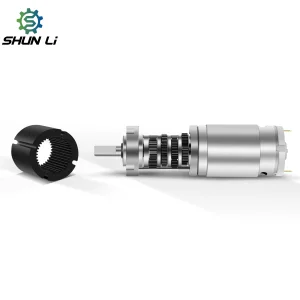
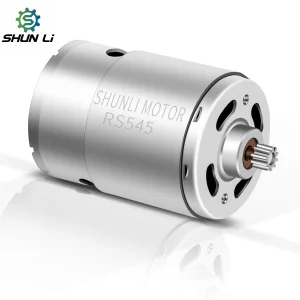
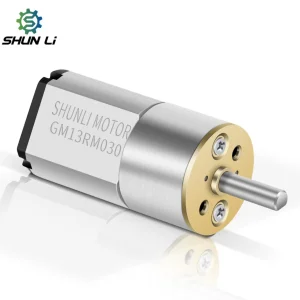
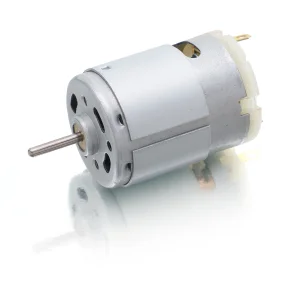
In modern industrial design, efficiency, long-term reliability, and dynamic response speed are the key factors determining product competitiveness. The global market is rapidly shifting from conventional brushed DC motors to Brushless DC (BLDC) motors and permanent magnet synchronous motors (PMSM). This shift is driven by the demand for higher energy efficiency, reduced maintenance, and precise control capabilities in robotic applications, consumer electronics, medical instruments, and automotive sub-systems.
Historically, motor fabrication was concentrated in highly industrialized European and North American nodes. Over the past two decades, China has evolved from a high-volume manufacturing hub into a center of precision engineering and technical innovation. By establishing comprehensive supply chains, securing raw materials such as rare-earth permanent magnets (NdFeB), and investing in automated production machinery, top-tier Chinese factories are setting global standards for quality and performance in the micro-motor segment.
To implement advanced motor technologies, engineers must evaluate the trade-offs between winding configurations, sensor feedback mechanisms, and drive electronics. The roadmap below outlines key developments that are optimizing performance across various industries:
Field-Oriented Control (FOC) algorithms calculate the rotor position using back-electromotive force (Back-EMF). This eliminates physical Hall sensors, reduces assembly footprint, increases reliability in harsh environments, and lowers system cost.
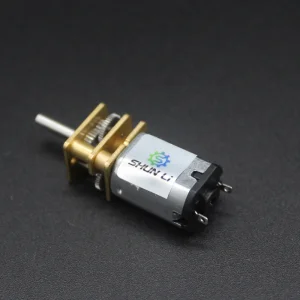
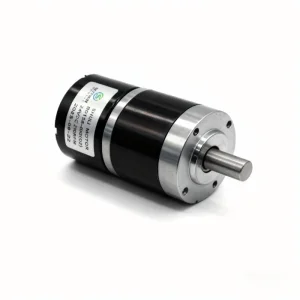
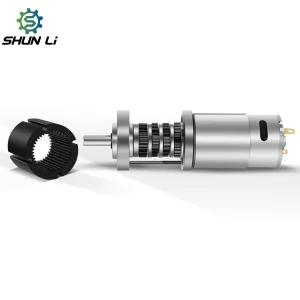
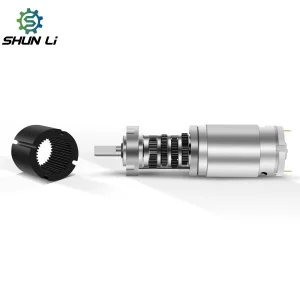
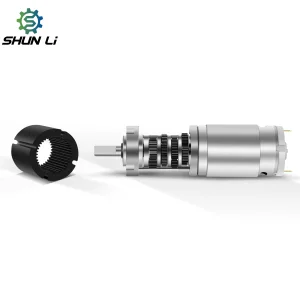
Integrating micro-planetary gearboxes (such as 12mm to 42mm configurations) enables high torque output at low RPMs. Modern designs feature hardened steel gears and advanced lubrication to optimize mechanical efficiency and reduce noise.
By optimizing slot-pole combinations and slot-opening dimensions, engineers can minimize torque ripple and cogging torque. This is critical for medical devices and smart home products that require quiet operation.
Additionally, material science plays a central role in motor performance. High-silicon electrical steel laminations minimize eddy current losses, while high-temperature copper wire wind structures prevent thermal breakdown under continuous heavy loads. In terms of magnet configuration, utilizing concentrated windings instead of distributed windings allows for shorter end turns, which reduces copper loss and decreases the overall physical volume of the housing.
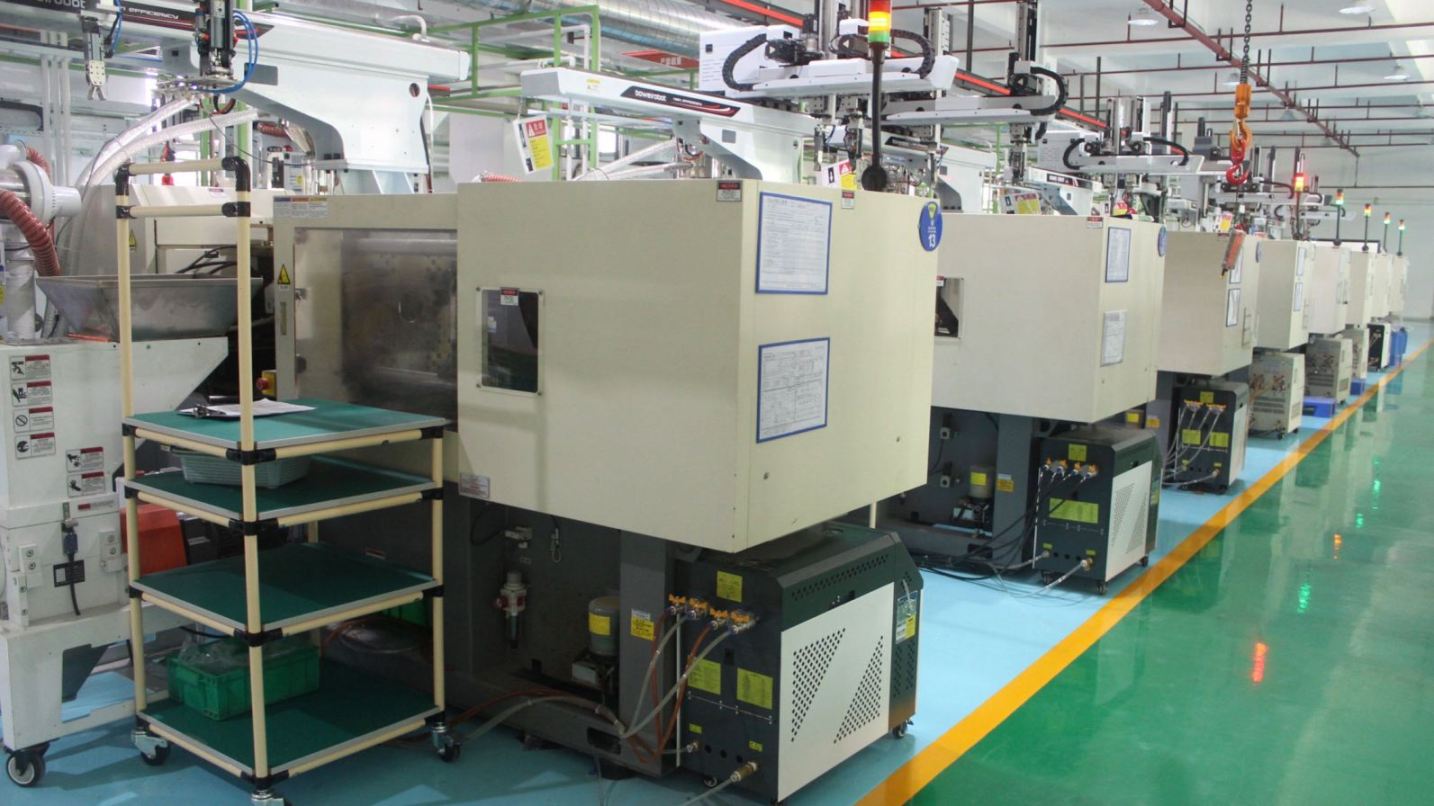
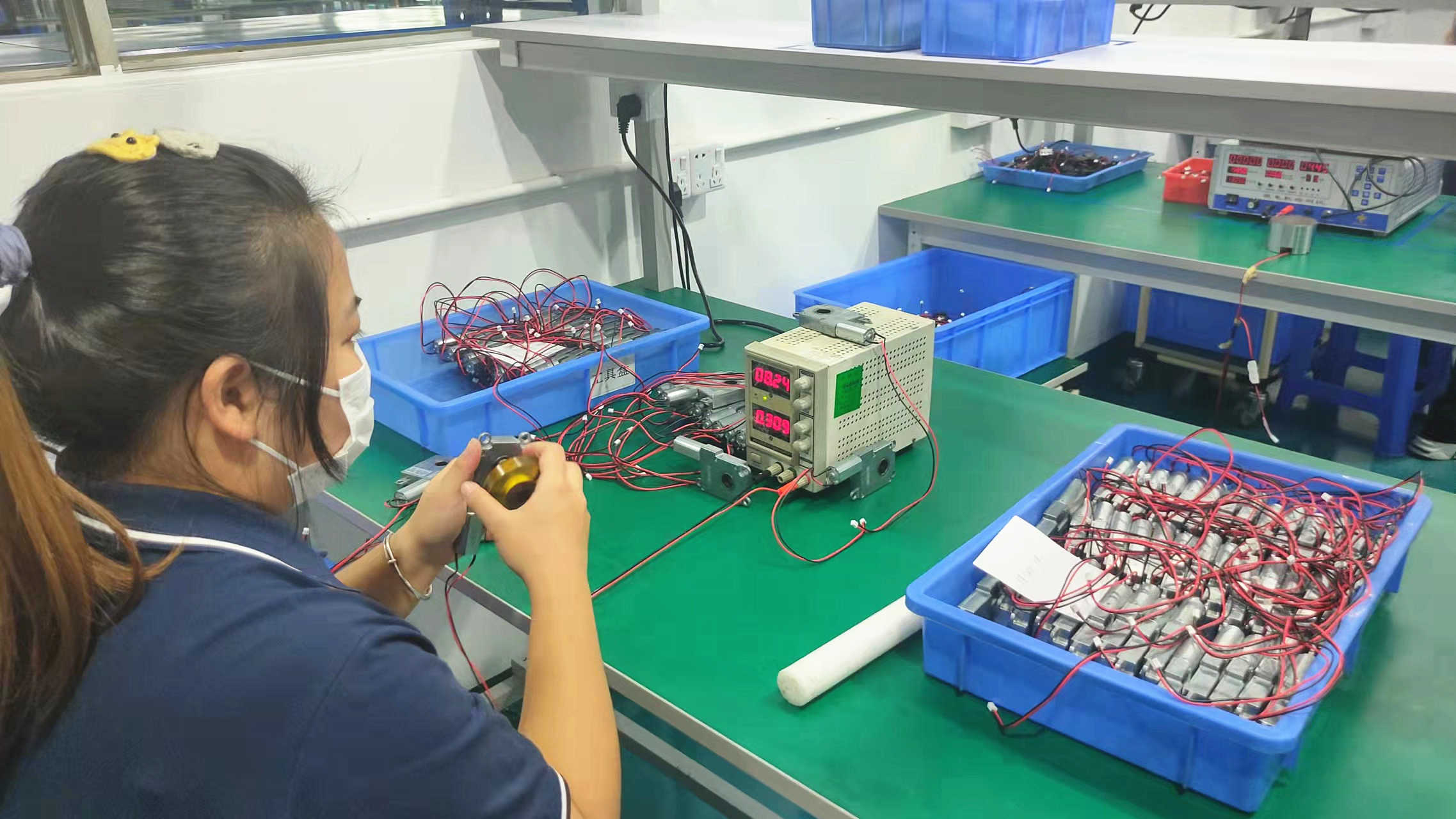
A look inside our advanced manufacturing facility. We combine high-speed automated assembly lines with strict diagnostic systems to maintain tight tolerances and ensure product consistency across production runs.

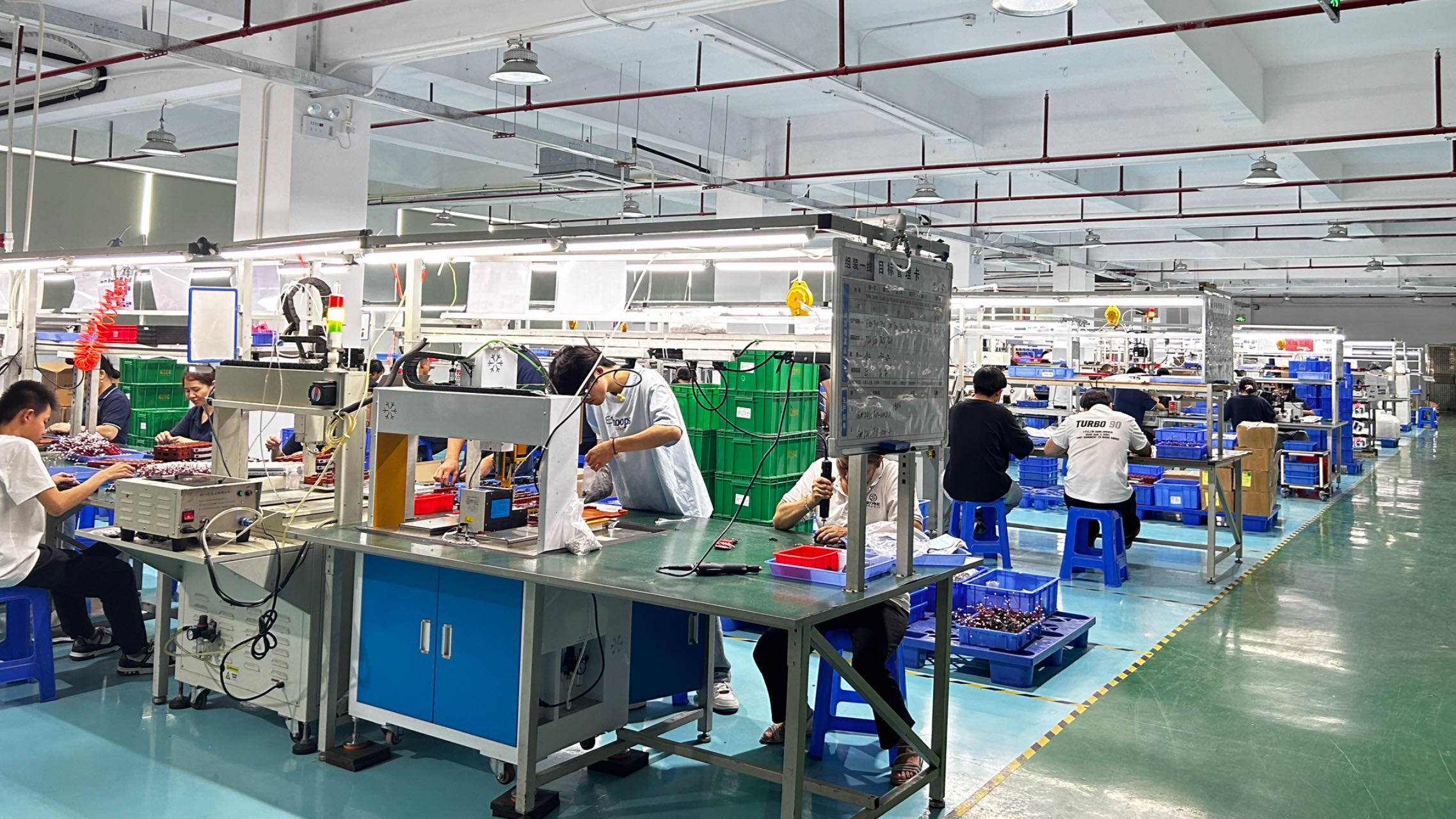
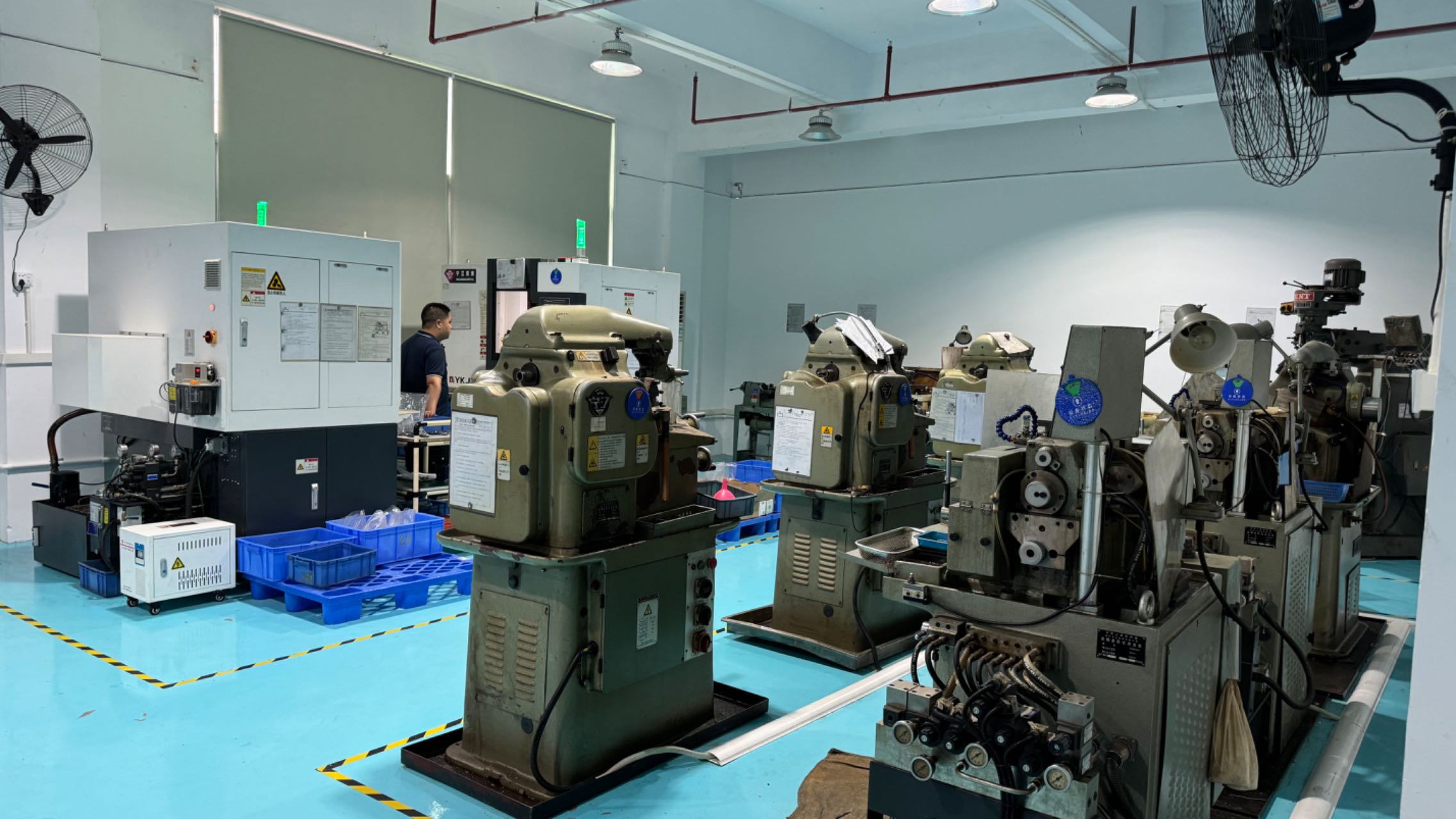
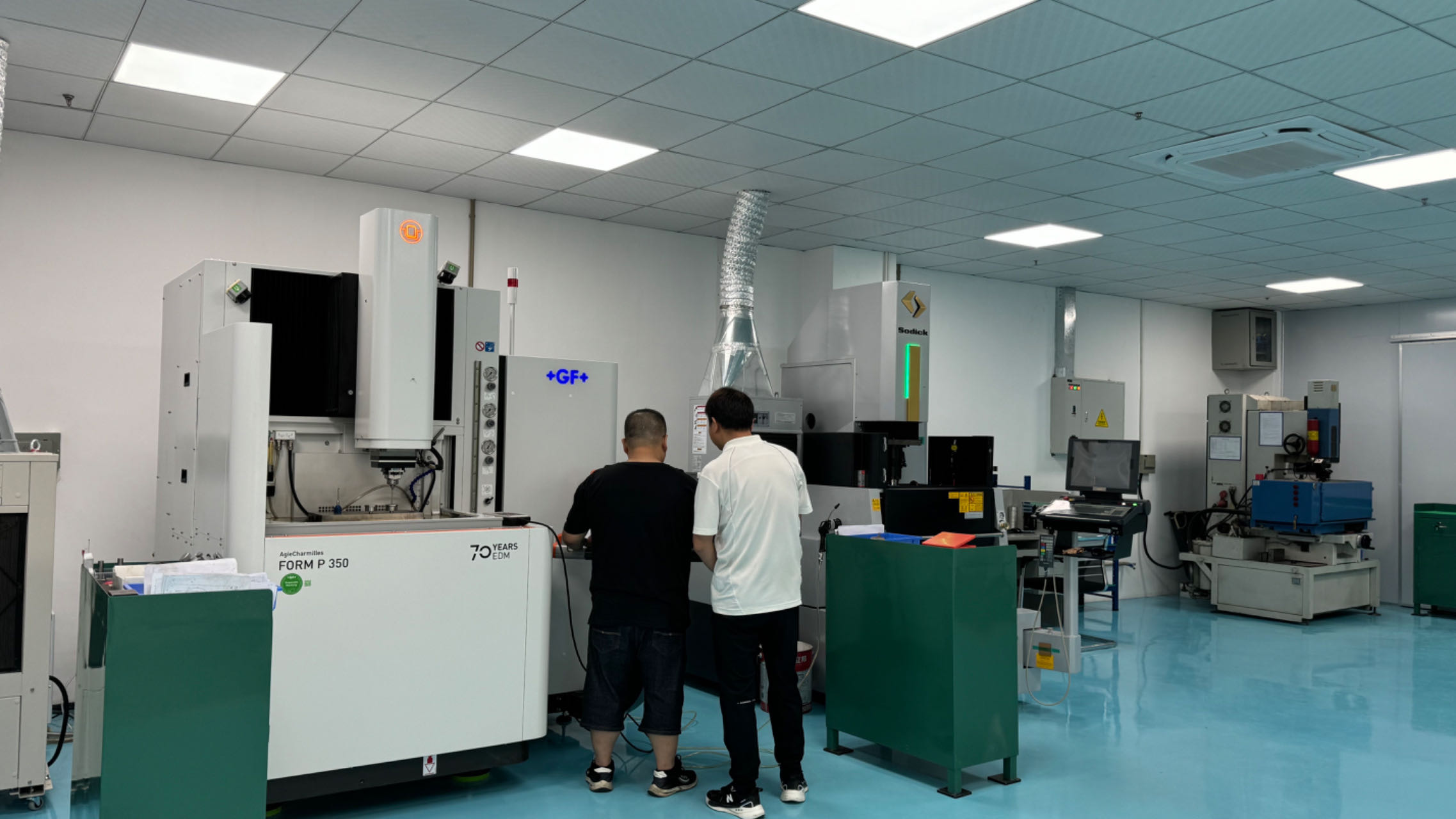
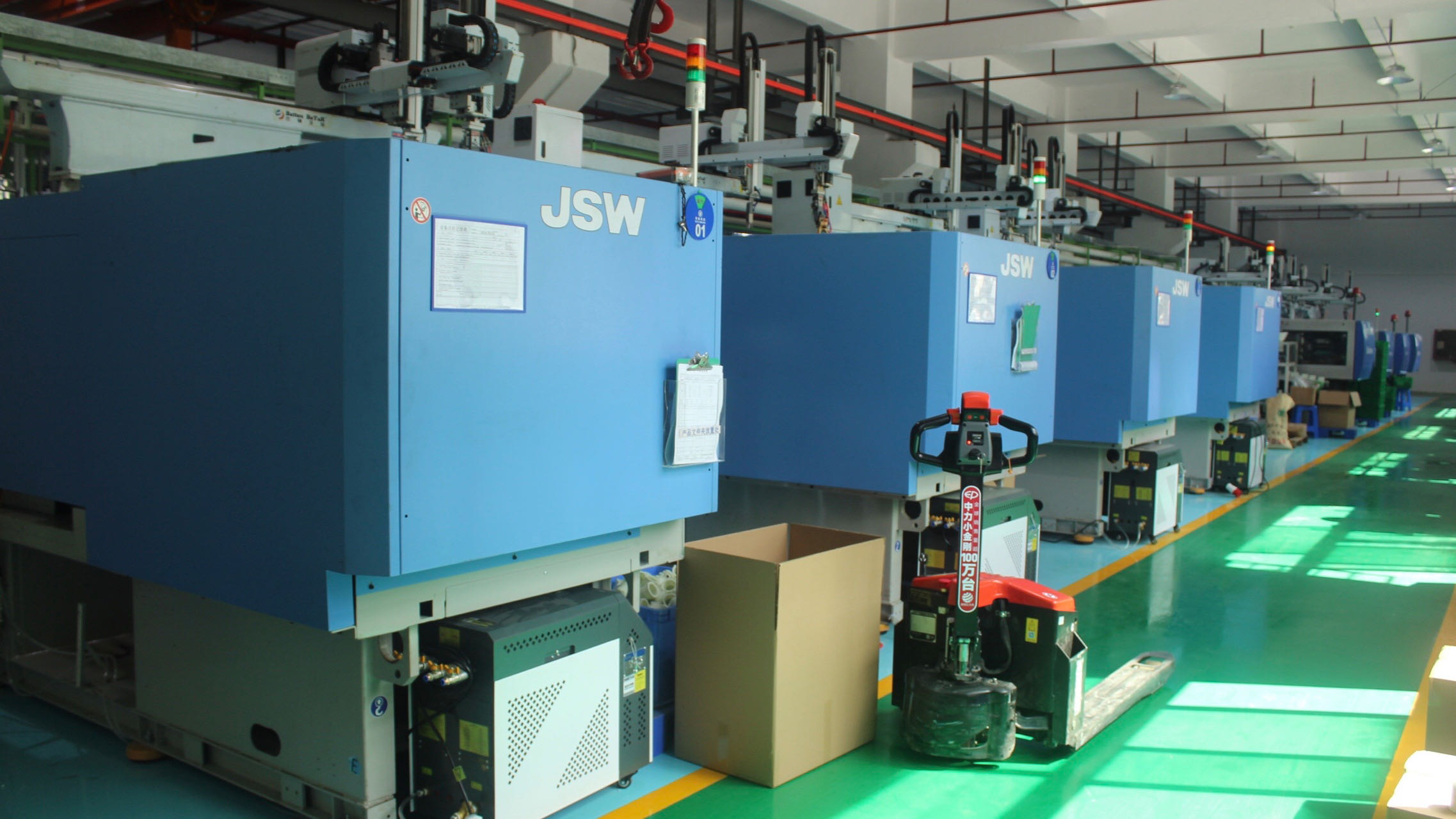
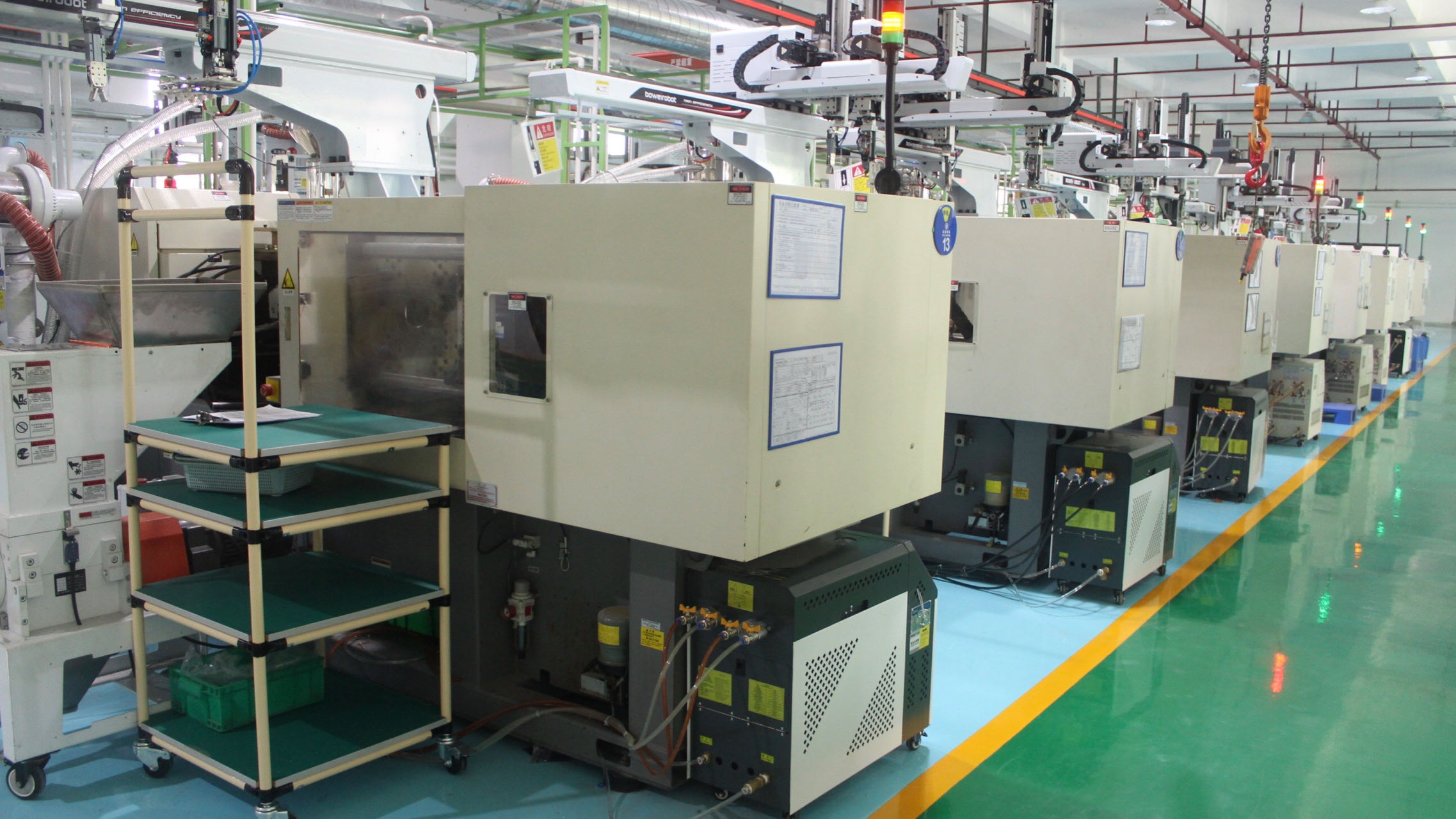

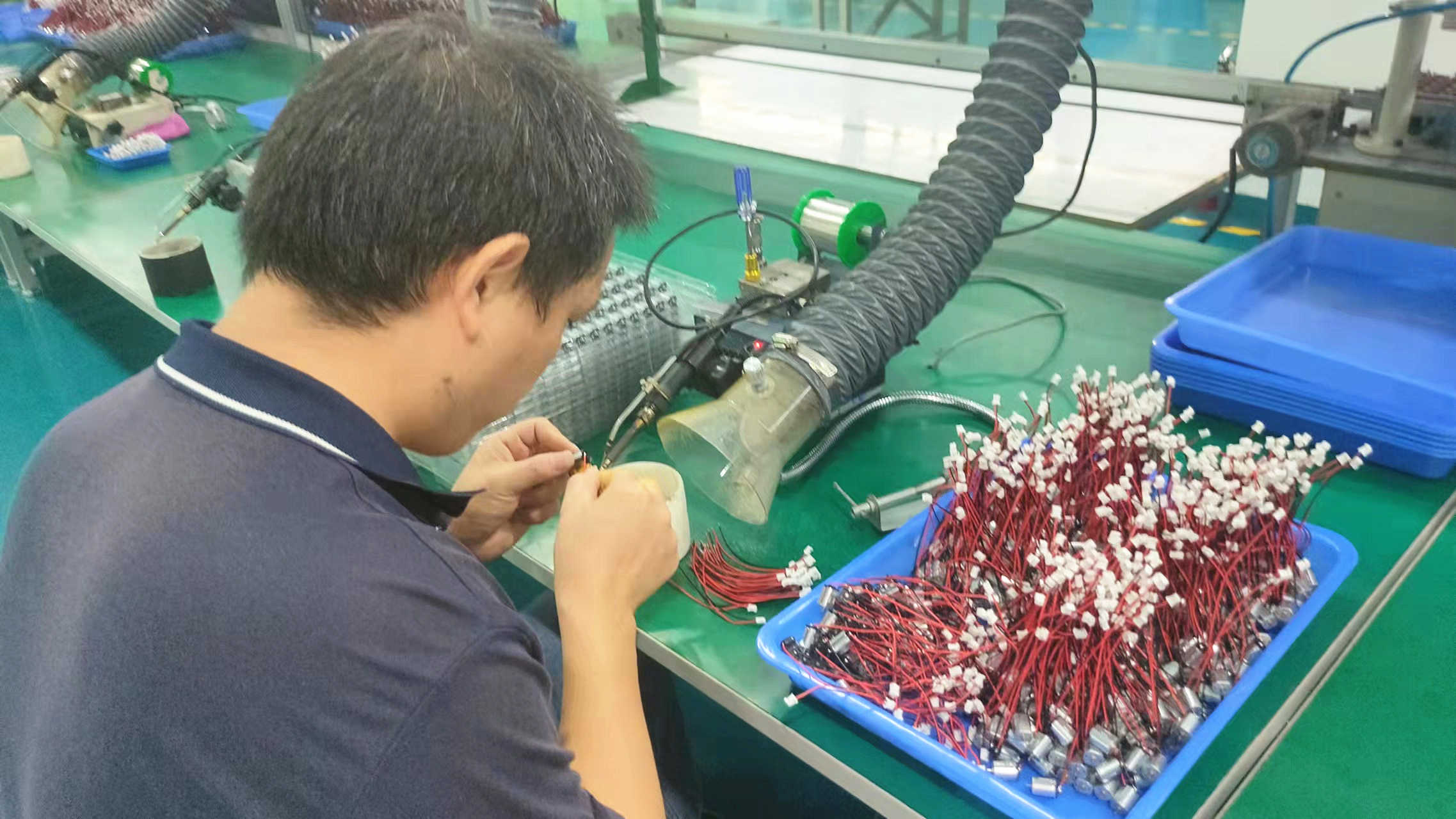
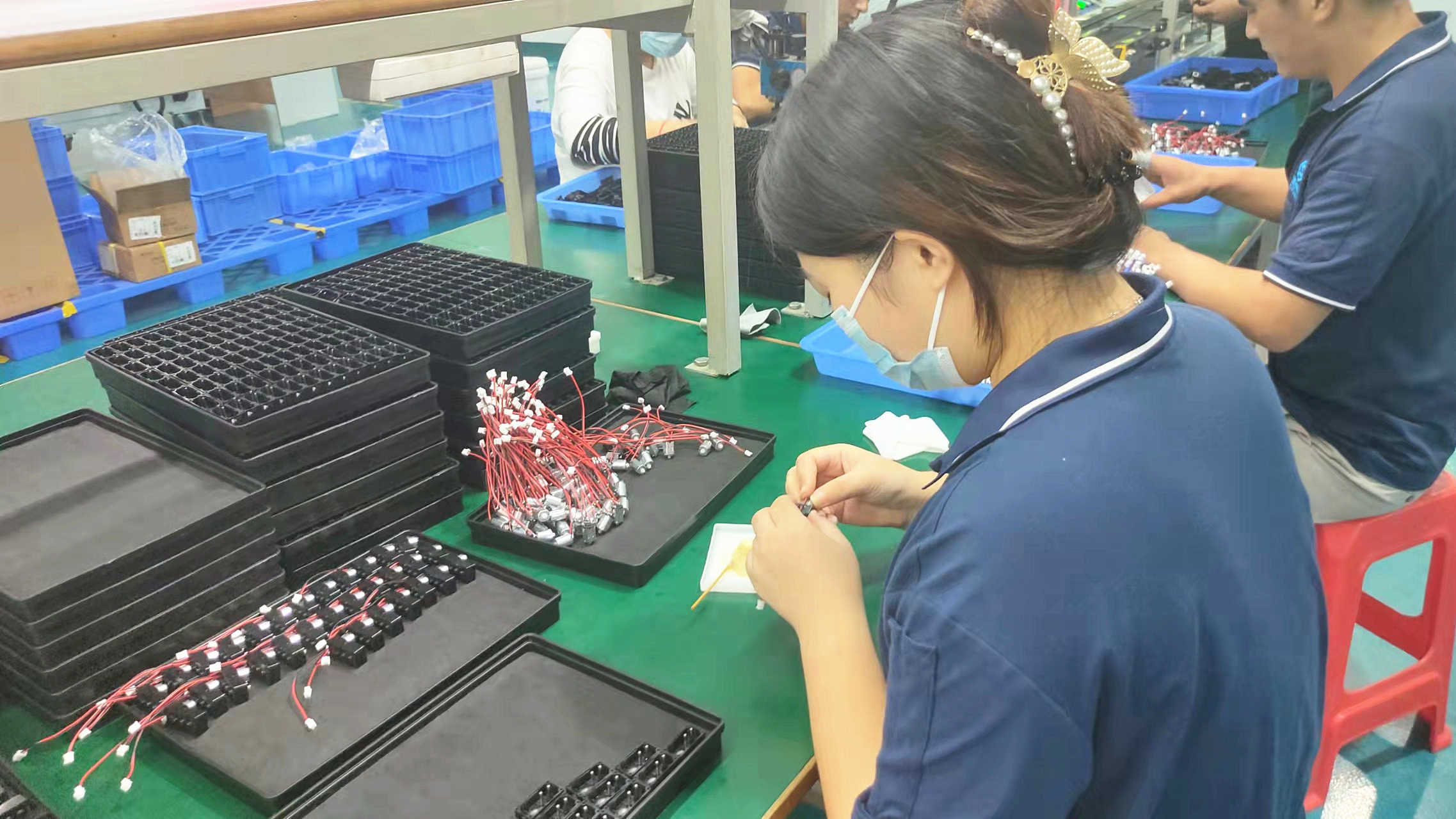
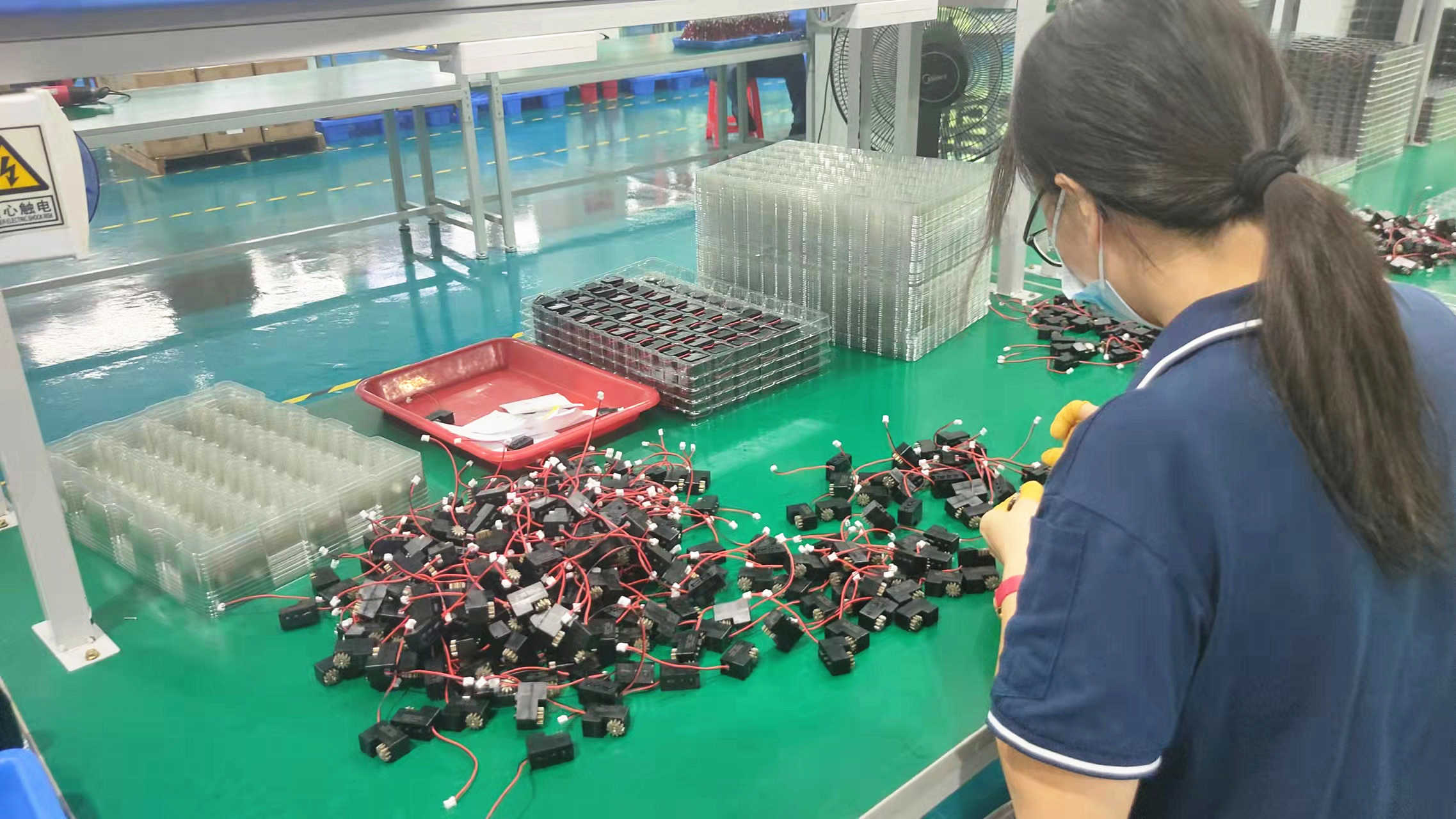
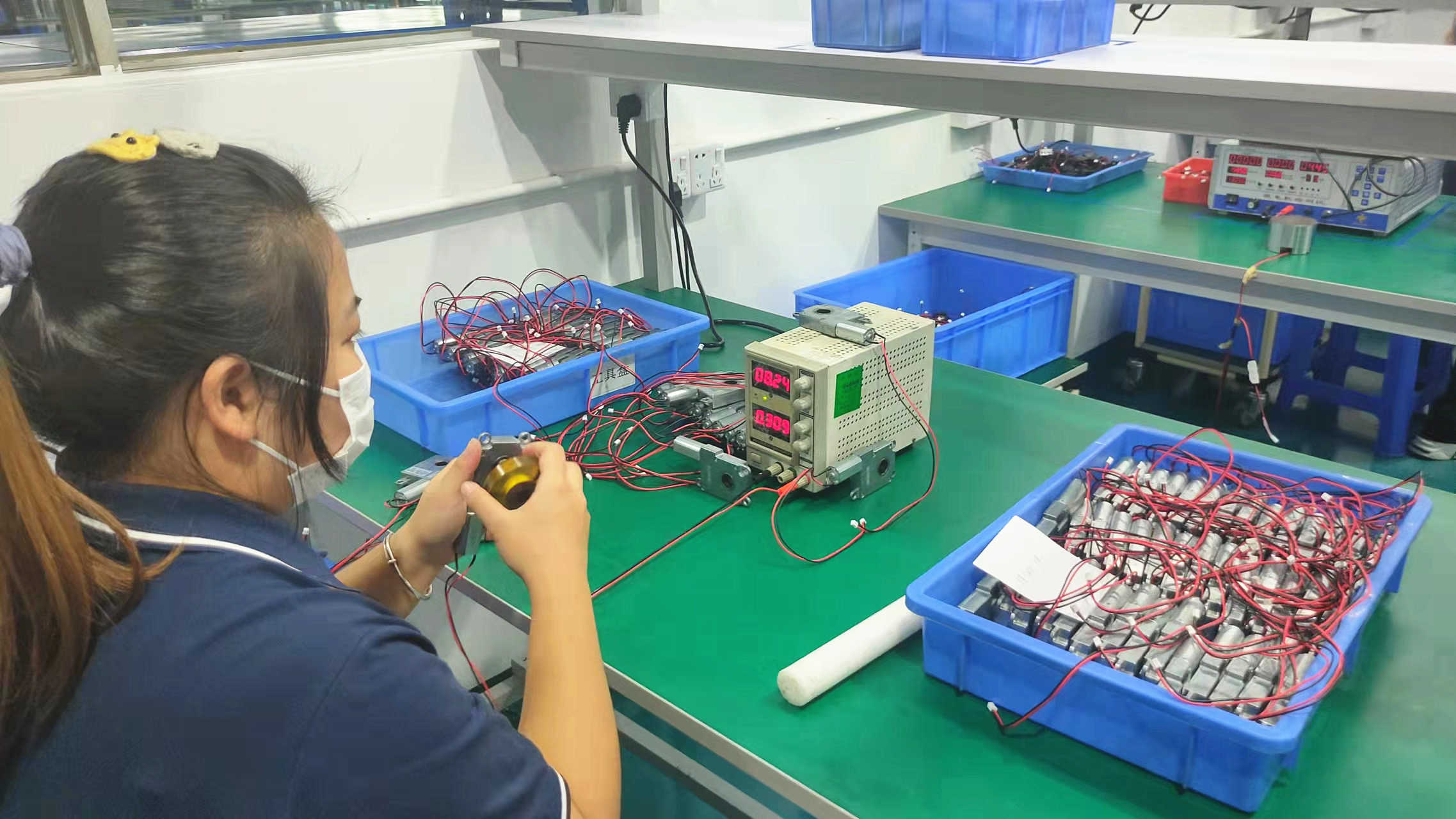
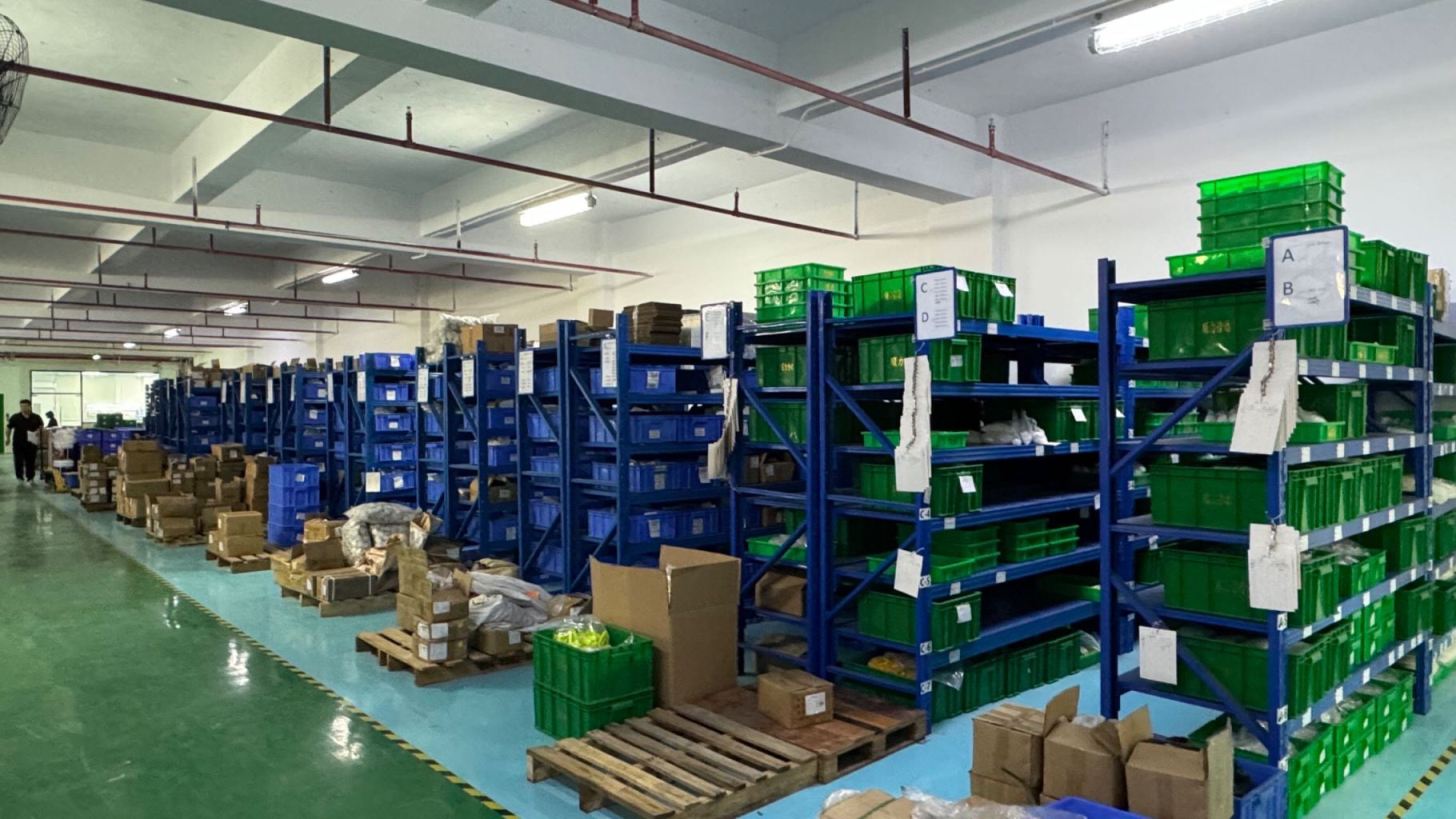
In high-performance micro-motor fabrication, machining tolerances directly impact product lifetime and torque stability. Small errors in runout or balance can lead to mechanical failure. To prevent this, we utilize precision machinery and diagnostic tools to monitor quality throughout the production process.
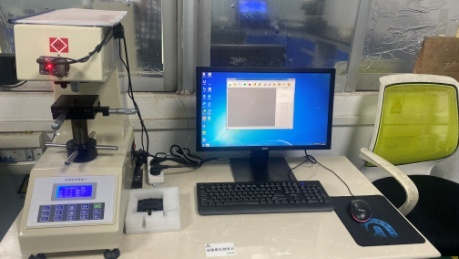
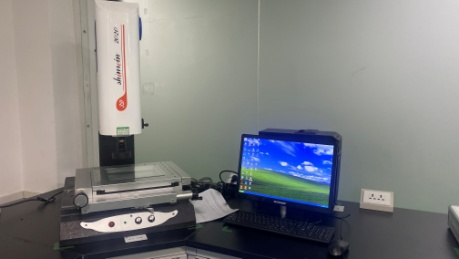
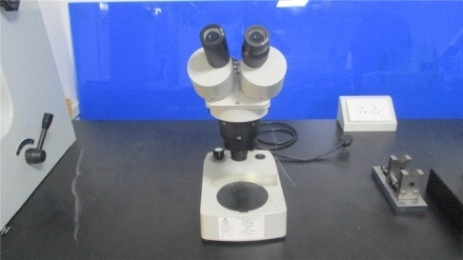
Our facility uses Japanese and Swiss machine tools, including Ningjiang gear hobbing machines and slow-feeding NC wire-cut machines, to maintain tight tolerances down to the single-micron level. The following section displays our primary machining systems and quality control check points:
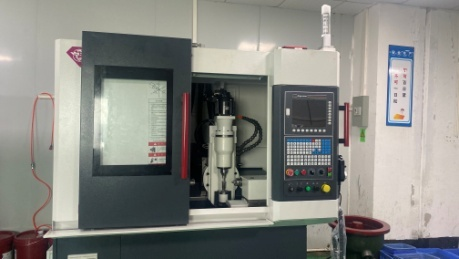
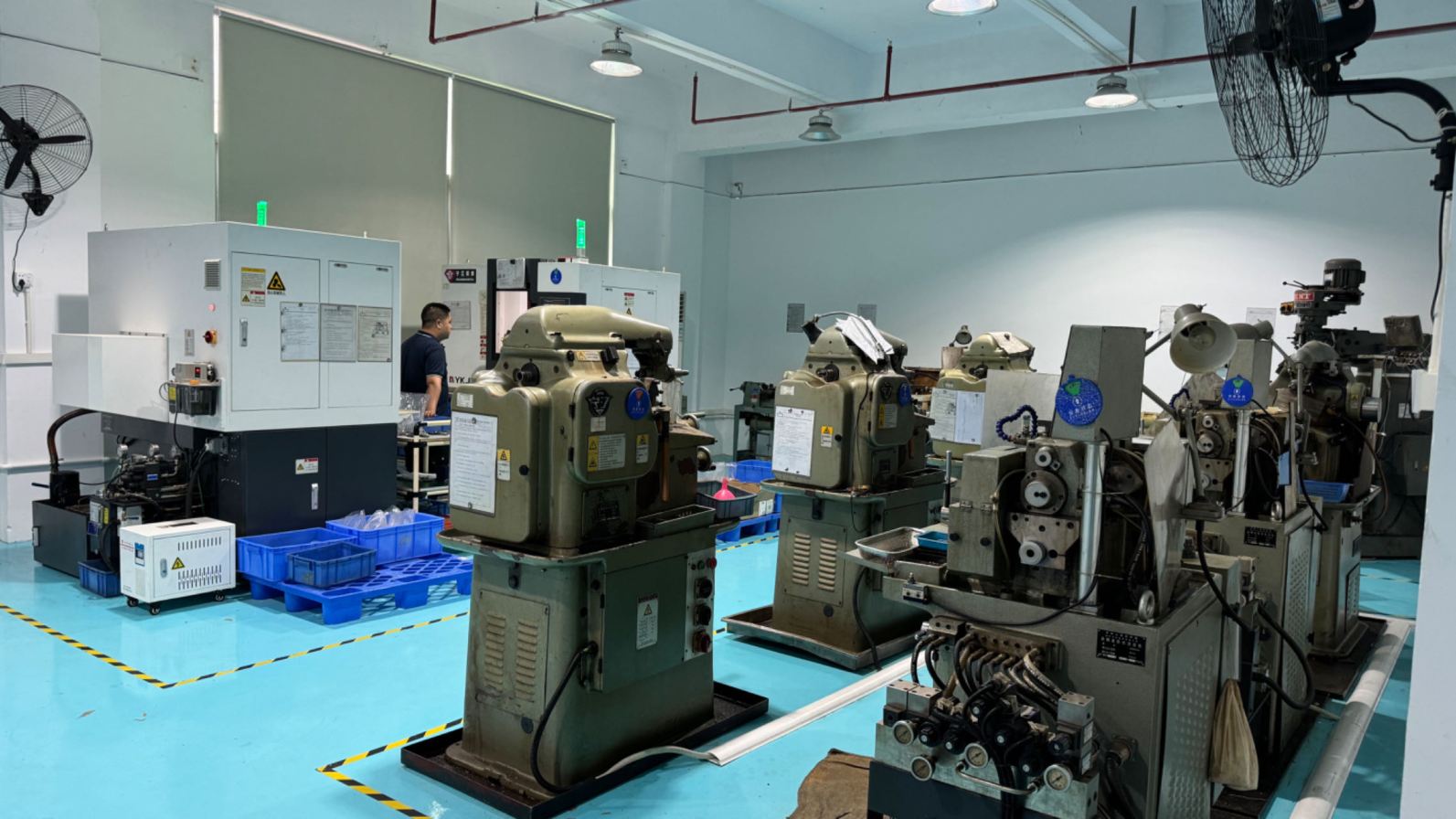
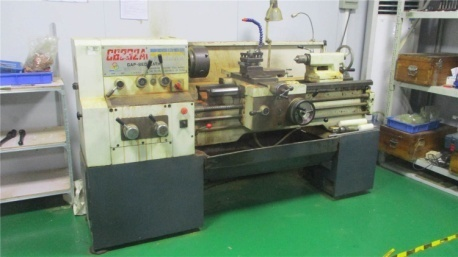
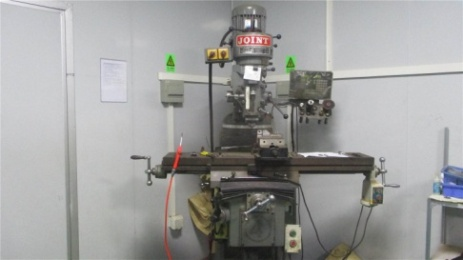
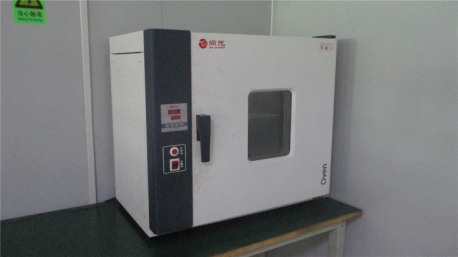
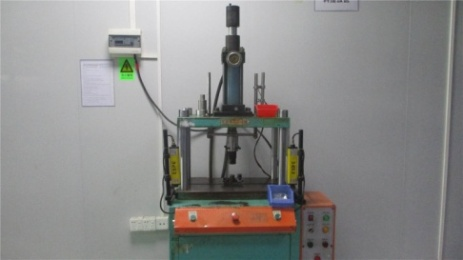
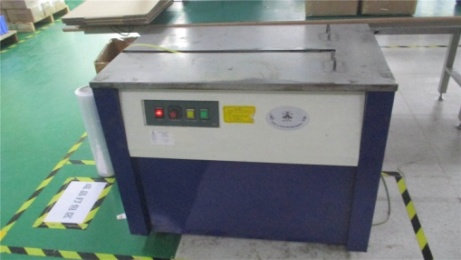
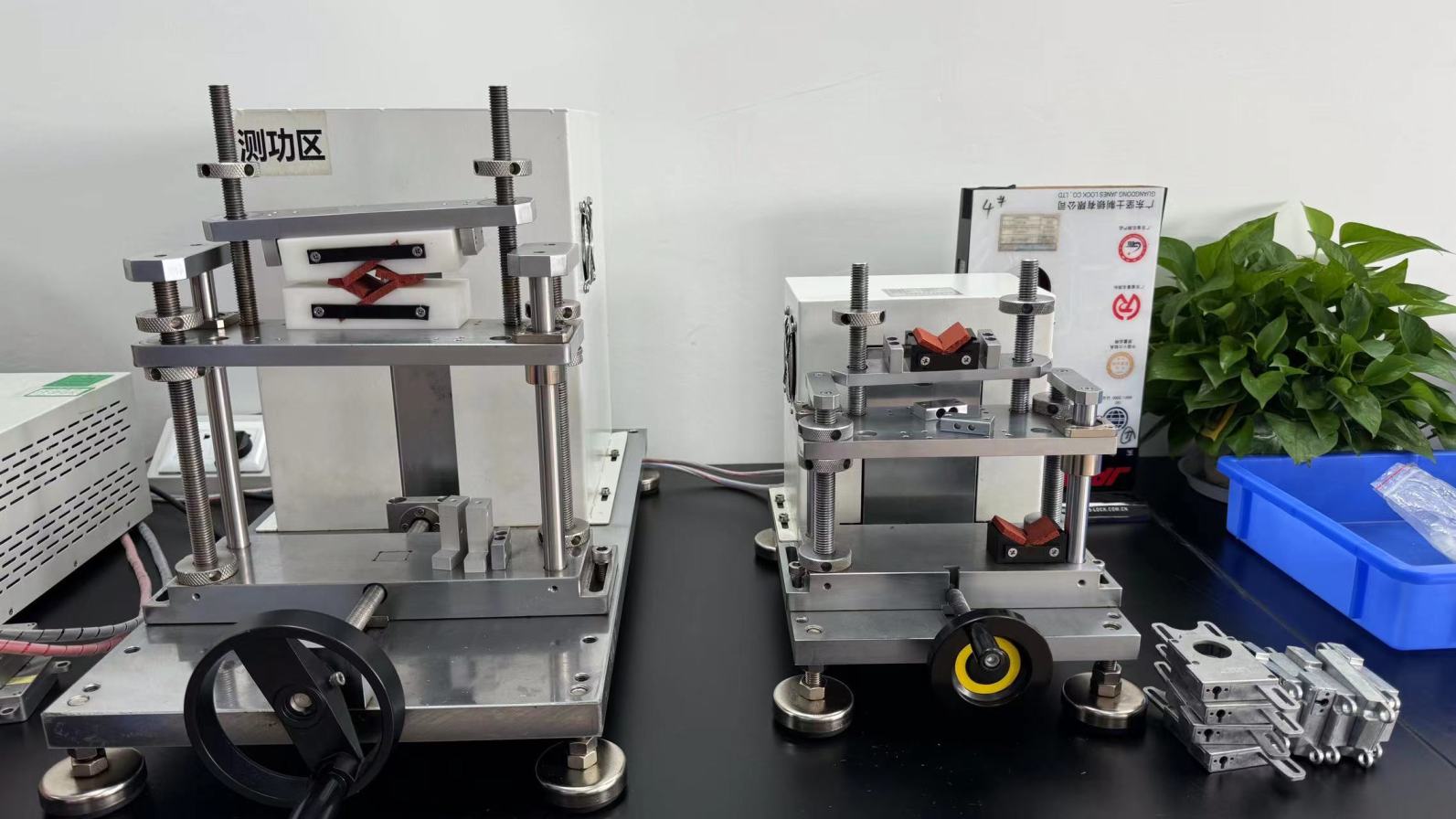
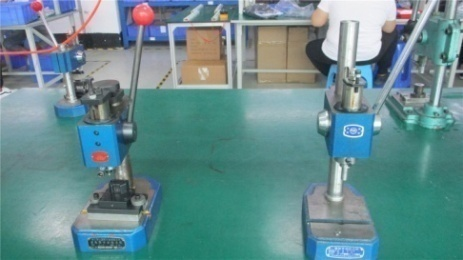
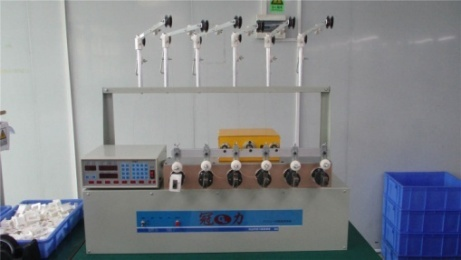
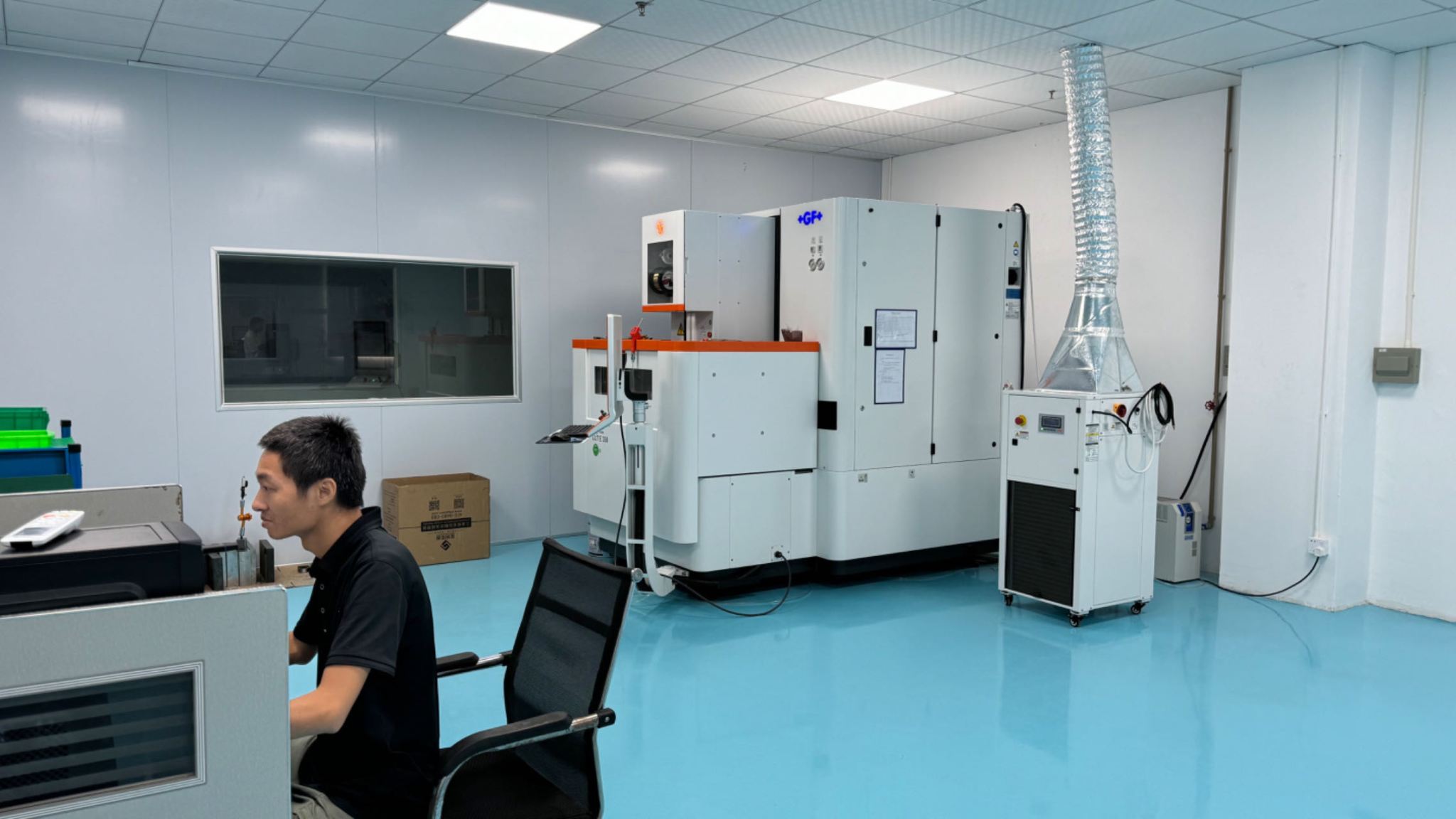
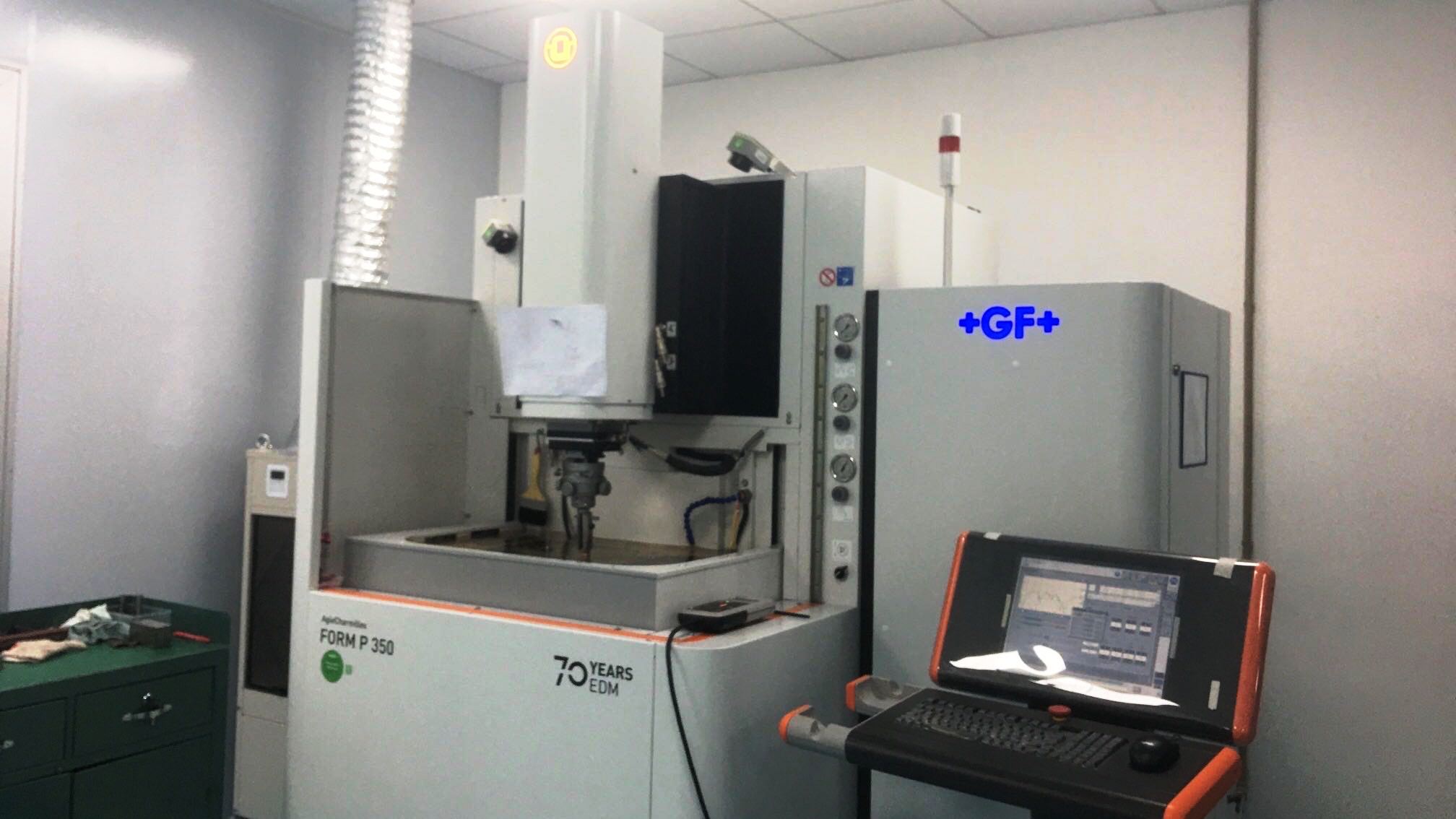
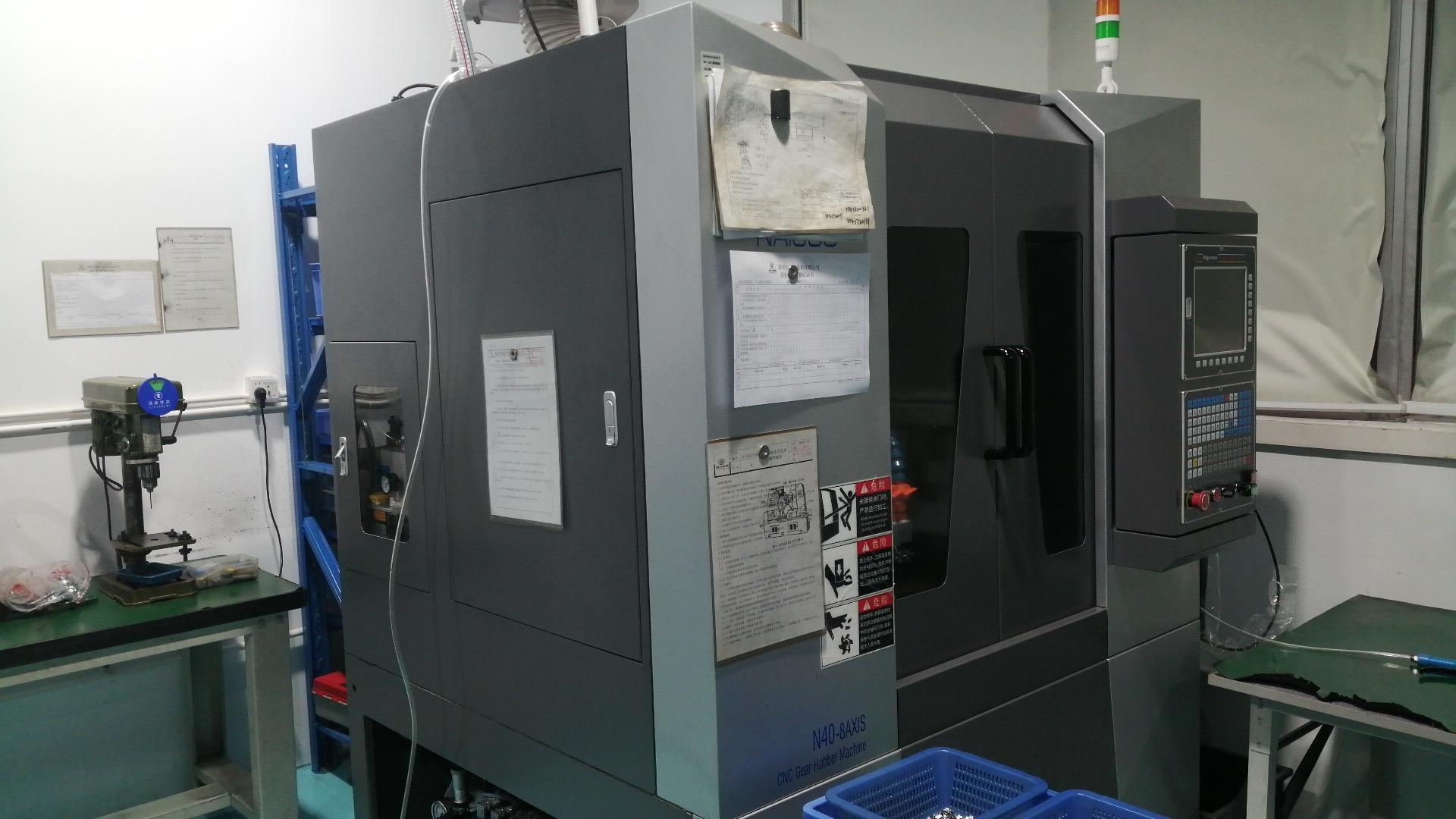
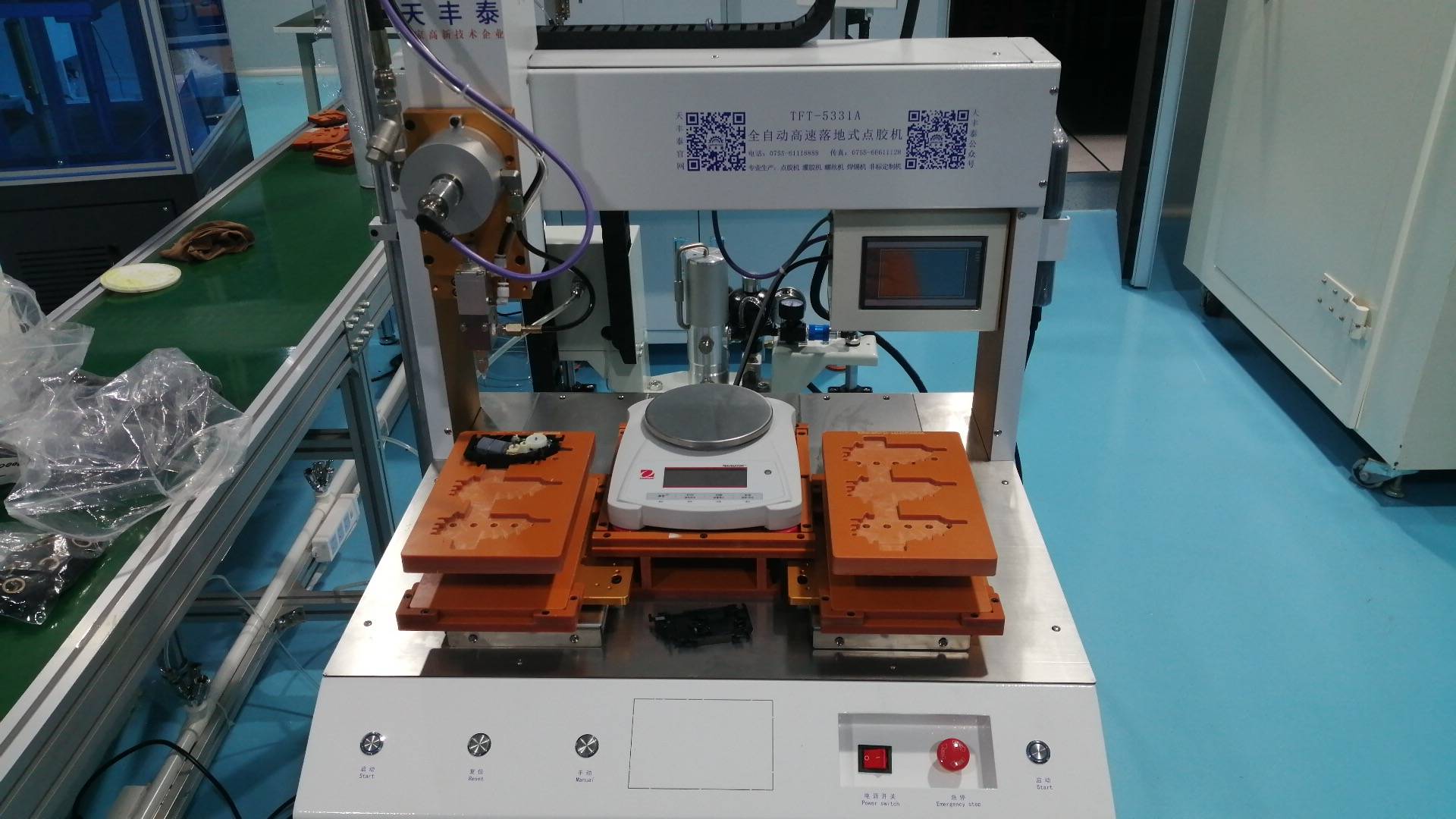
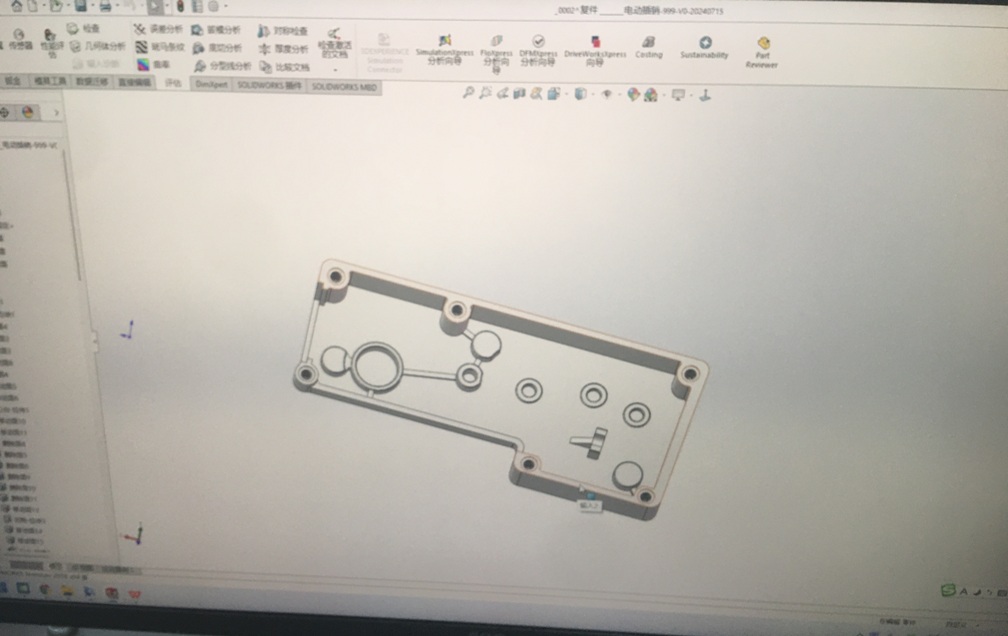
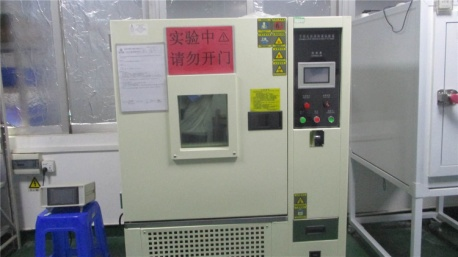
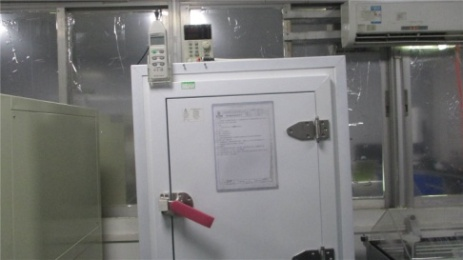
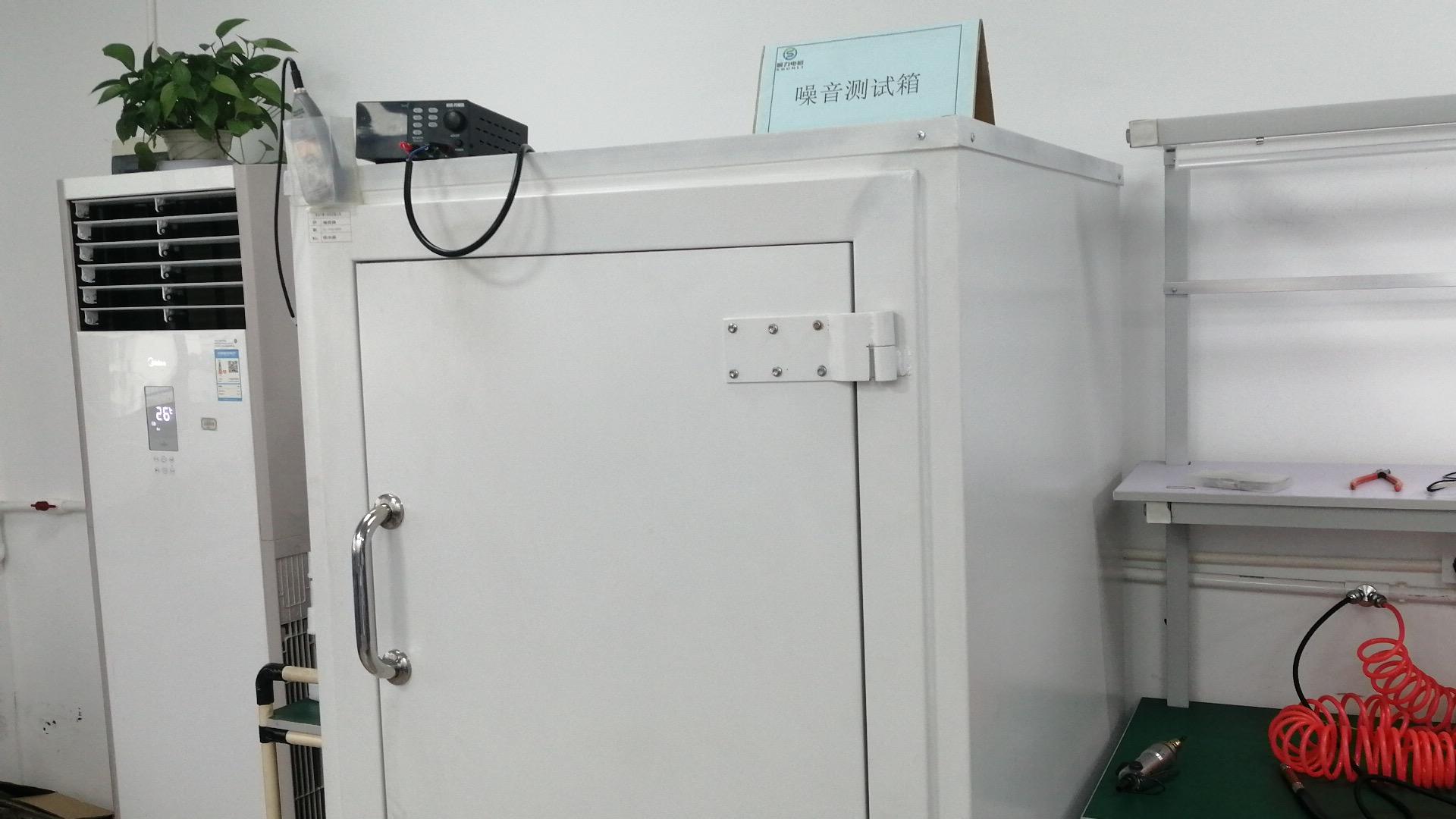
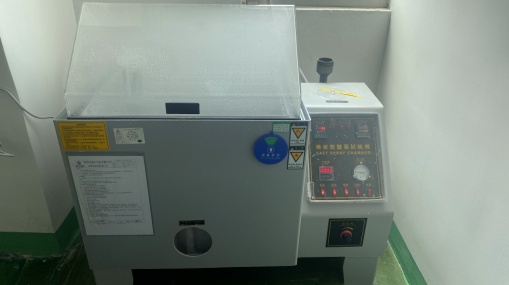
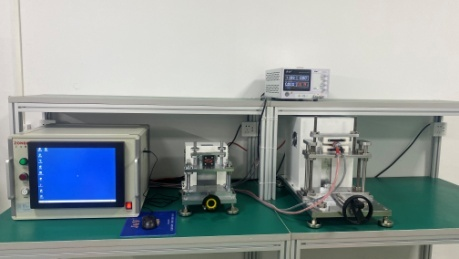
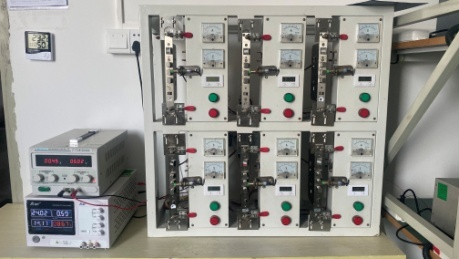
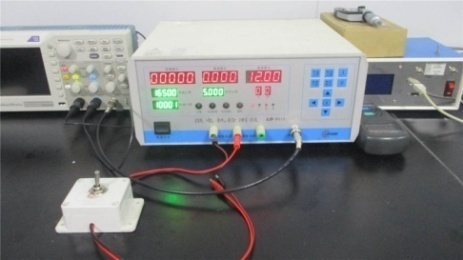
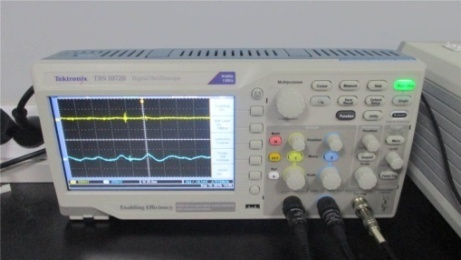
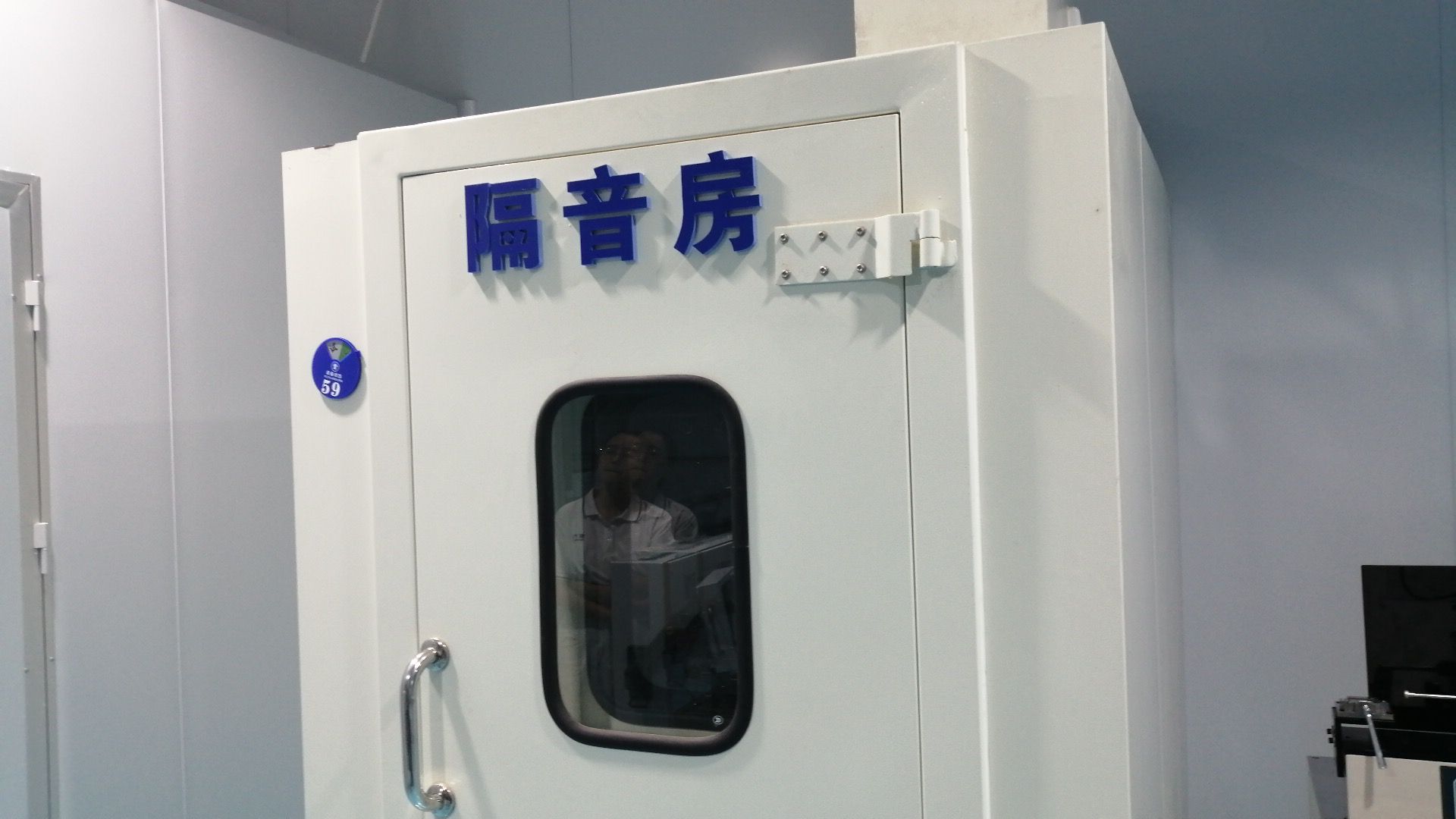
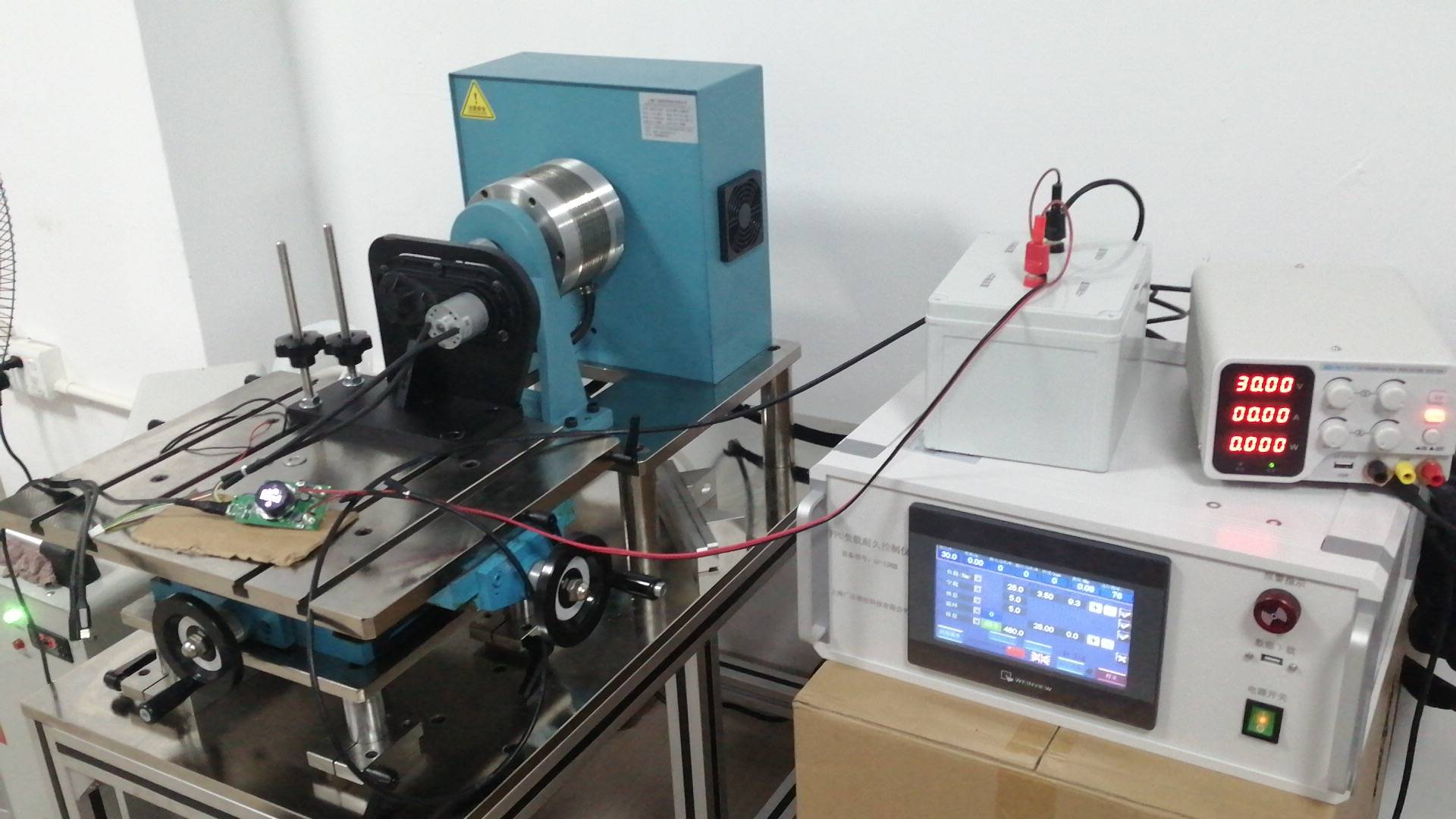
Before leaving the factory, each custom motor undergoes several environmental and functional stress tests. Quality control is integrated into every phase of production rather than treated as a final checklist. Below are the environmental chambers and measurement systems used to qualify and verify performance:
Micro DC motors and brushless gear assemblies are critical components in many high-precision industries. By understanding the mechanical challenges of each application, we design custom systems to handle specific operational demands.
Modern electric vehicles (EVs) require compact, high-torque actuators for thermal management valves, active aerodynamic shutters, electronic steering columns, and automated door latch systems. Our 36mm planetary gearbox designs are engineered to handle high transient torque and wide temperature fluctuations (-40°C to 125°C), ensuring long-term reliability in automotive applications.
Medical applications, such as surgical robots, peristaltic pumps, and diagnostic analyzers, require high positional accuracy, low electromagnetic interference (EMI), and compact motor profiles. By utilizing custom brushless slotless motor designs combined with high-resolution magnetic or optical encoders, we help medical device manufacturers achieve smooth operation at low speeds.
Smart logistics, warehouse automation, and Automated Guided Vehicles (AGVs) rely on compact drive modules to navigate warehouses and sort parcels. Our integrated planetary gear brushless motors provide high radial load capabilities, allowing compact AGVs to carry heavy payloads and maintain accurate position control in narrow aisles.
From smart locks and motorized window treatments to high-efficiency HVAC air purifiers, consumers expect quiet operation and low energy consumption. Our customized shaded pole AC motors and quiet micro DC gearboxes are designed to meet strict noise limits (under 30dBA) while maintaining long operational lifetimes.
Addressing the common design, engineering, and manufacturing questions asked by B2B buyers and product designers during the design phase.
The operational lifetime of a brushed DC motor is limited by the wear of the carbon brushes and the commutator, typically lasting between 1,000 to 3,000 hours under rated load conditions. In contrast, a Brushless DC (BLDC) motor eliminates mechanical contact between brushes and the rotor. The mechanical wear is shifted to the high-speed ball bearings. As a result, a quality BLDC motor can achieve a operating life exceeding 20,000 hours, limited only by bearing wear and lubrication life.
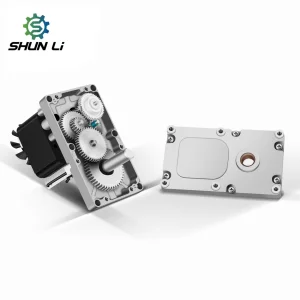
Planetary gearboxes share the mechanical load across multiple planet gears, which provides high torque density, high efficiency (typically 90% or more per stage), and resistance to radial forces. They are ideal for applications requiring high torque in a compact package. Spur gearboxes are simpler, cost-effective, and suitable for low-torque, low-speed applications. However, they have lower load capacities and can be noisier at higher speeds due to tooth engagement patterns.
Sensorless Field-Oriented Control (FOC) uses sinusoidal currents to control the motor's magnetic field. This produces smooth rotation with minimal torque ripple, low acoustic noise, and high dynamic efficiency. By eliminating physical Hall-effect sensors, it reduces wiring complexity and point-of-failure risks. However, sensorless FOC requires more processing power from the driver and may need custom tuning to ensure reliable startup under heavy loads.
We provide extensive customization options for B2B applications. This includes shaft design (flat D-cuts, cross-drilled holes, external splines, or custom keyways), winding profiles (optimizing Kv/torque constants for specific operating voltages), custom gear ratios, custom wire harness connectors, and environmental upgrades. Environmental upgrades can include IP-rated dust and moisture protection, low or high-temperature lubrication, and vacuum-rated outgassing preparation.
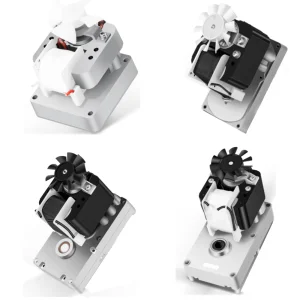
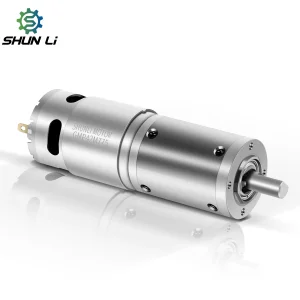
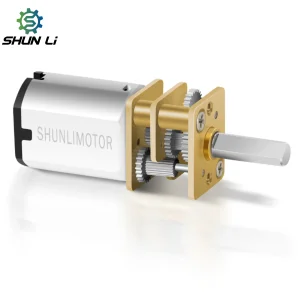
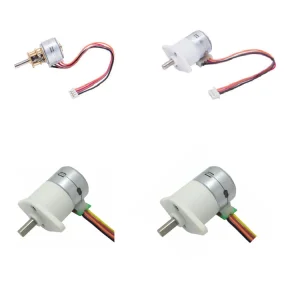
Heavy-duty planetary gear reductions, AC shaded pole systems, and precision sub-assembly motor modules designed to meet strict B2B operating specifications.
 Syncdrive Motor