Explore our premium range of industrial-grade DC worm gear motors configured for smart automation and micro-mechanical applications.
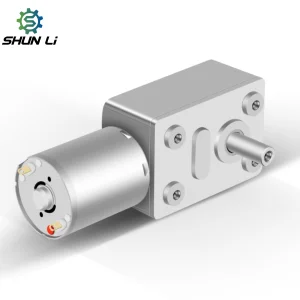
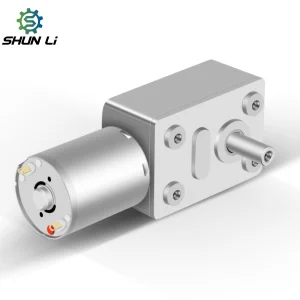
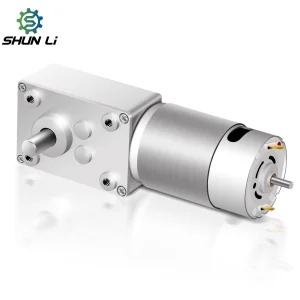
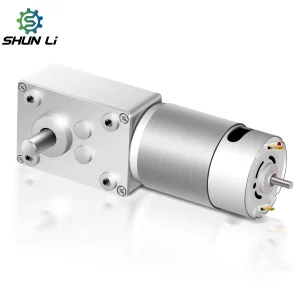
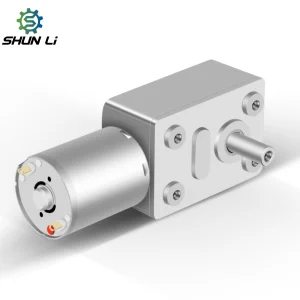
Every groundbreaking smart device needs a reliable pulse. Syncdrive Motor designs and manufactures high-efficiency micro-drives that serve as the invisible, robust core inside next-generation robotics, smart home applications, and aerospace medical tools worldwide.
We operate on a simple philosophy: Engineered to last. Built to fit. By blending advanced automation with a passion for micro-engineering, Syncdrive Motor provides global B2B clients with the transparency of a local engineering partner and the massive scale advantages of a top-tier Chinese factory. We don't just sell motors; we build the core axis that keeps your business moving forward.
In modern industrial and smart home frameworks, the transition toward decentralized mechanical control requires actuator elements that offer both space-efficiency and high performance. The DC worm gear motor stands at the nexus of this trend, providing torque multiplication at a right-angle layout and enabling structural self-locking capabilities that traditional spur or helical gearboxes cannot supply. As manufacturers, our developmental paradigm prioritizes efficiency, thermal stability, and low noise profiles.

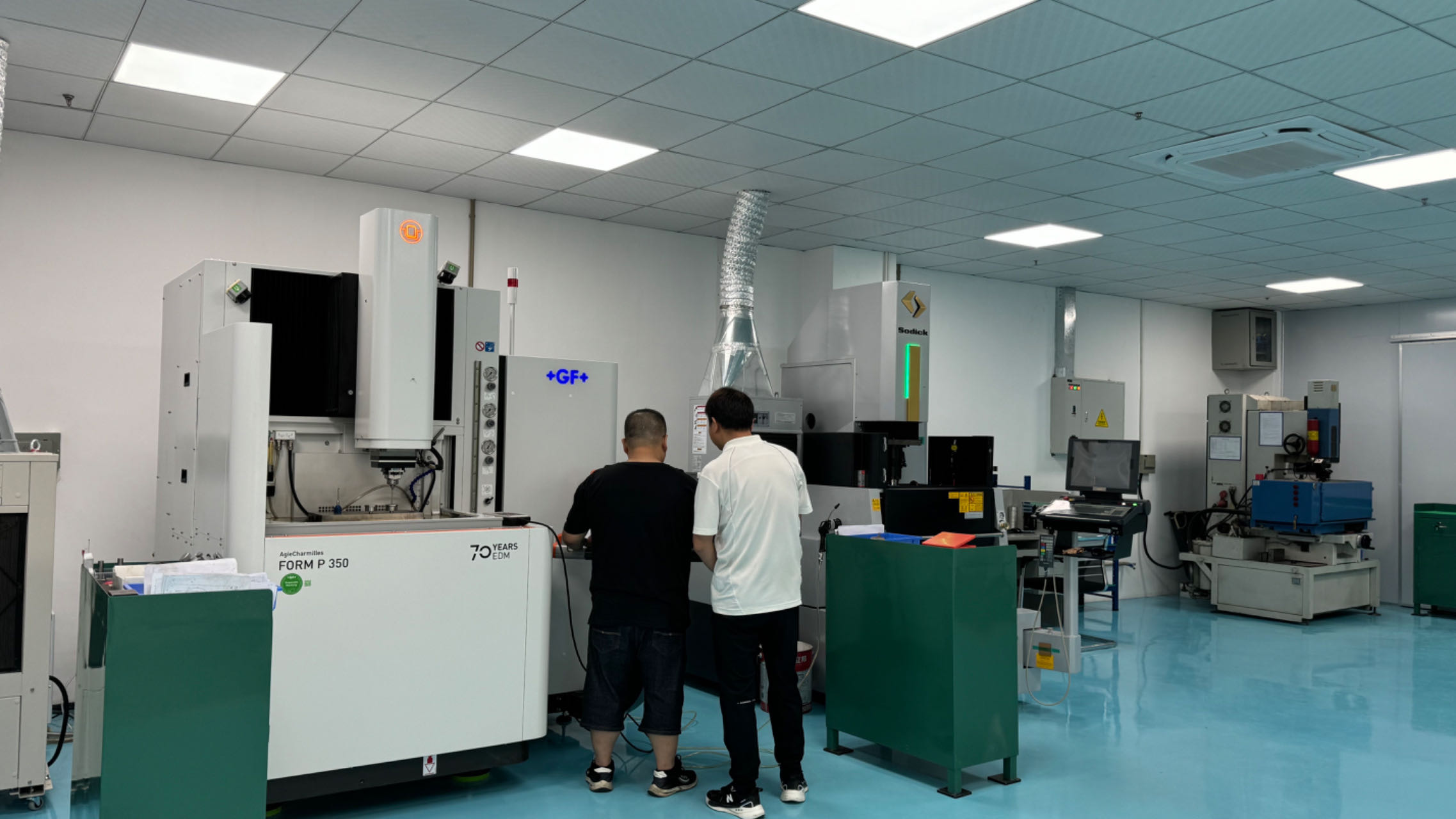
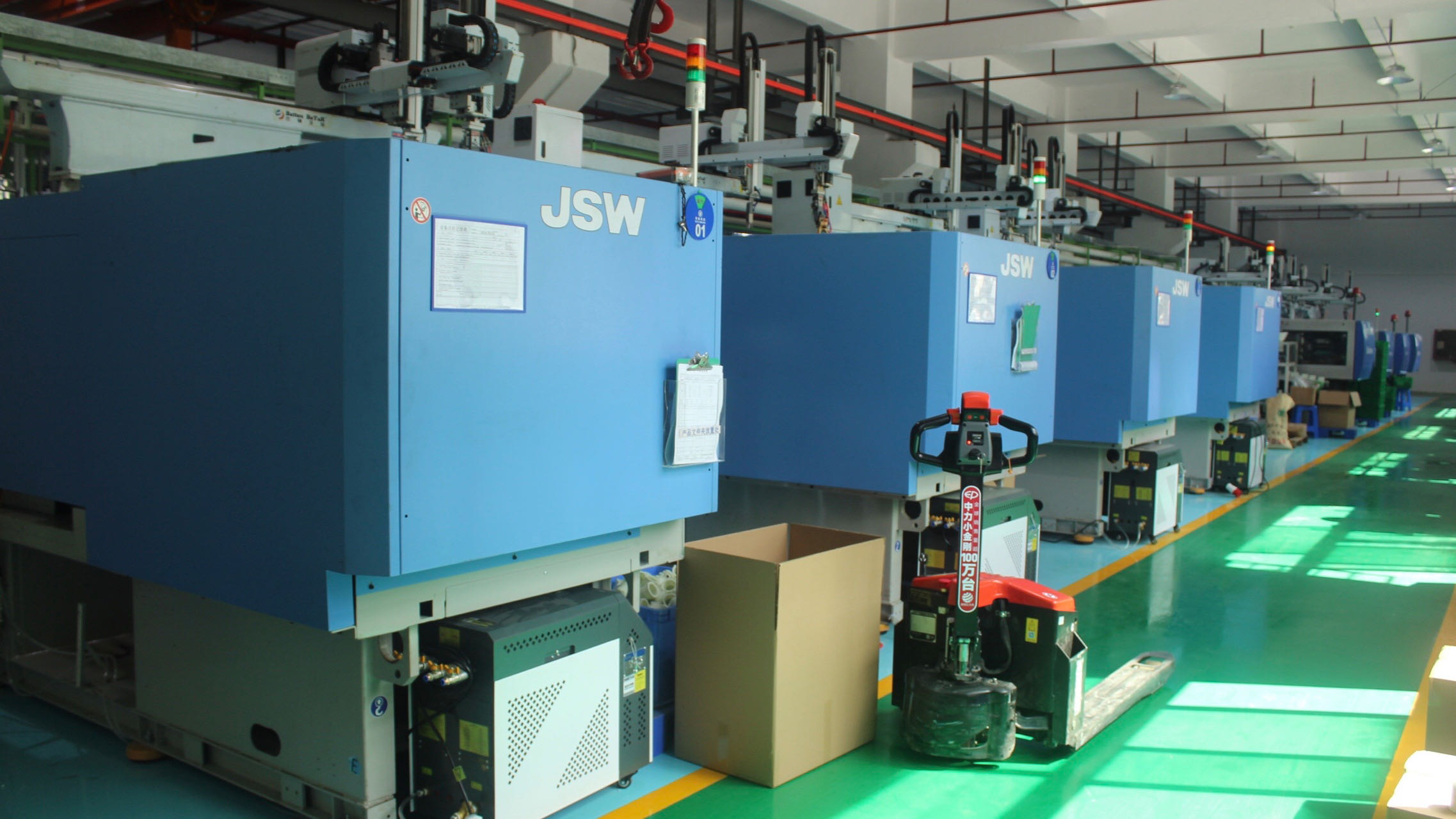
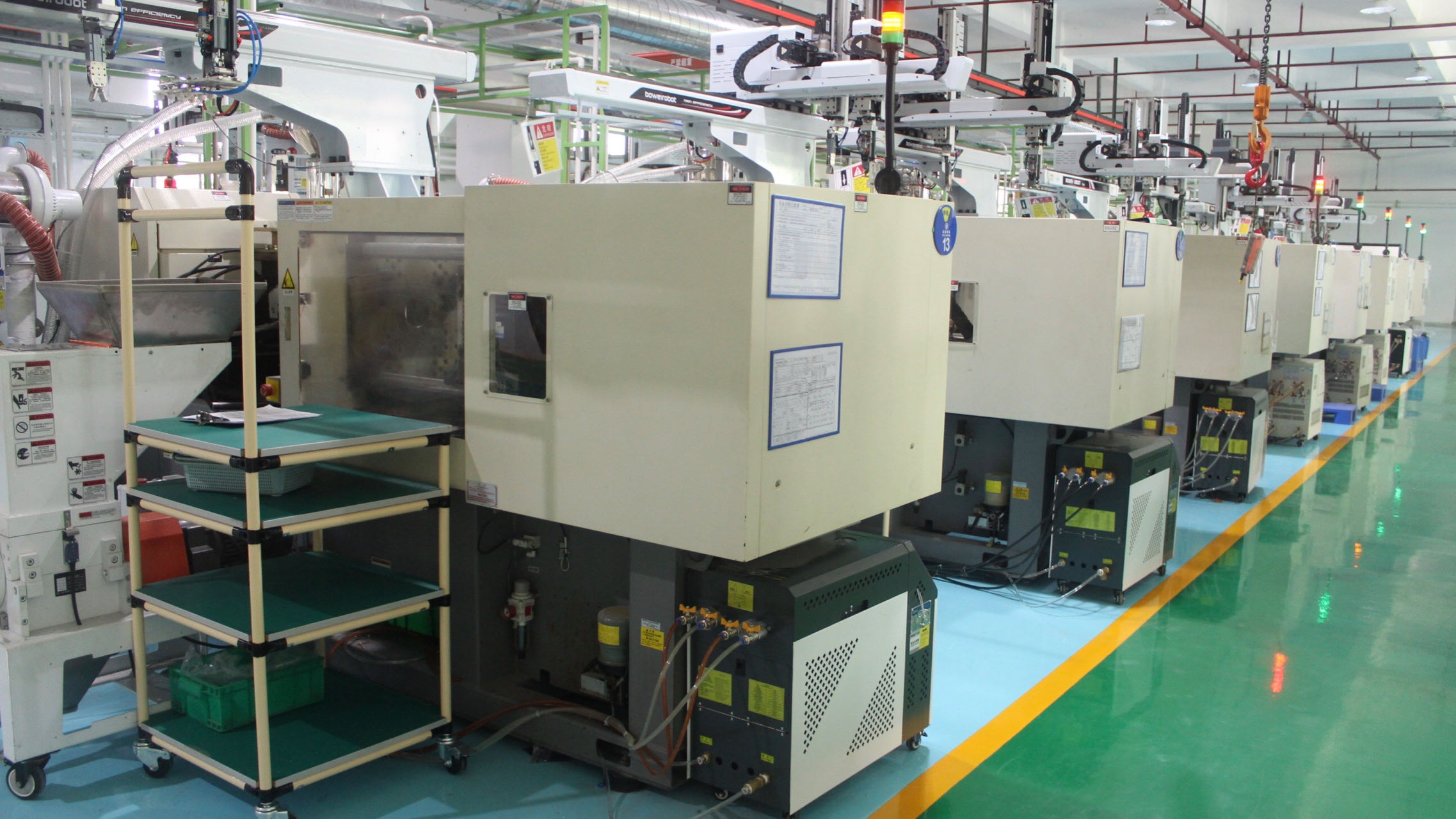
How shifting supply chains, digitalization, and mechanical integration govern B2B sourcing requirements.
The global demand for micro DC worm gear motors has evolved from simple rotational drive components to intelligent, network-integrated feedback actuators. Driven by the expansion of automated retail kiosks (vending systems), advanced medical diagnostic devices, building automation, and multi-axis service robots, procurement departments must now source solutions that satisfy precise motion criteria. Modern requirements demand higher power density in smaller envelopes, integrated speed feedback sensors (magnetic or optical encoders), fail-safe braking mechanisms, and communications compatibility with system microcontrollers.
One of the primary reasons system designers choose a worm gear layout is the self-locking characteristic. In applications like rolling medical tables, access control doors, and conveyor systems, maintaining position without power draws is a critical safety and energy-efficiency requirement. Standard gearboxes allow backdriving, meaning load weights can rotate the motor reverse-direction. Worm gear reduction prevents backdriving if the lead angle is sufficiently small, locking the output shaft under mechanical friction. A high-quality manufacturer designs the lead angle, tooth geometry, and material selection to guarantee self-locking performance over the entire mechanical lifecycle.
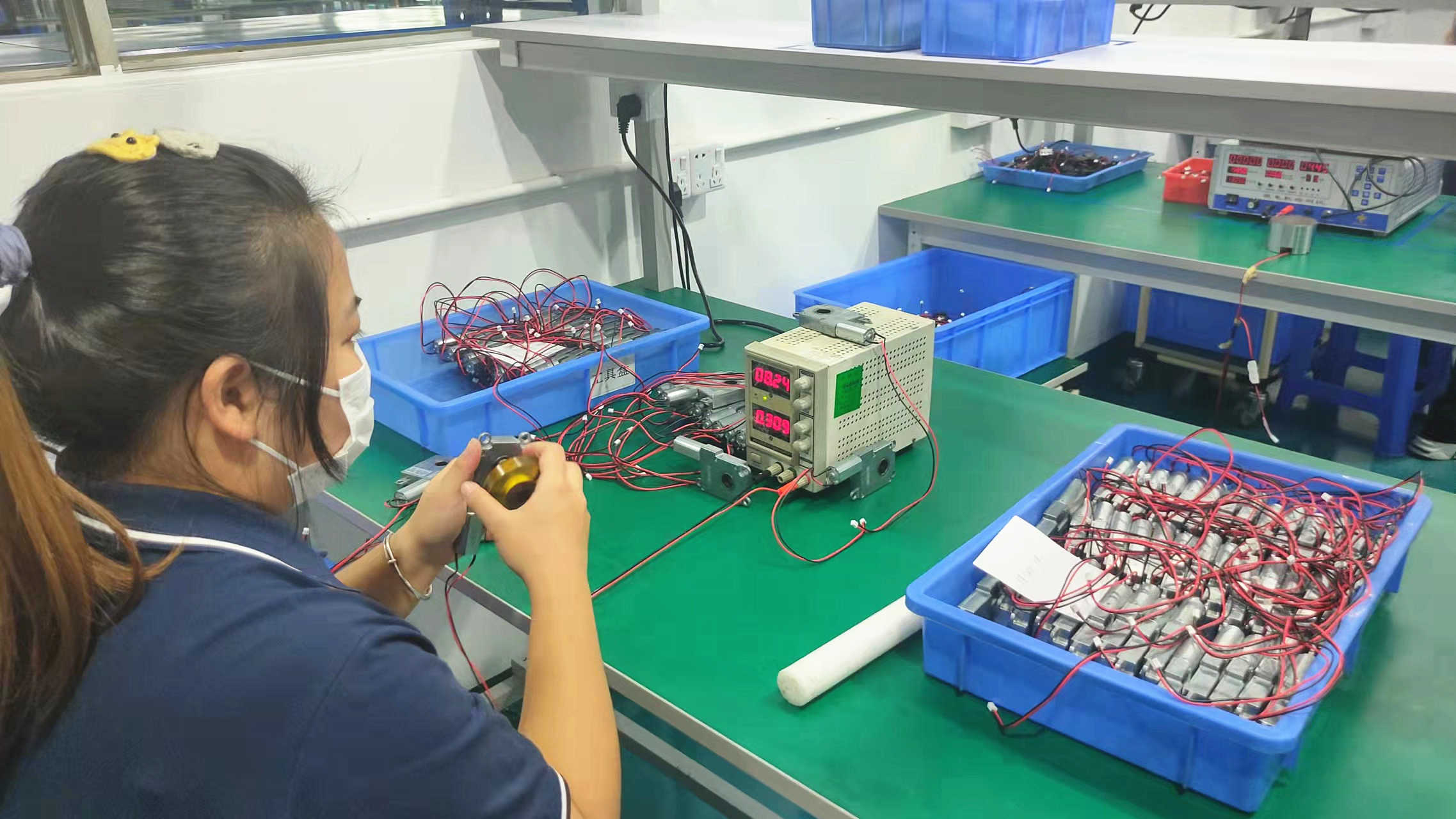
Off-the-shelf components rarely meet the optimal thermal, noise, or spatial envelopes of modern smart devices. Global B2B buyers now seek strategic manufacturing partners capable of co-developing solutions. Factors such as customized output shaft profiles (D-cuts, keyways, splines, or hollow bores), specific cable harnesses with dynamic sealing rings, and application-specific gear materials (bronze, brass, POM, nylon, or stainless steel) are key parameters defined during initial engineering phases. Sourcing directors rely on manufacturers who can deliver rapid prototyping, thorough reliability testing, and scaling pathways.
Combining advanced metallurgical control, automated micro-hobbing, and deep logistical resilience.
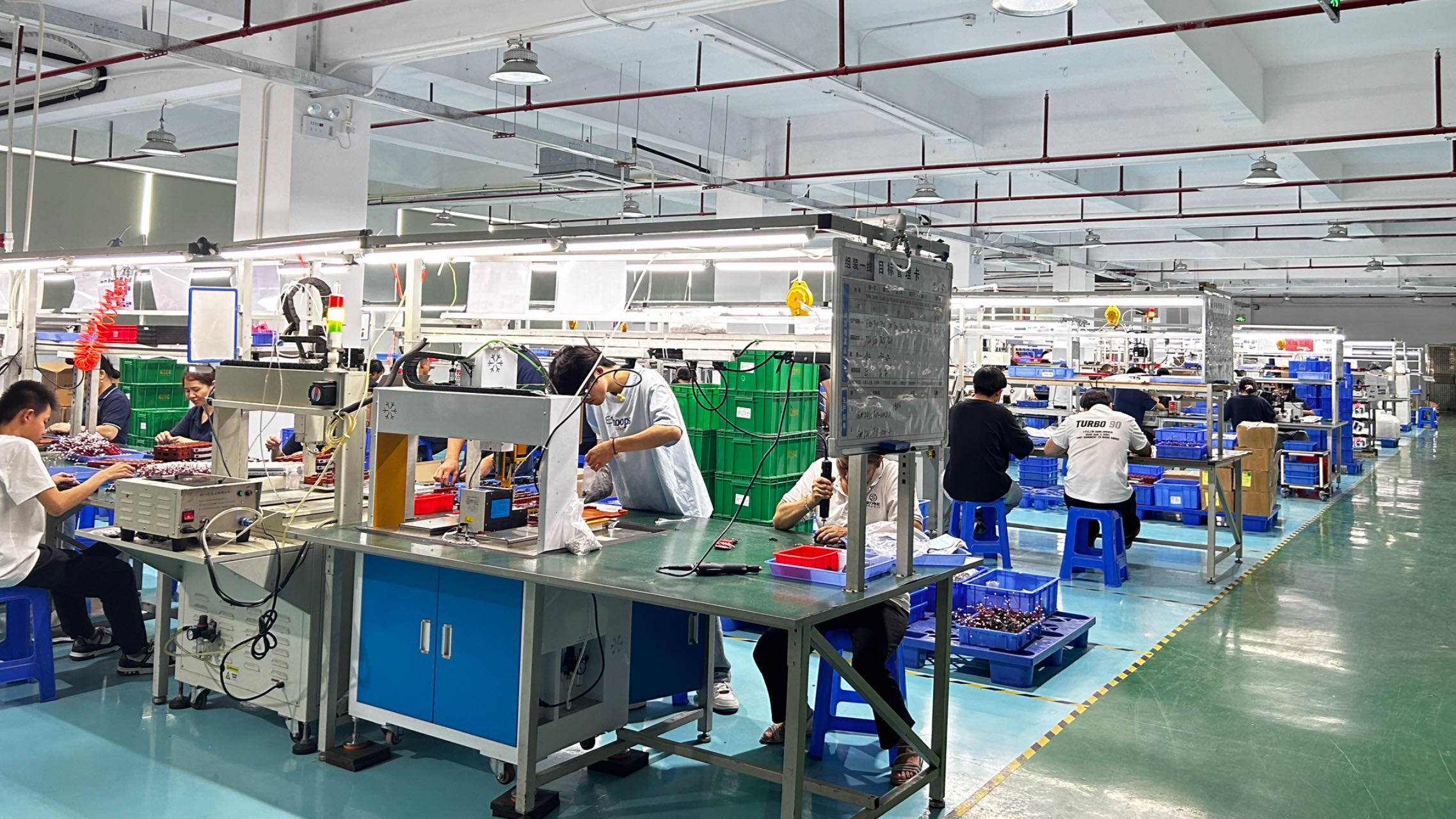
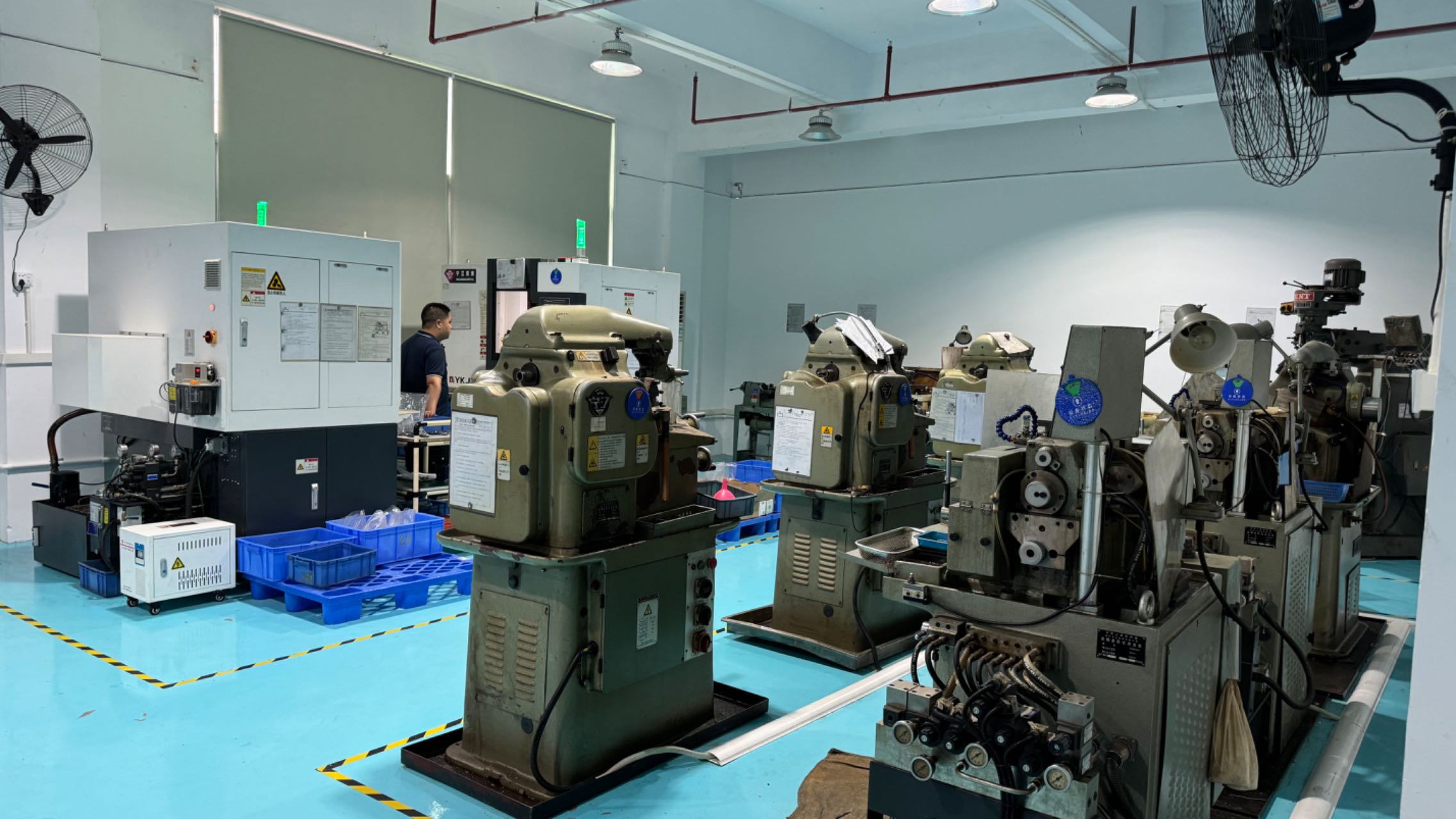
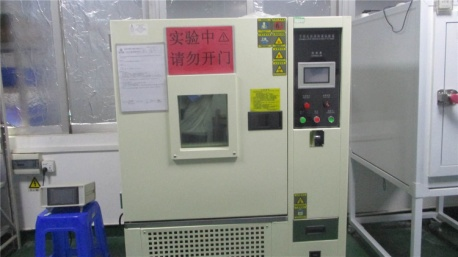
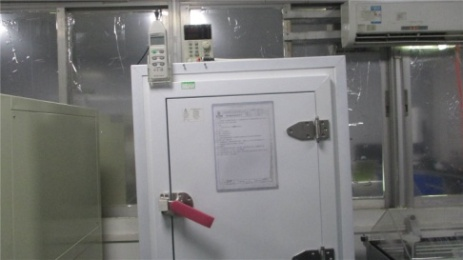
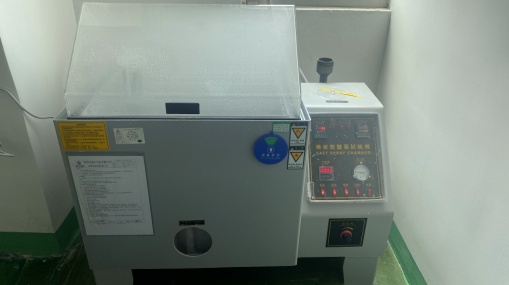
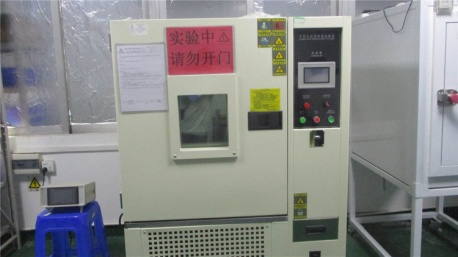
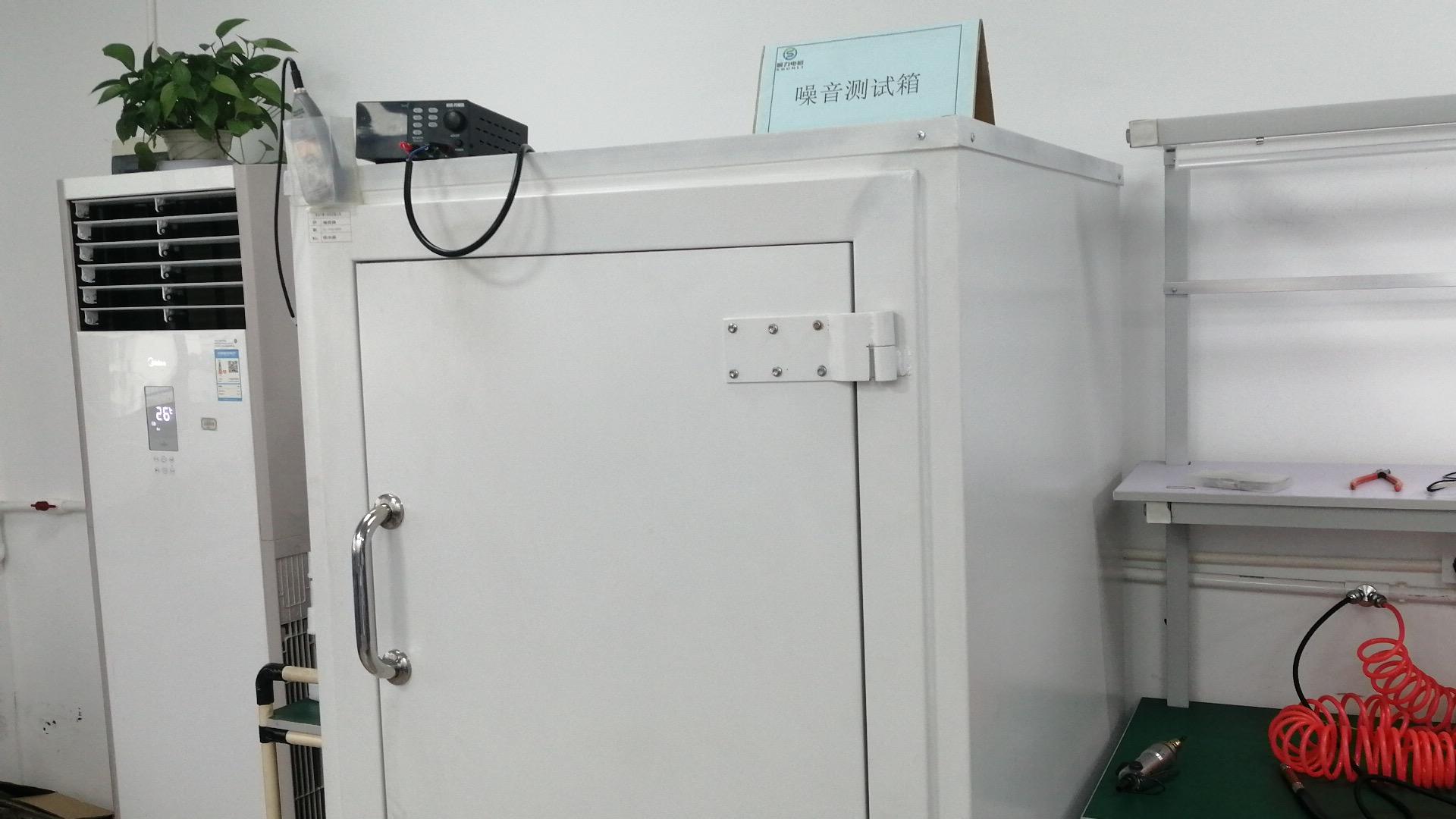
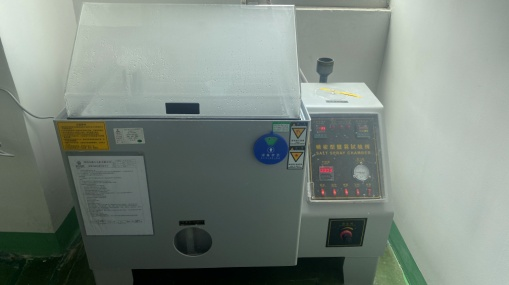
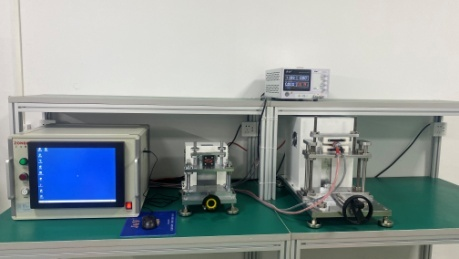
Modern Chinese manufacturing facilities have moved beyond low-cost, high-volume production. Today, factories like Syncdrive Motor integrate IoT monitoring systems, automated gear hobbing machinery, and rigorous environmental test procedures to meet global standards. This shift toward advanced automation, often called Industry 4.0, provides distinct advantages for B2B buyers:

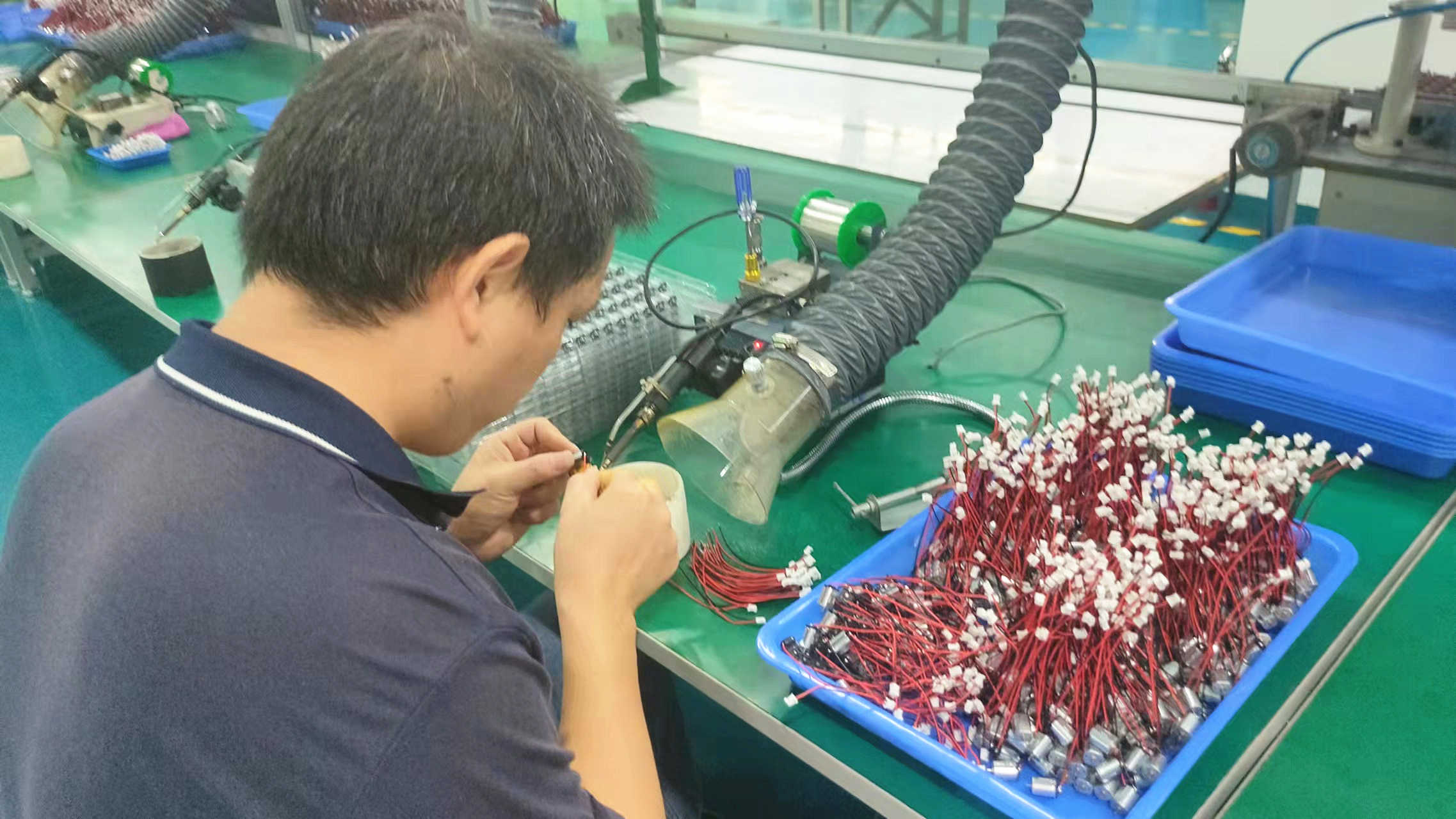
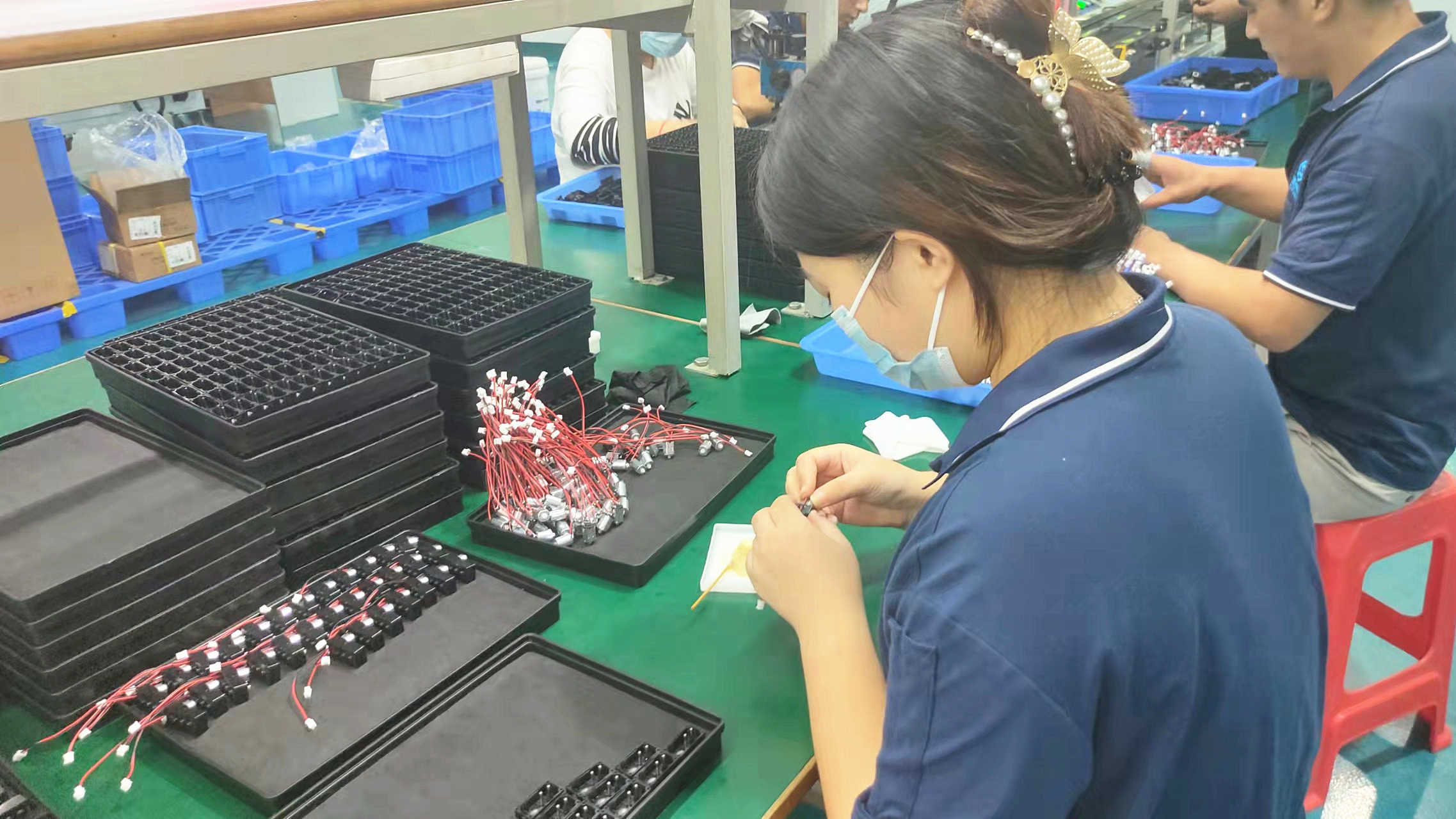
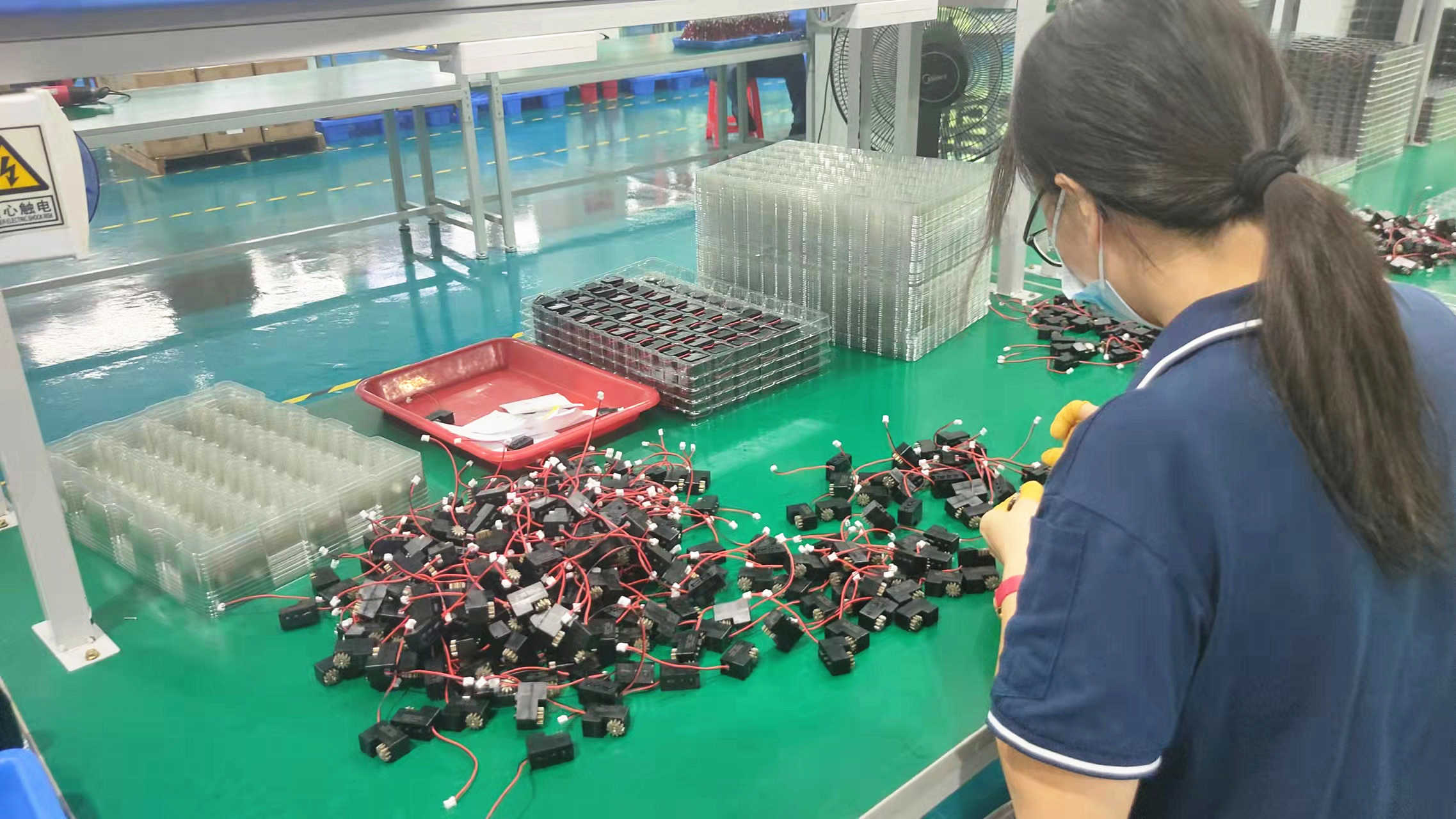
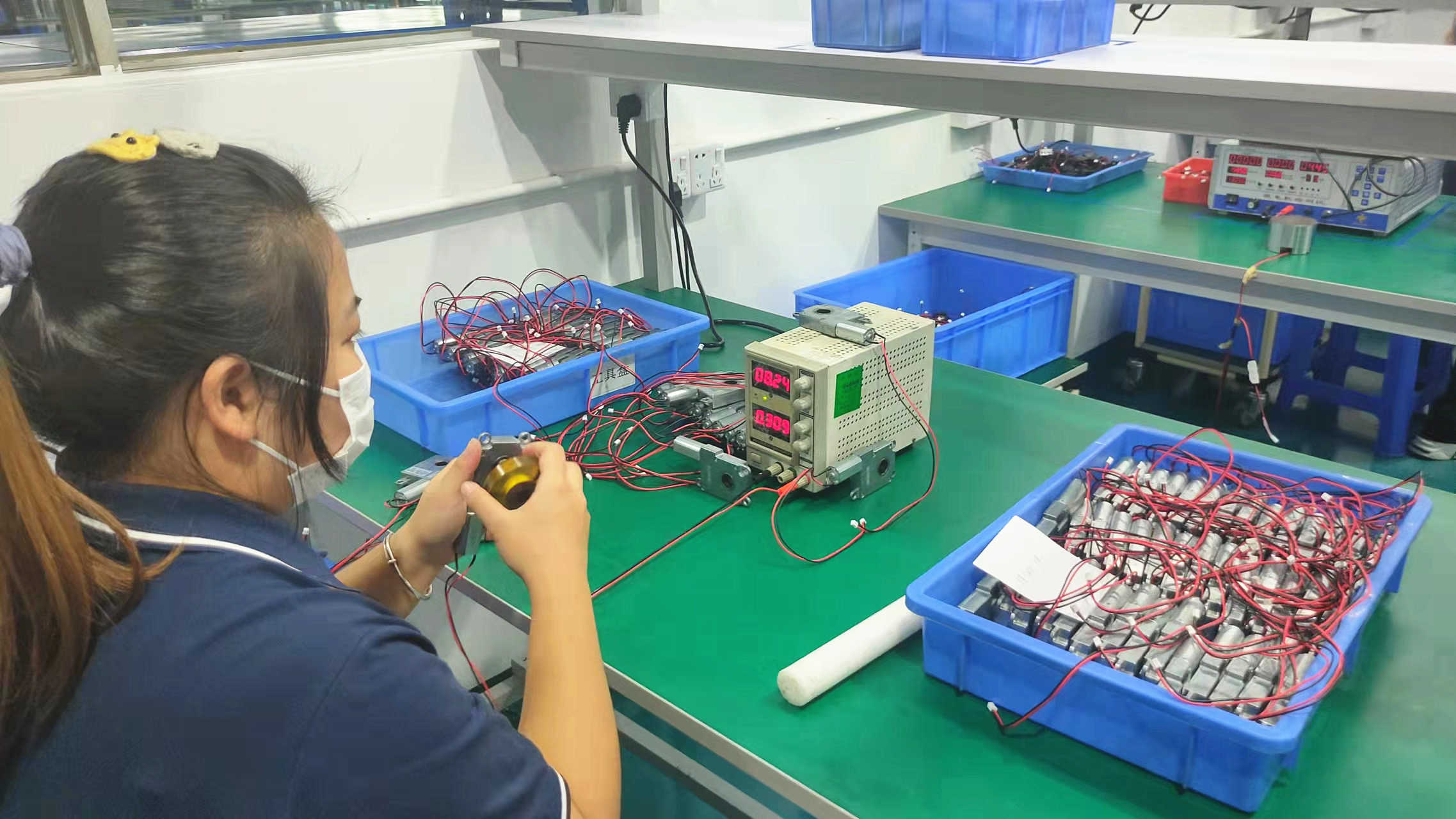
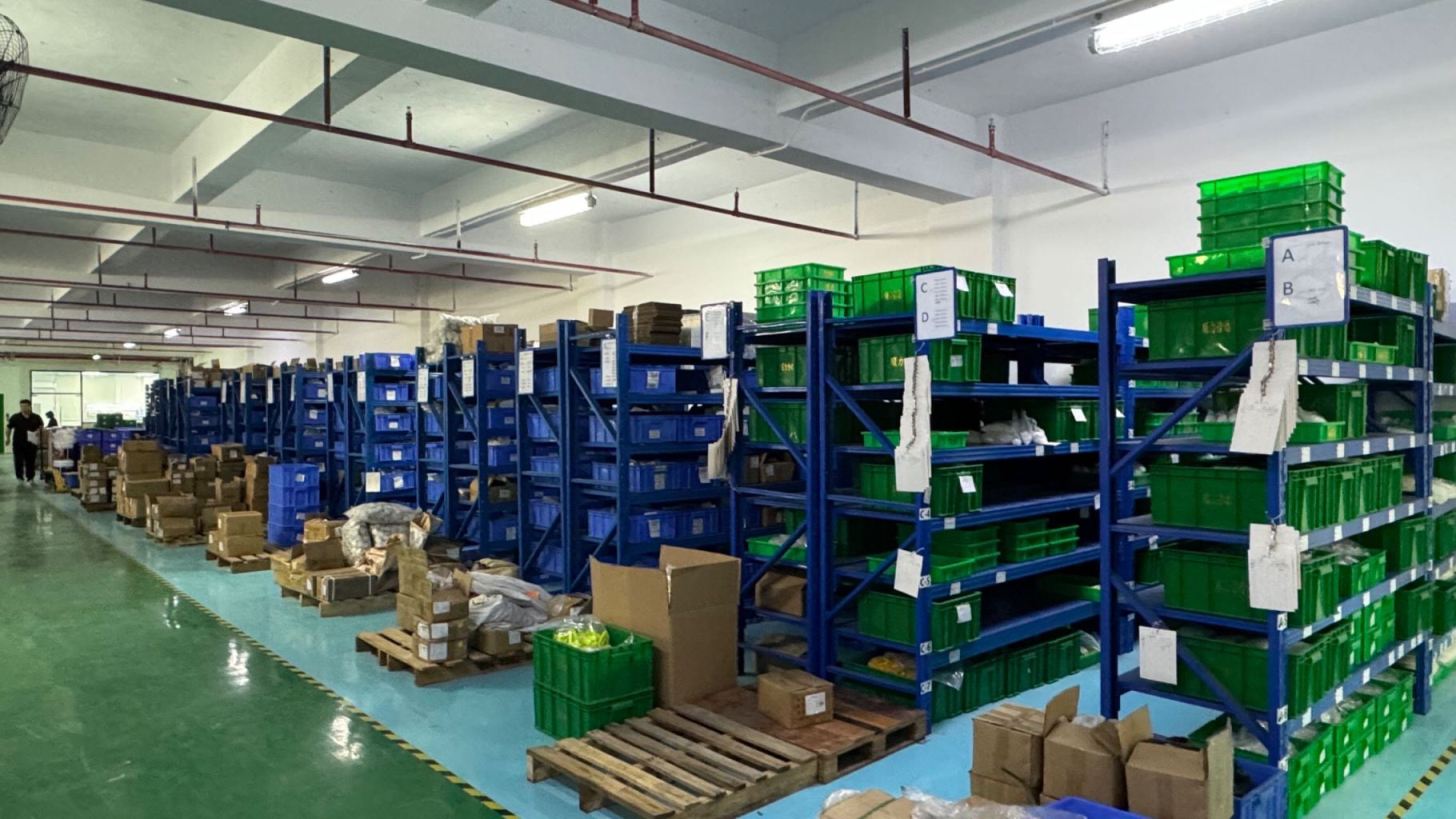
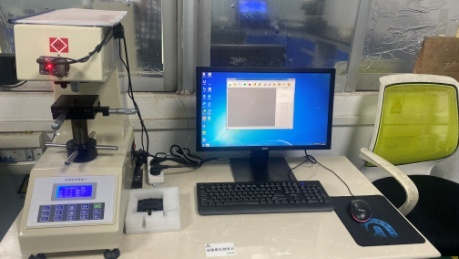
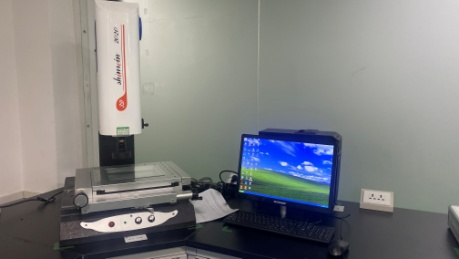
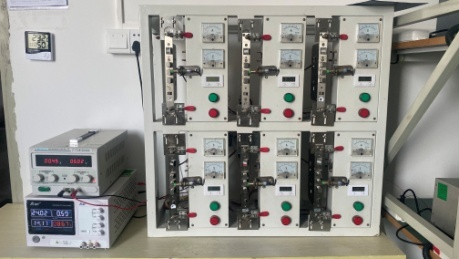
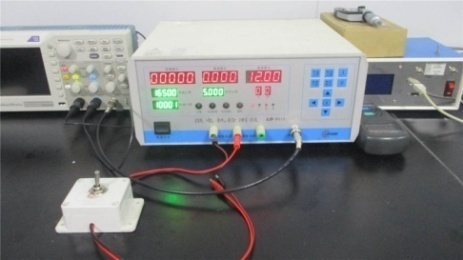
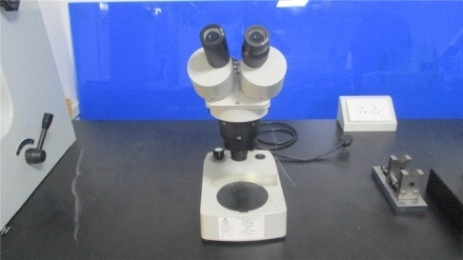
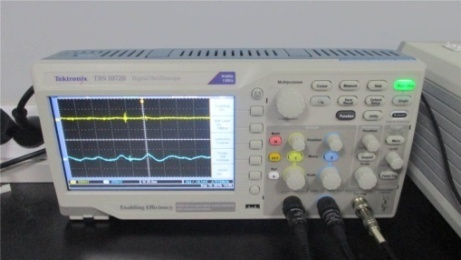
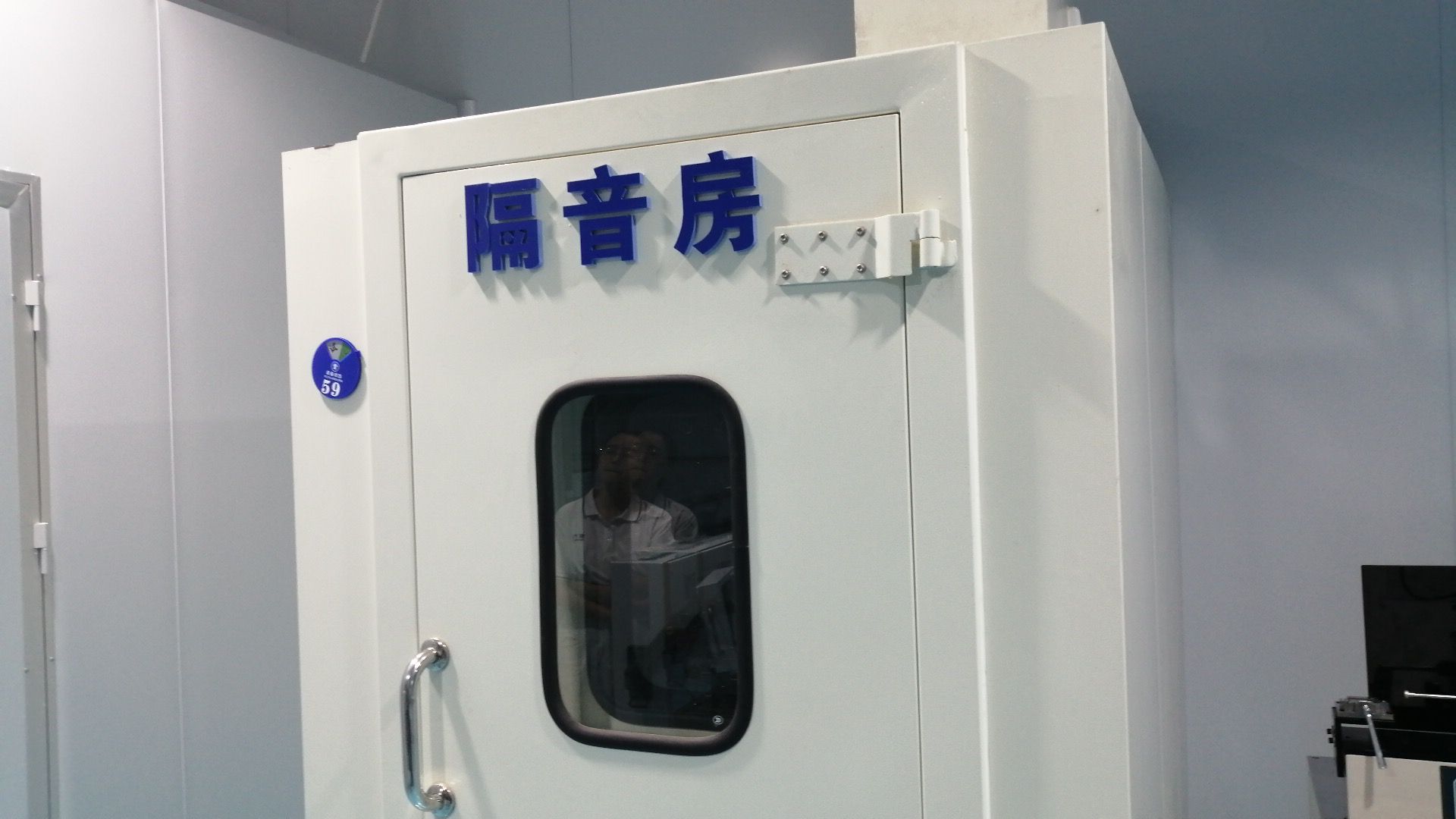
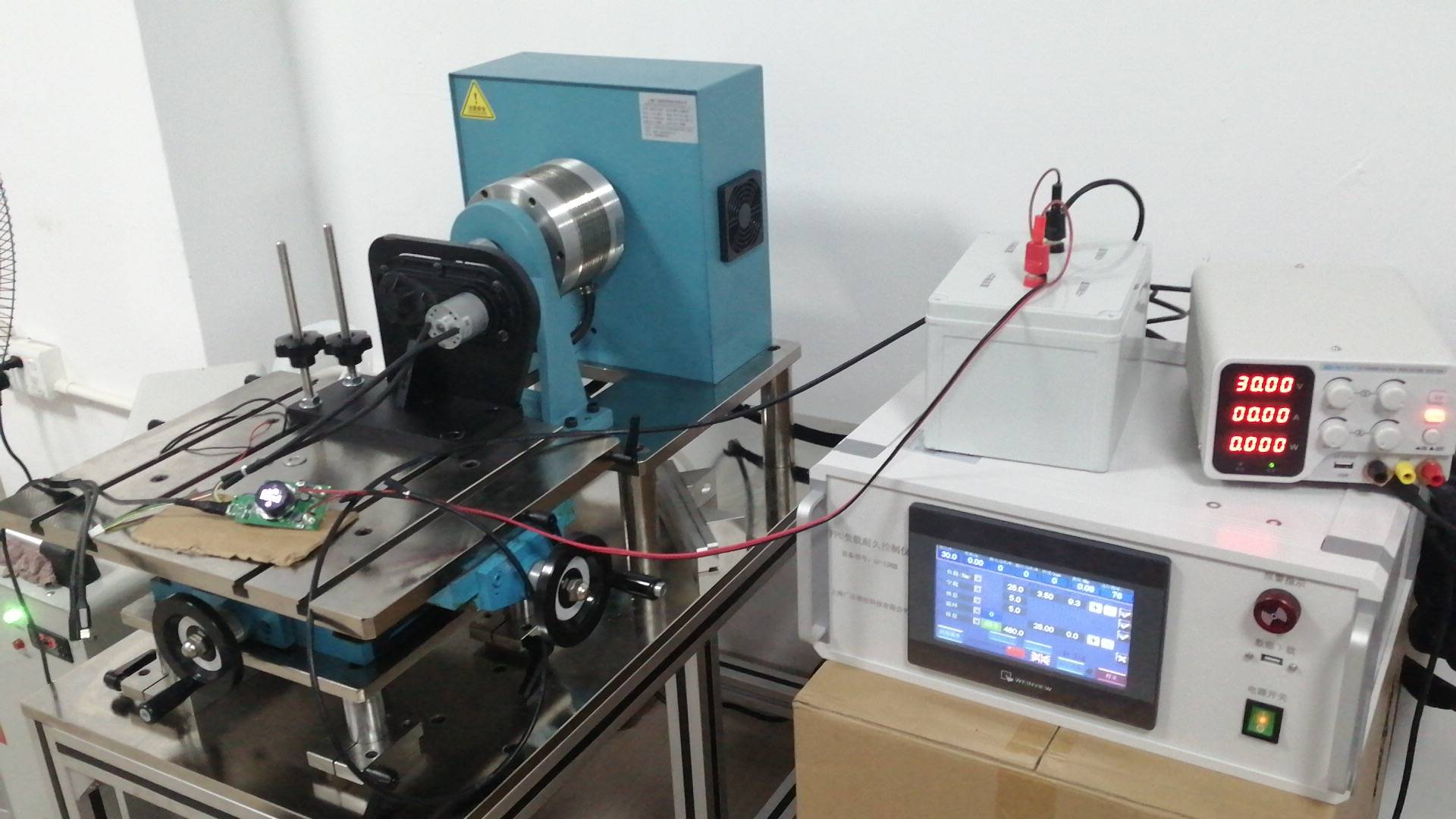
A closer look at the advanced machinery that drives our high-precision tolerances and scale output.
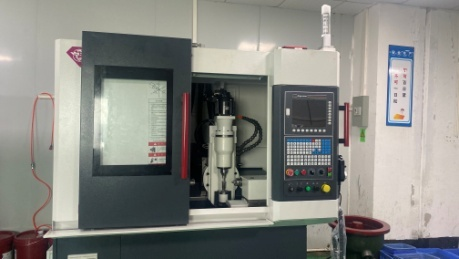
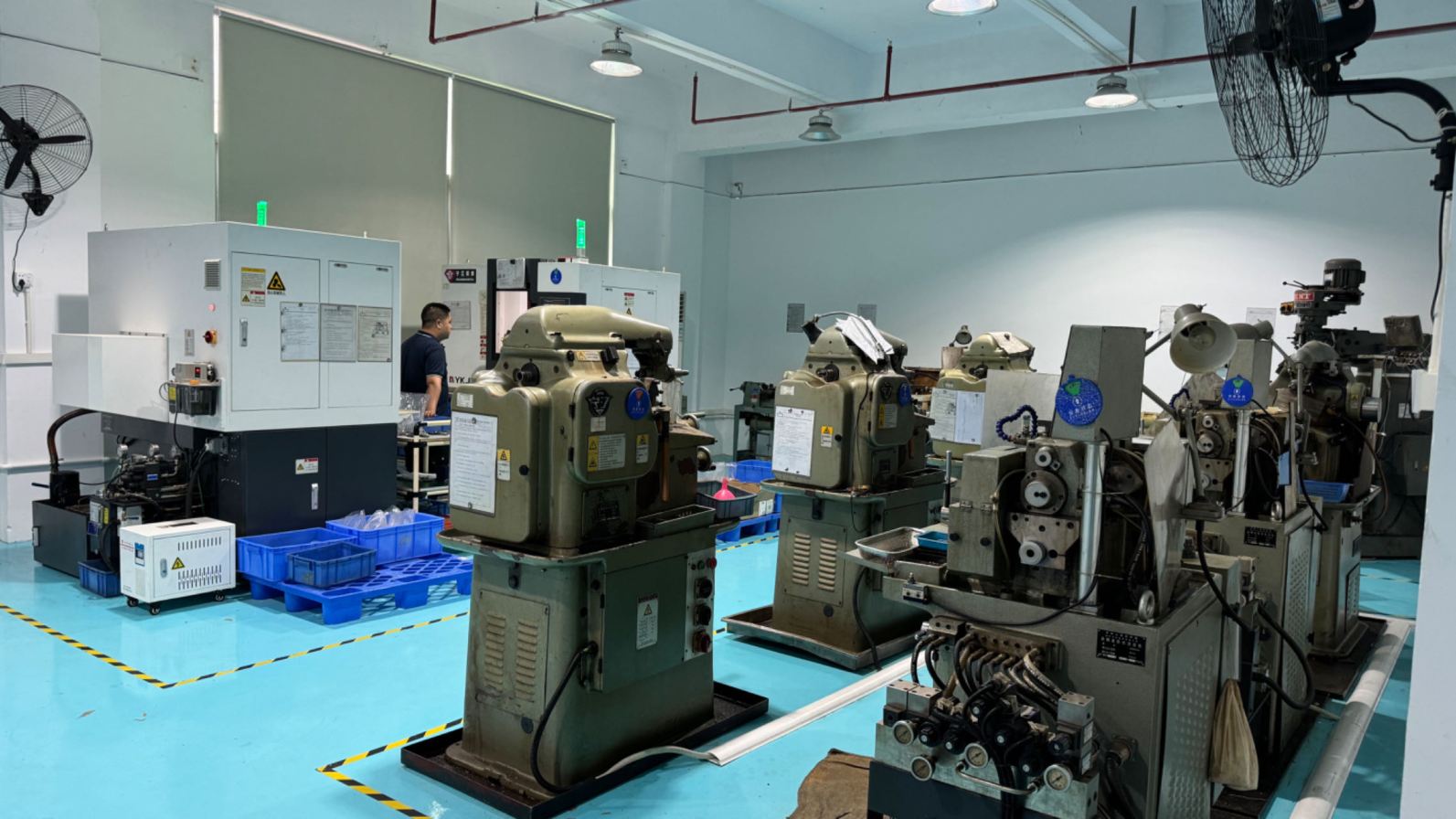
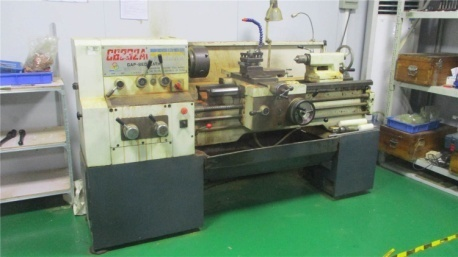
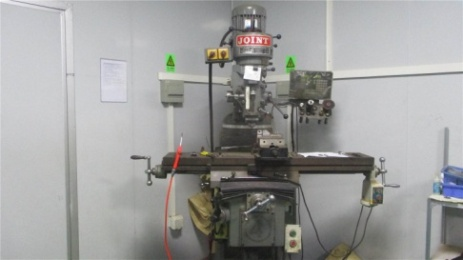
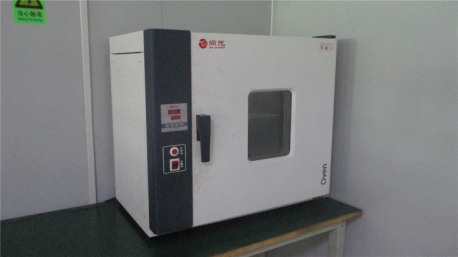
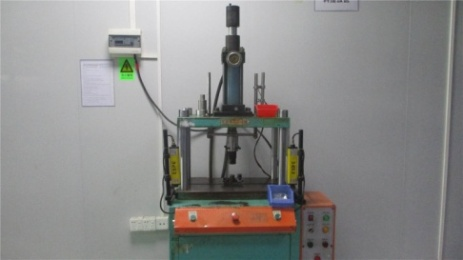
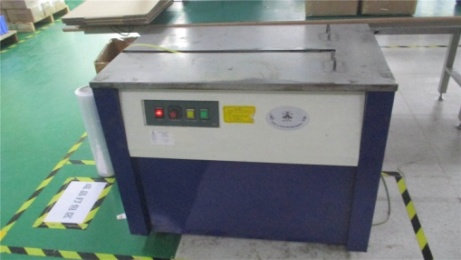
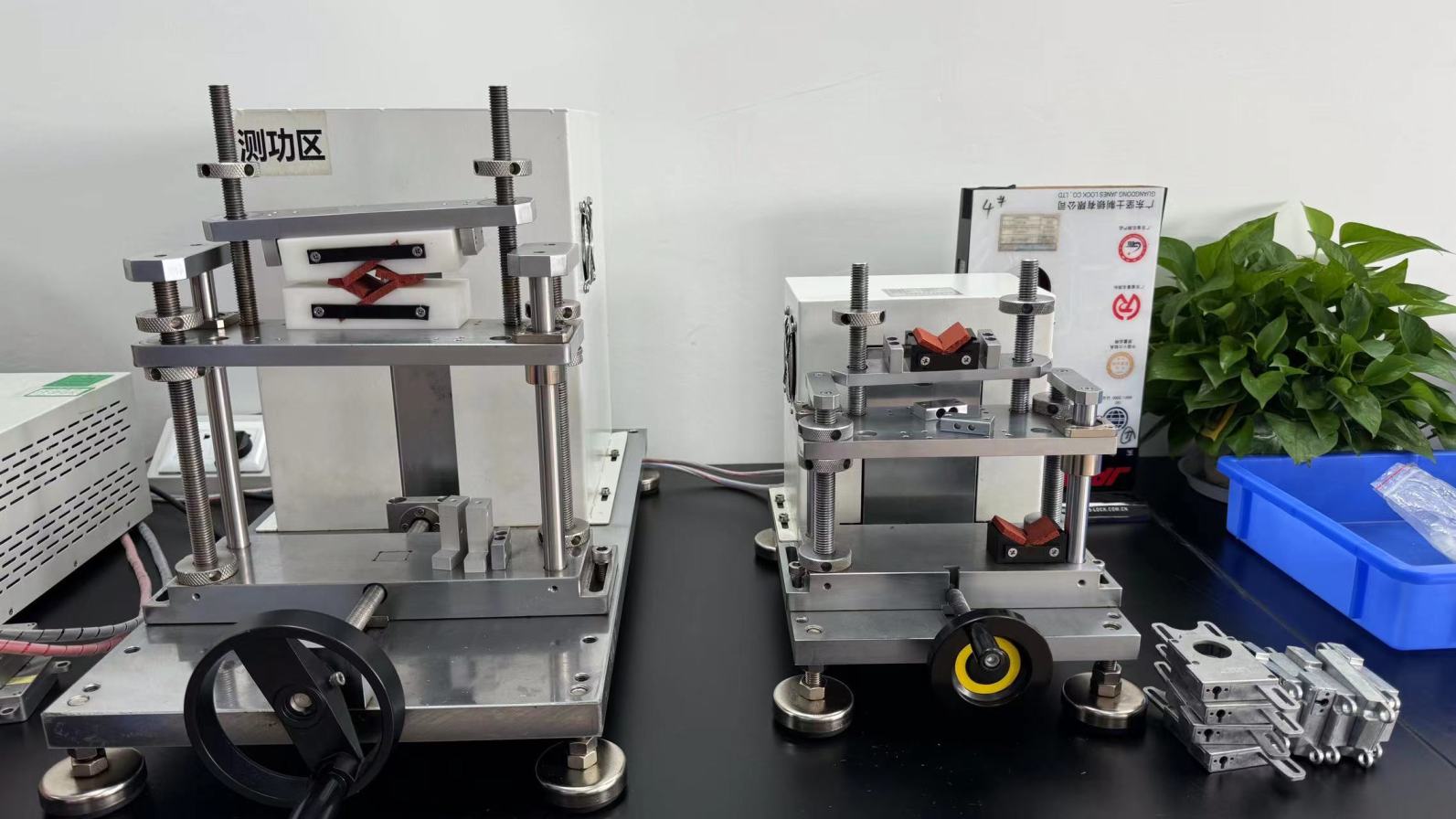
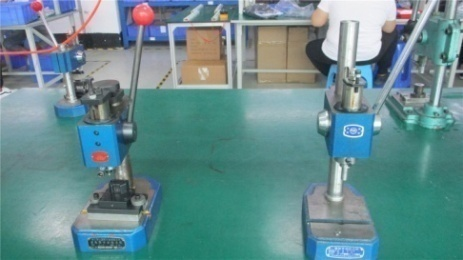
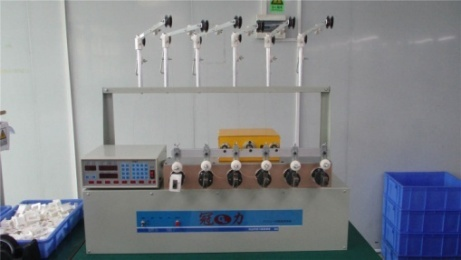
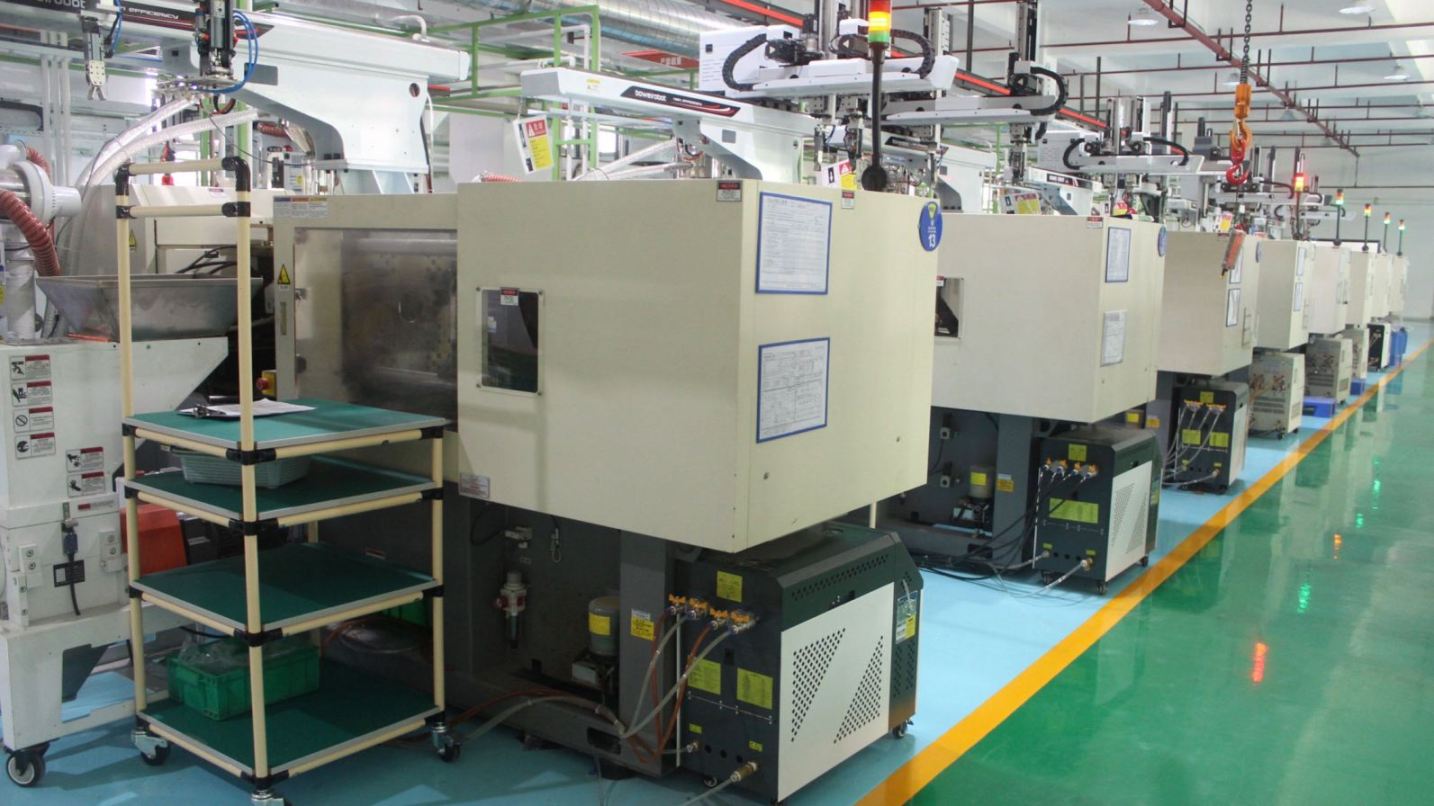
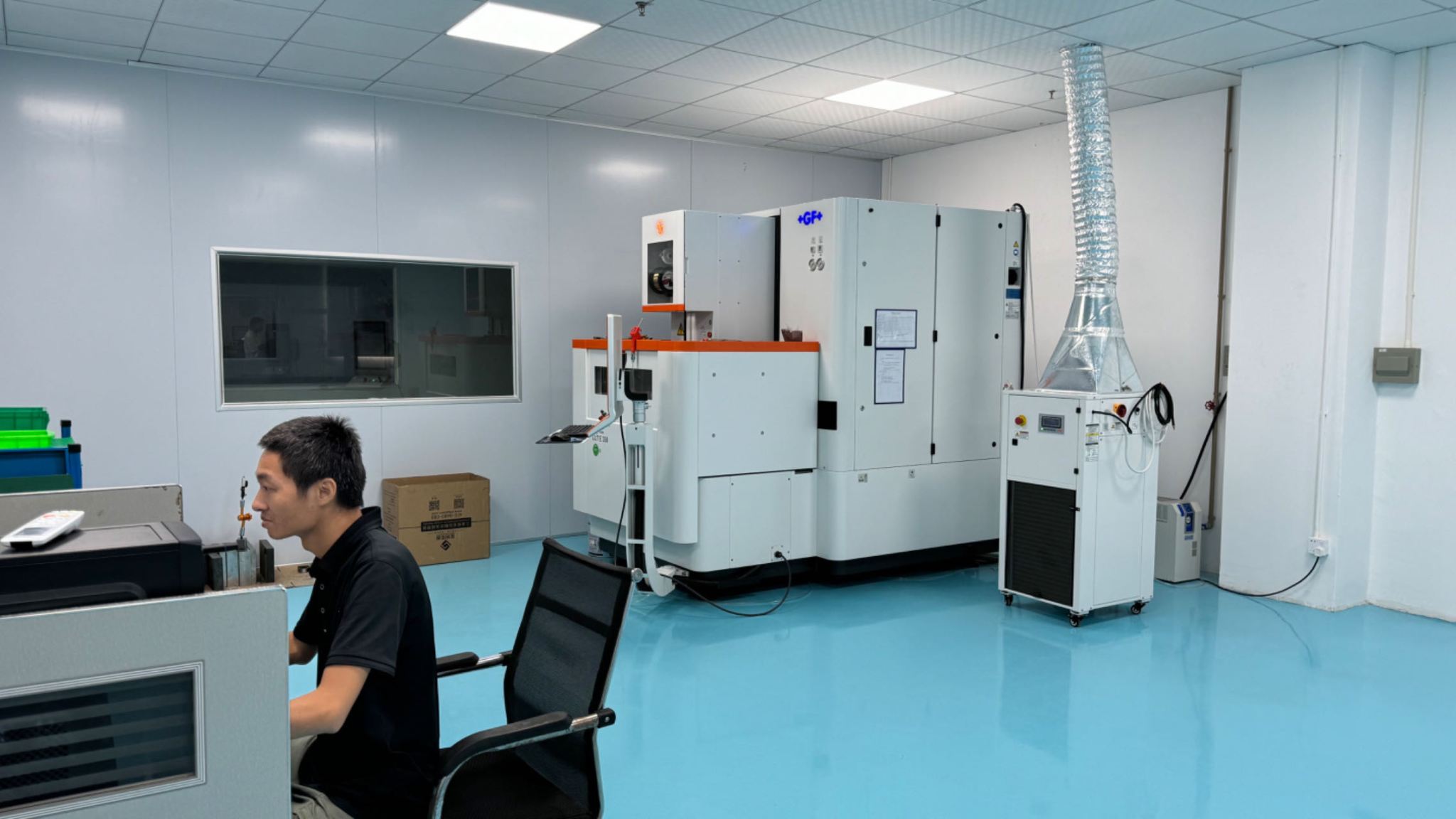
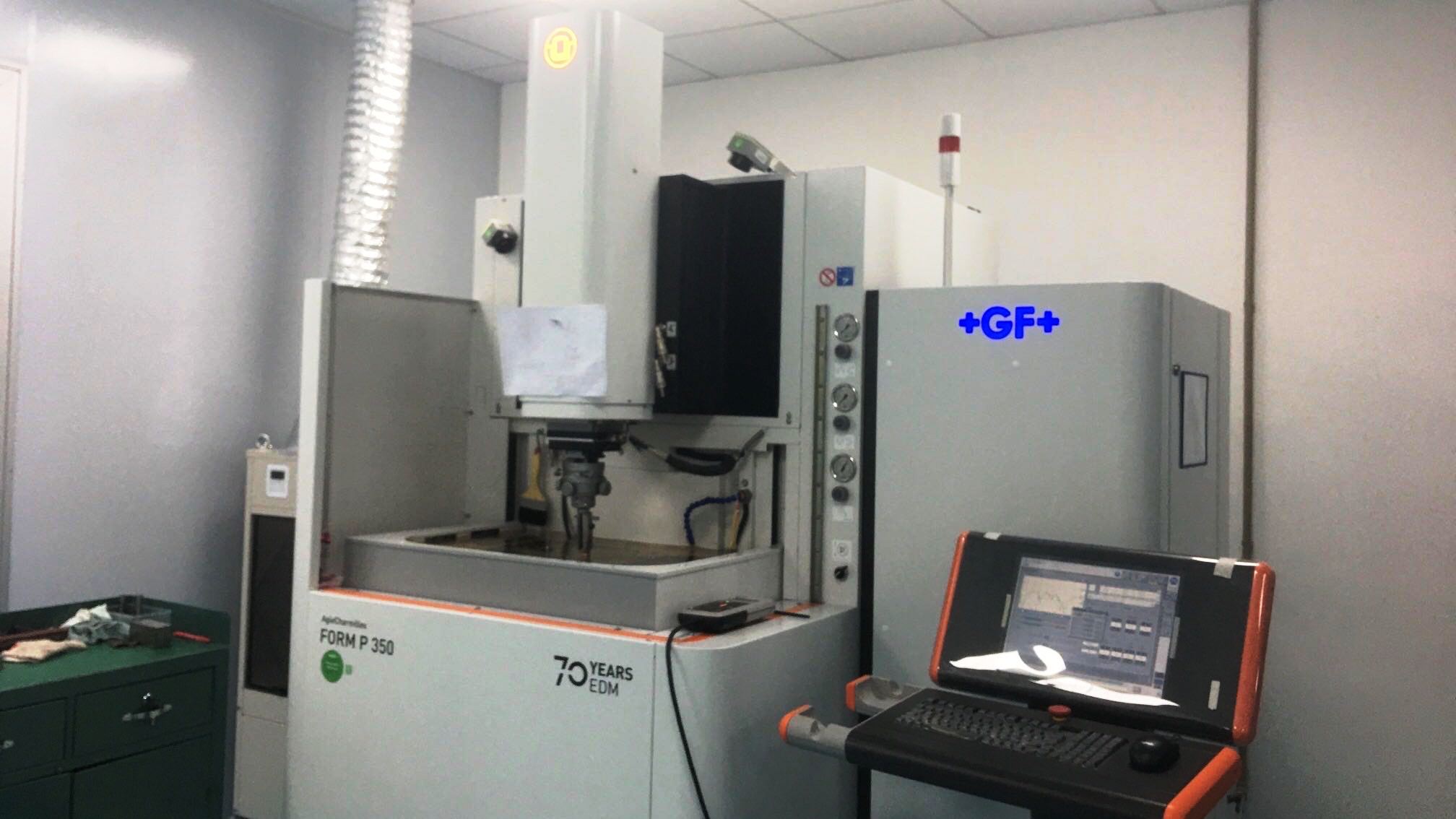
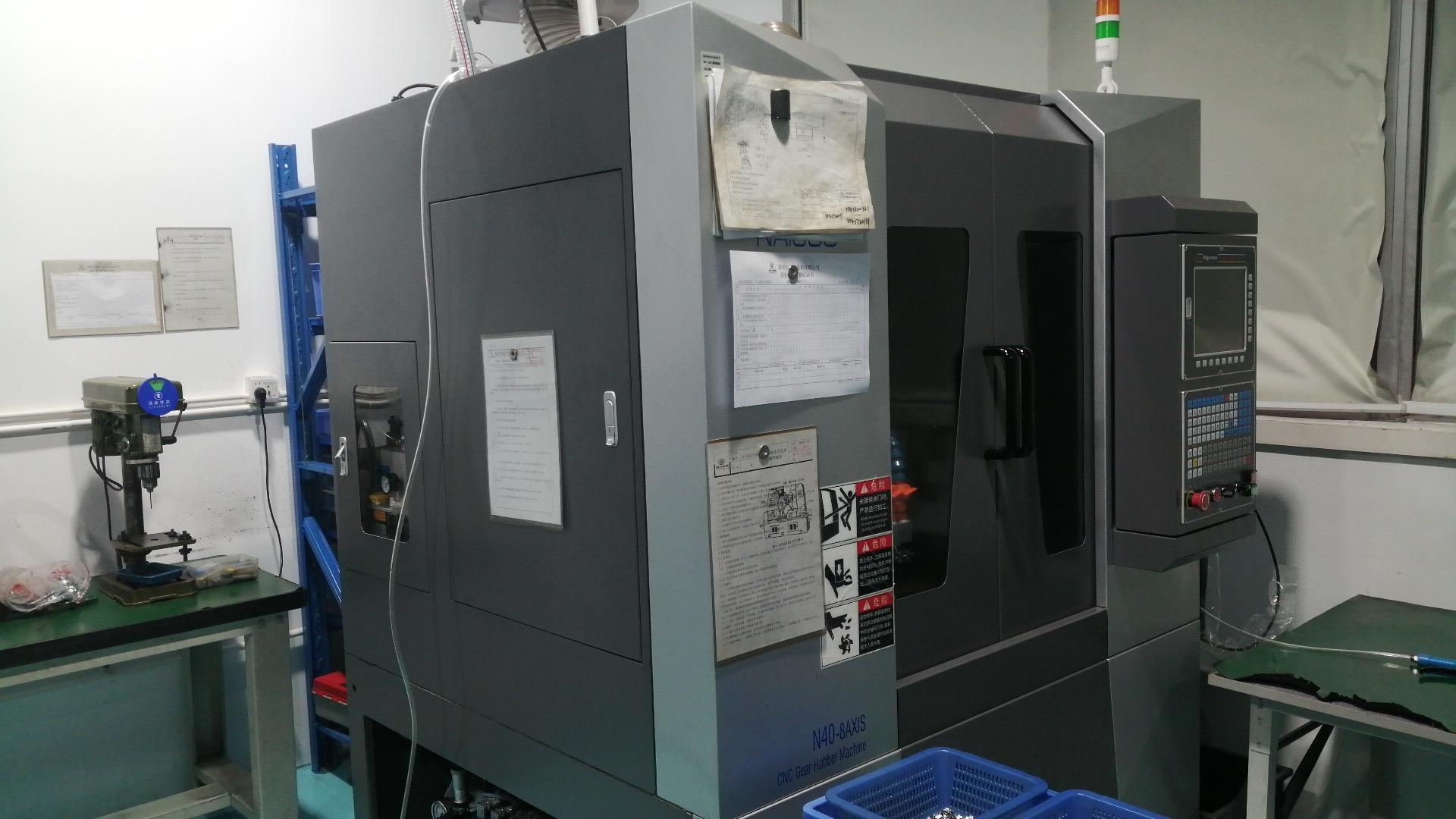
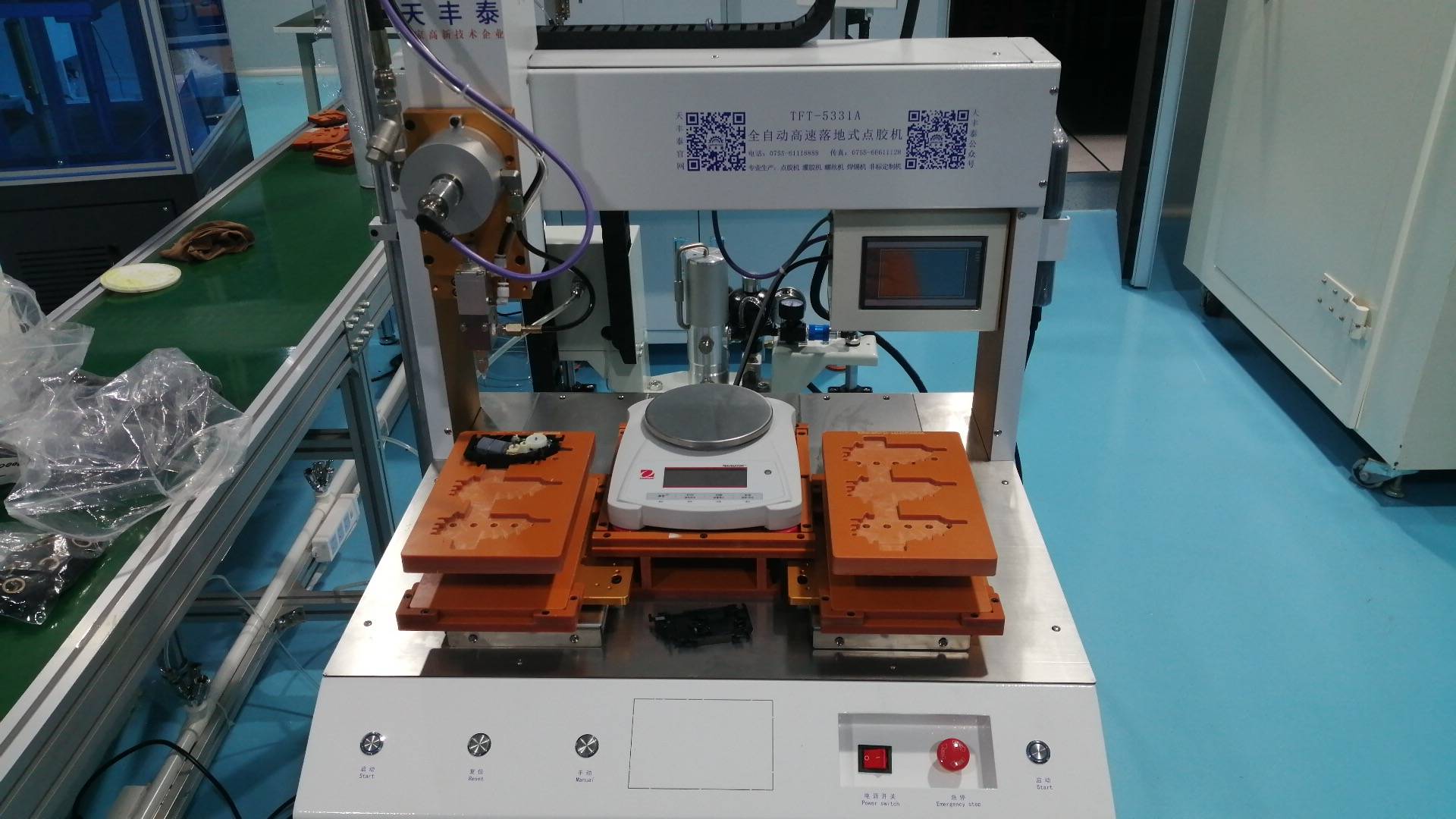
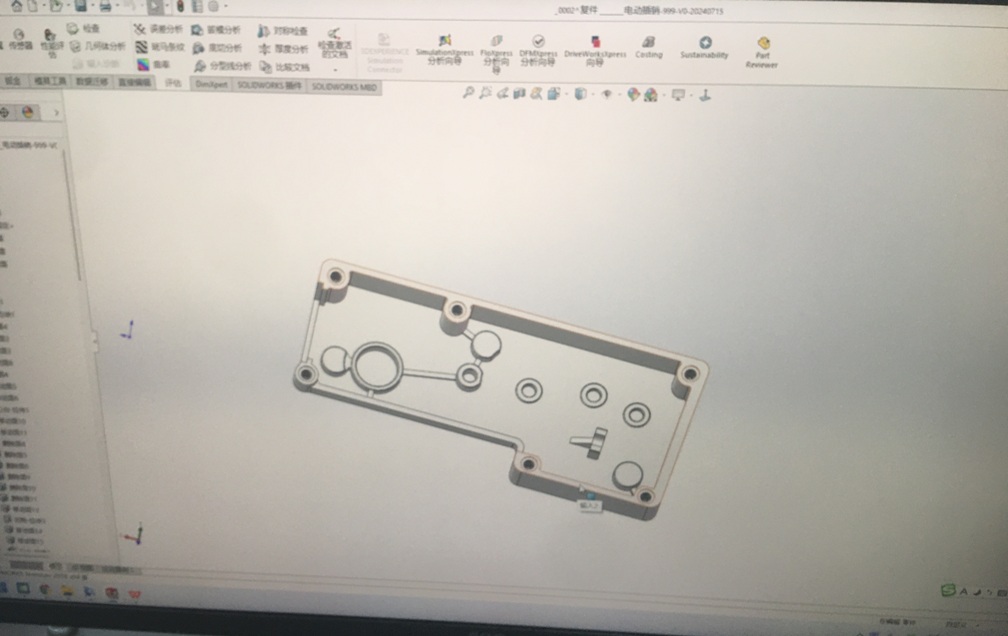
Maintaining zero-defect quality standards through mechanical analysis and precision metrology.
A B2B technical guide detailing material configurations, performance variables, and structural calculations.
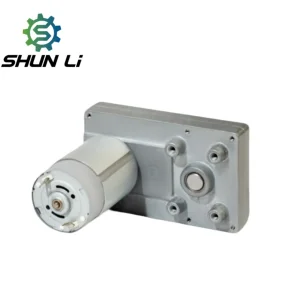
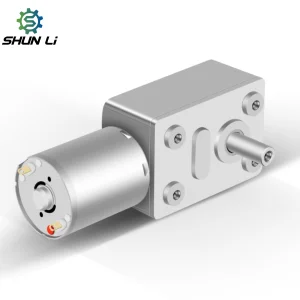
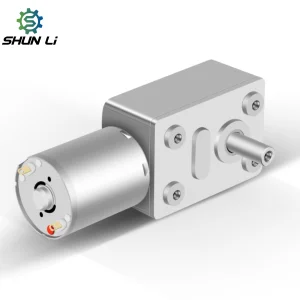
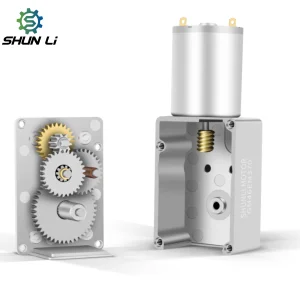
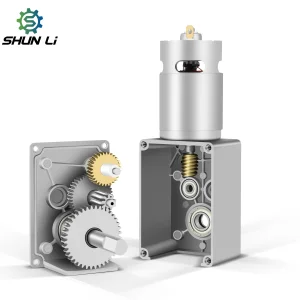
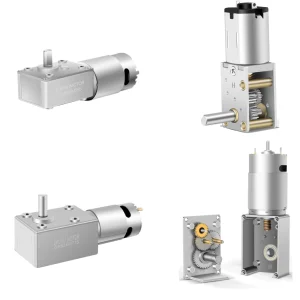
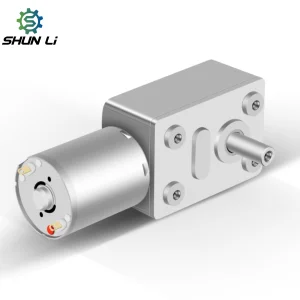
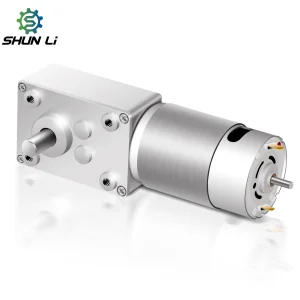
Worm gearboxes consist of a worm screw (a gear in the shape of a screw) that meshes with a worm wheel (similar in appearance to a standard spur gear). This layout is ideal for space-constrained layouts because it transmits power at a 90-degree angle. Let's look closer at the mechanical, thermal, and electrical variables that define these systems:
Unlike standard spur gear configurations that experience rolling contact, worm gears rely on sliding contact. While this sliding contact keeps the system quiet and helps absorb impact shock, it does result in lower transmission efficiency. Efficiency can range from 30% to 90%, depending on the lead angle of the worm screw, the speed of rotation, and the lubricant type.
To reduce sliding friction and prevent premature wear, we match bronze or high-strength polymer worm wheels with hardened steel worm screws. Synthetic gear grease with high shear stability is critical to maintaining a protective boundary layer between the gear teeth under load.
A gearbox is self-locking if it cannot be driven backwards from the output shaft. For this to happen, the friction angle between the worm screw and wheel must be larger than the lead angle of the worm. In other words:
Lead Angle (λ) < Friction Angle (atan(μ))
Dynamic vibrations and high temperatures can lower the friction coefficient, which may compromise self-locking performance. If your application requires absolute holding torque (such as overhead doors or critical medical lifts), we recommend adding an integrated electromagnetic brake directly to the motor shaft rather than relying solely on gear friction.
When selecting the operating voltage for your drive motor, consider the following trade-offs:
How our DC worm gear motors perform across demanding global industrial and commercial applications.
Reliable torque and precise rotational control are critical for product dispensing systems. Our 20 RPM to 60 RPM motors deliver steady torque and rely on self-locking worm gears to keep dispensing mechanisms secure, preventing unauthorized access or accidental dispensing.
ATMs and card-reader access gates need fast response times and high reliability. Our compact flat worm gearboxes fit into tight cabinet spaces, while integrated encoders allow controllers to track position within fractions of a millimeter.
Medical beds, dynamic patient lifts, and robotic arm joints require smooth, quiet operation. Our low-noise worm gear motors run at under 45dB, while integrated magnetic encoders and safety brakes help prevent sudden movement or drift.
Expert answers to common engineering questions regarding the selection, application, and maintenance of DC worm gear motors.
To achieve a reliable self-locking state, the lead angle of the worm screw should be less than 4 degrees. Additionally, the coefficient of static friction must be greater than the tangent of the lead angle. Please note that external factors like operational vibration, temperature fluctuations, and lubricant degradation can lower the coefficient of friction, which may allow the system to backdrive. For critical safety applications, we recommend combining the self-locking gear design with an electromagnetic brake.
The material choice depends on the application's torque, speed, and cost requirements. Hardened bronze alloys (like phosphor bronze) offer excellent wear resistance and thermal dissipation under continuous, high-torque loads. High-performance polymers, such as POM (polyoxymethylene) or carbon-reinforced nylon, are ideal for lighter duty cycles where low noise and dry-running capabilities are priorities.
24V configurations draw half the current of 12V systems to deliver the same power output. This lower current draw reduces voltage drop over long wiring runs and allows the use of smaller, lighter motor driver electronics. Additionally, reduced current at the brushes minimizes arc erosion at the commutator, extending the life of brushed motors.
We provide a wide range of customization options to meet specific application requirements. This includes custom shaft dimensions (D-cut, flat, keyway, or splined), specialized mounting brackets, custom wiring harness lengths and connectors, integrated magnetic or optical encoders, and specific gear materials (bronze, brass, POM, or steel). We can also adjust the gear ratios and motor windings to achieve your target speed, torque, and current consumption targets.
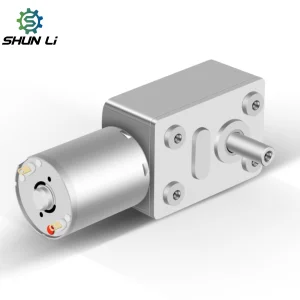
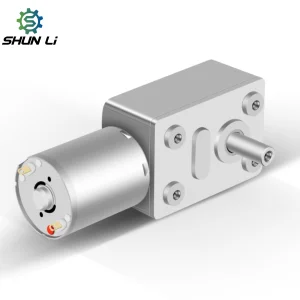
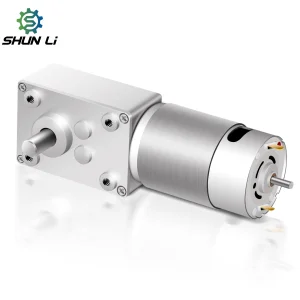
Choose from our specialized line of high-torque, low-noise worm gear configurations.
 Syncdrive Motor