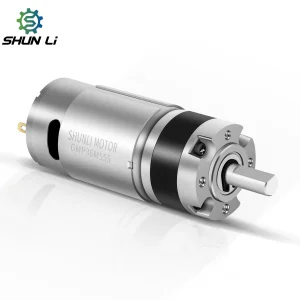
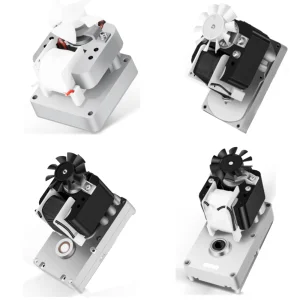
Engineered for high torque density, thermal stability, and silent operation. Explore industrial-grade micro-drives designed to exact technical specifications.
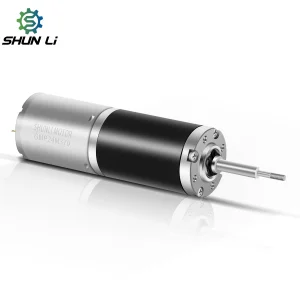
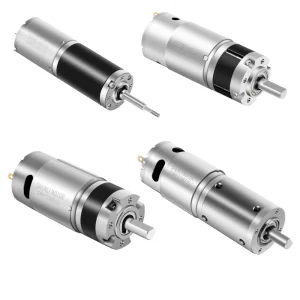
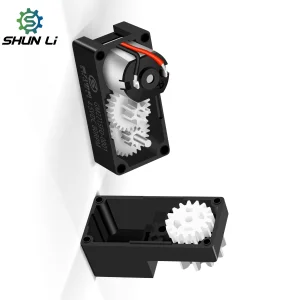
How macroeconomic pressures, environmental mandates, and automation trends are shaping modern micro-drive sourcing.
In the contemporary industrial sector, energy conservation is no longer merely an operational preference; it is a strict regulatory mandate. Modern high-efficiency gear motors serve as the critical hardware foundation for automated systems across logistics, robotics, smart home architectures, and heavy machinery. Globally, industrial electric motor systems consume approximately 46% of all electricity. Thus, upgrading standard motors to high-efficiency configurations (meeting IE3, IE4, or IE5 standards) presents a direct, measurable path to decarbonization and dramatic operational expenditure (OPEX) reductions.
As manufacturing hubs transition to Industry 4.0 paradigms, the demand for high-torque, low-RPM drive systems in smaller footprints has surged. The integration of permanent magnet DC (PMDC) architectures and high-precision planetary gearboxes allows engineers to design systems that maximize mechanical output while minimizing losses associated with thermal dissipation. Globally, the competitive landscape is divided between high-precision customization houses (primarily concentrated in East Asia, notably in Shenzhen and neighboring industrial zones) and legacy Western design firms. Today's procurement leaders seek partners who offer the agility of quick-turn custom designs paired with the rigorous process controls of volume manufacturers.
According to Google Search intent and industrial procurement metrics, B2B decision-makers prioritize suppliers based on verifiable technical capabilities over generic marketing claims. This shifts the focus from simply comparing catalog prices to assessing a supplier's overall equipment effectiveness (OEE), raw material pedigree, and advanced quality validation structures, such as dynamometer analysis, salt-spray resistance indexing, and acoustic emissions testing.
Engineered to last. Built to fit. Aligning Chinese manufacturing scale with local engineering reliability.
Defining the Syncdrive Motor of Tomorrow’s Technology. Every groundbreaking smart device needs a reliable pulse. Syncdrive Motor designs and manufactures high-efficiency micro-drives that serve as the invisible, robust core inside next-generation robotics, smart home applications, and aerospace medical tools worldwide.
We operate on a simple philosophy: Engineered to last. Built to fit. By blending advanced automation with a passion for micro-engineering, Syncdrive Motor provides global B2B clients with the transparency of a local engineering partner and the massive scale advantages of a top-tier Chinese factory. We don't just sell motors; we build the core axis that keeps your business moving forward.
"A premium micro-gear motor is not merely an assembly of steel, copper, and plastic; it is a system-level solution engineered to resolve physical constraints: torque density, thermal limitations, acoustic thresholds, and operational longevity."

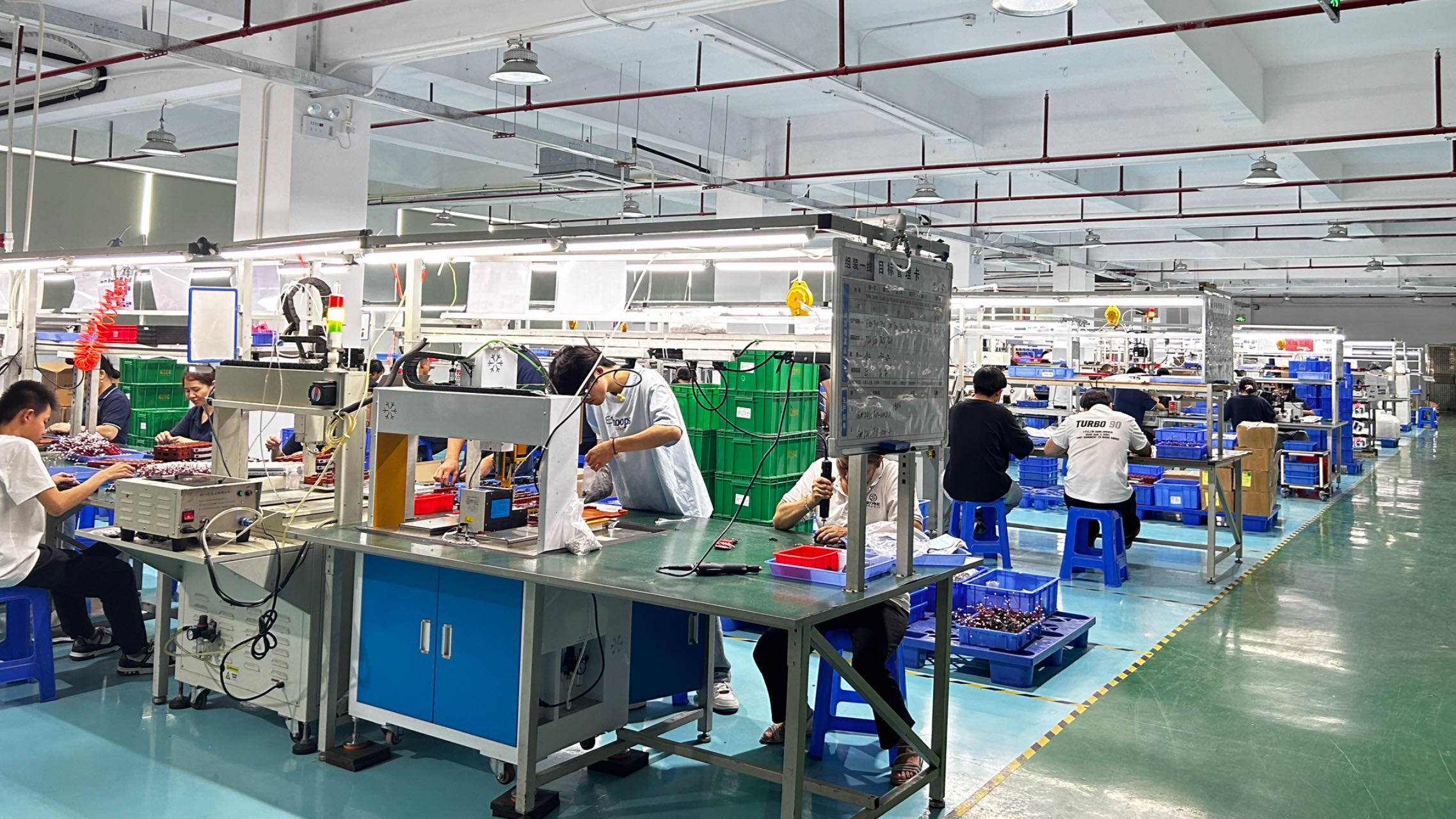
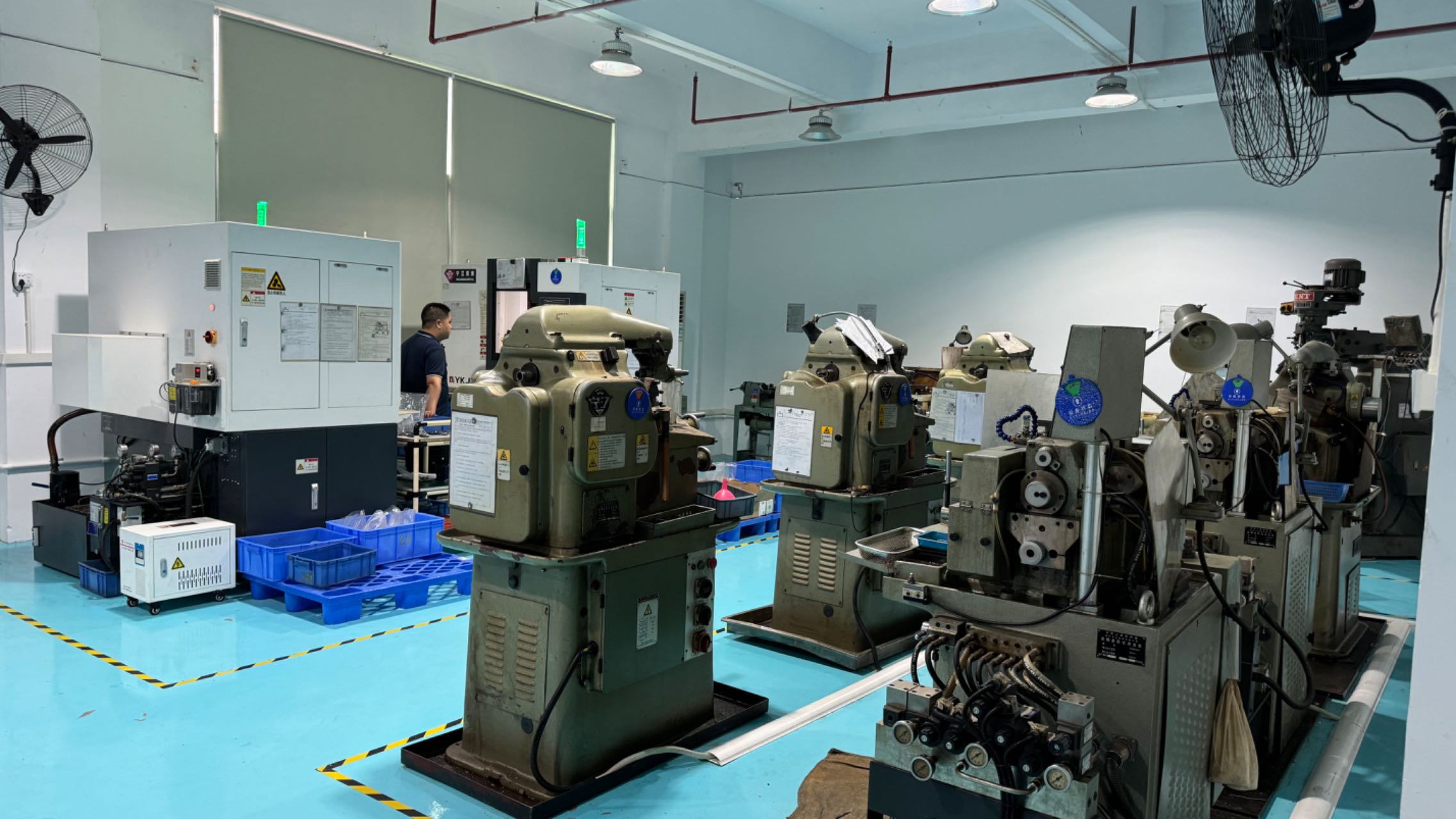
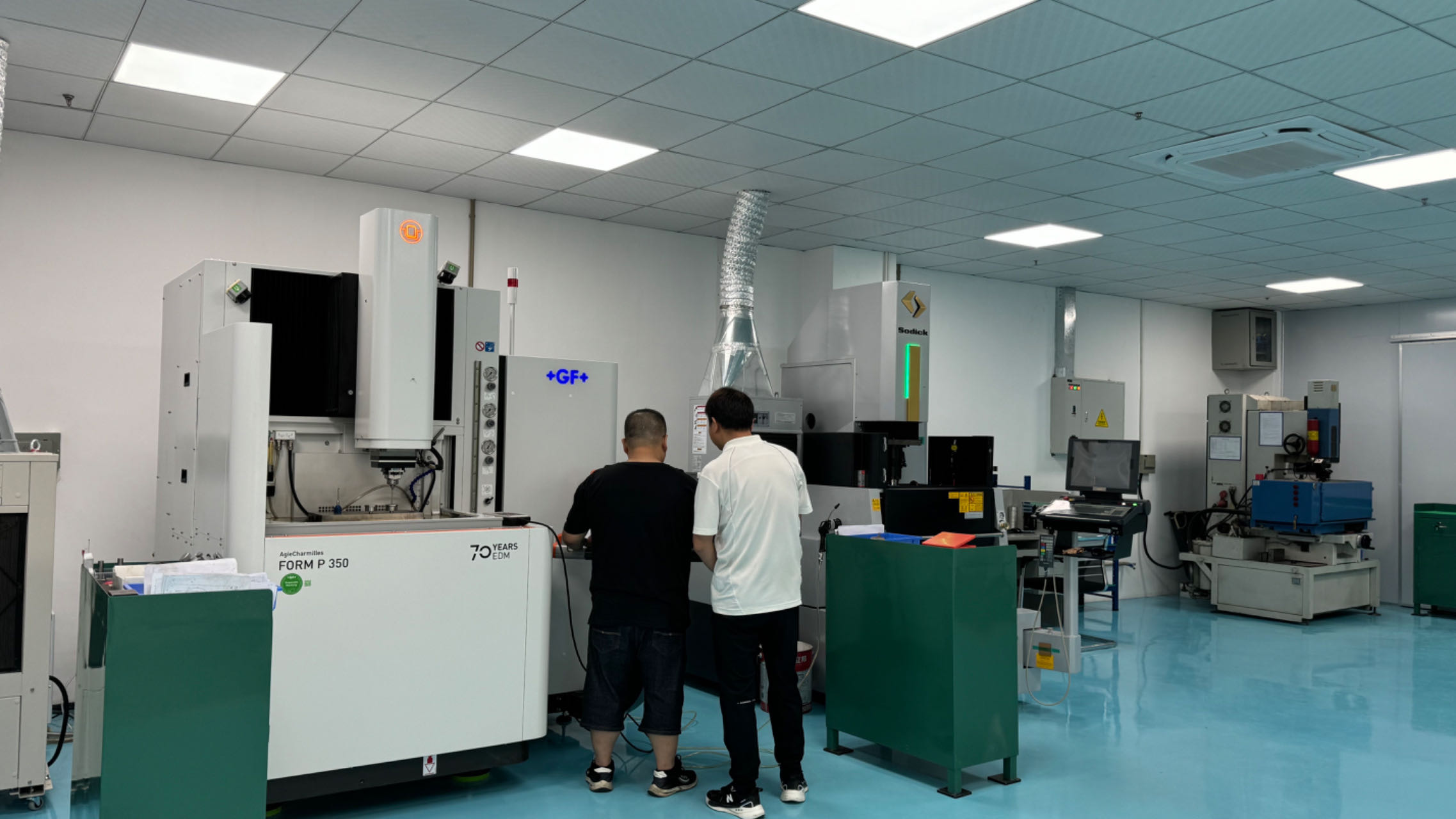
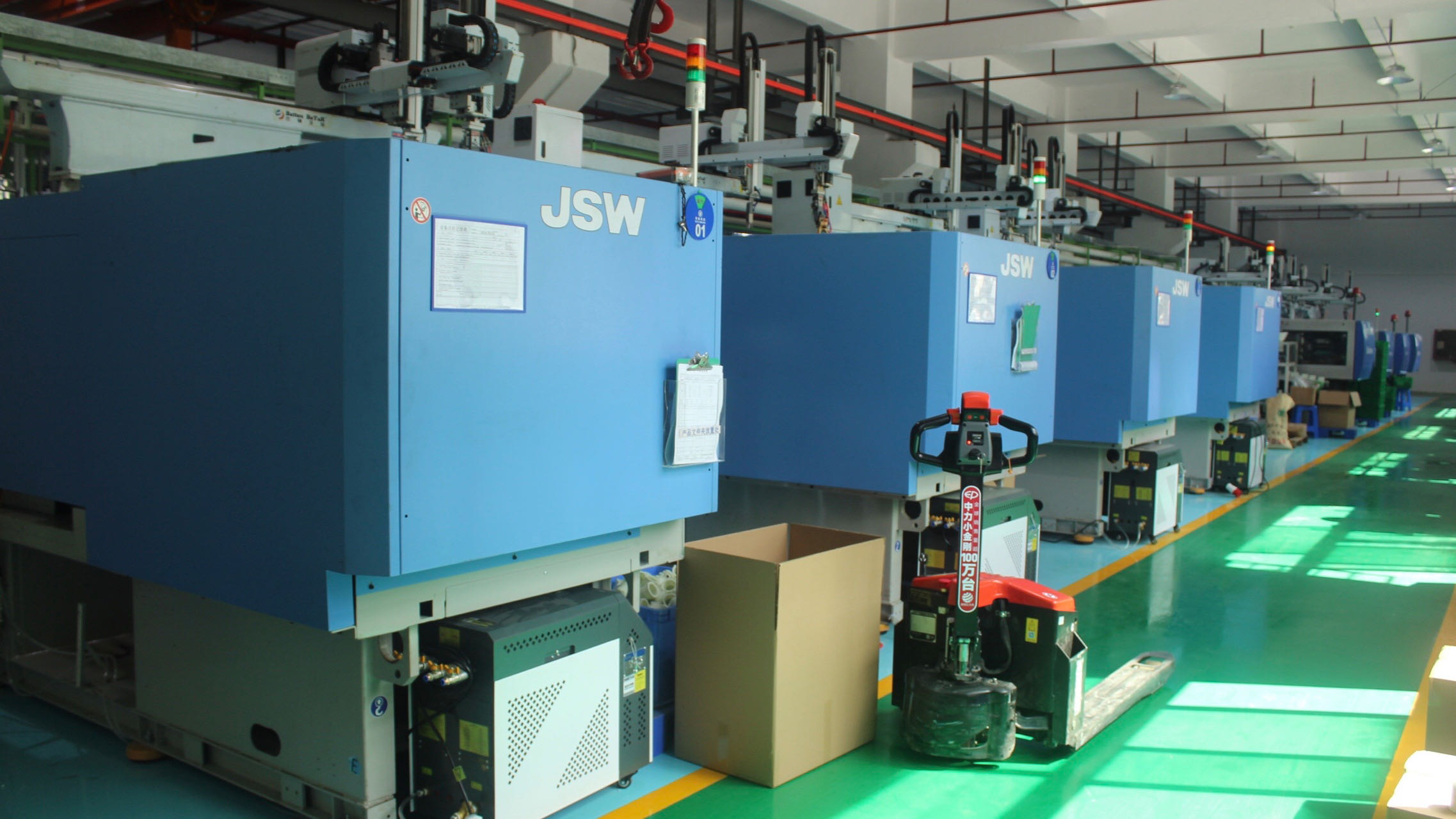
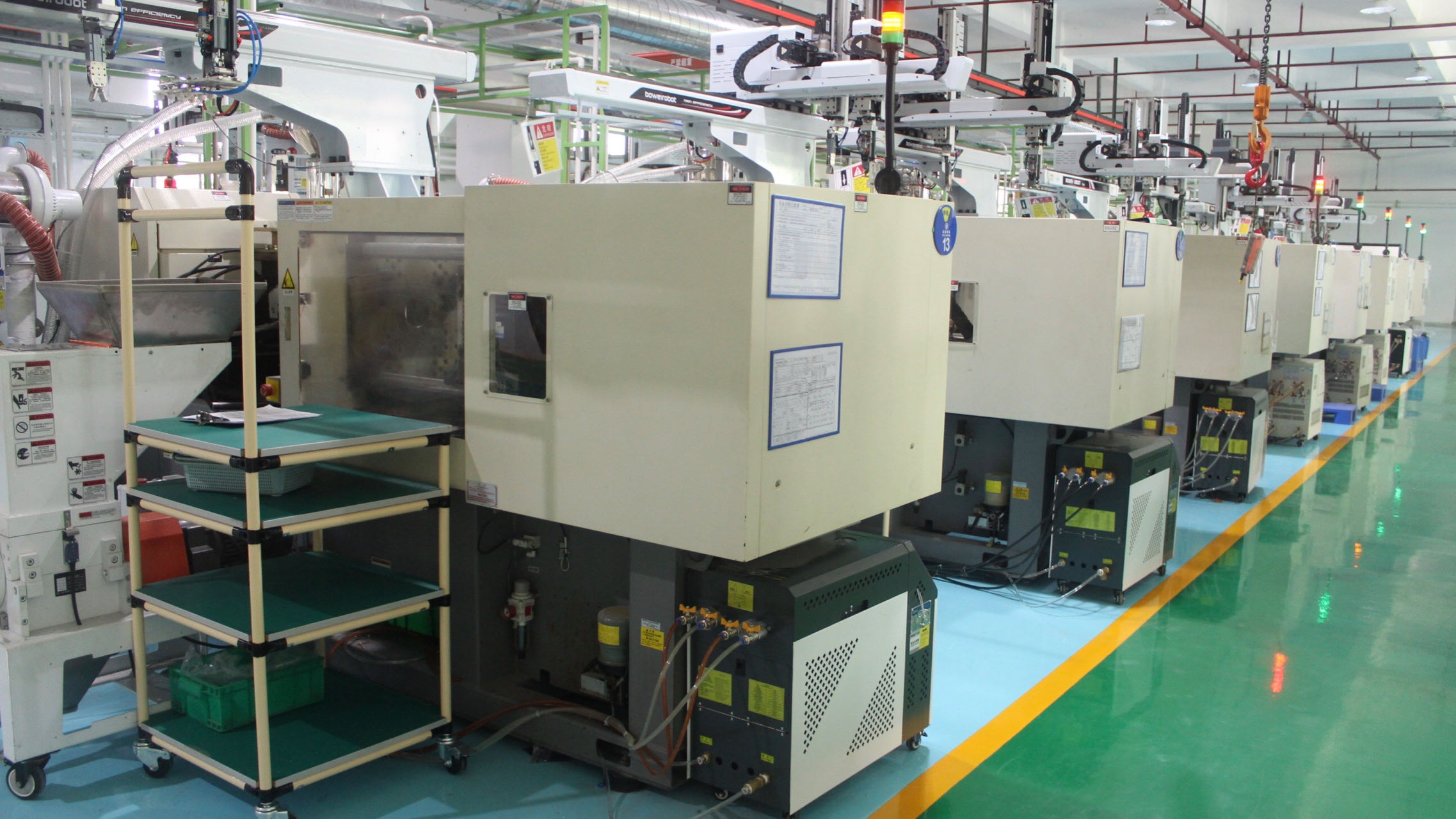
Mapping high-efficiency micro-drives to specific industrial use cases and application profiles.
Whether powering automatic blinds, smart electronic locks, or customized kitchen appliances, micro-gearmotors require extreme noise dampening (< 35dB) and reliable start-stop cycles. Utilizing specialized lubricants and precision hobbed gears prevents premature wear and reduces backlash.
Infusion pumps, precision scanners, and laboratory automation require precise speed control and zero-drift positioning. Syncdrive's planetary gearboxes deliver smooth torque transmission with low friction coefficients, ensuring safety-critical performance in sensitive environments.
For Automated Guided Vehicles and robotic joints, torque-to-weight ratio is the decisive metric. PMDC and planetary configurations provide high radial and axial load capabilities to handle sudden directional shifts and continuous transport operations.
In addition to these sectors, agricultural machinery, sliding gate actuators, and HVAC damper controllers rely heavily on worm gear configurations. These setups provide self-locking safety mechanisms, preventing reverse drive and safeguarding equipment from external mechanical forces.
Verifiable manufacturing processes that deliver consistent micro-drive performance.

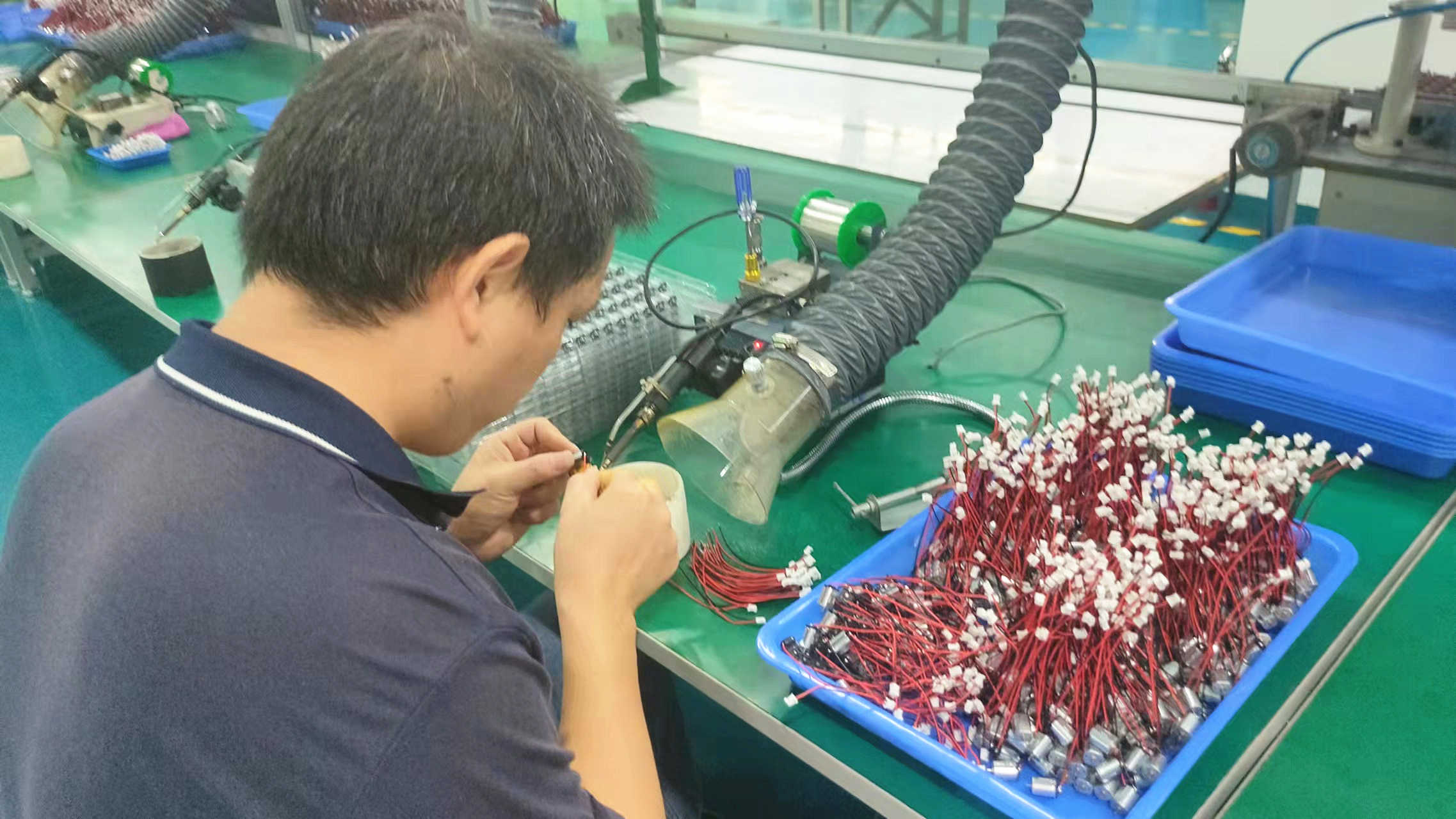
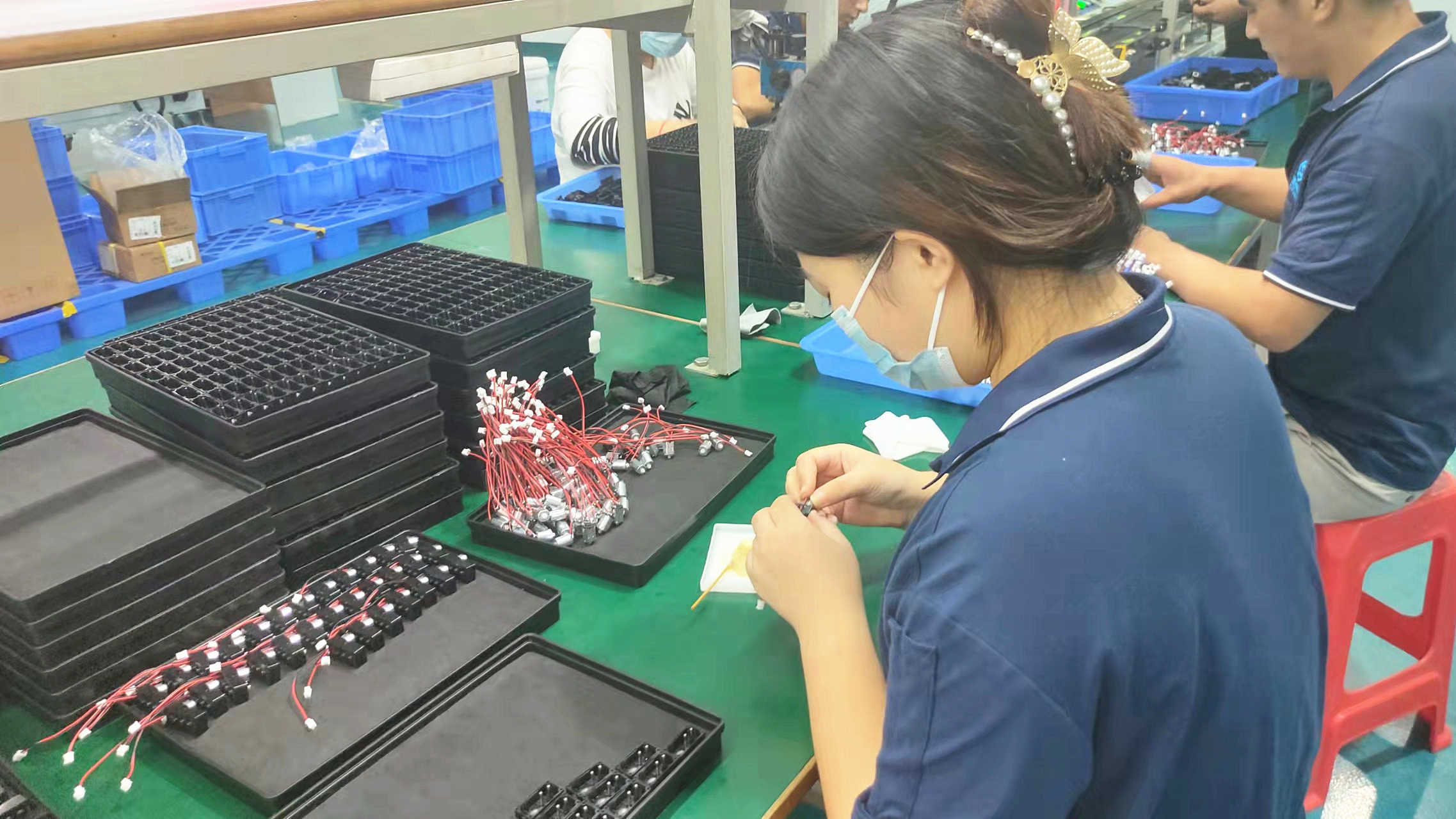
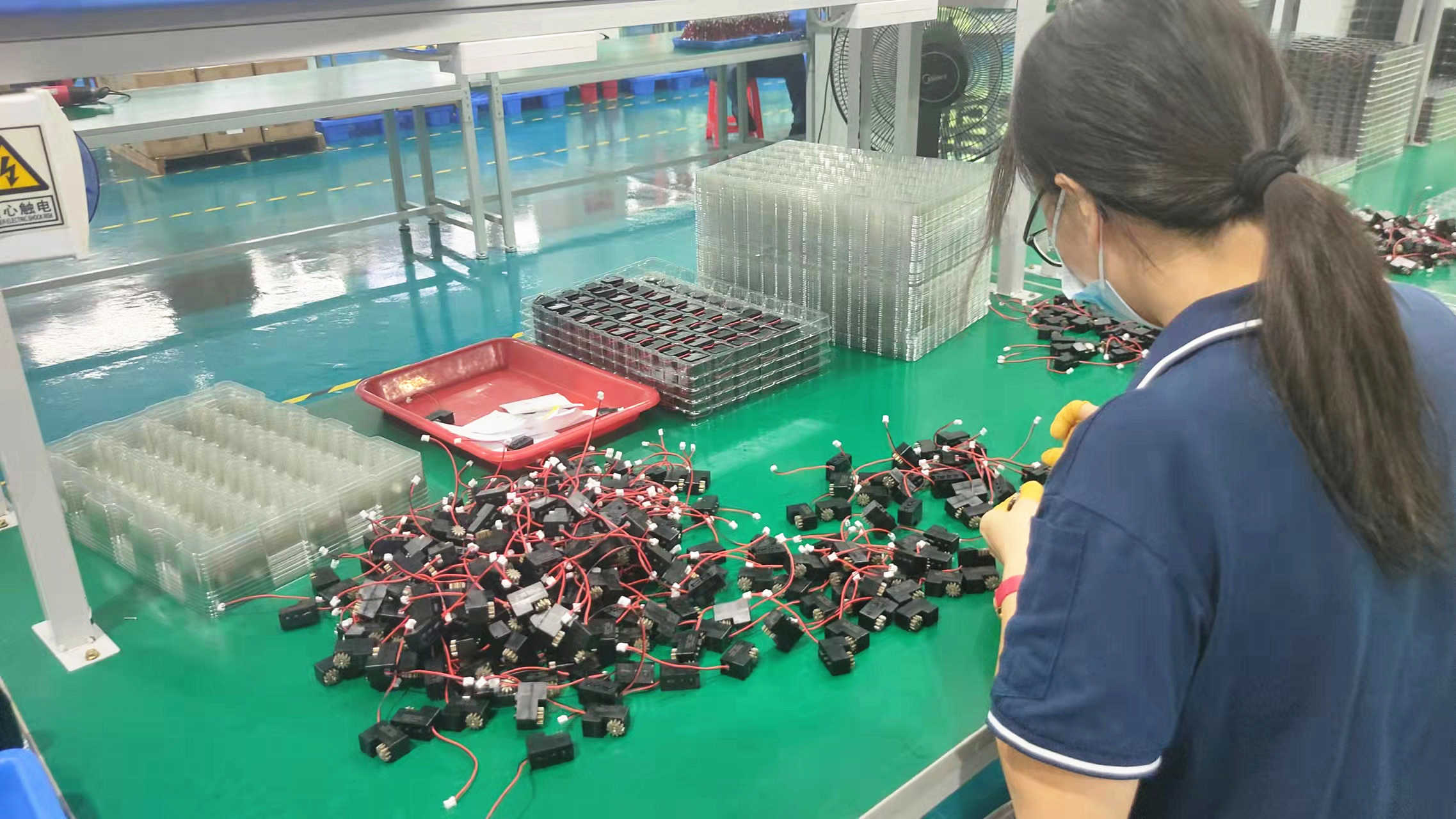
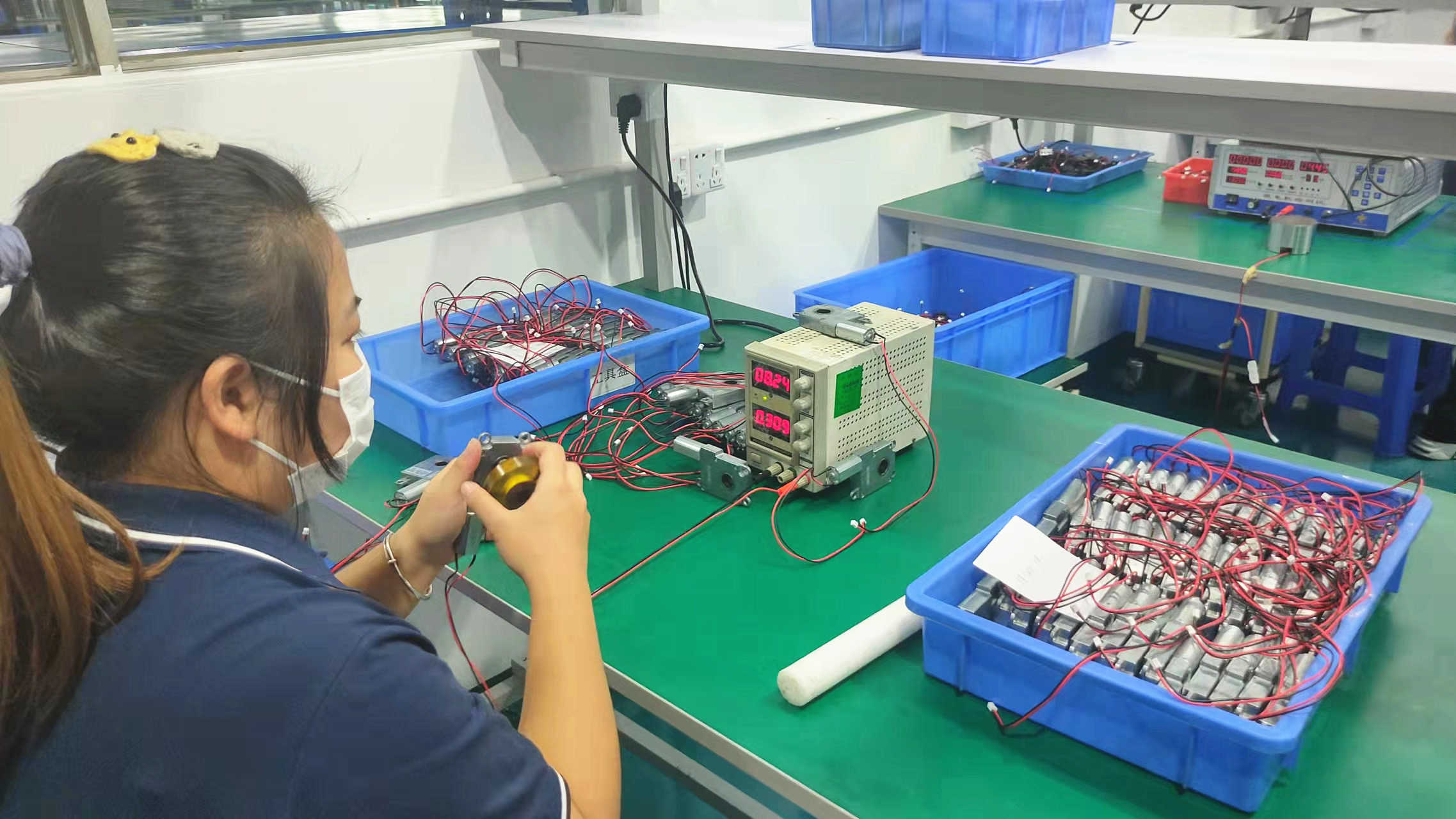
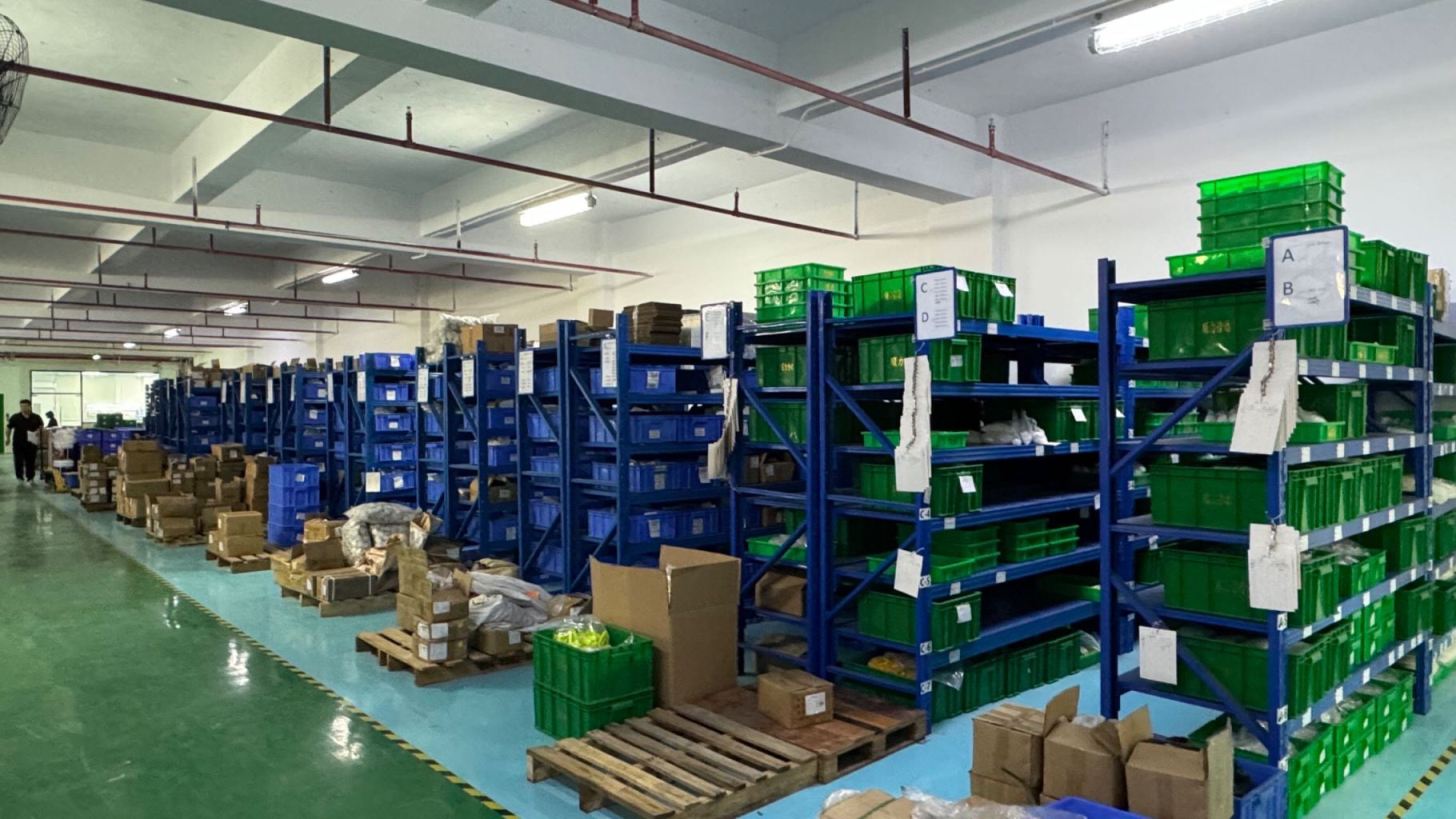
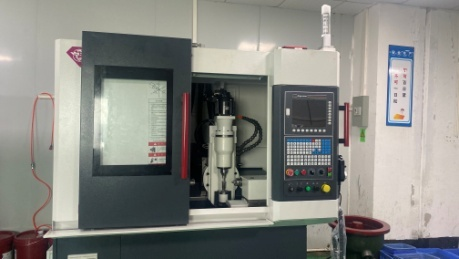
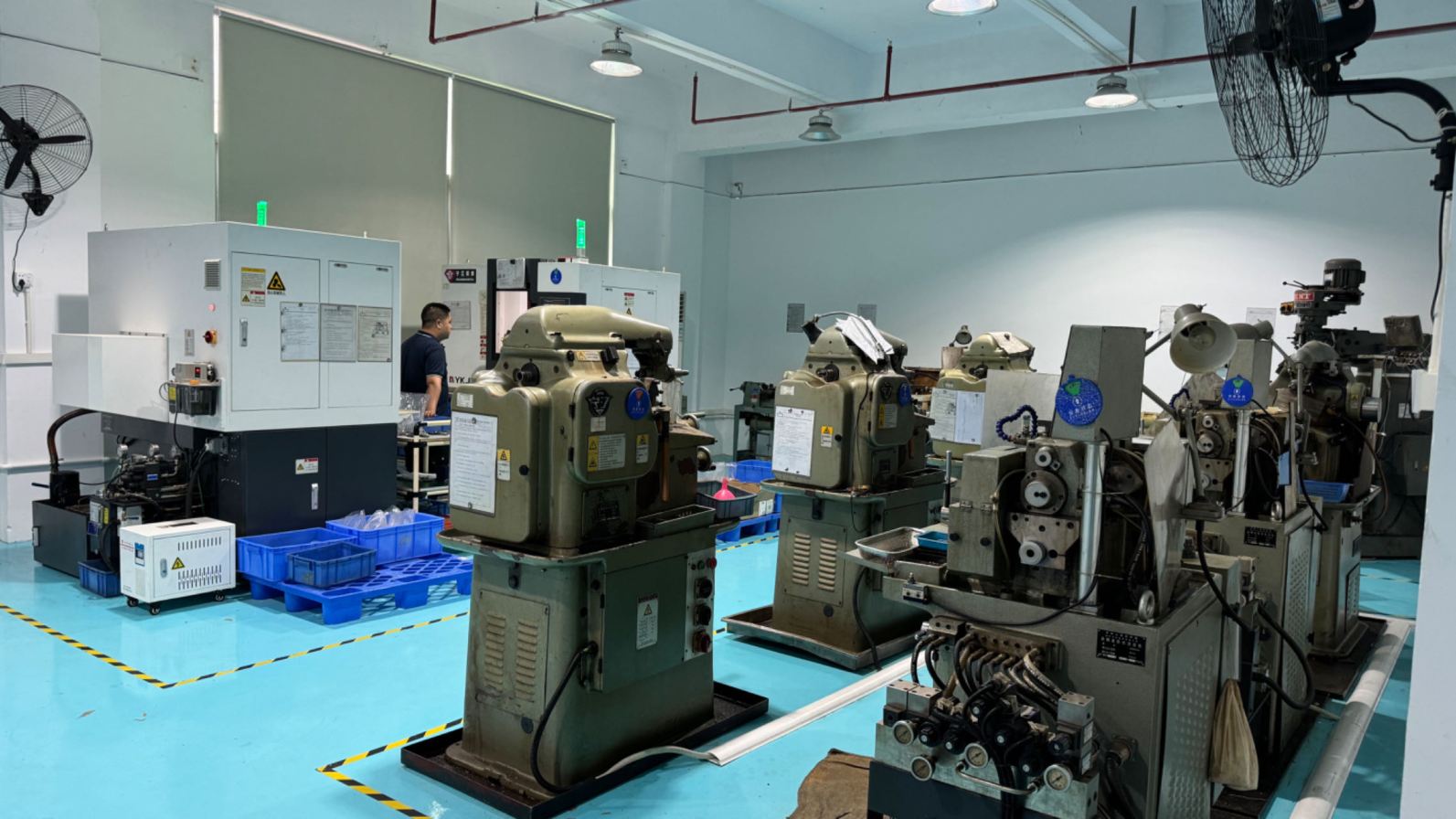
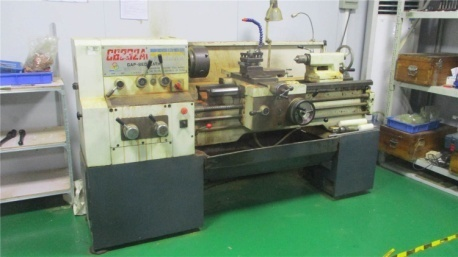
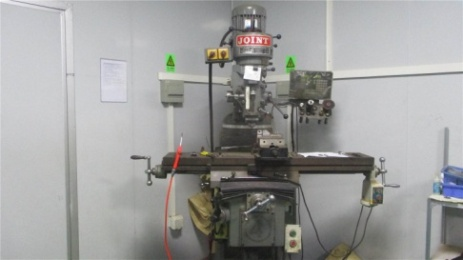
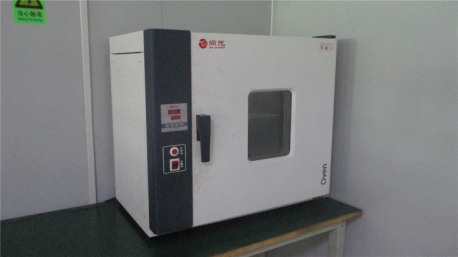
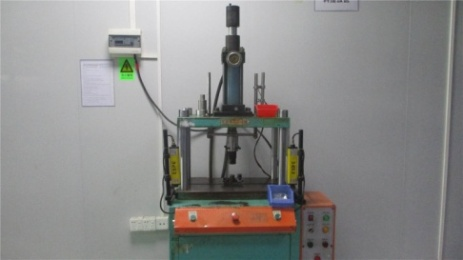
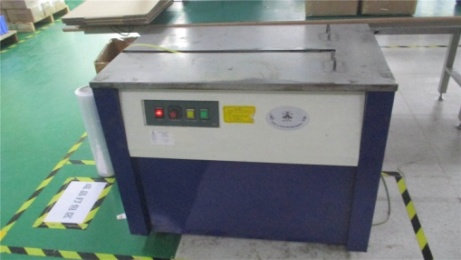
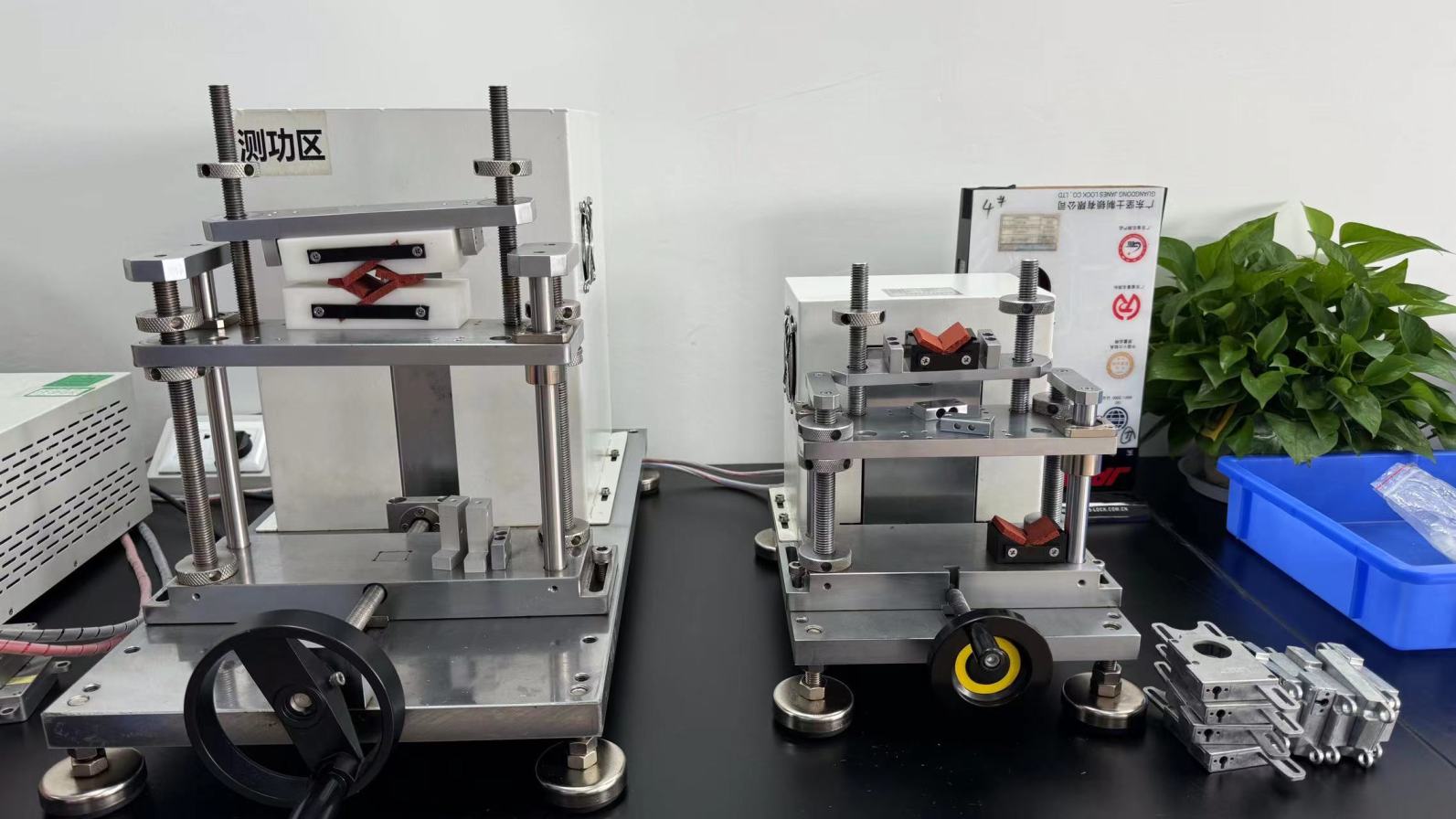
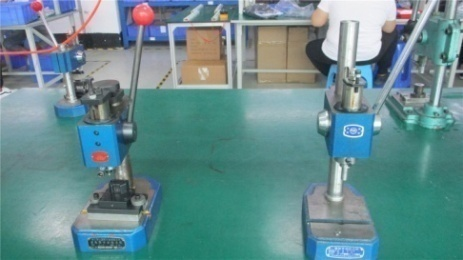
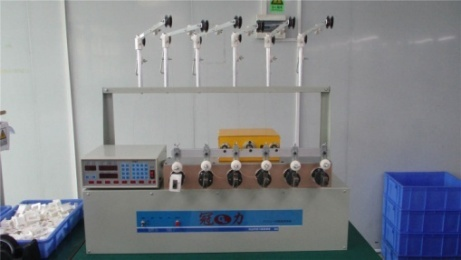
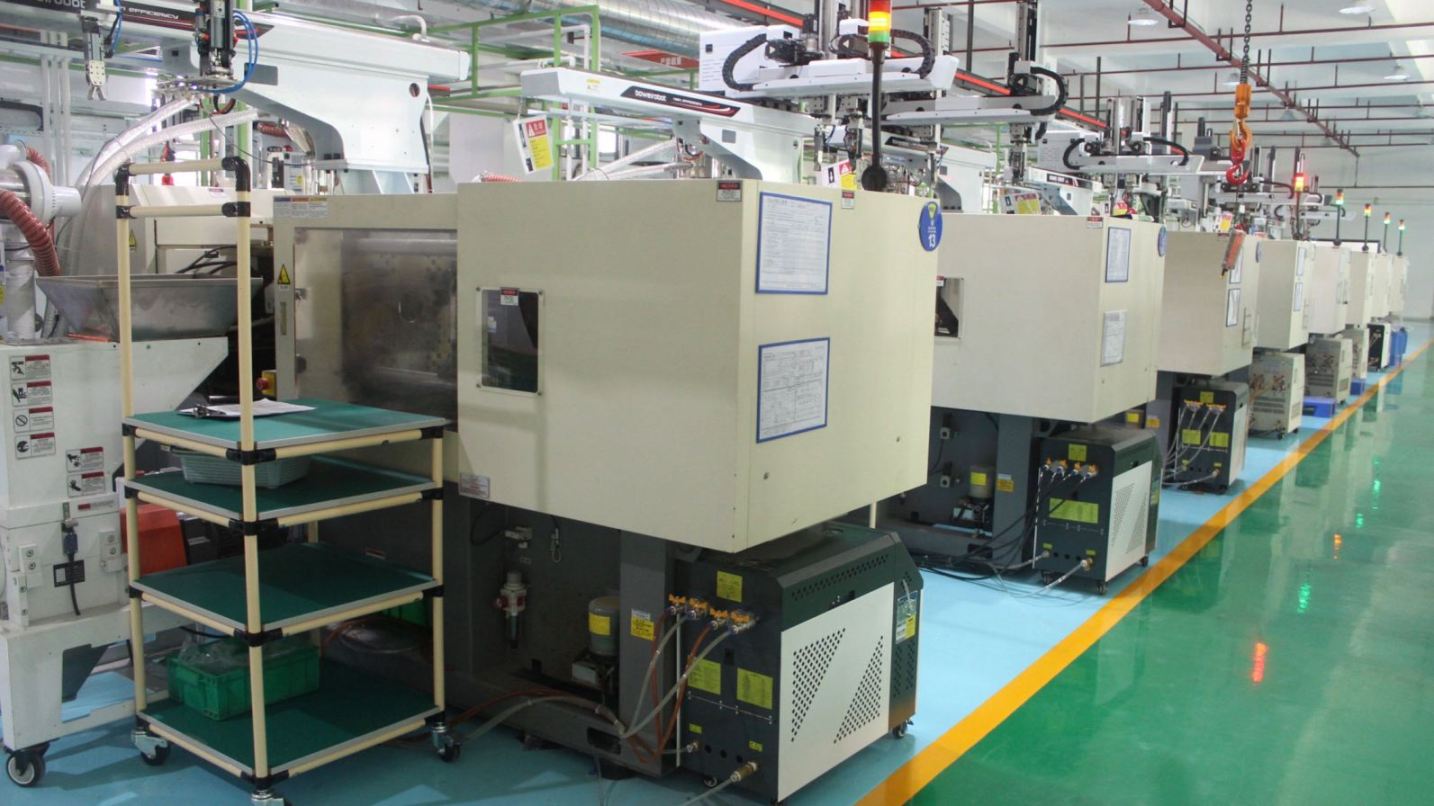
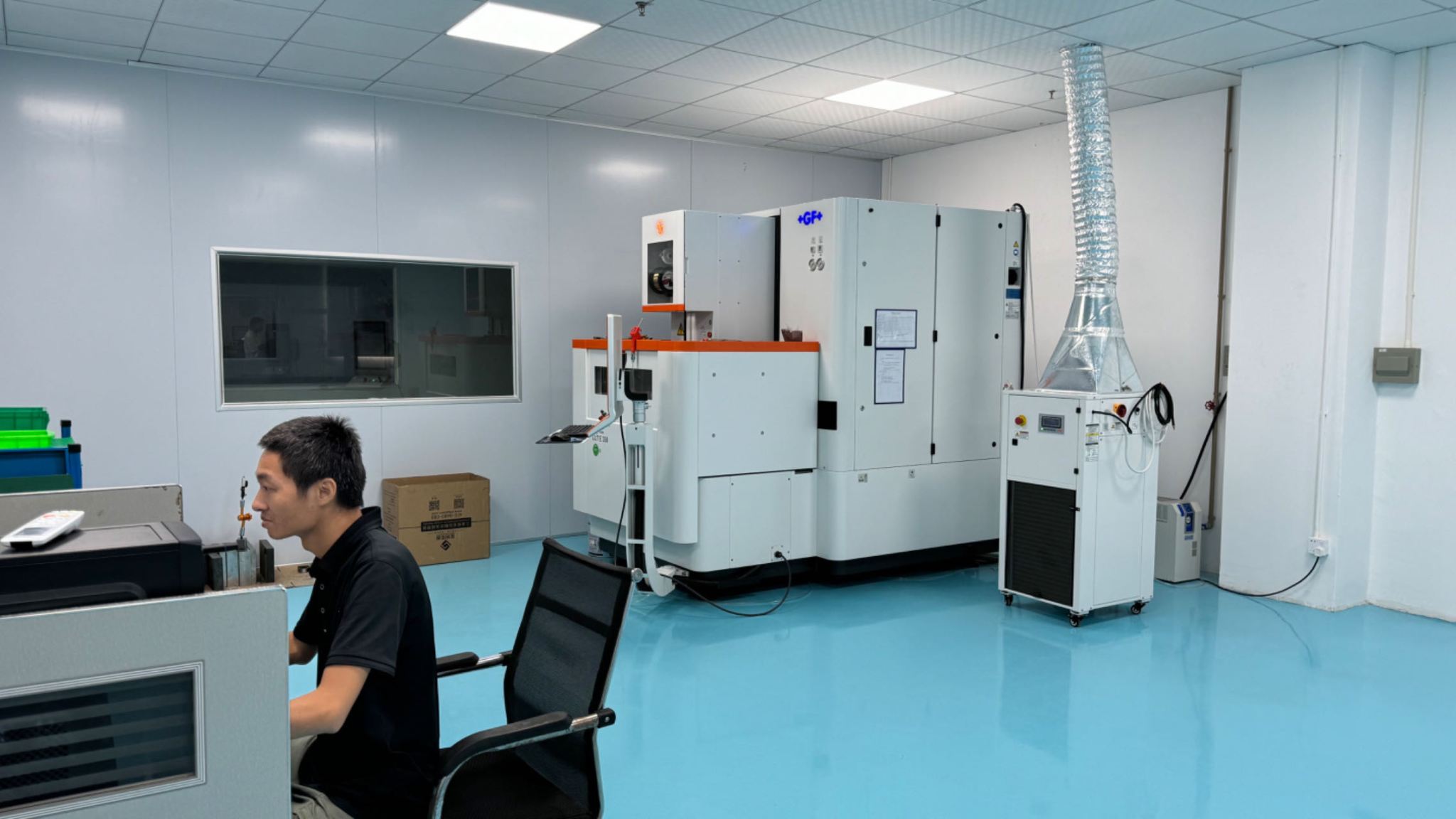
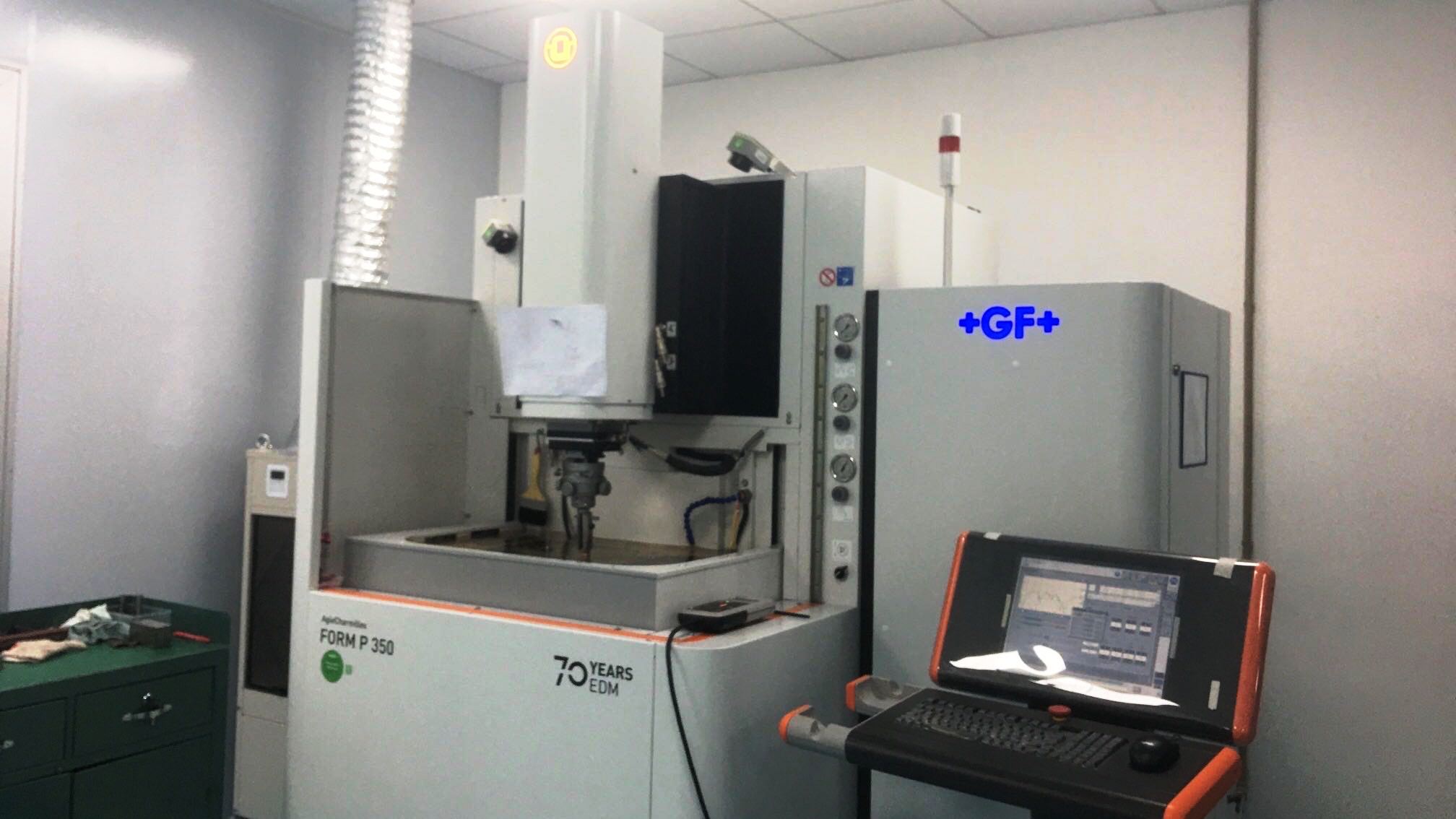
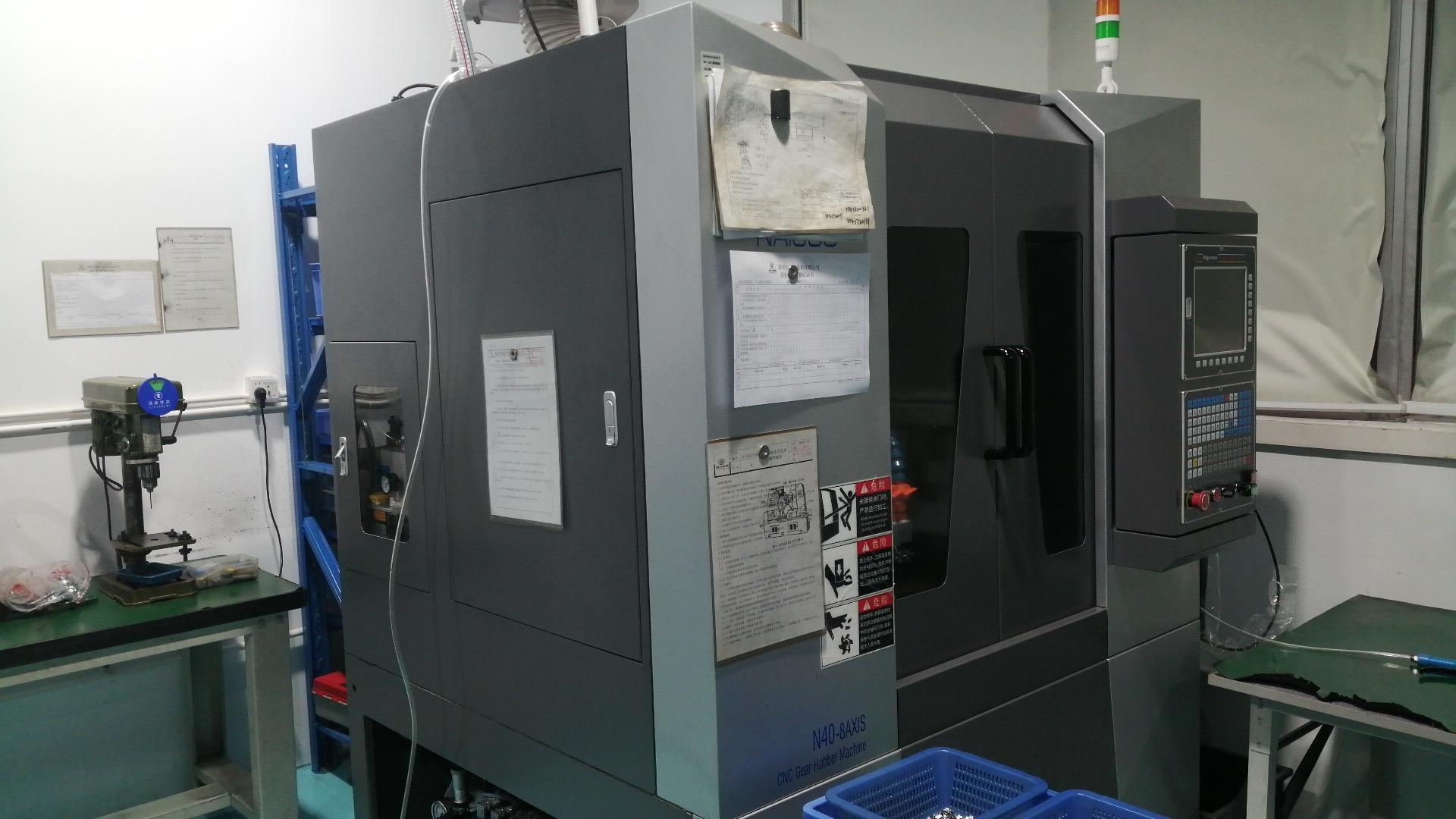
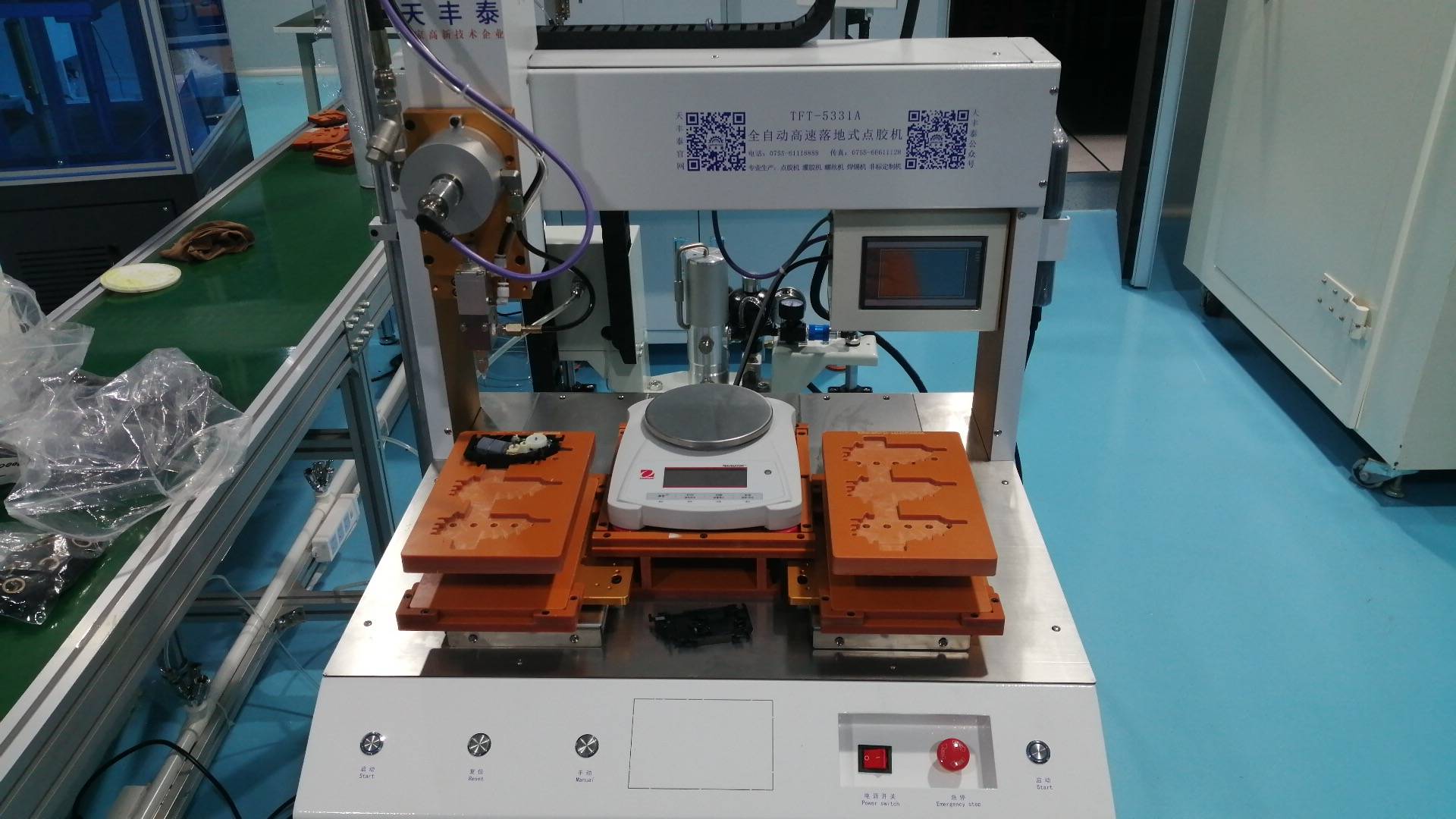
Verifying performance limits under extreme temperature, humidity, load, and acoustic conditions.
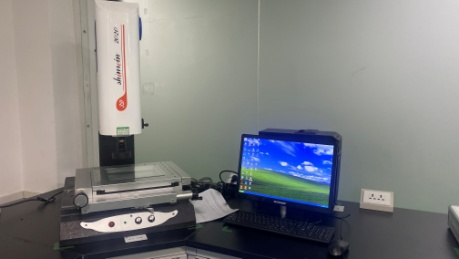
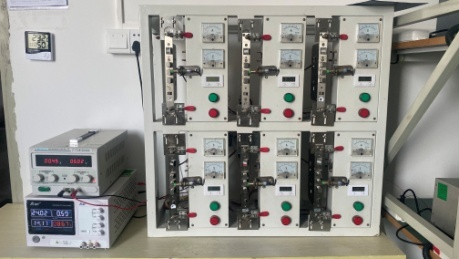
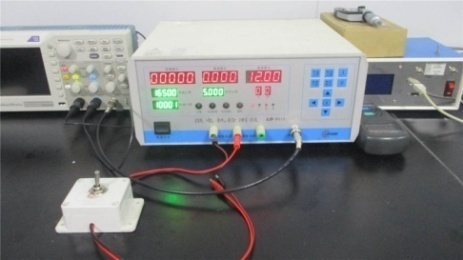
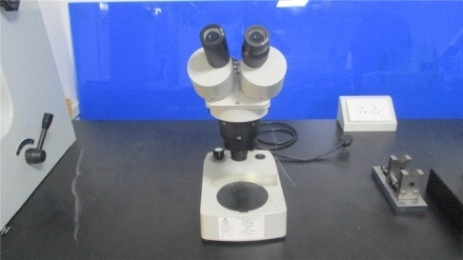
In accordance with the E-E-A-T guidelines, reliable manufacturers must verify mechanical integrity using state-of-the-art laboratory testing. Industrial clients require quantitative evidence of a motor's performance limits. Testing labs evaluate performance criteria such as torque curves under load, salt-spray corrosion rates, and environmental limits inside climate-controlled chambers.
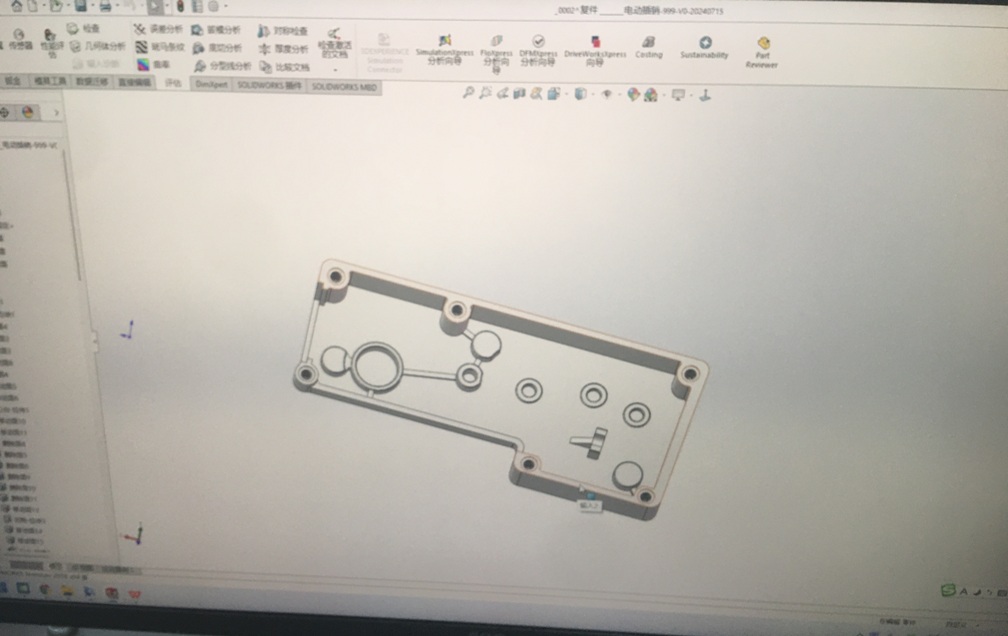
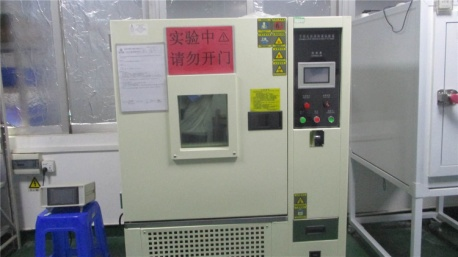
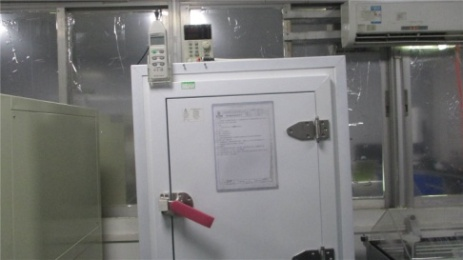
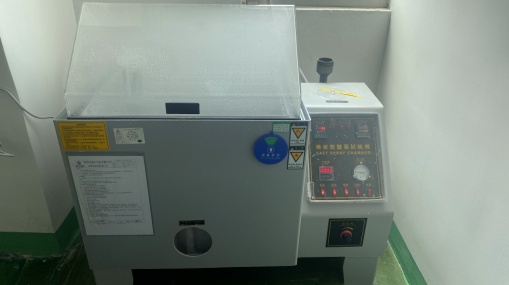
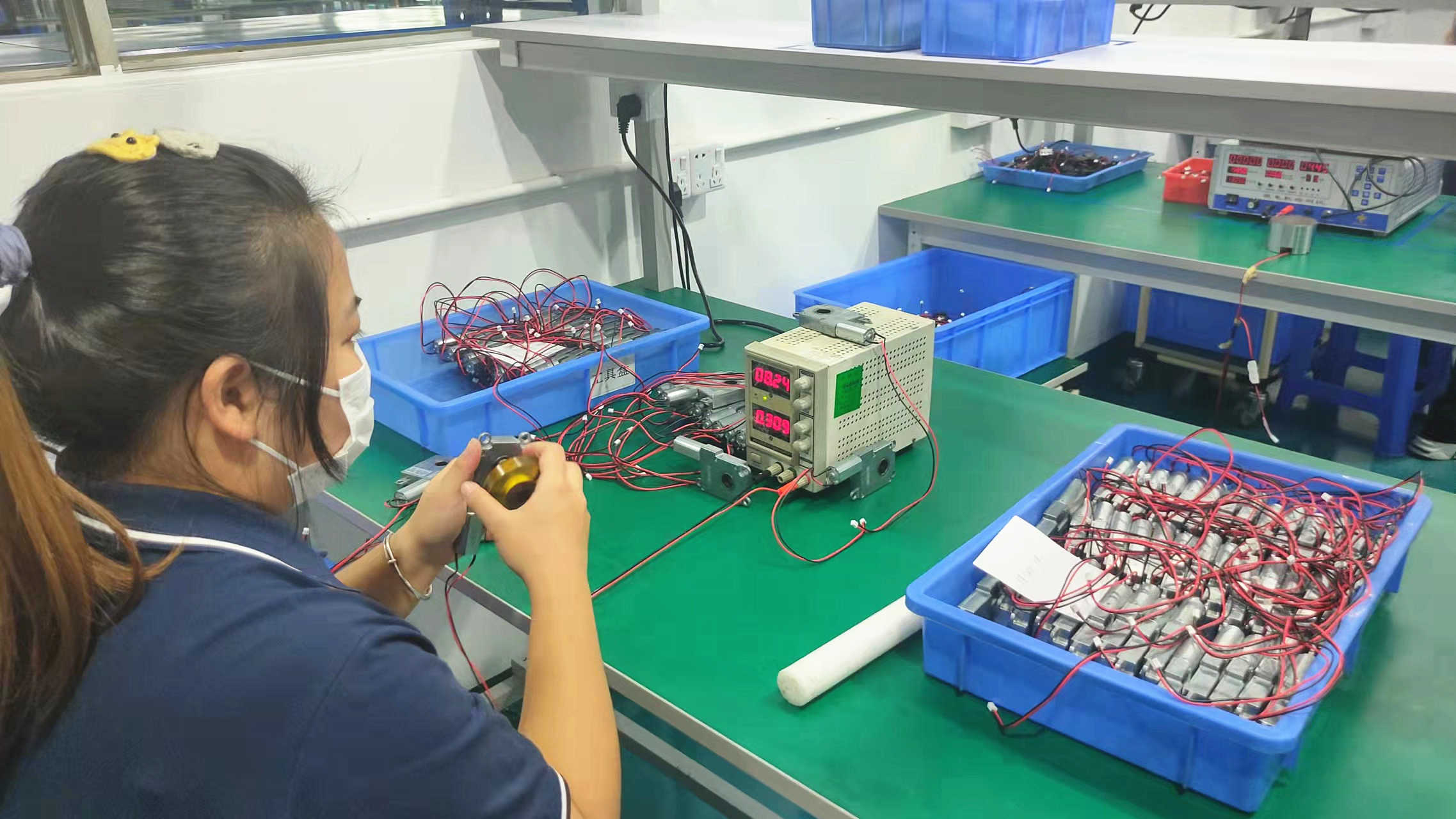
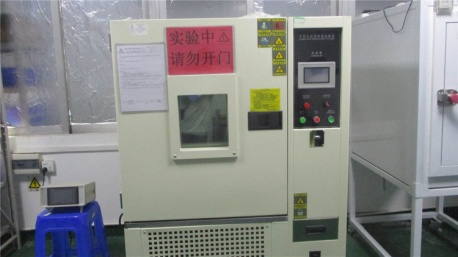
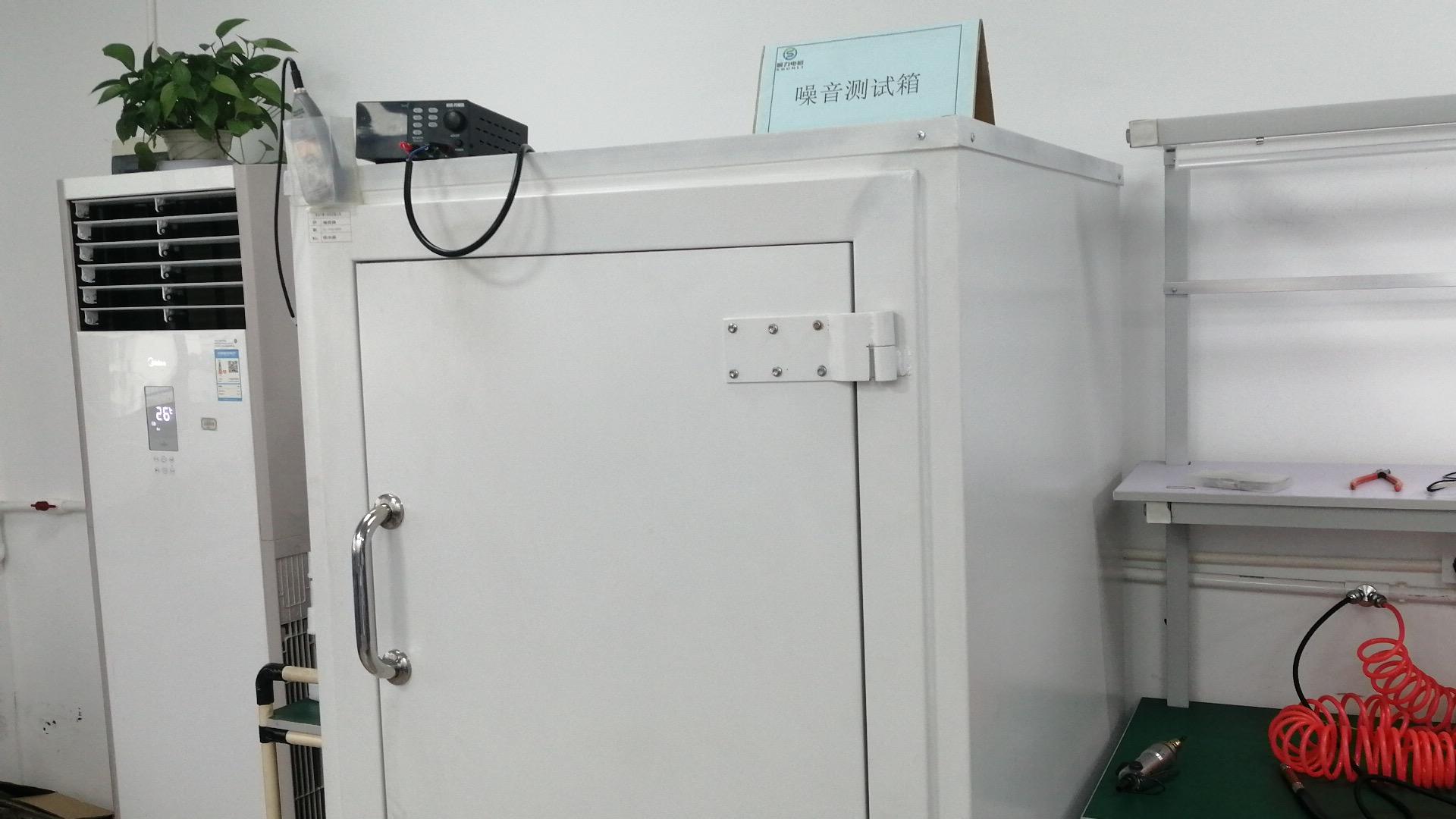
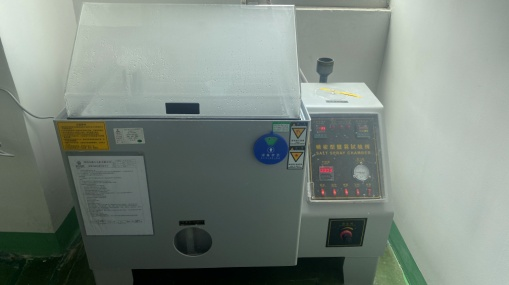
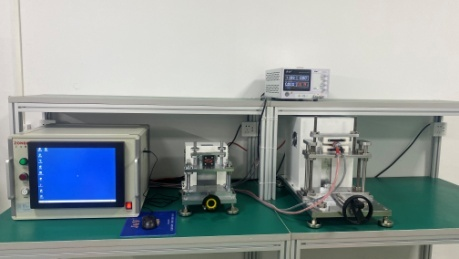
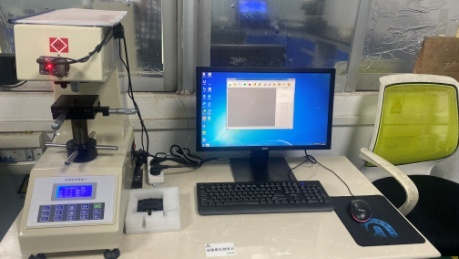
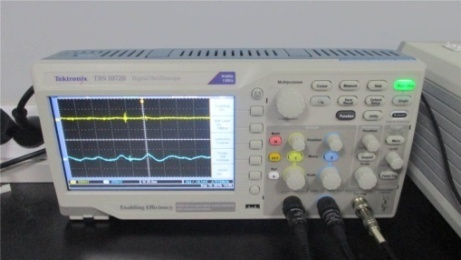
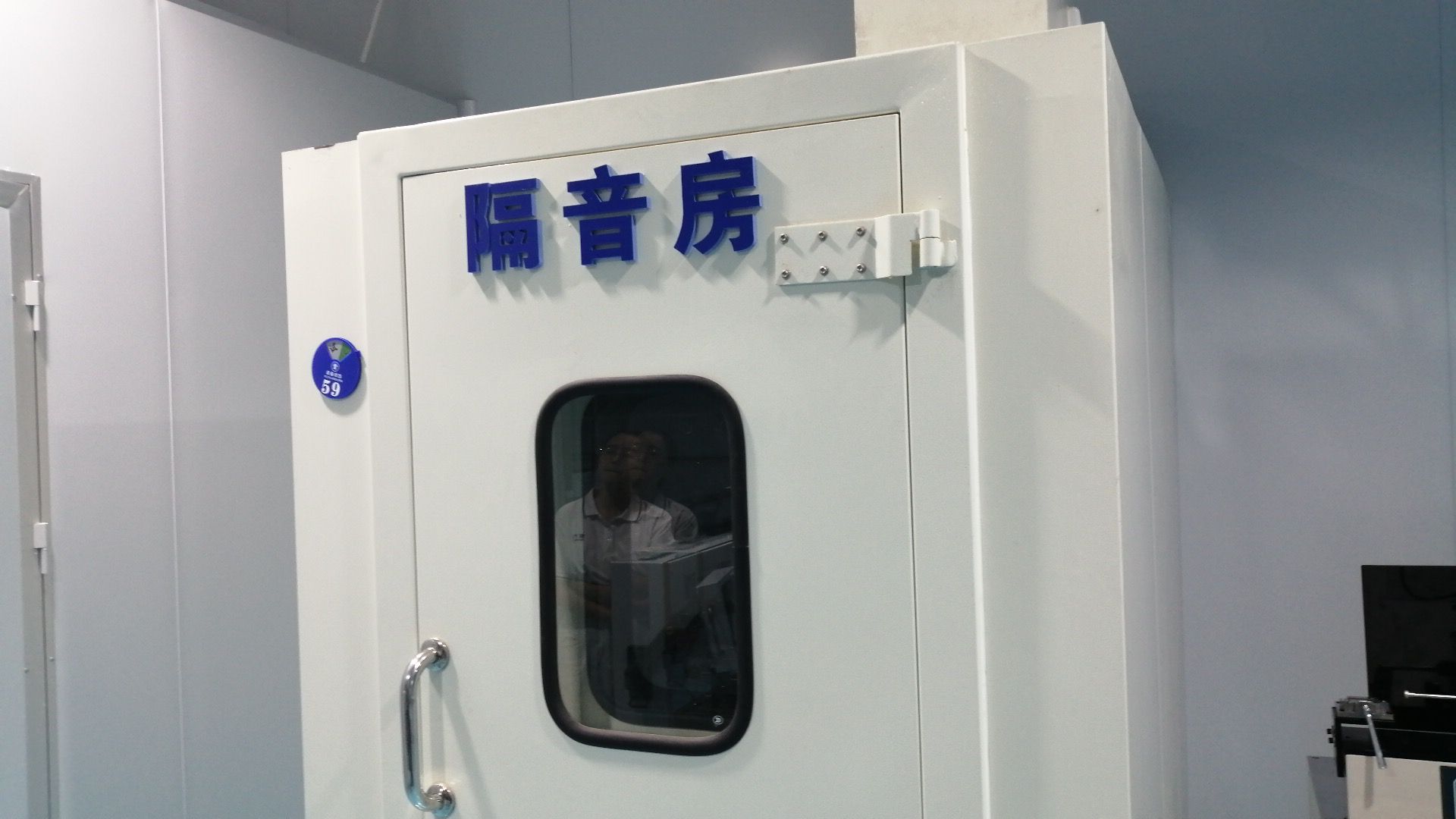
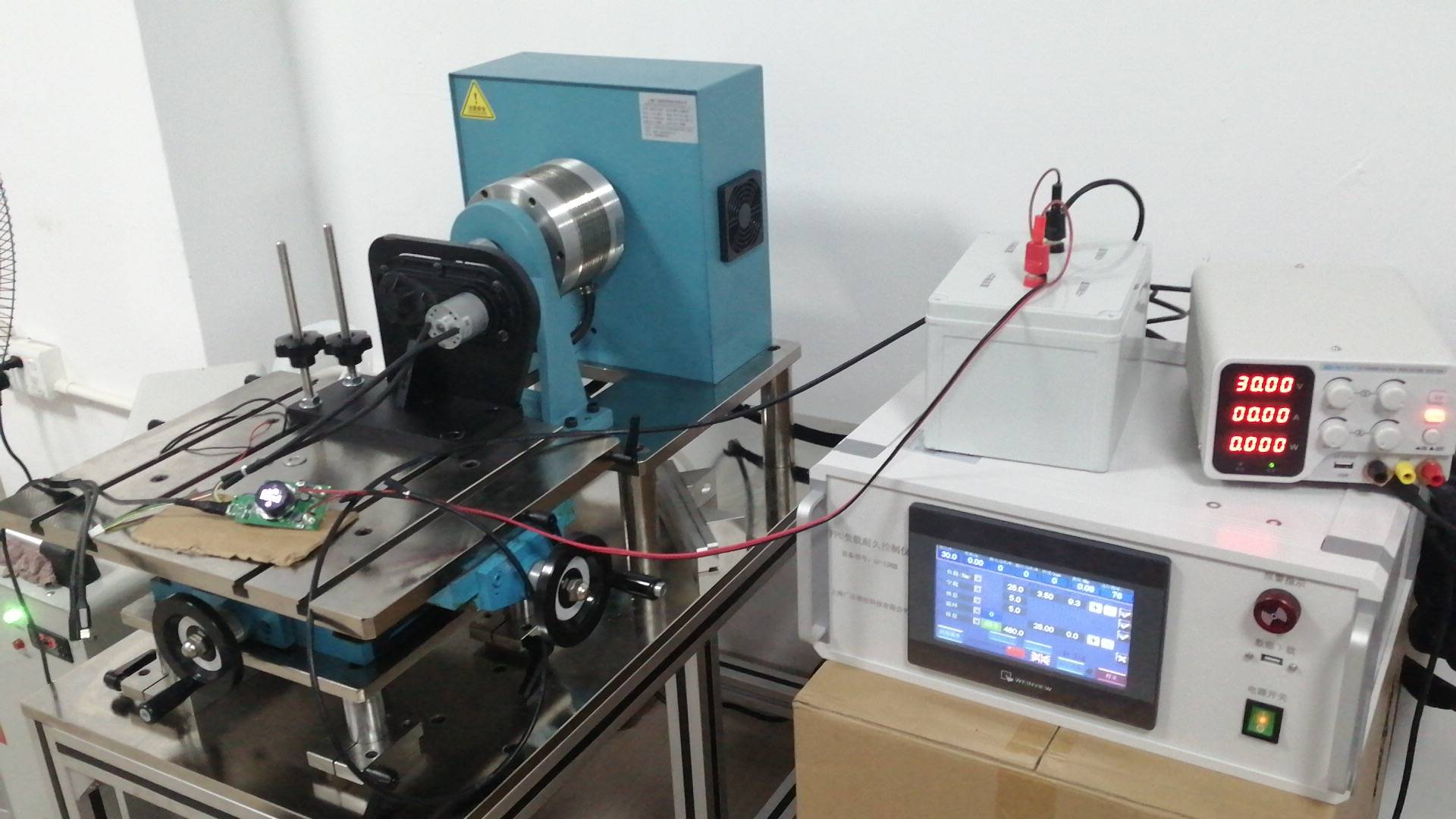
A rigorous audit methodology for hardware engineers and strategic sourcing leads.
When searching for a top-tier partner for high-efficiency micro gear motors, selecting based solely on catalog pricing can lead to system integration issues, high warranty return rates, and project delays. To mitigate risk, procurement leads should evaluate candidates using these ten operational criteria:
High-efficiency planetary systems require sub-micron precision on hobbed and shaved gear teeth. High backlash increases system positioning error and accelerates wear. Top suppliers provide specific tolerance charts showing backlash measured in arcminutes.
Using premium oxygen-free copper and automated computer-controlled winding systems ensures maximum slot fill factor. This reduces electrical resistance, optimizes the magnetic flux path, and prevents localized overheating, yielding direct efficiency gains.
Gears made of sintered iron or low-grade steel fail under sudden shock loads. Top factories use advanced alloys (such as chromium-molybdenum steel) treated with carbonitriding or vacuum induction hardening to achieve a surface hardness rating of 50-60 HRC.
Rotor shaft runout must be strictly controlled (typically <0.02mm) to prevent radial imbalances that generate noise and wear down bearings. Microscopic inspection and coordinate measuring machines (CMM) must be standard tools in the supplier's QC workflow.
Motors operating in outdoor gates or industrial environments require robust protection (IP54, IP65, or IP67). The design must feature high-performance double-lip oil seals, sealed bearings, and O-rings to prevent dust and water ingress.
For smart locks and medical devices, noise is a critical indicator of build quality. Noise testing inside anechoic chambers checks that mechanical vibrations remain below 40dB, which is essential for residential and clinical environments.
Standard motors rarely match custom footprints perfectly. Partners should offer rapid customization, including custom shaft flats, gear ratios, lead wire harness connectors, and mounting flange configurations, without requiring excessive MOQ thresholds.
Operating temperature directly affects magnet lifespan. Motors must be rated for Insulation Class B (130°C) or Class F (155°C). High-efficiency models maintain low temperatures through optimized heat dissipation paths.
Reliable production depends on consistent raw materials. Leading suppliers source high-grade NdFeB magnets, premium bearings (such as NMB or NSK), and certified lubricants to ensure long-term torque consistency.
Global shipping requires CE, UL, RoHS, and REACH certifications. Sourcing from certified factories ensures smooth customs clearance and compliance with regional safety mandates.
Exploring the next generation of micro-drive efficiency, smart integration, and material sciences.
The micro-drive industry is undergoing a transition driven by three key developments: the adoption of brushless DC (BLDC) architectures, the integration of smart sensors, and advanced materials science. While brushed PMDC motors remain popular for cost-sensitive applications, BLDC drives are increasingly selected for high-duty-cycle setups. Eliminating carbon brushes removes mechanical wear and electrical arcing, extending service life beyond 10,000 hours.
Smart integration is also reshaping product architecture. Motor housings now feature built-in magnetic or optical encoders, providing high-resolution positioning feedback directly to centralized control systems. Additionally, the development of eco-friendly magnetic alloys and biodegradable synthetic lubricants is helping manufacturers meet stricter global environmental standards, ensuring compliance with future circular economy regulations.
Addressing common technical inquiries and engineering considerations for high-efficiency gear motors.
Overall efficiency is determined by electrical efficiency (minimizing copper and core losses in the winding and rotor) and transmission efficiency (reducing sliding friction in the gear train). For example, multi-stage spur gearboxes typically achieve 90% efficiency per stage, whereas worm gear configurations may drop to 40%-60% due to sliding friction, though they offer self-locking advantages.
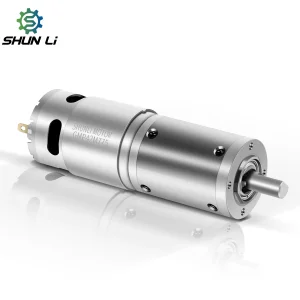
Planetary gearboxes distribute torque load across multiple planet gears, providing high torque density, low backlash, and high efficiency in a compact coaxial design. Worm gearboxes transmit force at a 90-degree angle and are less efficient, but they provide high single-stage gear reduction ratios and inherent self-locking capabilities.
Smart locks and indoor electronics operate close to users, making loud mechanical whines undesirable. Reducing noise requires high gear precision, optimized lubrication, and dampening housings to keep sound levels below 40dB, which also indicates lower internal vibration and wear.
Yes, provided they feature the correct ingress protection (typically IP65 or higher). This requires specialized shaft seals, gasketed joints, and corrosion-resistant finishes (verified via salt-spray testing) to prevent rain and dust from entering the motor or gearbox housing.
Continuing our technical catalog with high-output AC and DC micro-gearmotors, built to meet global industrial standards.
 Syncdrive Motor