Engineered to comply with stringent global efficiency requirements, these high-torque, low-noise micro-drives represent the cutting edge of sustainable motion control technology.
As the international industrial community moves closer to net-zero carbon targets, the requirements placed on electrical drive systems have changed fundamentally. Once judged strictly on torque density, price, and form factor, the modern gear motor is now evaluated through a comprehensive life-cycle assessment (LCA) framework. For Global Procurement Directors, Technical Directors, and Chief Product Engineers, selecting "environmentally friendly gear motor manufacturers" has transitioned from a Corporate Social Responsibility (CSR) checkbox to a mission-critical financial and operational necessity.
Information Gain Perspective: Global regulations like the European Union's Ecodesign Directive (including expanding frameworks for small motors under 120W) and the global rise of ISO 14067 (Carbon Footprint of Products) are forcing B2B enterprises to map their supply chain's Scope 3 emissions. The gear motor, being the active prime mover in everything from medical pumps and green energy trackers to automated locks, represents a key node where systemic energy efficiency gains can be realized.
Energy efficiency regulations across major global regions have evolved. While industrial focus historically centered on large-scale polyphase induction motors, modern regulatory frameworks are expanding downstream into fractional horsepower (FHP) drives and micro-gearmotors. Manufacturers who proactively design their systems to reduce parasitic mechanical losses—such as friction in worm gearboxes, magnetic drag in stator laminations, and thermal losses under heavy duty cycles—provide B2B buyers with a significant advantage in international compliance and market entry.
Furthermore, green procurement requires looking beyond operational efficiency to scrutinize raw material transparency. Leading manufacturers are systematically purging heavy metals, restricted phthalates, and conflict minerals from their production processes. The adoption of lead-free soldering, compliance with the recast EU RoHS Directive (2011/65/EU and its amendments), and adherence to REACH chemical declarations are now standard baselines. These steps prevent downstream product liability and simplify end-of-life recycling procedures, establishing a robust circular economy for consumer electronics, automotive assemblies, and home automation systems.
Our philosophy: Engineered to last. Built to fit. Bringing transparency, scalability, and eco-conscious engineering to global industrial markets.
Every groundbreaking smart device needs a reliable pulse. Syncdrive Motor designs and manufactures high-efficiency micro-drives that serve as the invisible, robust core inside next-generation robotics, smart home applications, and aerospace medical tools worldwide. By blending advanced automation with a passion for micro-engineering, Syncdrive Motor provides global B2B clients with the transparency of a local engineering partner and the massive scale advantages of a top-tier Chinese factory. We don't just sell motors; we build the core axis that keeps your business moving forward.

Empirical data demonstrating the operational and ecological advantages of modern green motor designs.
What sets a world-class, environmentally responsible gear motor supplier apart in today's competitive and regulated landscape.
State-of-the-art stator winding techniques maximize the copper slot-fill factor, drastically cutting resistance (I²R copper losses) and operating temperatures to extend overall lifetime.
Replacing petroleum-heavy greases with high-performance, biodegradable, low-friction synthetic lubricants reduces internal viscous drag while preventing chemical leakage.
Advanced factories feature recycling pipelines for gear steel, copper winding scrap, and aluminum housing off-cuts, significantly dropping the overall carbon intensity of raw material processing.
High-precision gear hobbing and automated rotor dynamic balancing mitigate vibrational harmonics, offering whisper-quiet operations crucial for residential and clinical settings.
True sustainable factories are verified through rigorous ISO 9001, ISO 14001, and ISO 45001 certification schemes, maintaining completely traceable component supply chains.
Developing products to last is the highest form of ecological design. Top suppliers design gearboxes with specialized wear-resistant materials to maximize active service lifespans.
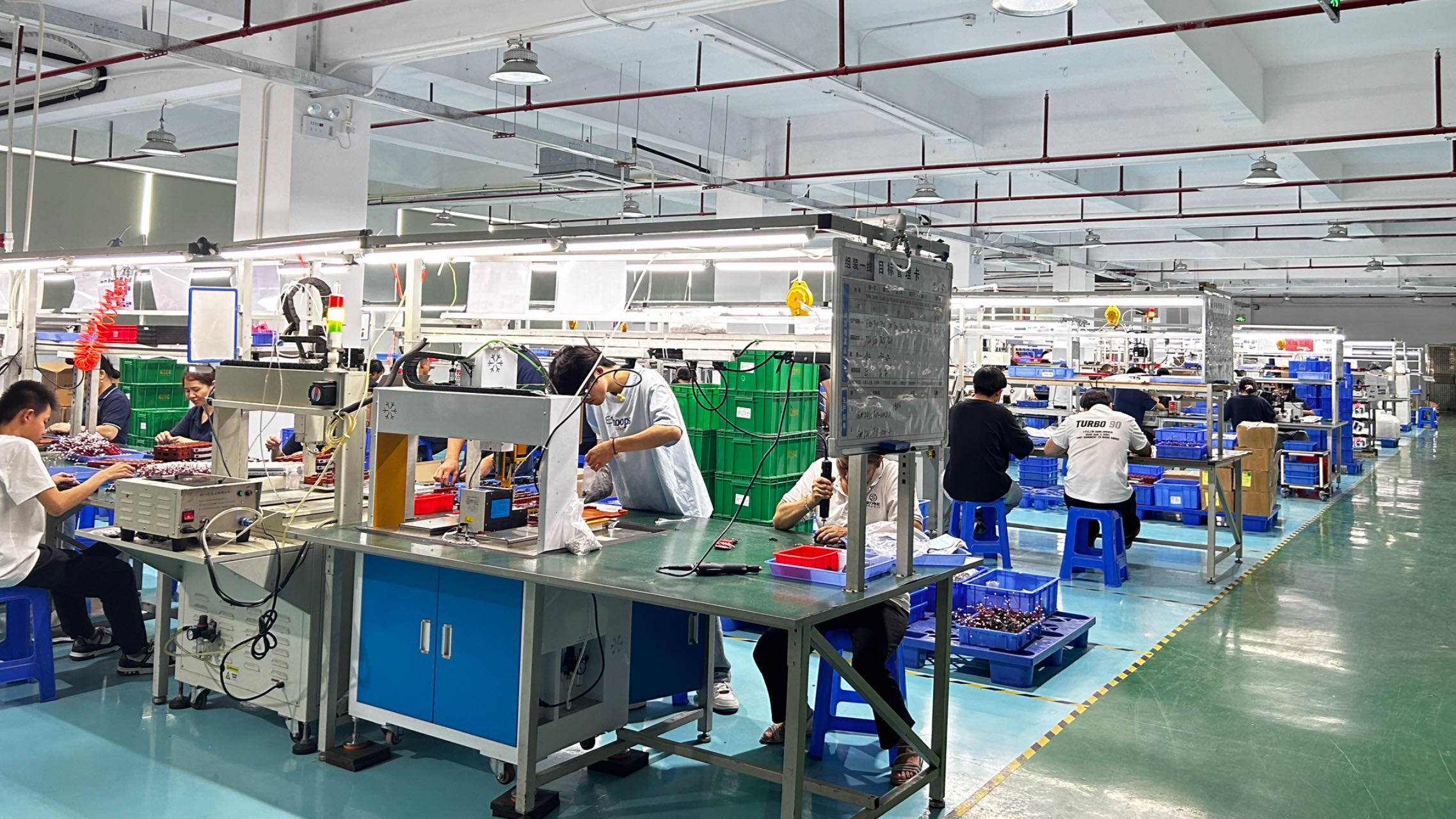
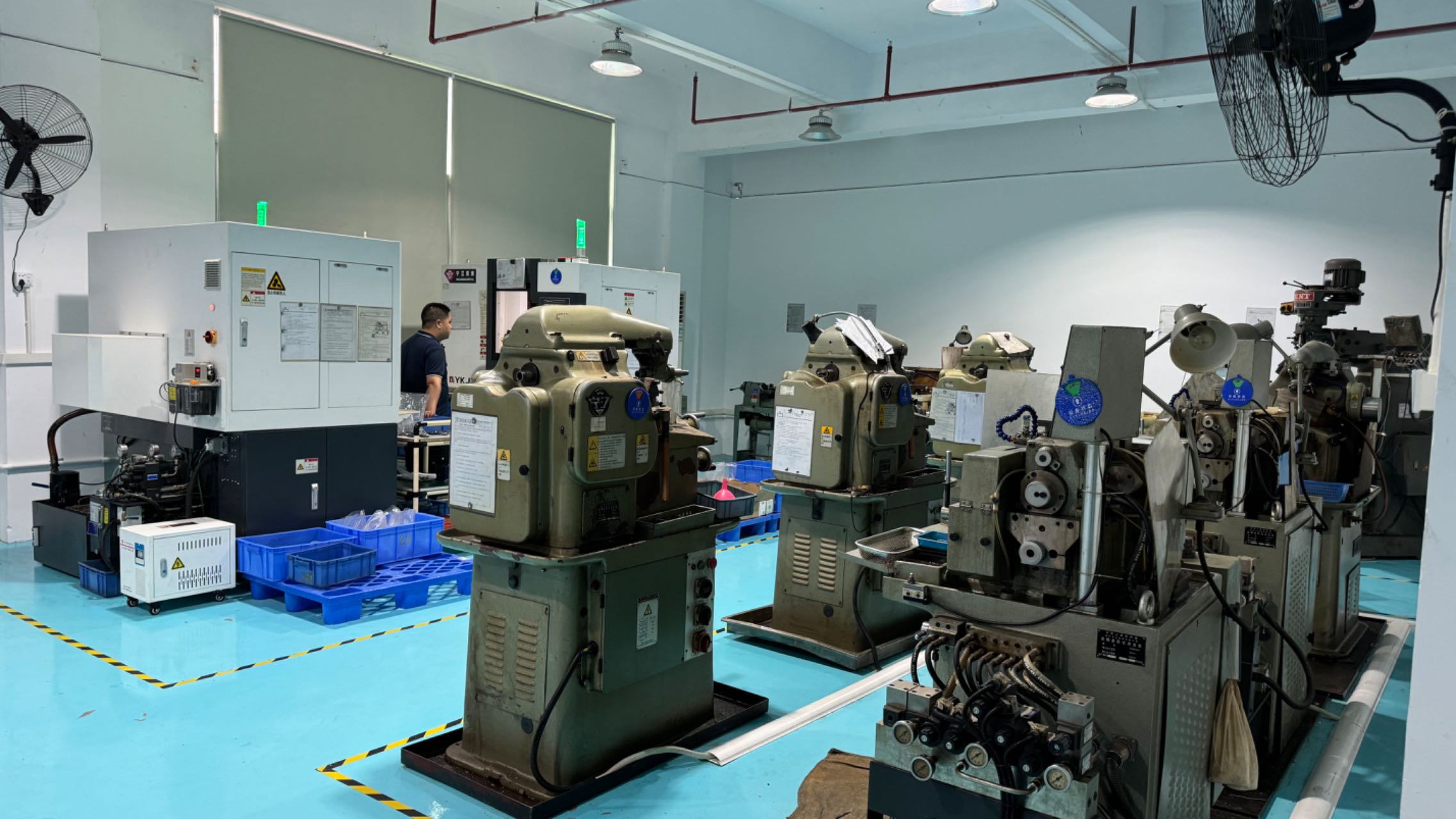
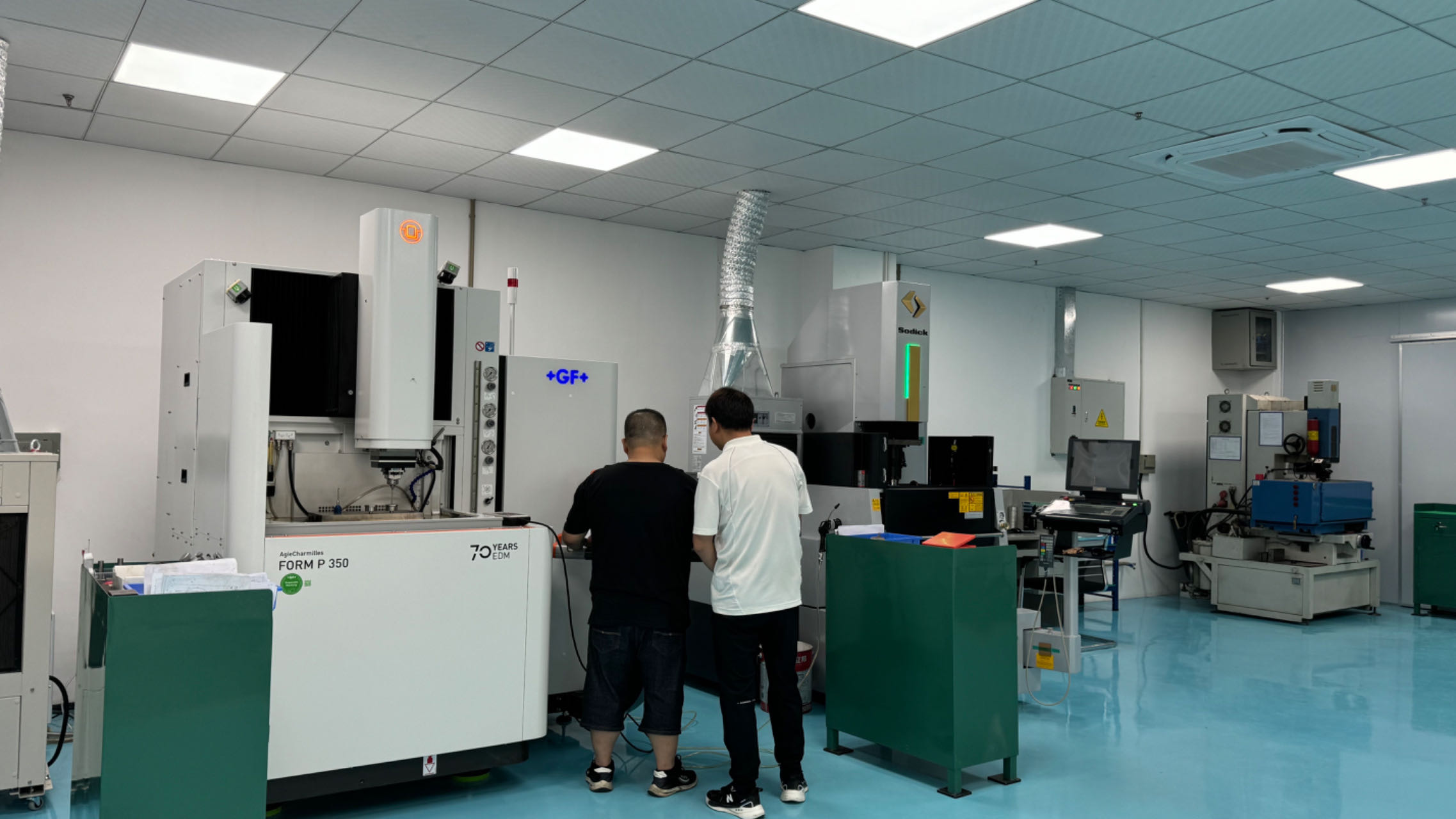
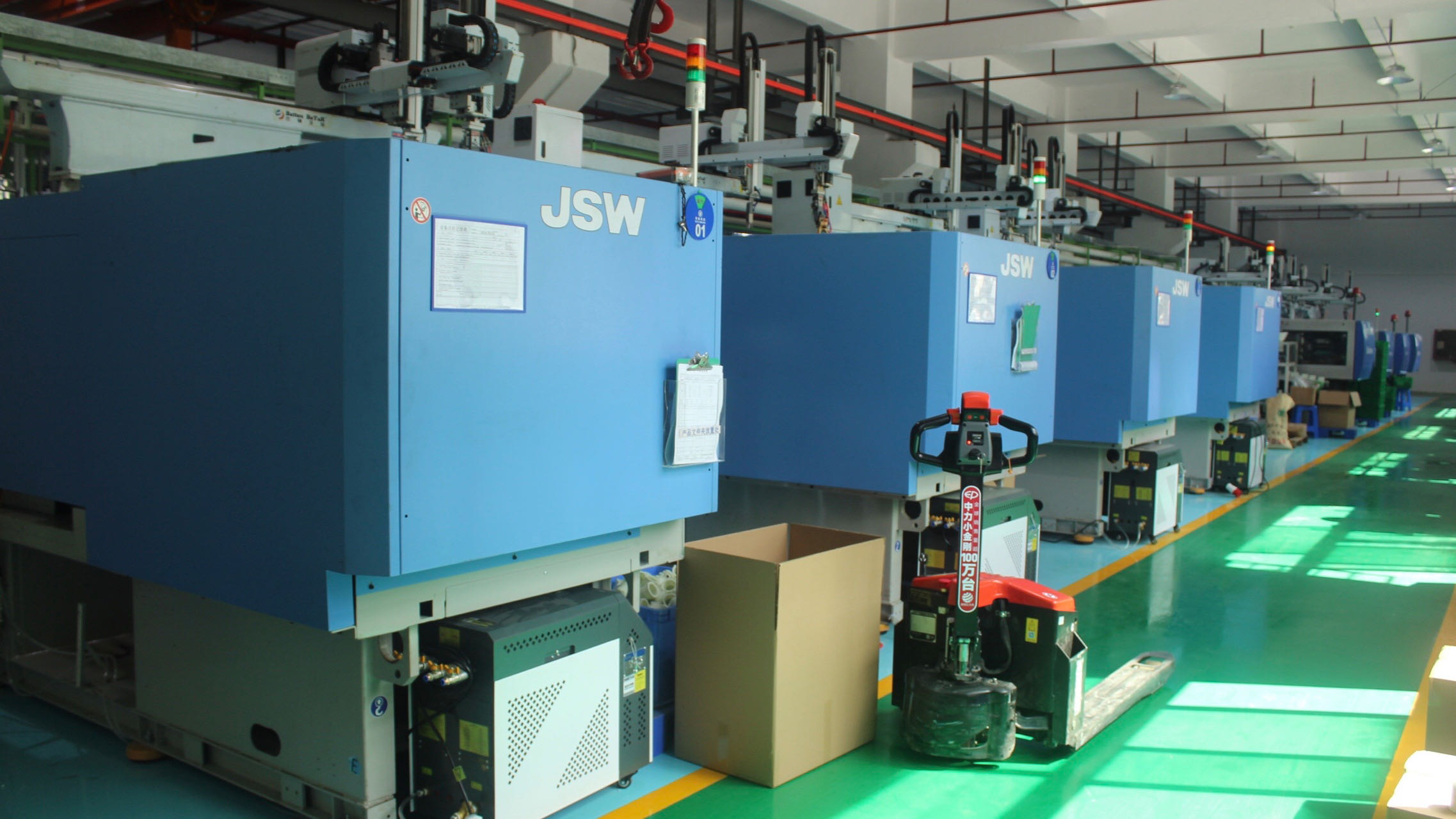
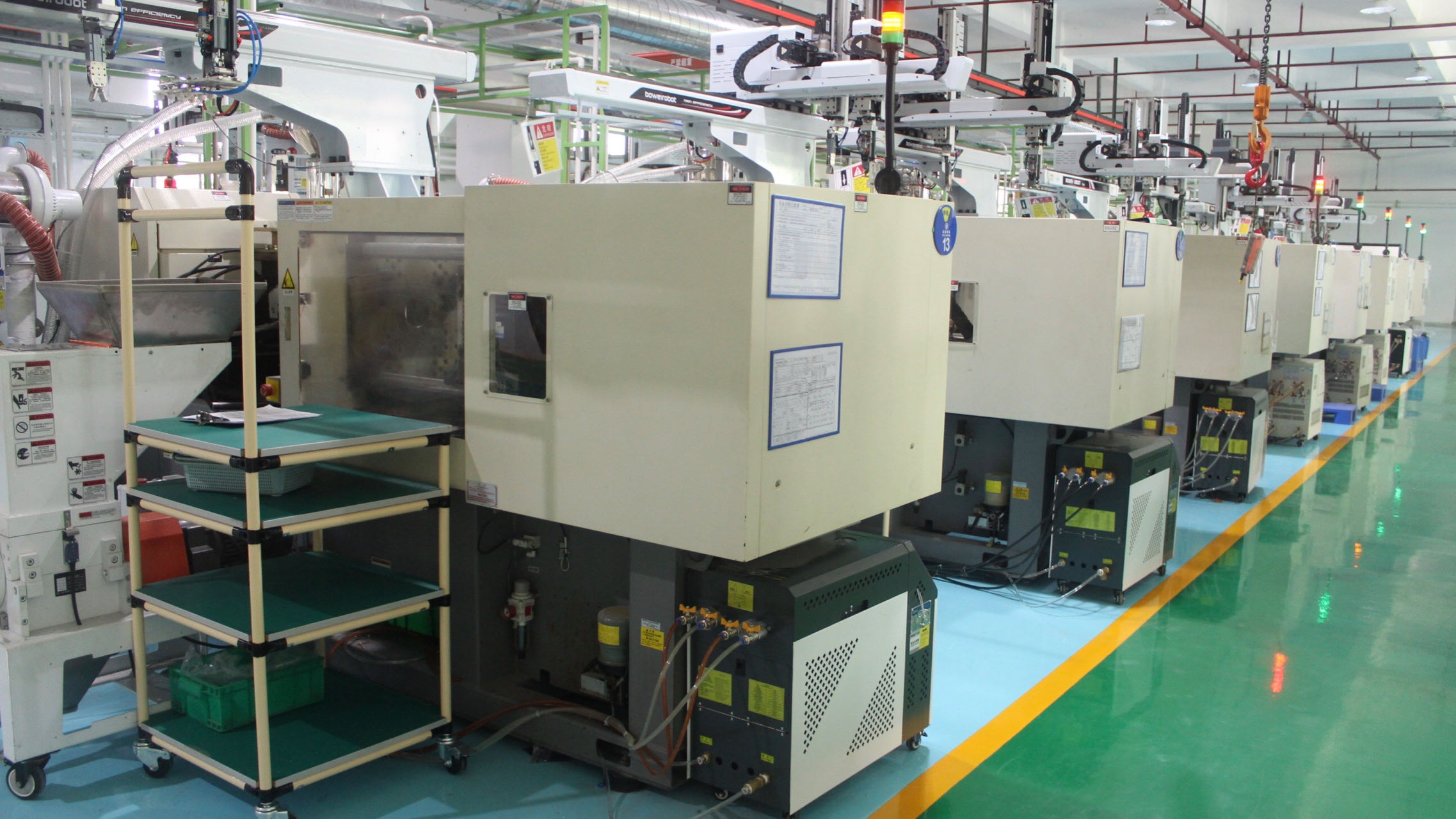
Tracing every phase of micro-drive creation—from sustainable material sourcing to low-loss manufacturing and automated packaging.

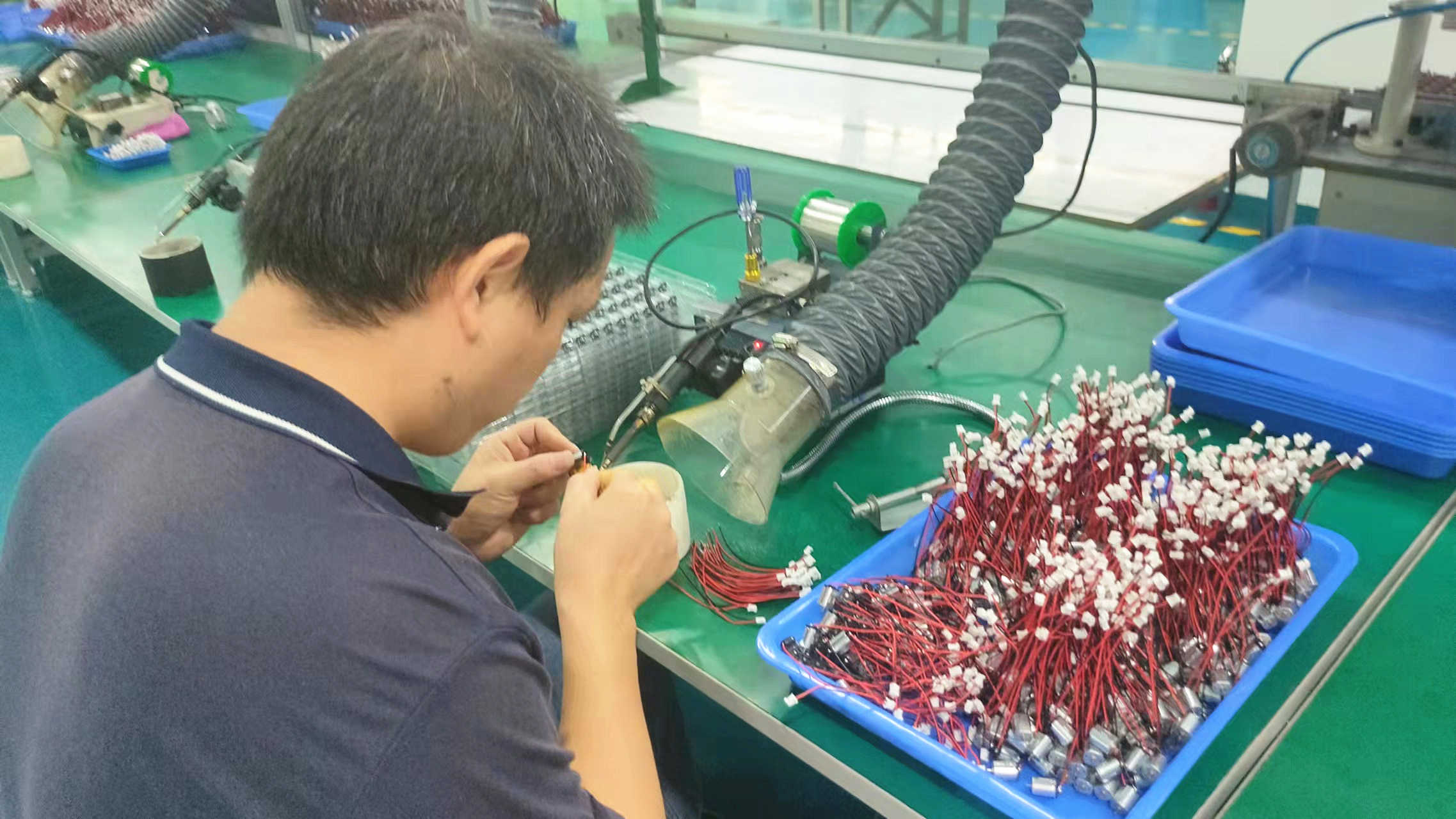
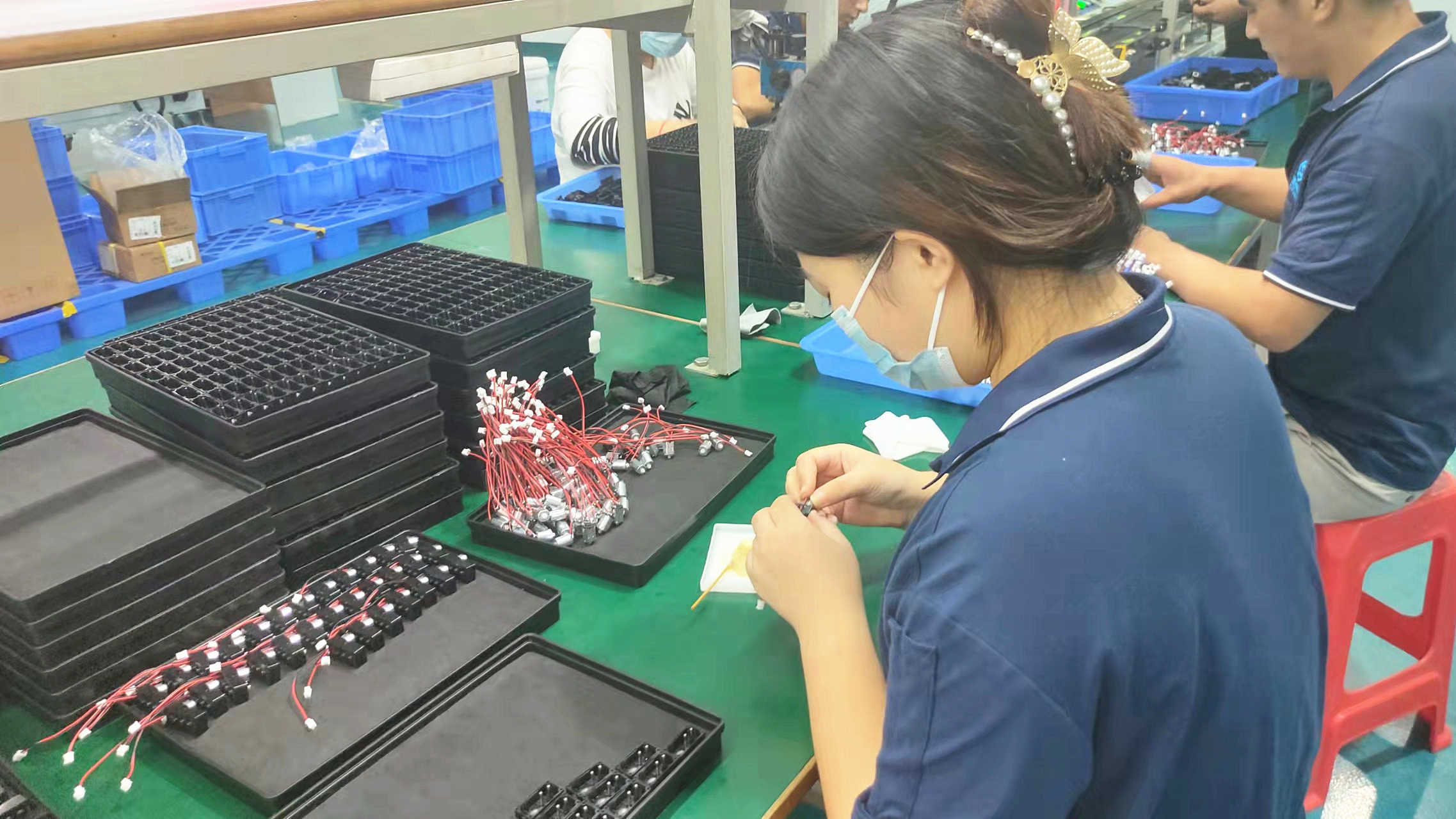
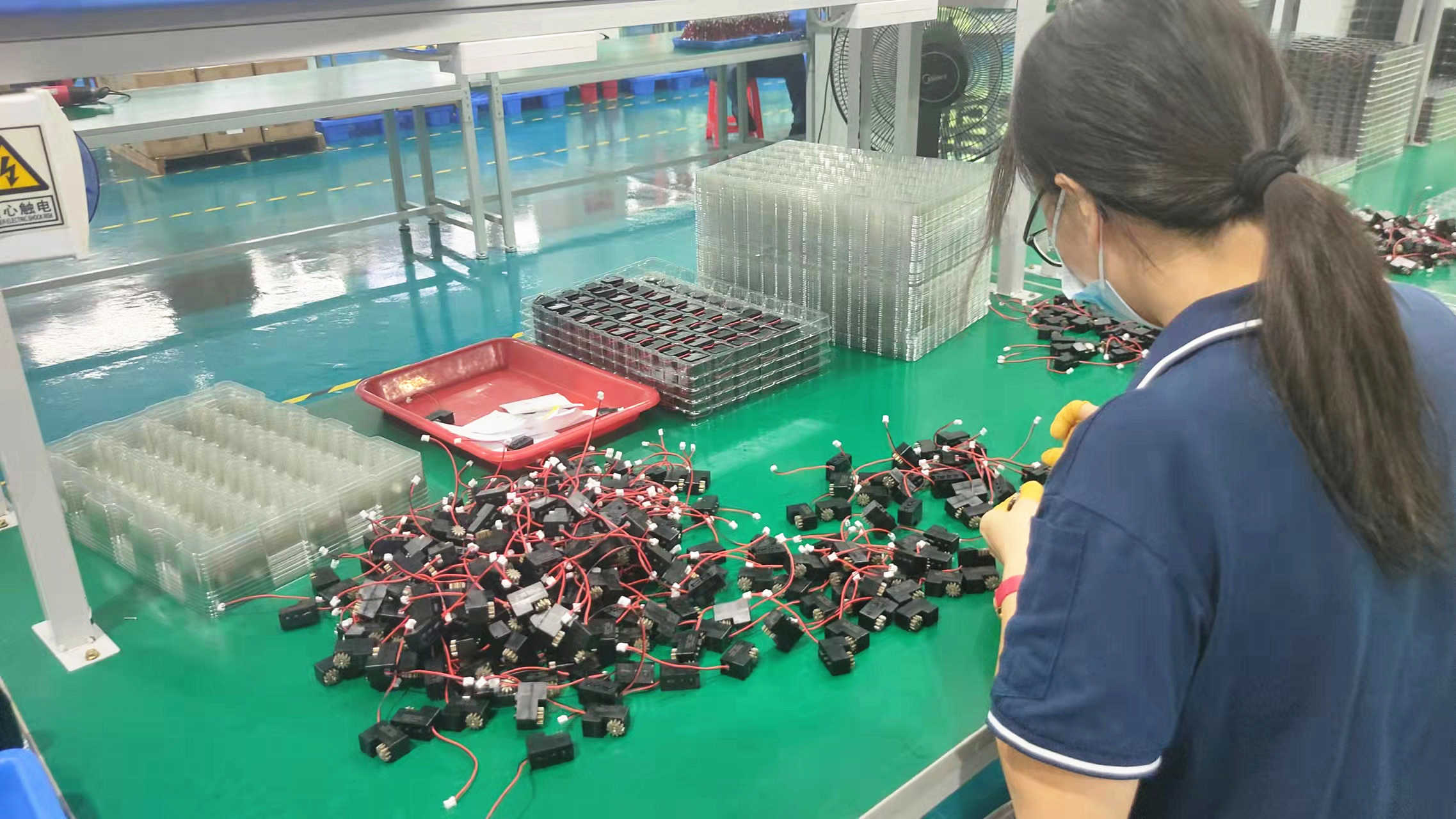
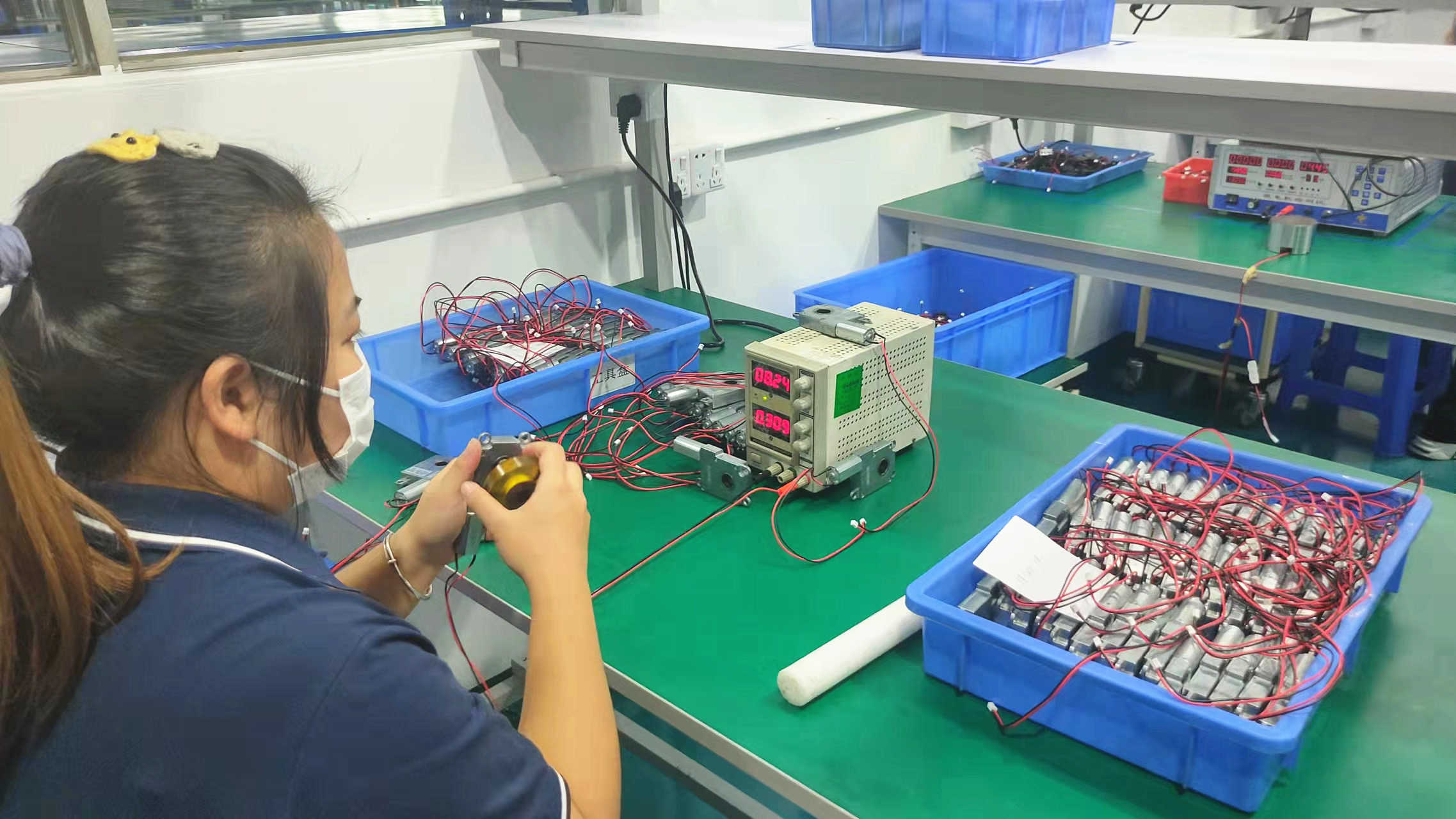
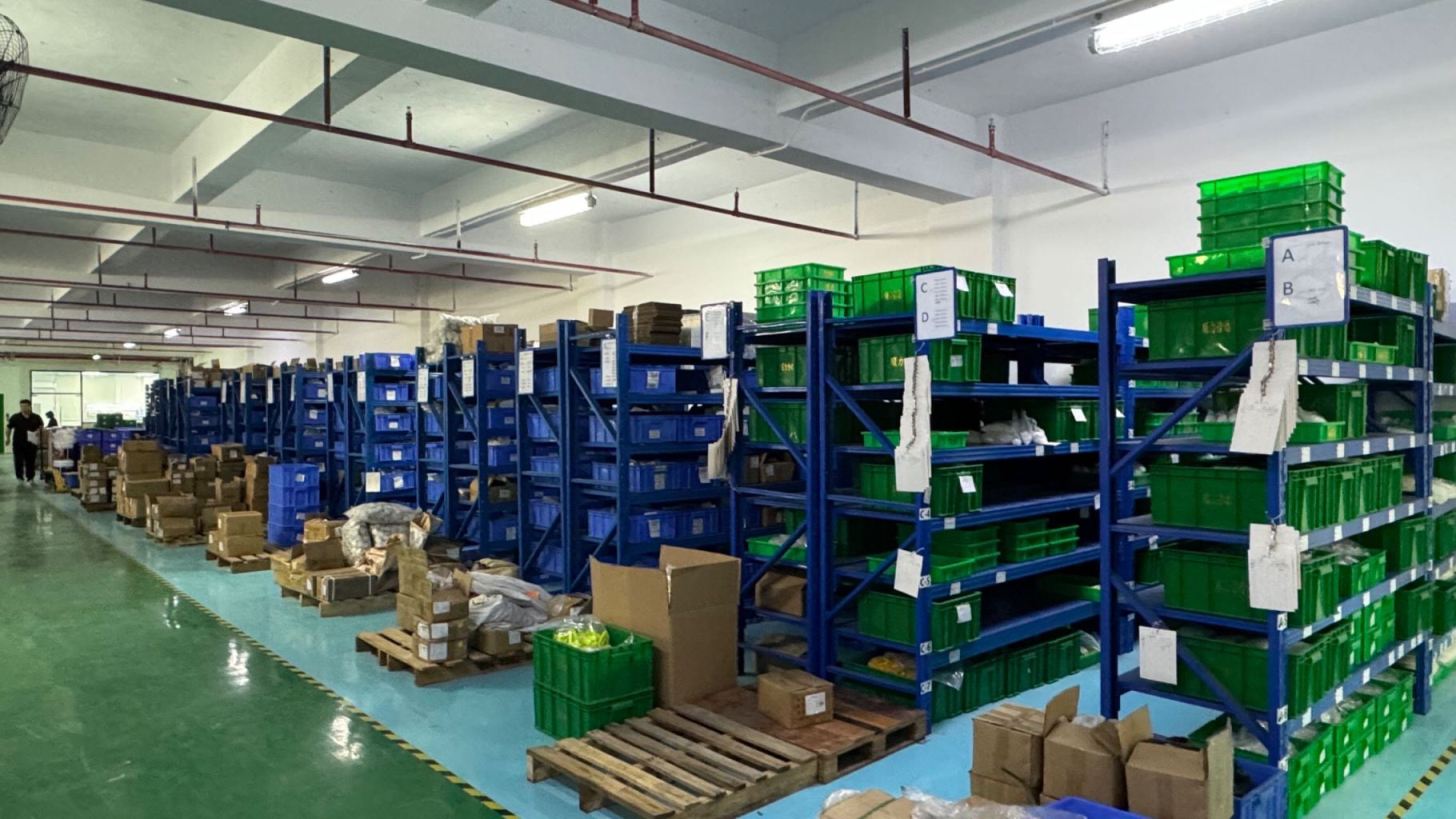
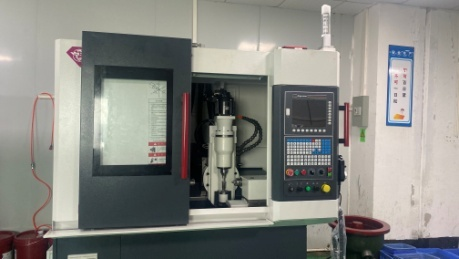
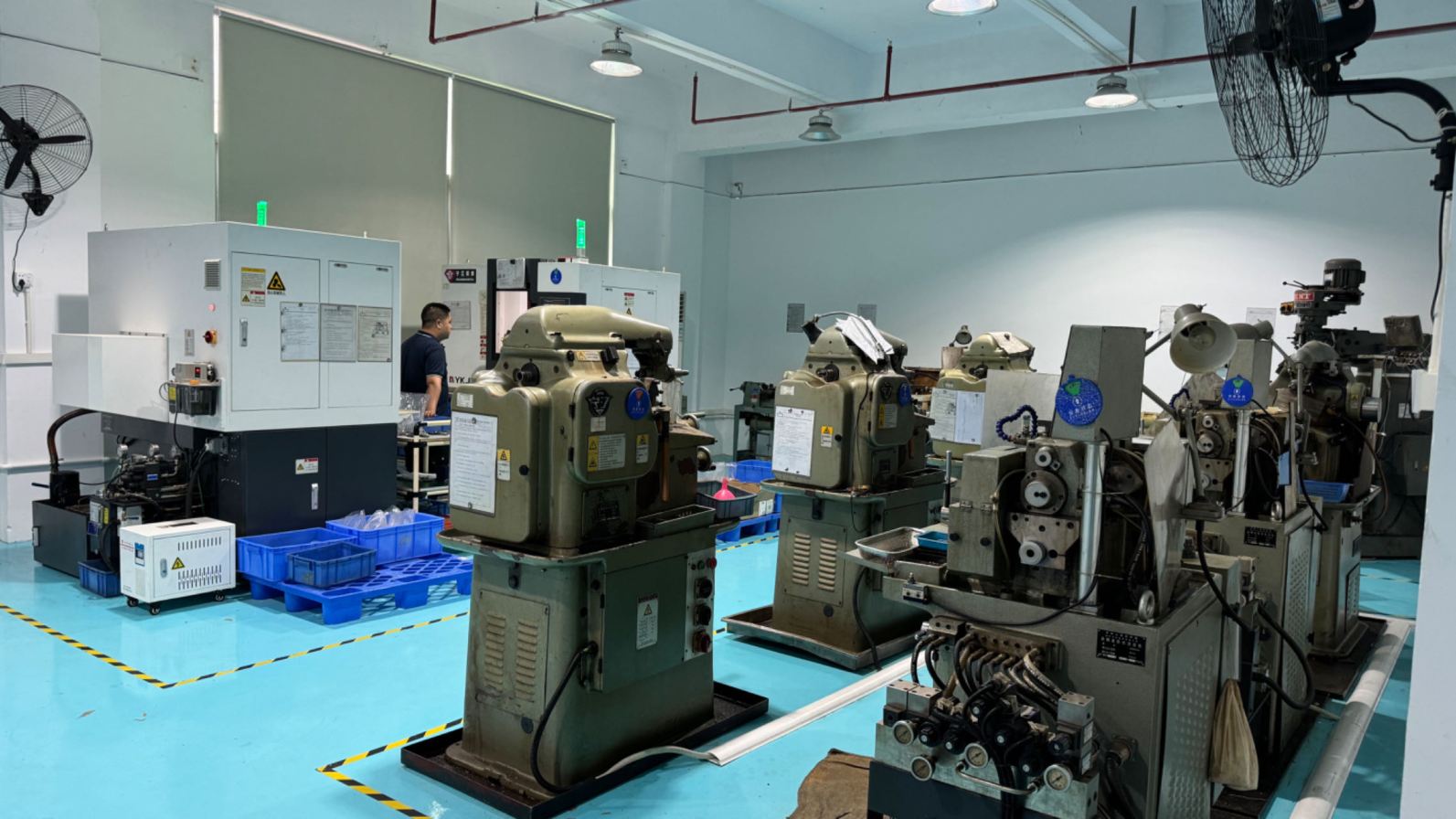
Our manufacturing floor is equipped with leading CNC systems, wire-cut units, and assembly automations to keep dimensional tolerances within microns.
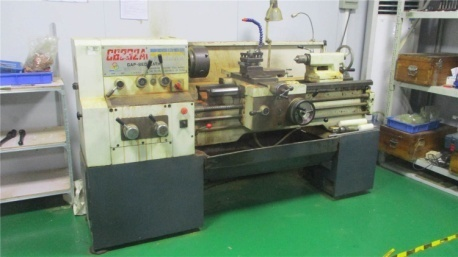
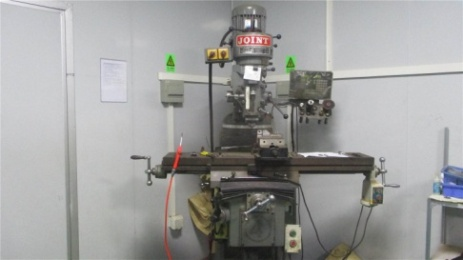
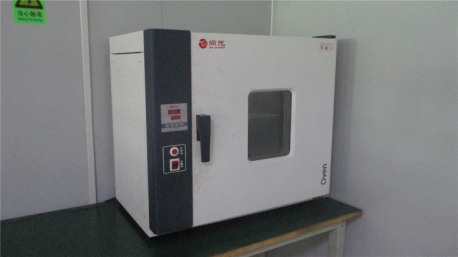
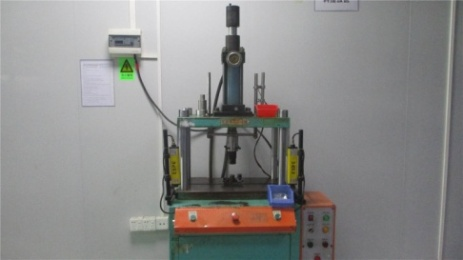
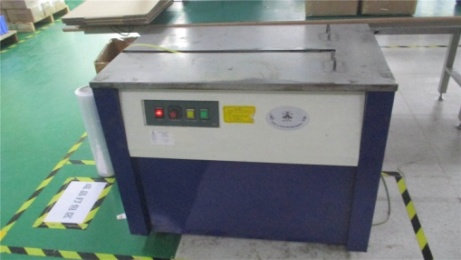
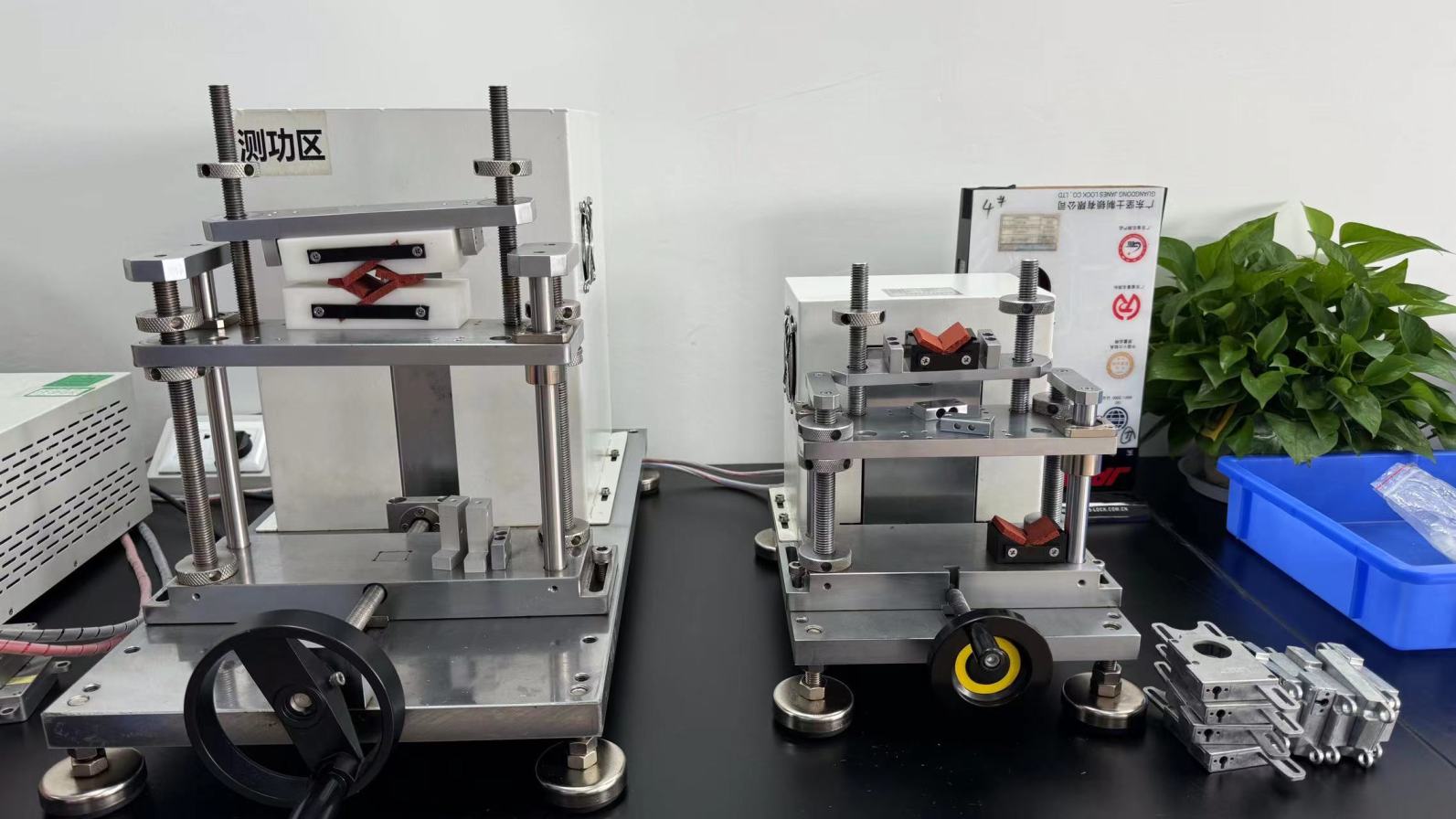
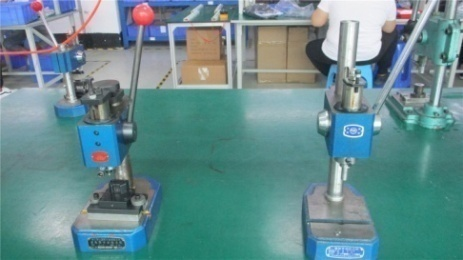
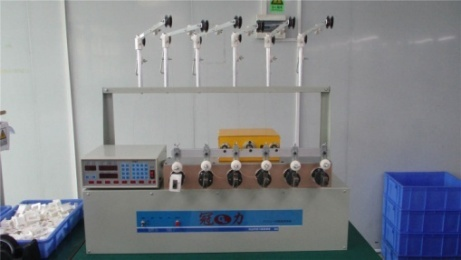
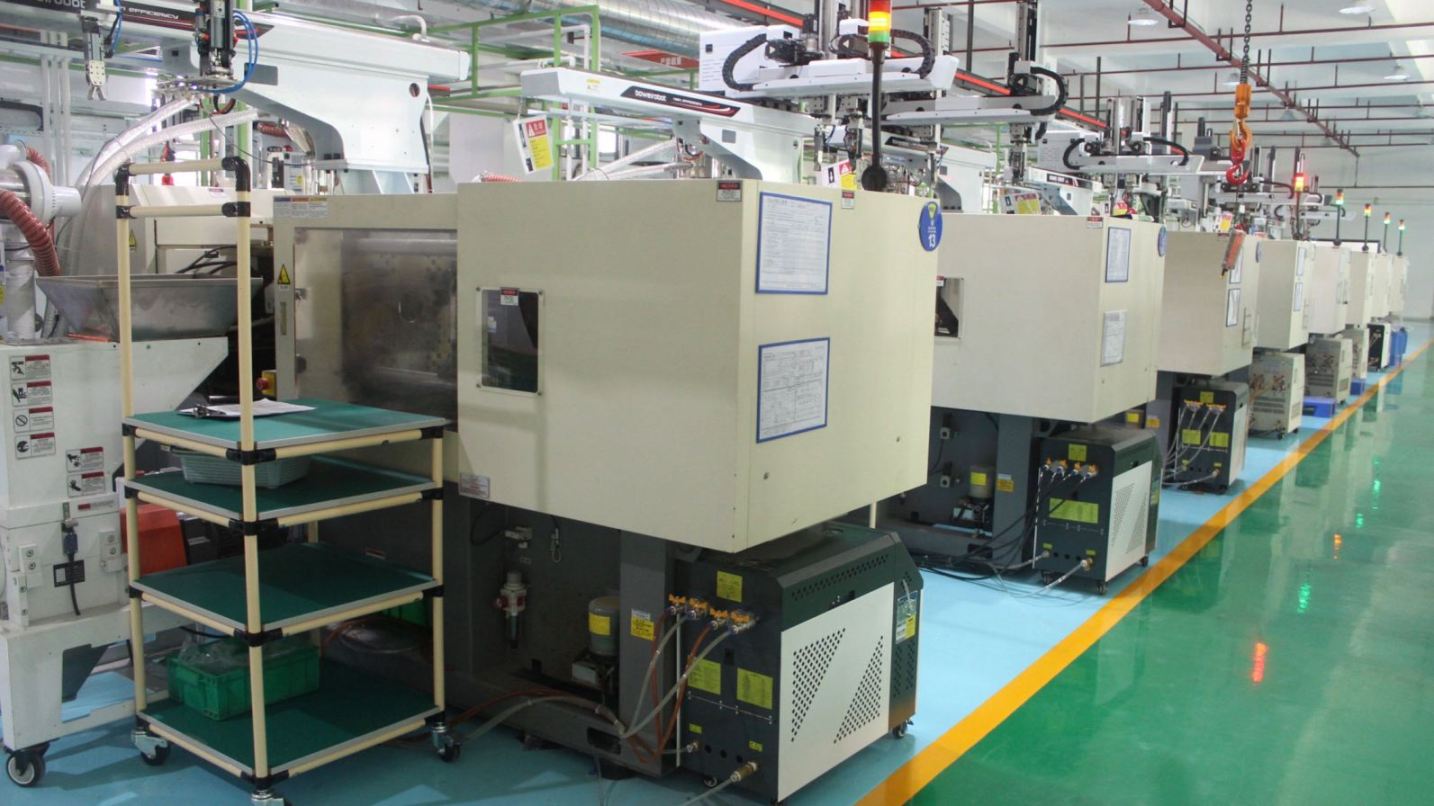
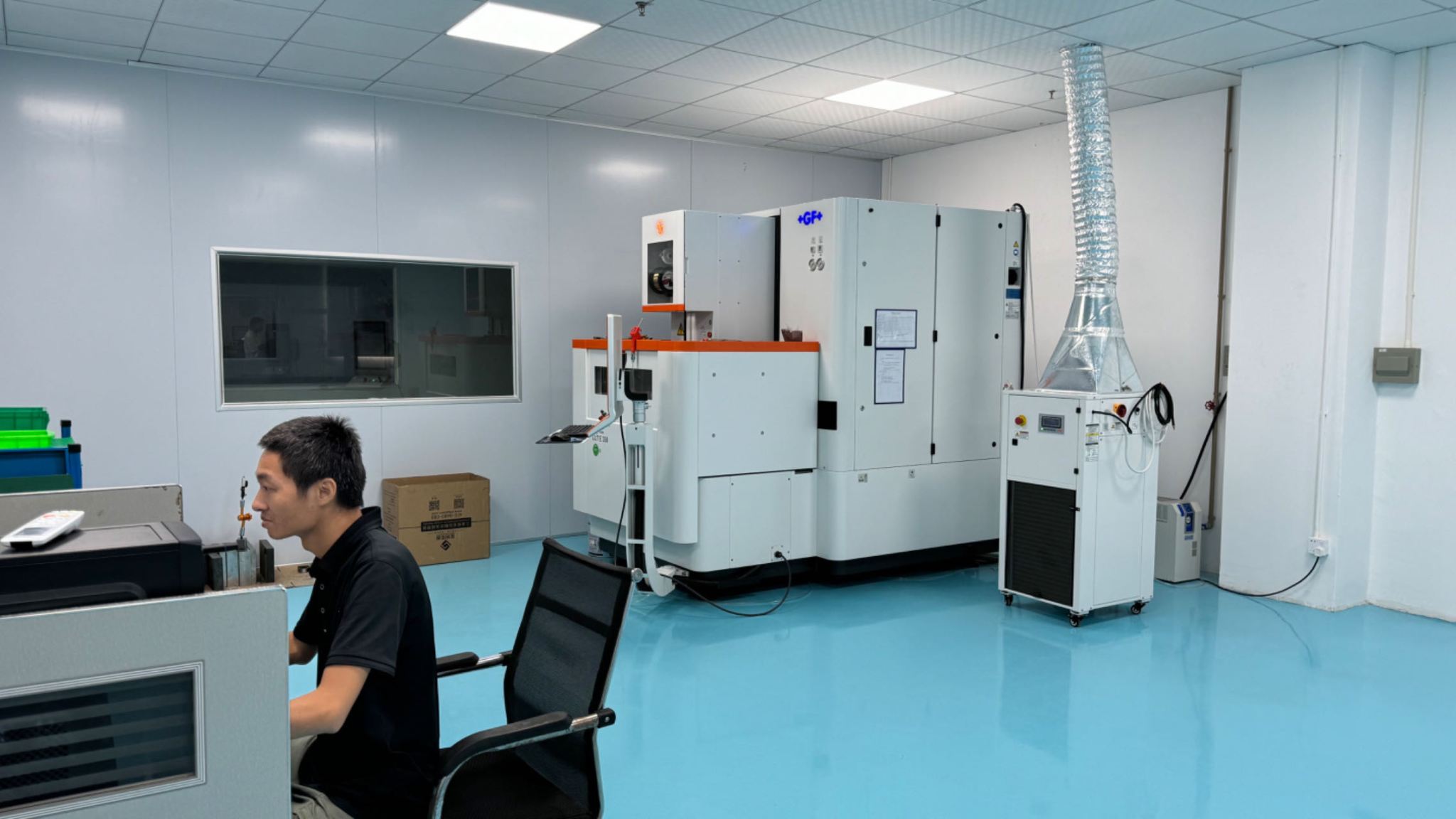
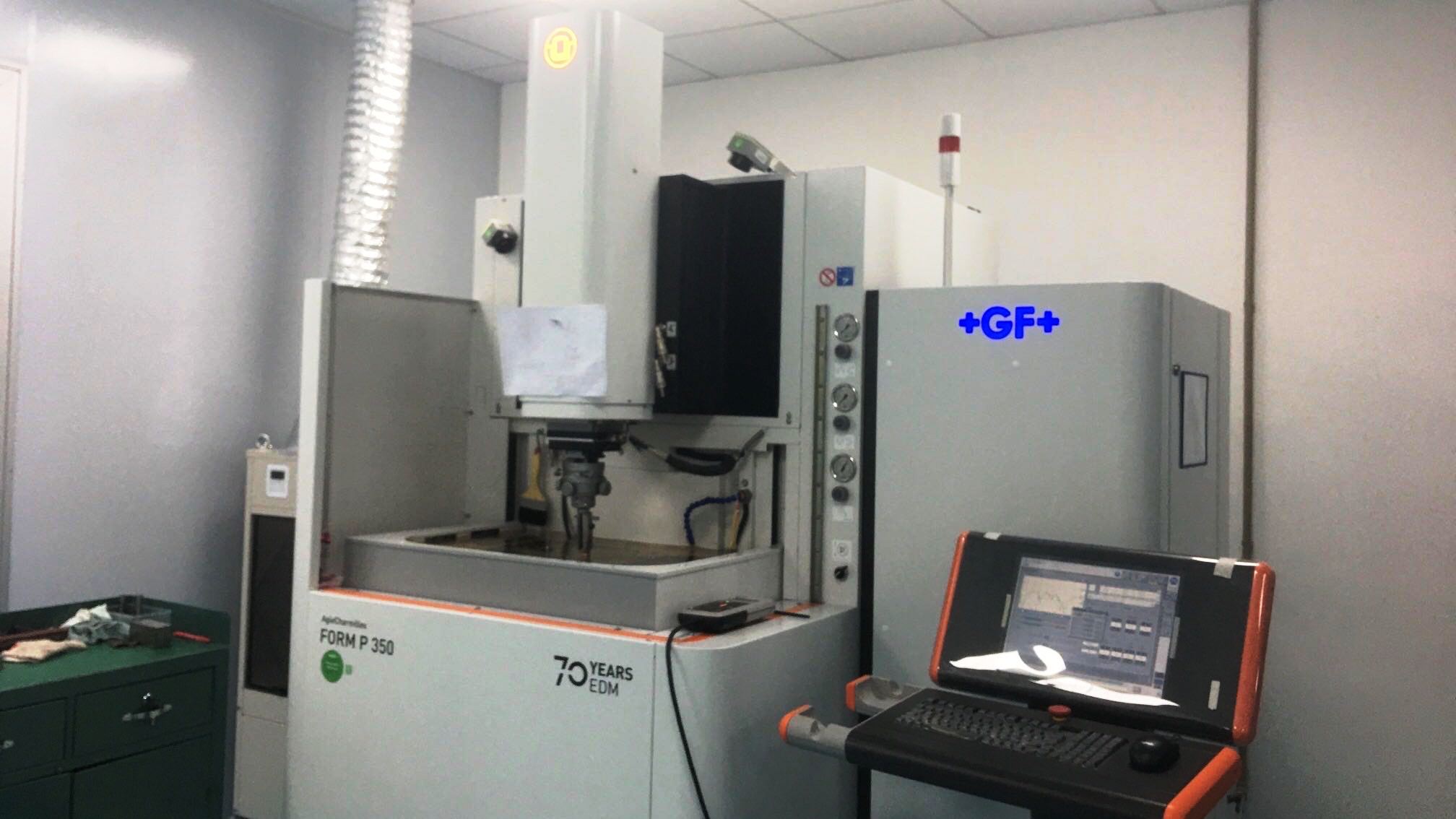
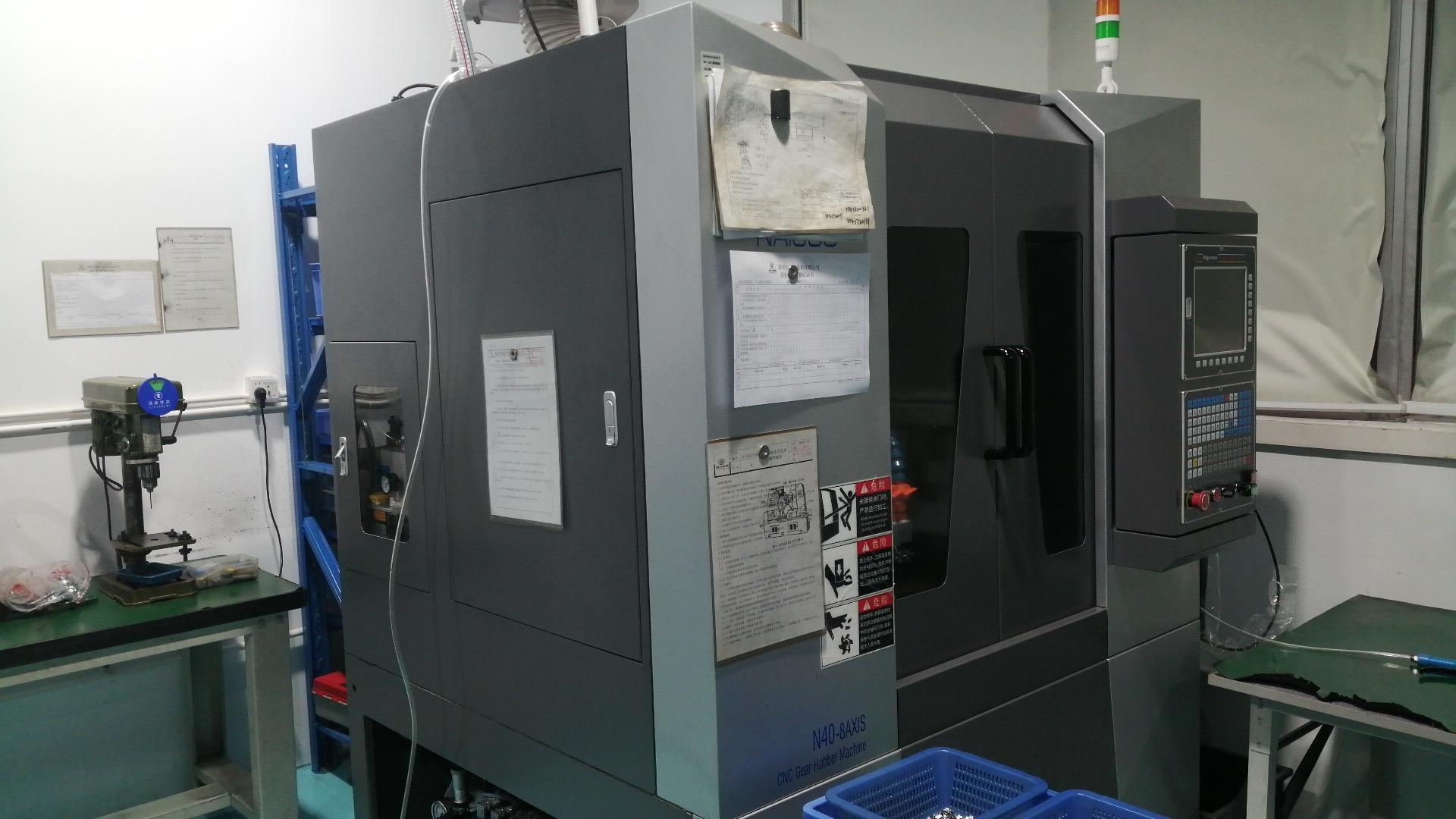
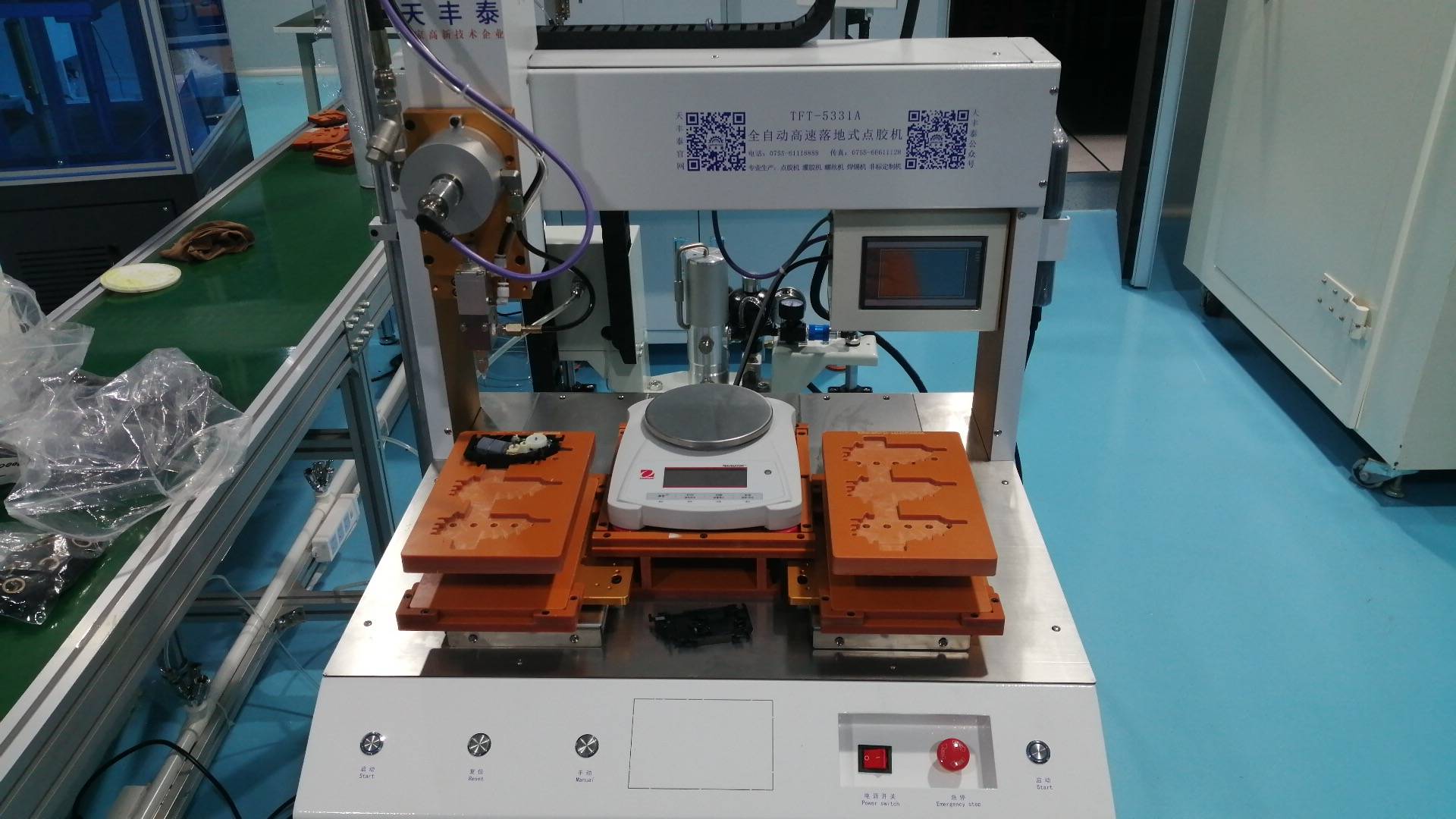
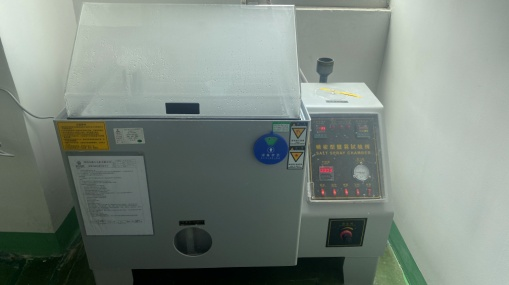
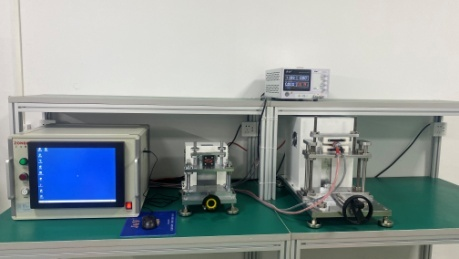
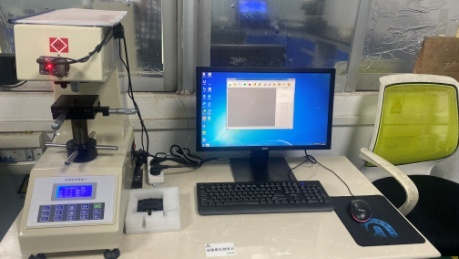
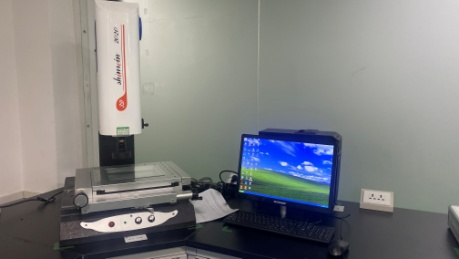
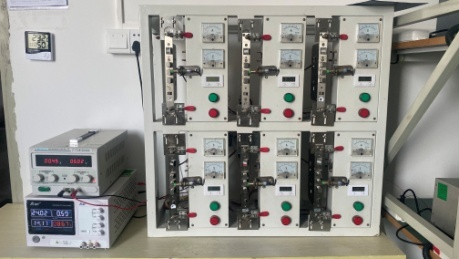
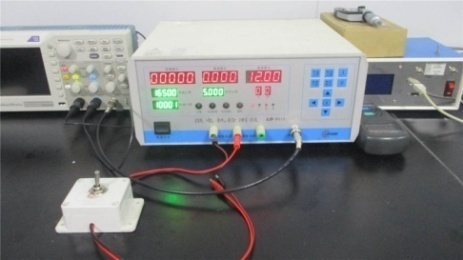
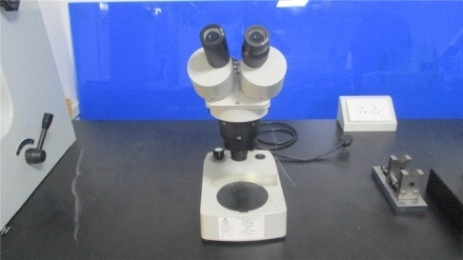
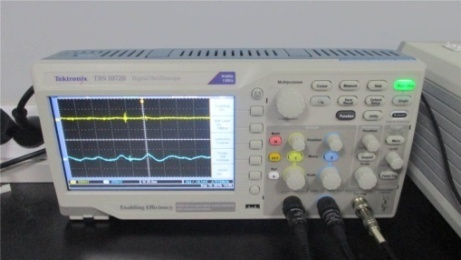
Our inspection laboratories evaluate mechanical integrity, environmental durability, and acoustic signatures under dynamic parameters.
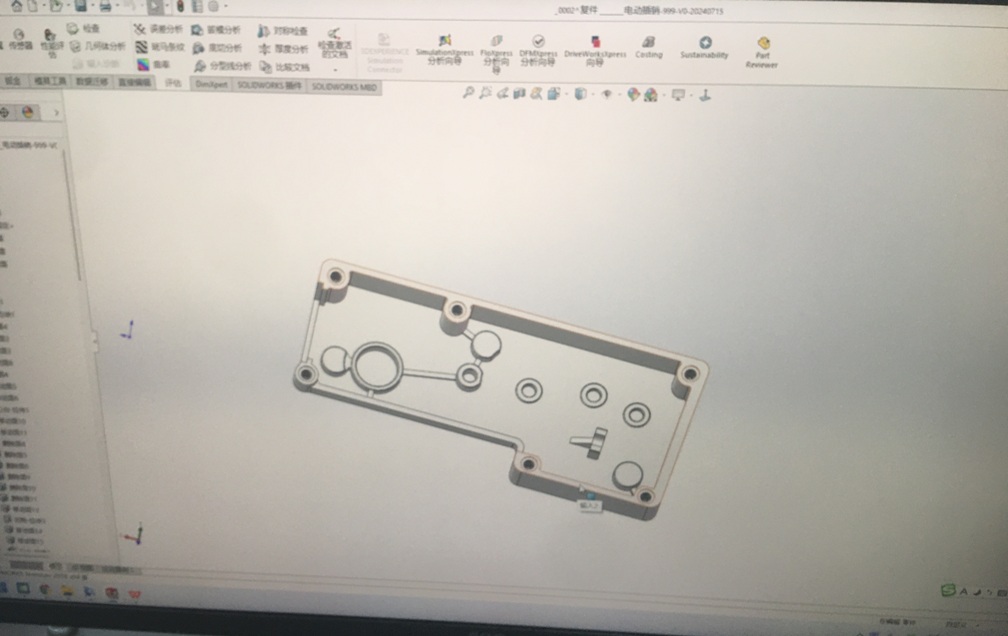
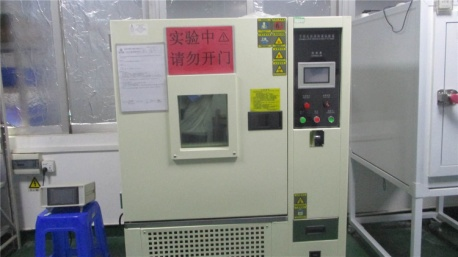
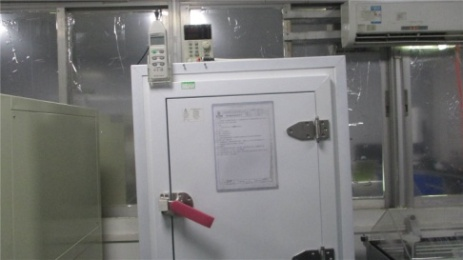
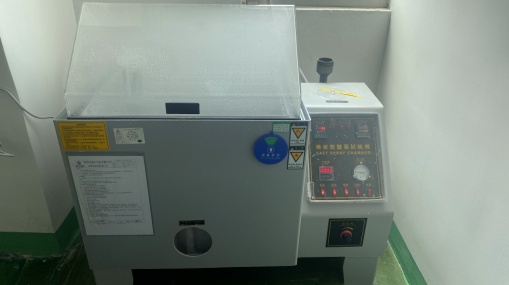
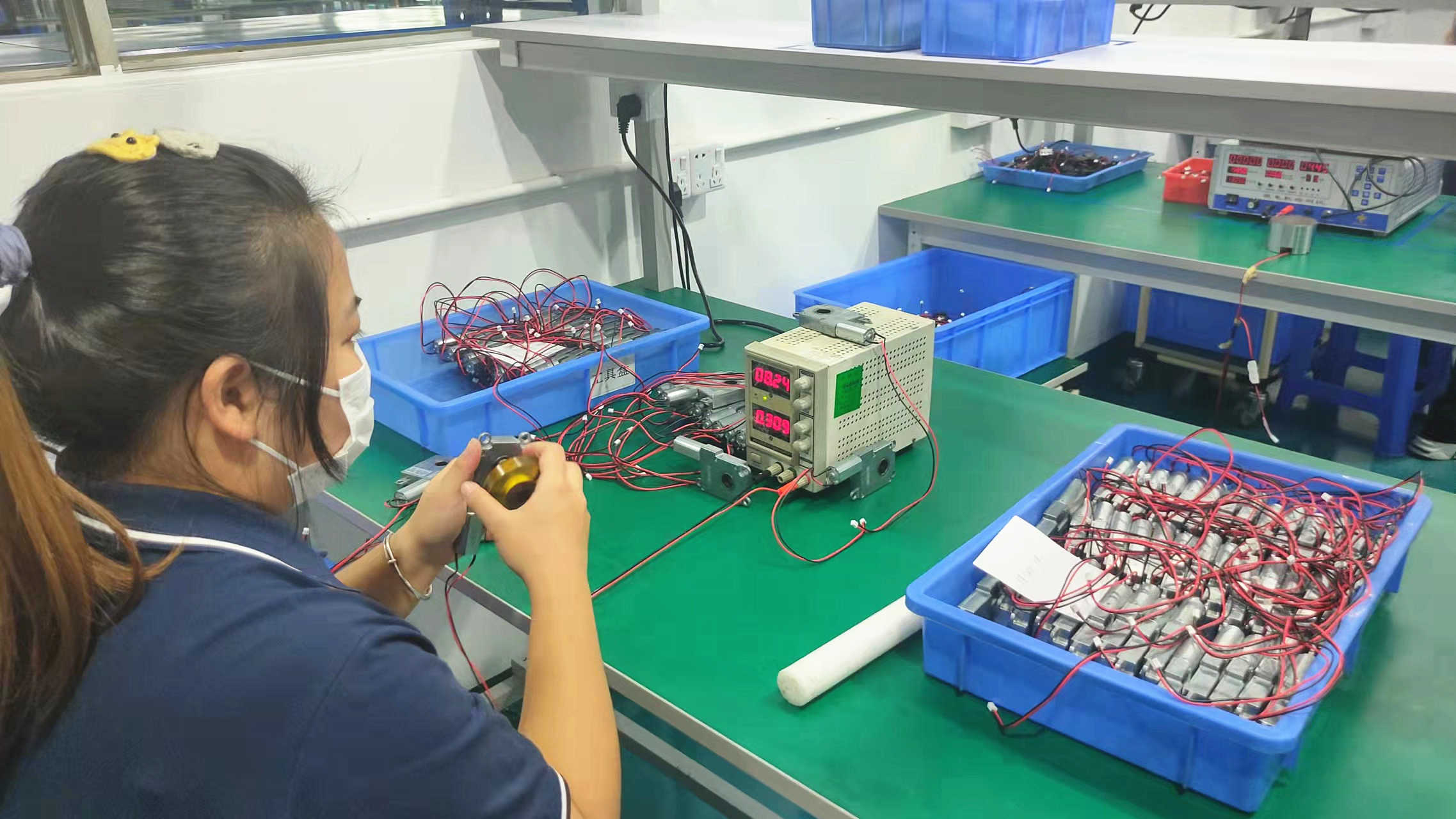
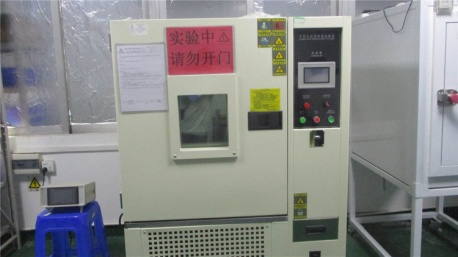
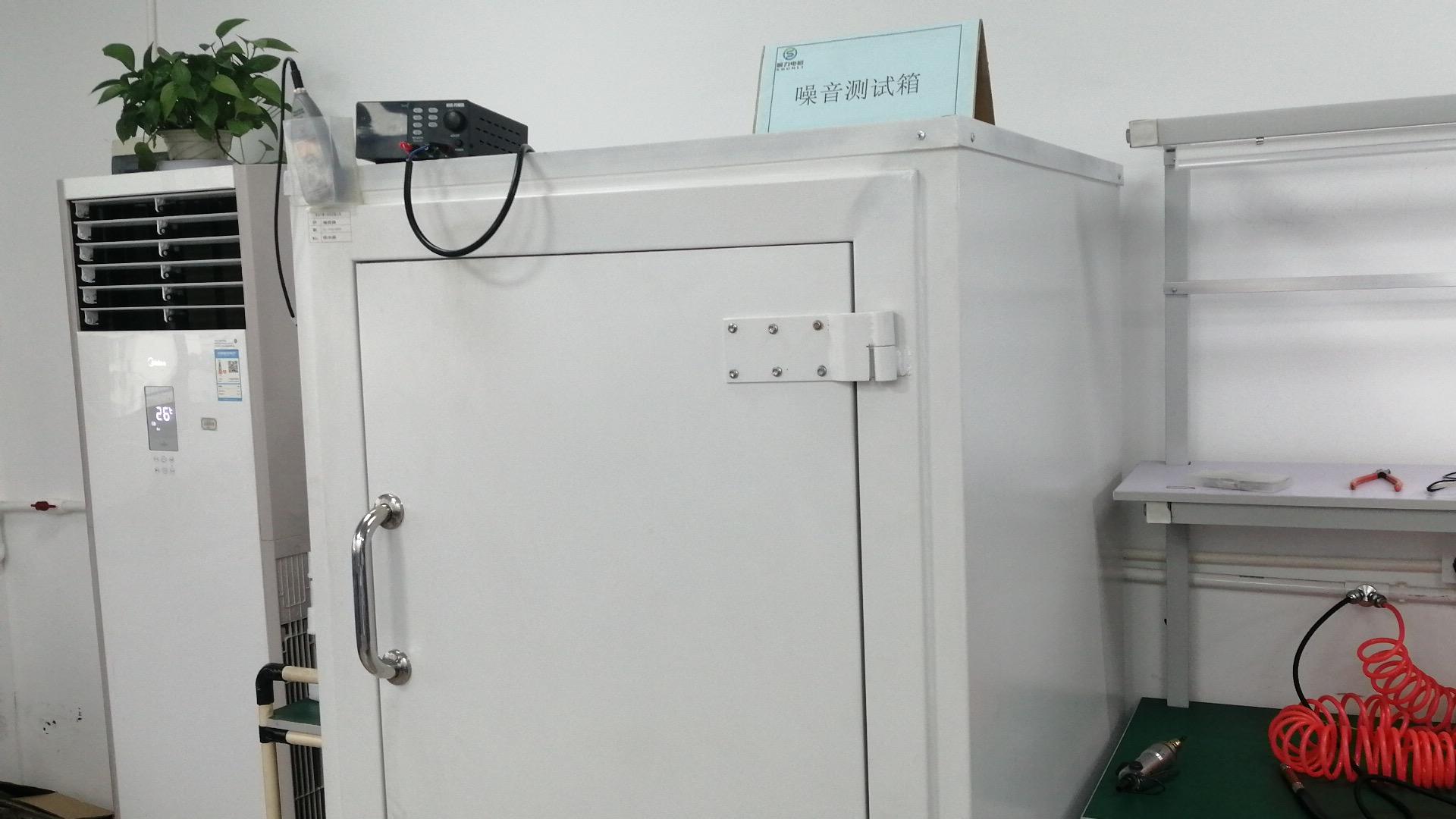
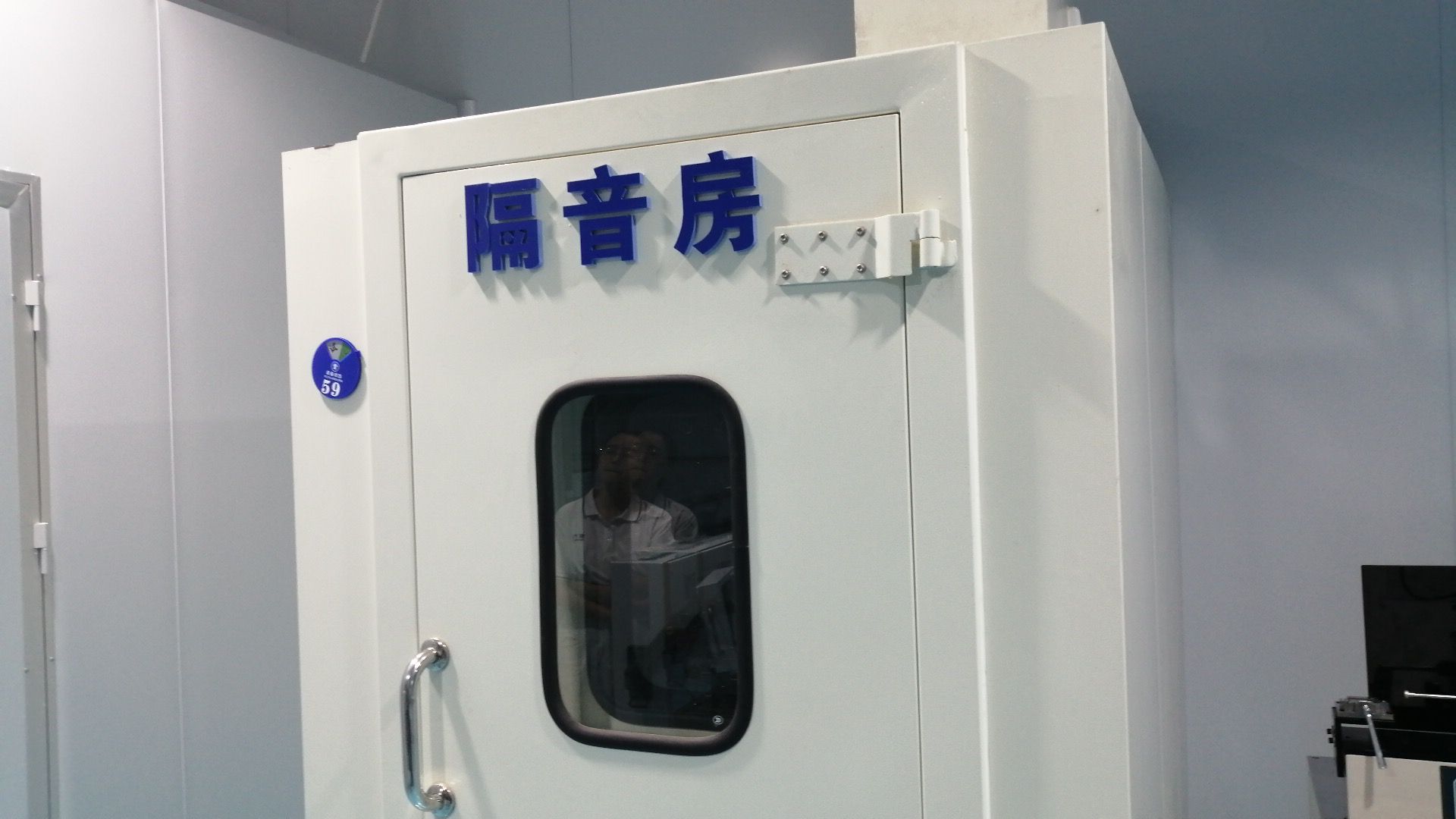
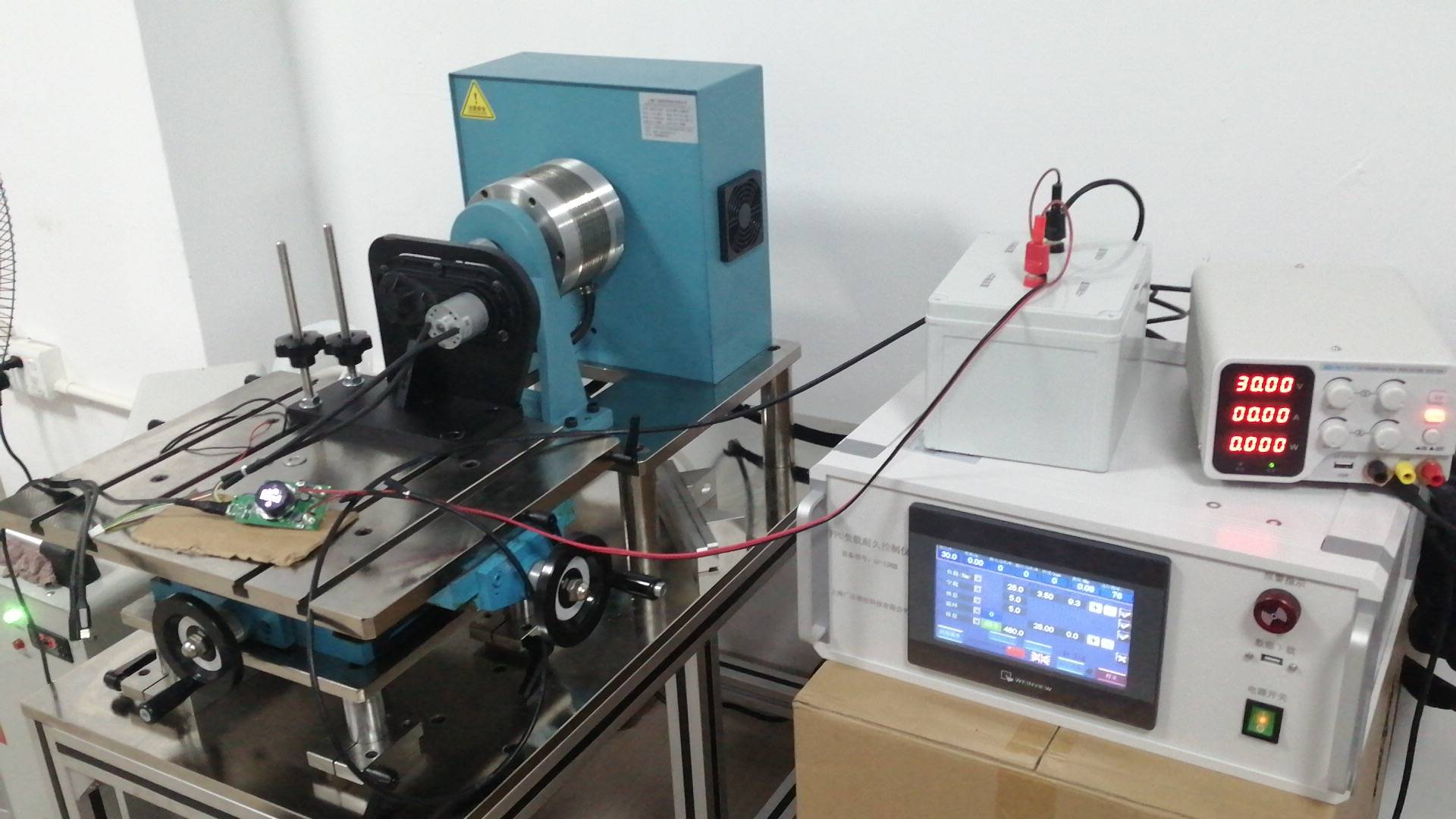
The transition toward next-generation drive systems requires continuous innovation in materials science, electromagnetics, and manufacturing processes. As a primary developer of advanced gear motors, Syncdrive is focusing its R&D efforts on key technical areas designed to improve efficiency and reduce environmental impact over the next decade.
Traditional silicon steel laminations exhibit significant core losses (hysteresis and eddy currents) when subjected to high-frequency switching from modern PWM drives. Our engineering team is testing amorphous alloy materials and ultra-thin, high-silicon steel laminations (down to 0.2mm). These materials feature much lower magnetic coercivity, which helps reduce core losses by up to 40% under high-RPM operations. This directly translates to lower operating temperatures and reduced cooling requirements for the overall system design.
The extraction and processing of rare-earth elements like Neodymium (NdFeB) present significant environmental challenges. Our developmental roadmap includes synchronous reluctance motors (SynRM) and high-performance ferrite-assisted PM motors. These designs achieve competitive torque density and efficiency levels without depending on volatile rare-earth global supply chains, helping stabilize procurement costs and reduce lifecycle carbon footprints.
Technical Insight: By utilizing high-density anisotropic bonded magnets and optimized stator topologies, we can match the performance curves of traditional rare-earth DC motors in applications where extreme starting torque is not required, providing a cleaner alternative for consumer and industrial applications.
The most sustainable machine is one that does not fail prematurely. Integrating micro-sensors directly within the gear housing allows for real-time monitoring of winding temperatures, output shaft vibration, and acoustic levels. By analyzing this operational telemetry, control systems can predict wear patterns and signal maintenance before a component fails. This minimizes downtime and significantly extends the operational lifespan of the system.
Operating a global supply chain requires strict adherence to international regulatory frameworks. To support our distribution networks across North America, Europe, and the Asia-Pacific region, we ensure our manufacturing processes conform to all relevant regional standards.
For European markets, our products meet the technical requirements of the CE Mark, including the Low Voltage Directive (LVD) and the Electromagnetic Compatibility (EMC) Directive. Materials compliance is managed through strict verification processes, ensuring every resin, copper wire, steel gear, and lubricant is documented under RoHS and REACH protocols. In North America, we offer motor designs certified under UL (Underwriters Laboratories) and CSA standards, particularly for applications requiring strict electrical insulation standards.
Additionally, we work closely with B2B customers to provide complete carbon footprints for our gear motors. This data helps compliance teams calculate downstream emissions profiles, helping them prepare for emerging carbon reporting requirements such as the EU's Carbon Border Adjustment Mechanism (CBAM) and other national environmental disclosure regulations.
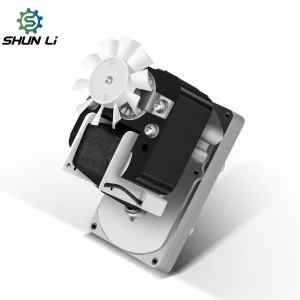
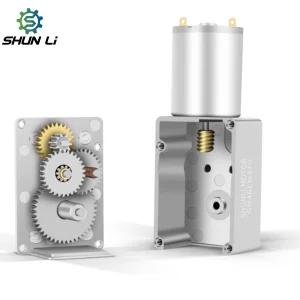
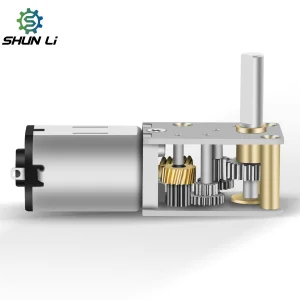
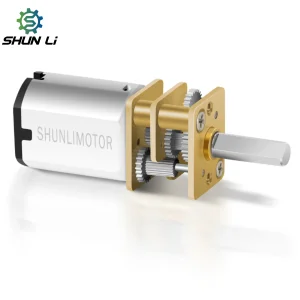
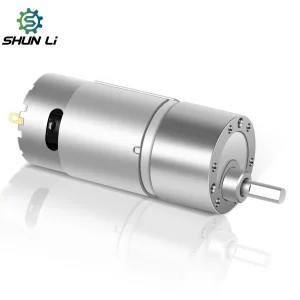
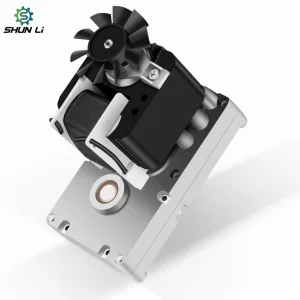
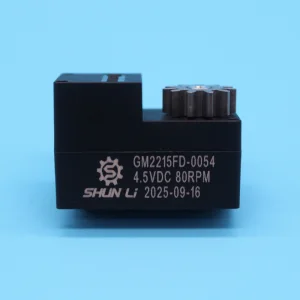
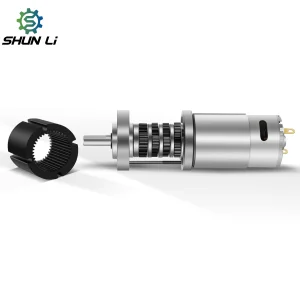
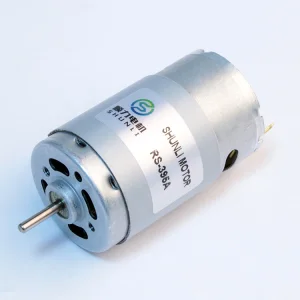
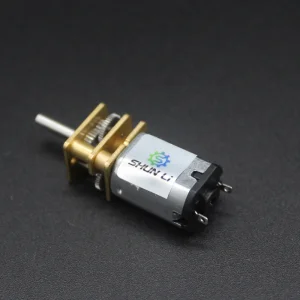
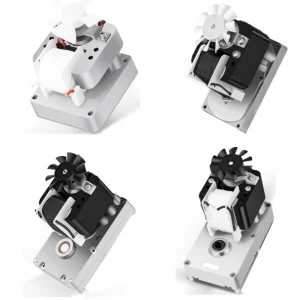
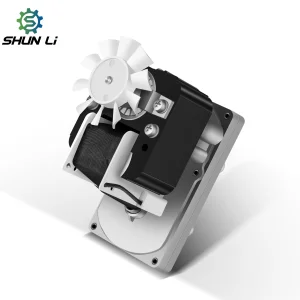
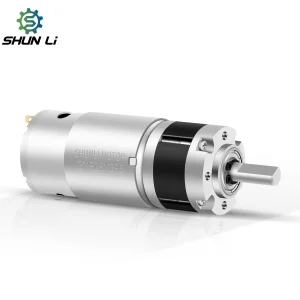
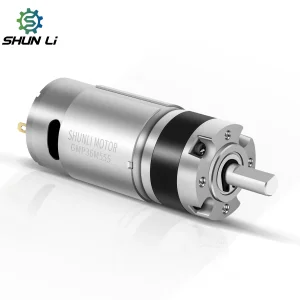
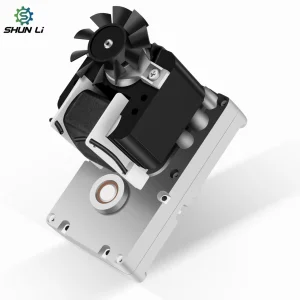
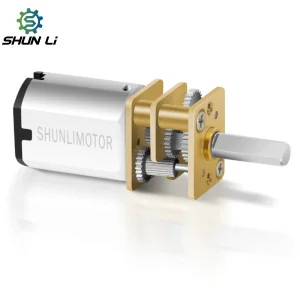
Our specialized fractional horsepower drive lineup is engineered for niche industrial applications, offering high reliability and low energy consumption.
Expert technical answers covering efficiency standards, materials compliance, and lifecycle carbon metrics.
 Syncdrive Motor