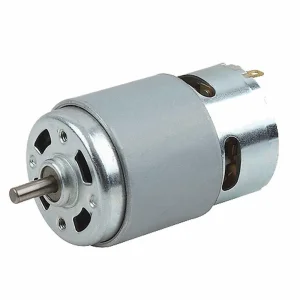
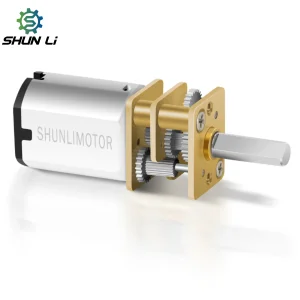
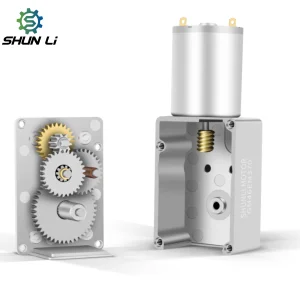
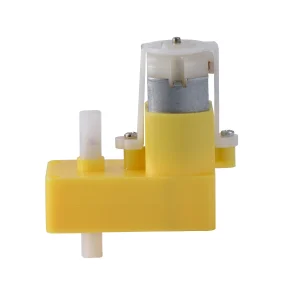
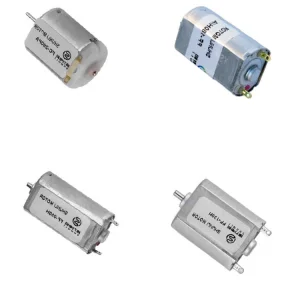
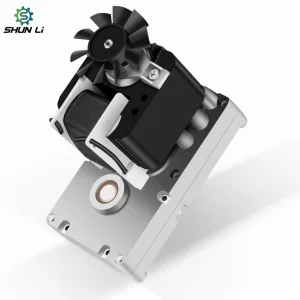
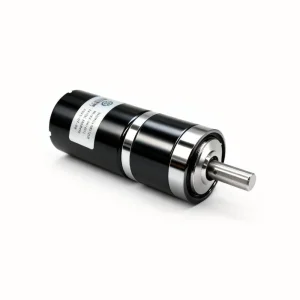
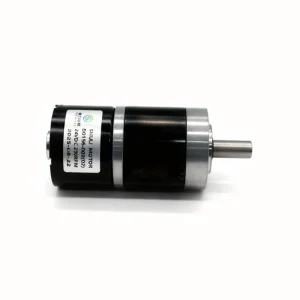
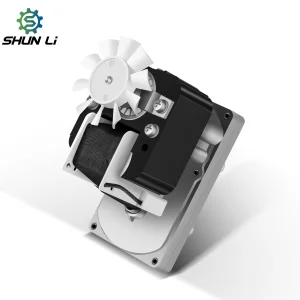
Every groundbreaking smart device needs a reliable pulse. Syncdrive Motor designs and manufactures high-efficiency micro-drives that serve as the invisible, robust core inside next-generation robotics, smart home applications, and aerospace medical tools worldwide.
We operate on a simple philosophy: Engineered to last. Built to fit. By blending advanced automation with a passion for micro-engineering, Syncdrive Motor provides global B2B clients with the transparency of a local engineering partner and the massive scale advantages of a top-tier Chinese factory. We don't just sell motors; we build the core axis that keeps your business moving forward.
The global automation industry is witnessing an unprecedented transition from raw force production to cognitive, highly precise motion execution. At the center of this movement are Precision Servo Motors and Stepper Motors. The adoption of advanced robotics, rapid miniaturization of electronics, and strict efficiency standards (such as IE4 and IE5 guidelines) have accelerated the engineering path toward smarter motor platforms.
We identify four major trends defining the future of commercial and industrial motion control:
By placing microcontrollers directly onto the motor frame, modern drives process feedback loops (Hall sensor, optical encoder, and magnetic sensors) directly, bypassing latency and minimizing cable clutter in multi-axis setups.
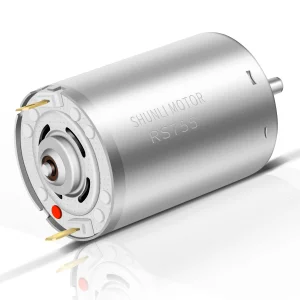
Brushless DC (BLDC) and hybrid stepper configurations are systematically replacing brushed legacy hardware. This shift significantly mitigates mechanical wear, eliminates carbon dust contamination, and minimizes EMI outputs.
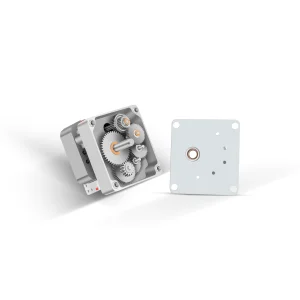
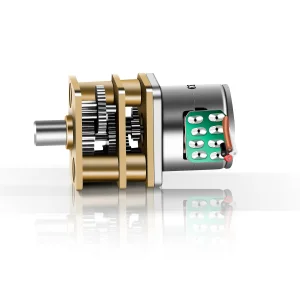
To output extreme torque levels in compact envelopes, motor shafts are co-engineered with precise planetary and worm gearheads. This enables devices like medical peristaltic pumps and robotics joints to scale down volumetric foot-prints.
For global engineering and procurement managers, purchasing electric motors at industrial scale is a multi-dimensional challenge. The risk profile of sourcing standard catalogue parts includes limited design integration, unpredictable lead times, and thermal management concerns.
To overcome these challenges, industry buyers look to co-engineered, customizable OEM/ODM solutions:
| Procurement Challenge | Catalog Standard Disadvantages | OEM/ODM Syncdrive Advantage |
|---|---|---|
| Mechanical Alignment | Fixed shaft geometries require custom adapters, causing structural errors. | Custom D-cut, splined, threaded, or hollow shaft geometries engineered to fit directly into your application. |
| Thermal & Winding Specs | Excessive power waste; motors run hot under dynamic duty cycles. | Winding optimization matches actual bus voltages (3V, 6V, 12V, 24V, 48V, 110V, 220V) to optimize speed-torque outputs. |
| Supply Chain Lead Times | Disrupted standard distribution leads to prolonged production downtime. | Direct factory integration ensures scalable throughput, reliable forecasting, and complete raw material control. |
| Regulatory Standards | Inconsistent certifications make global compliance difficult. | Traceable material inputs, ROHS, CE, and rigorous dynamic inspections built into our QA protocols. |
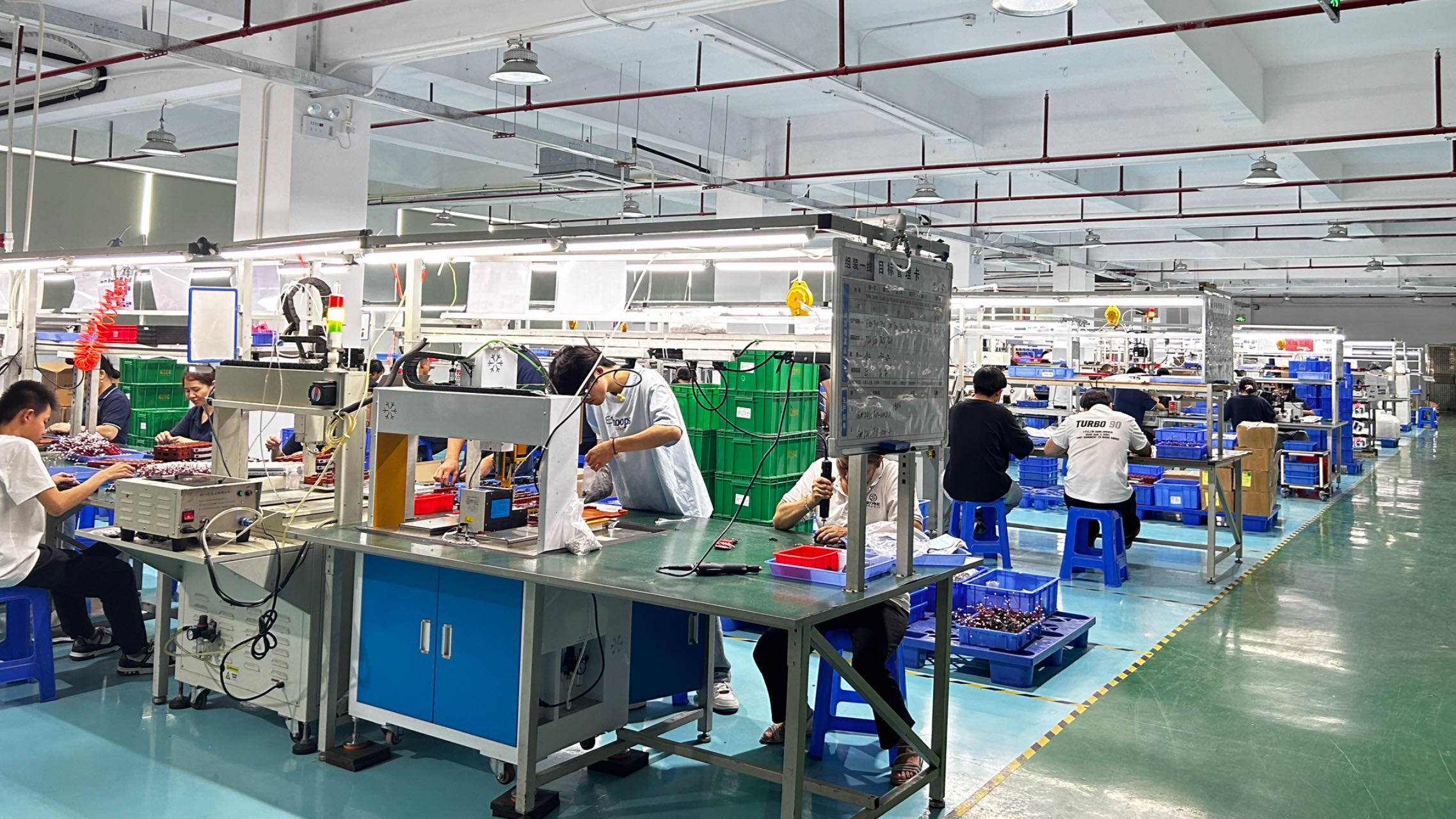
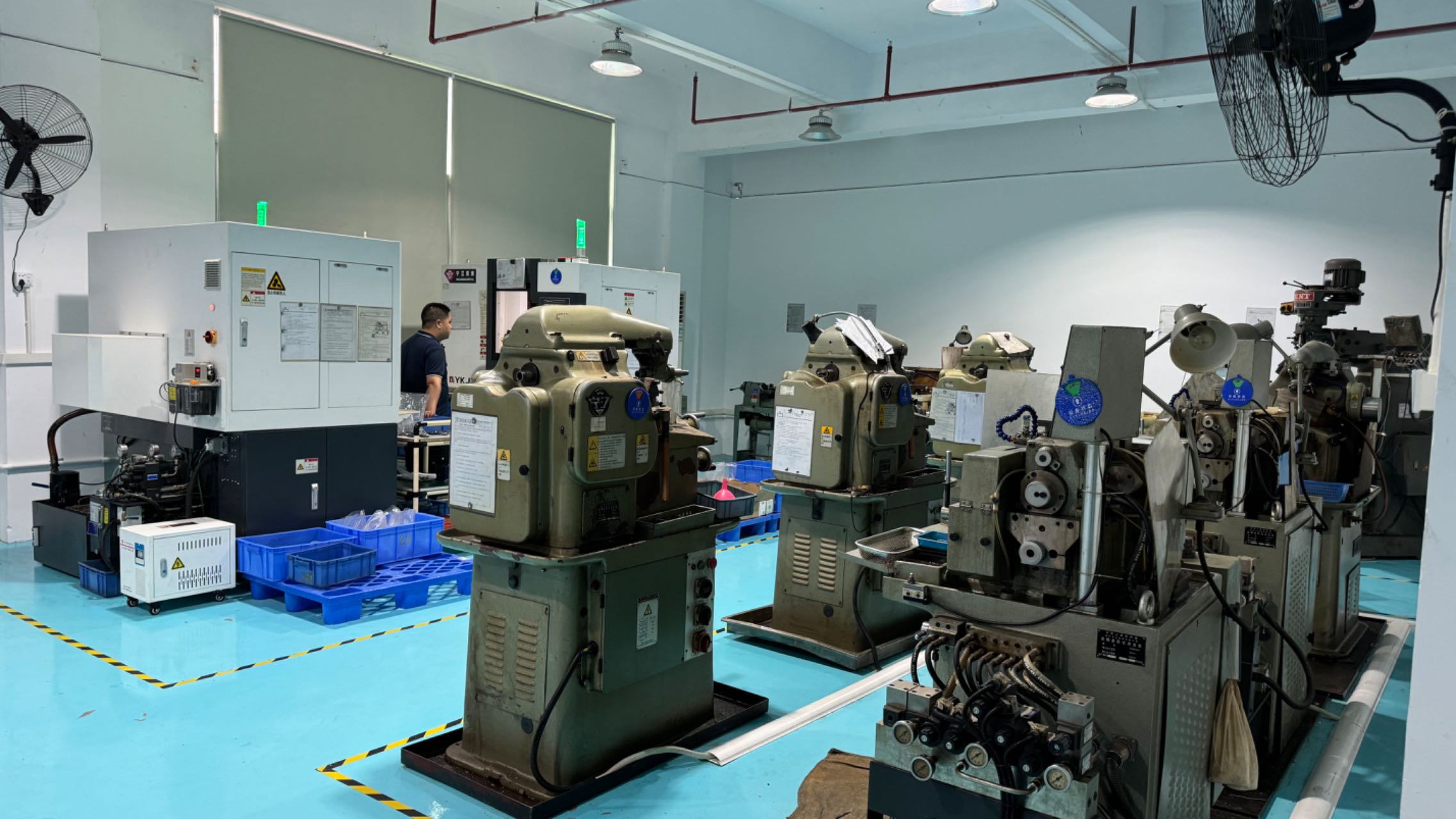
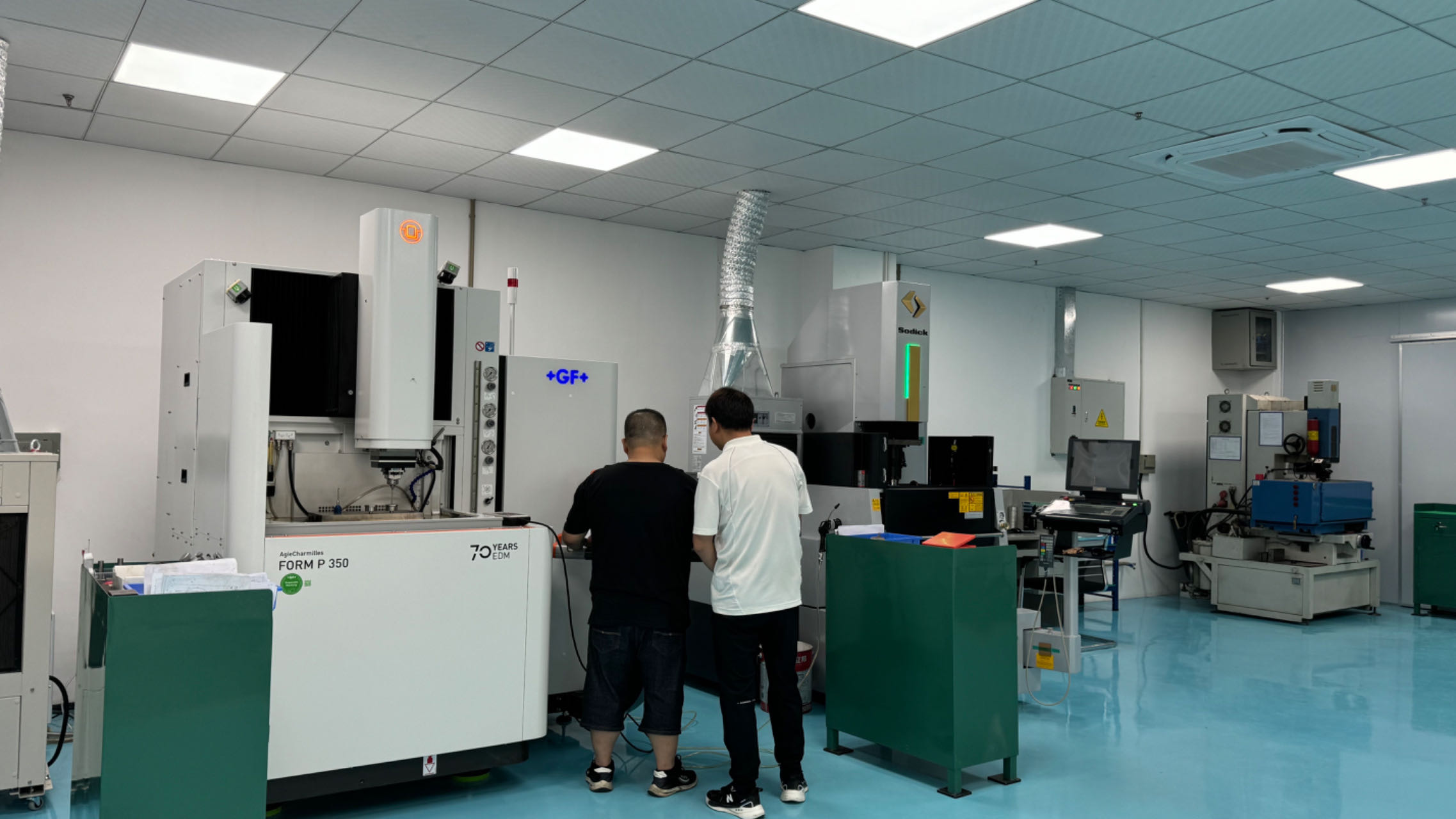
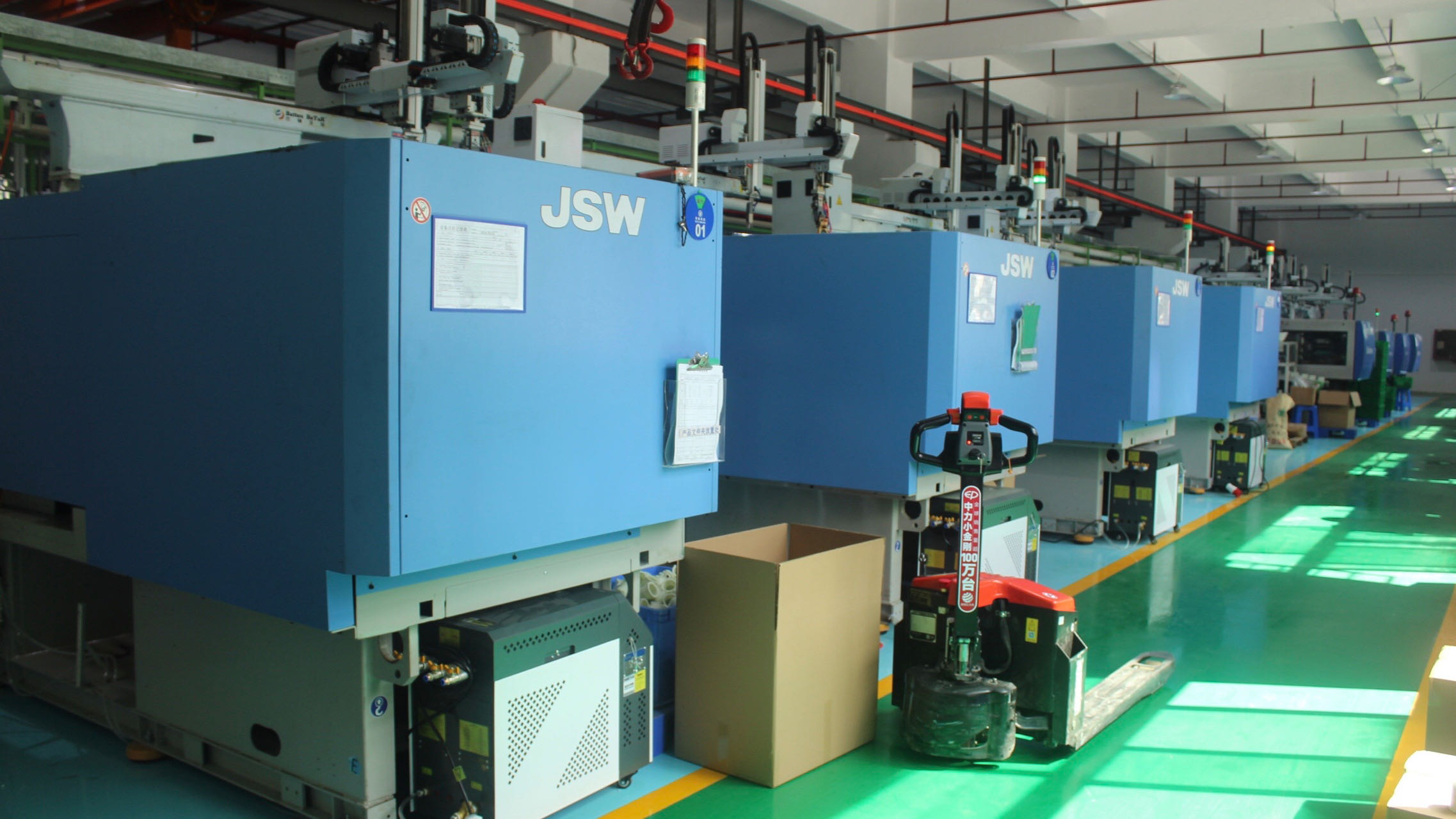
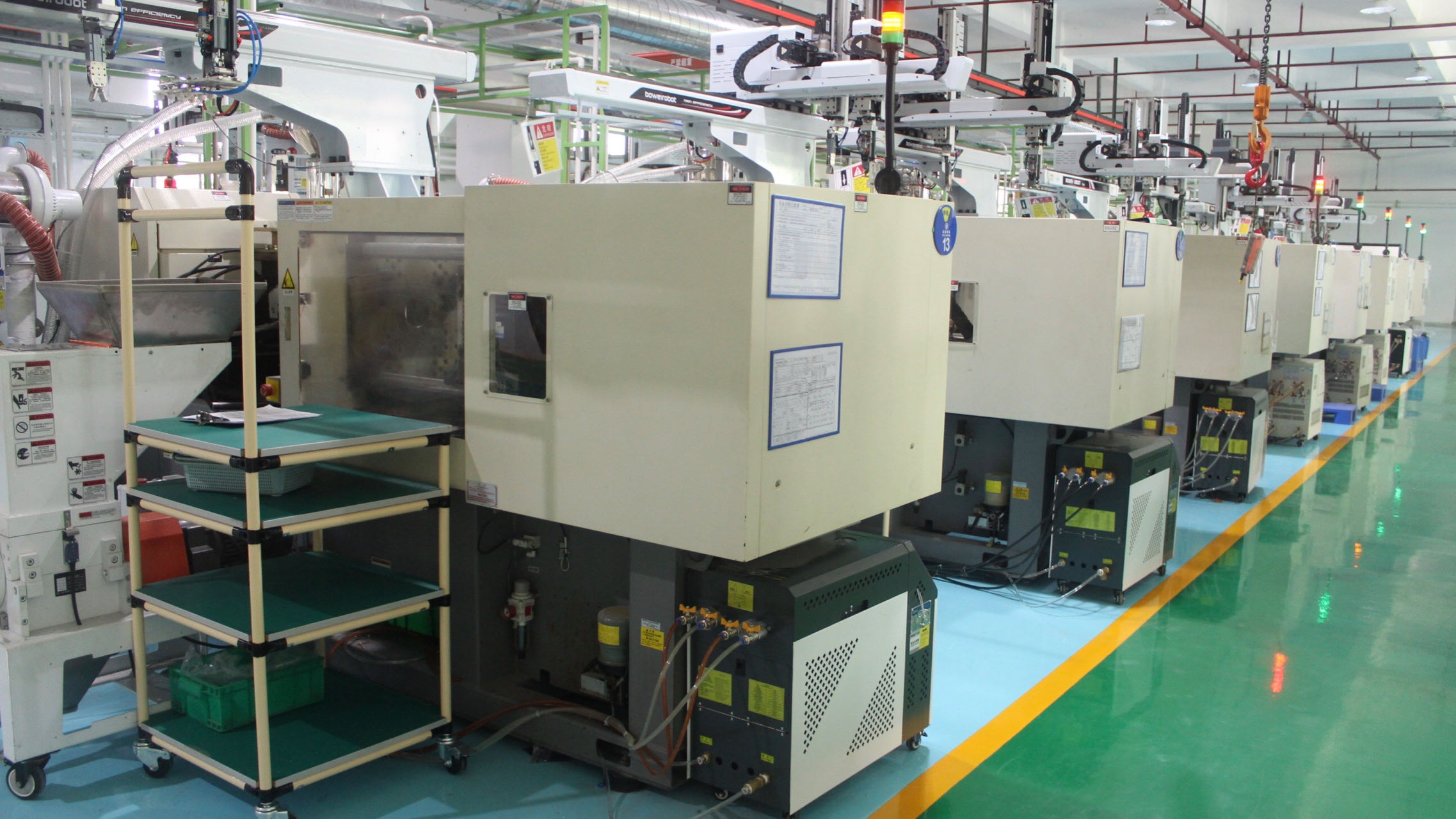
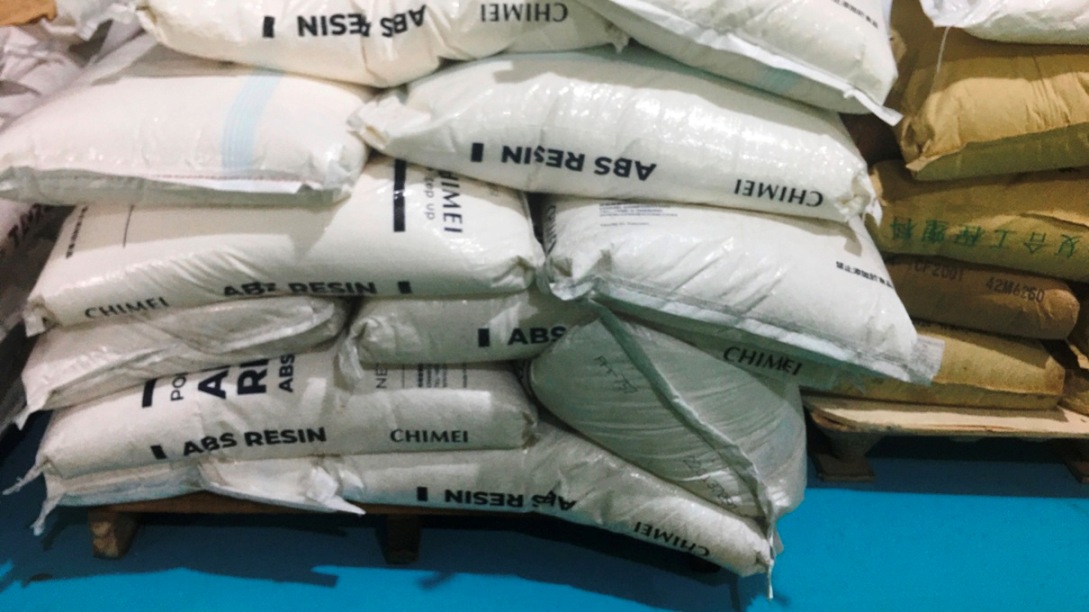
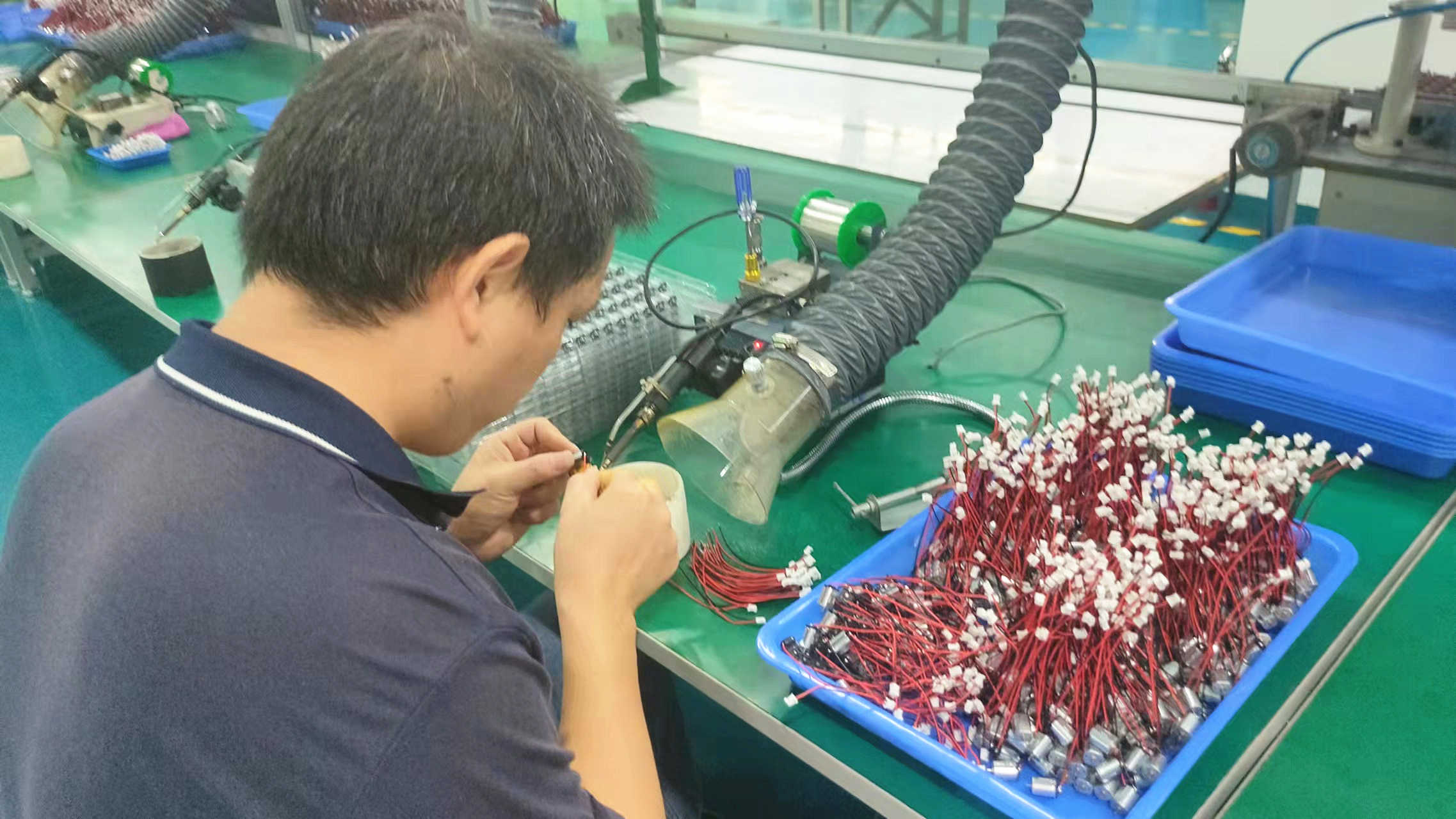
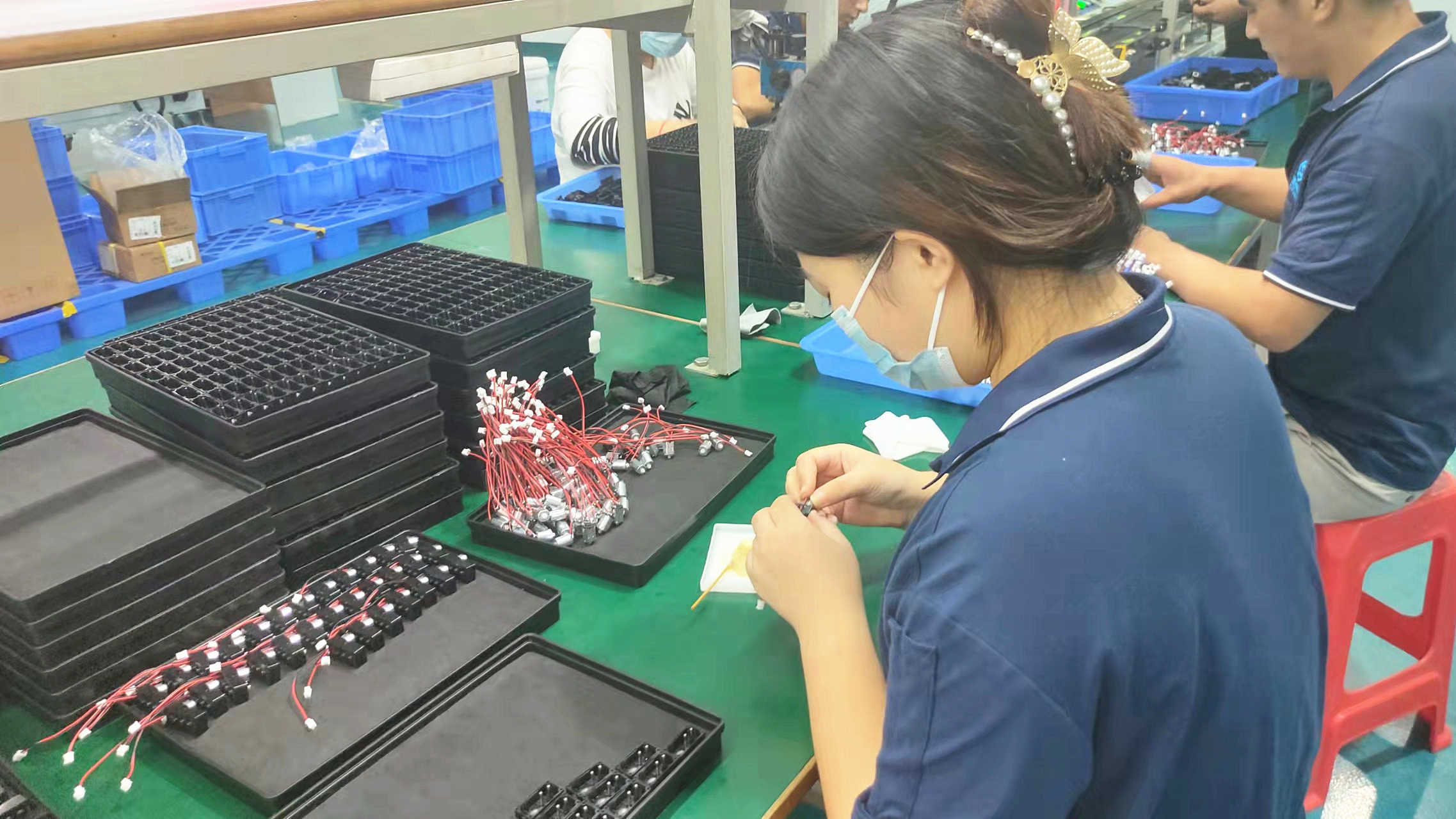
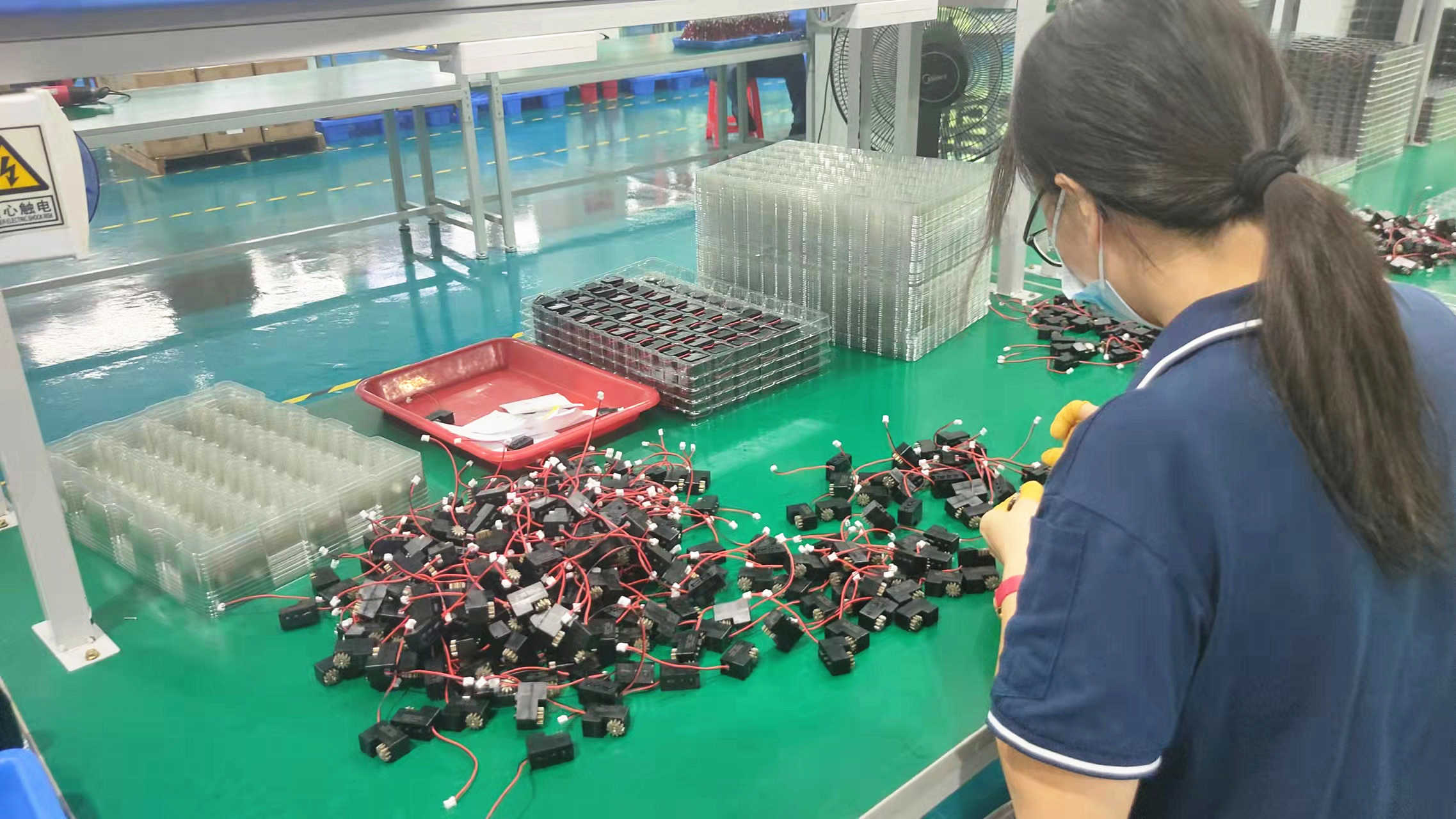
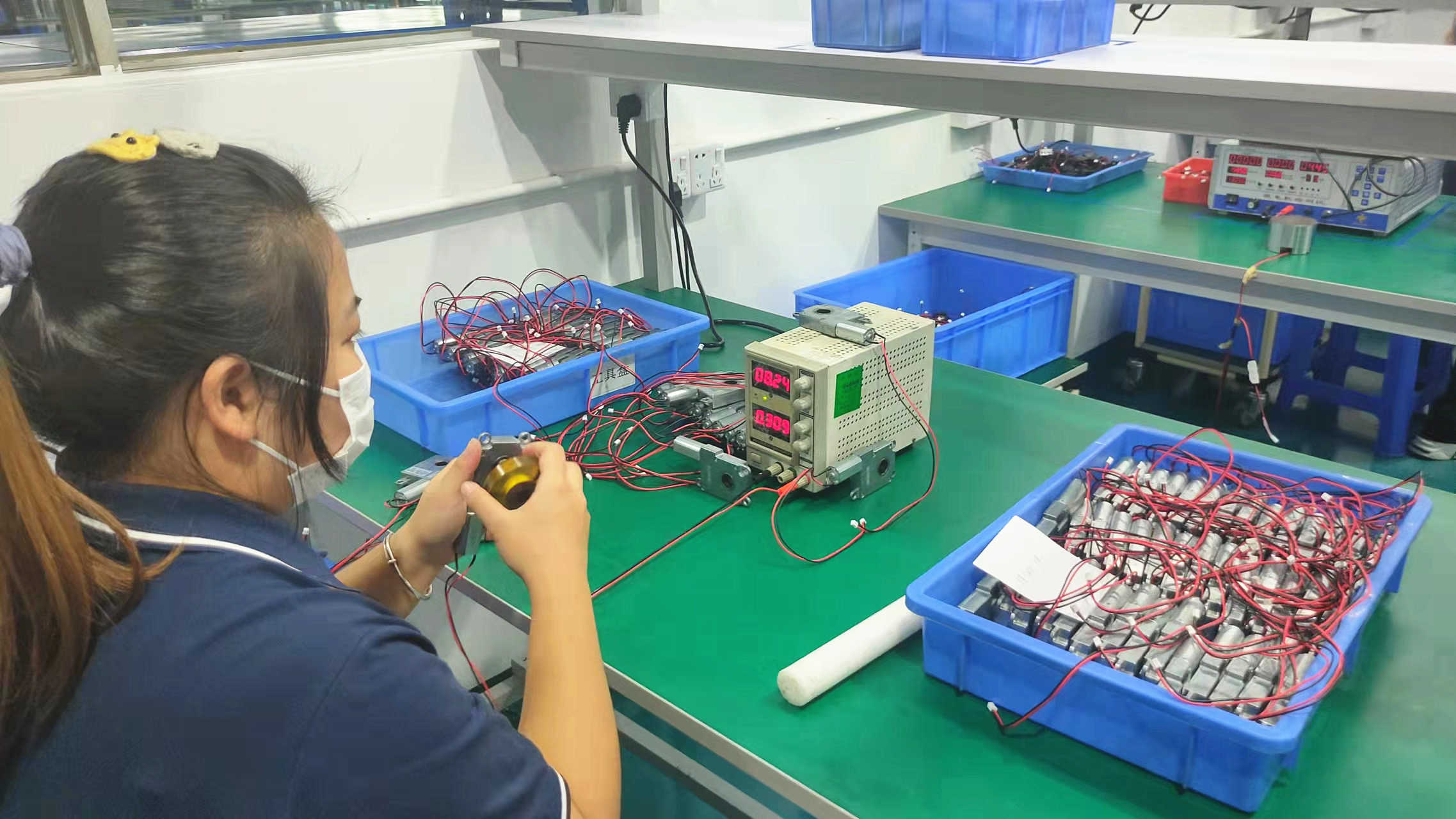
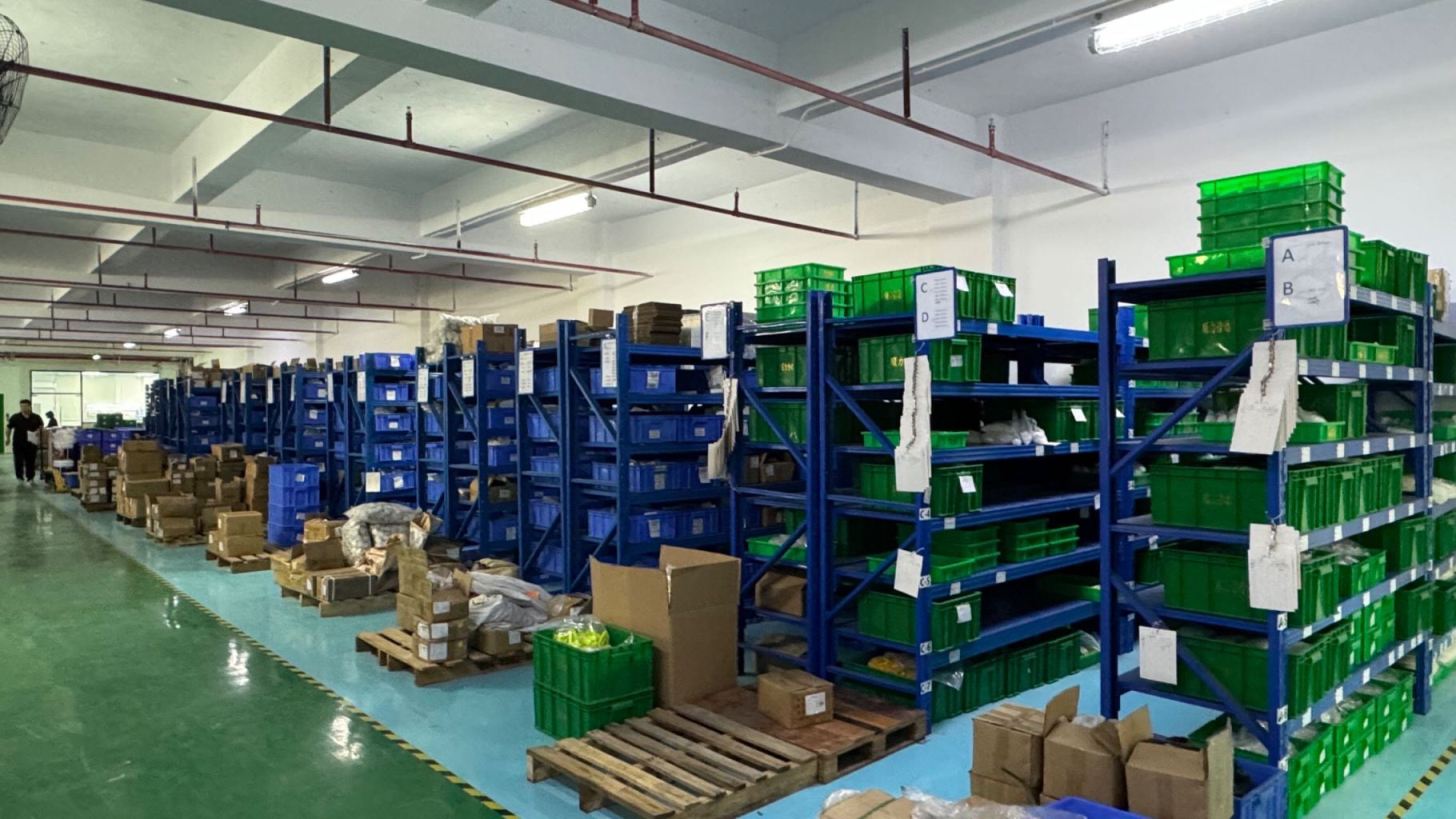
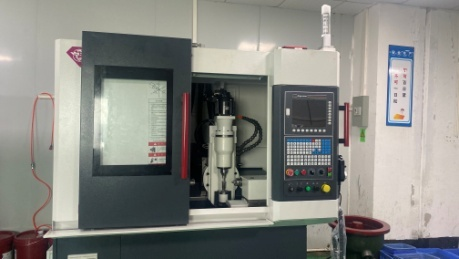
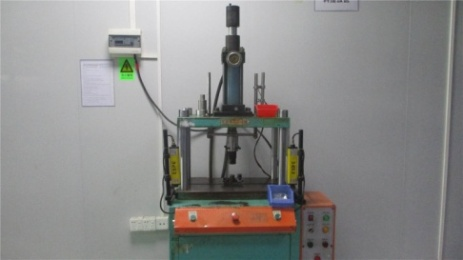
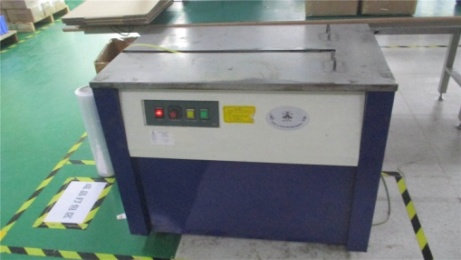
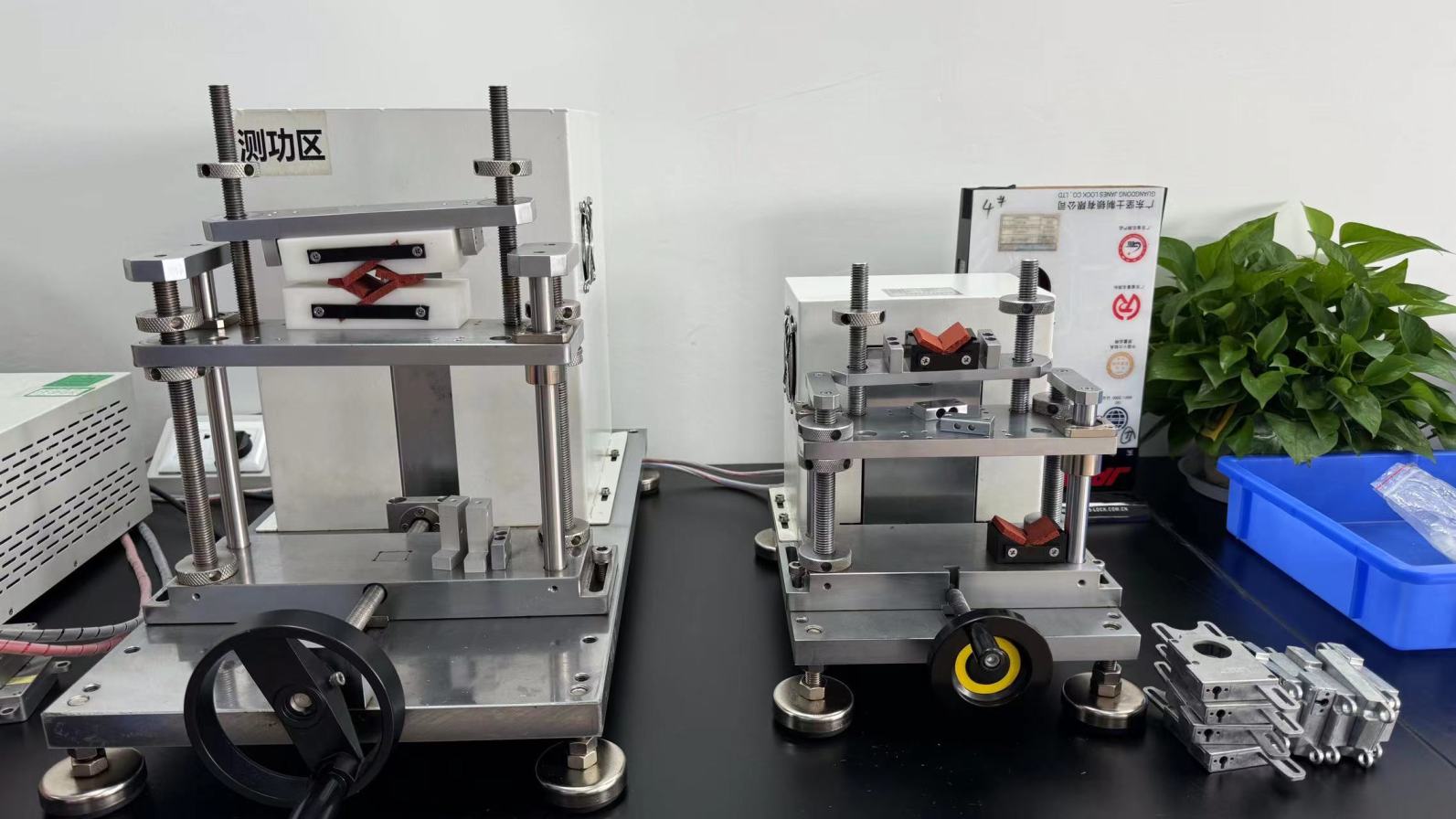
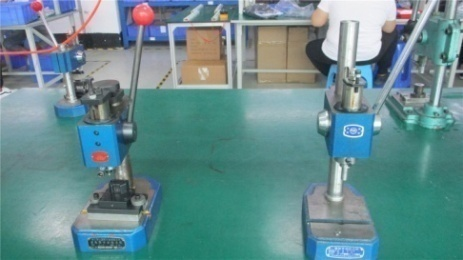
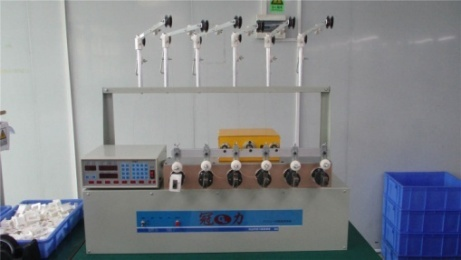
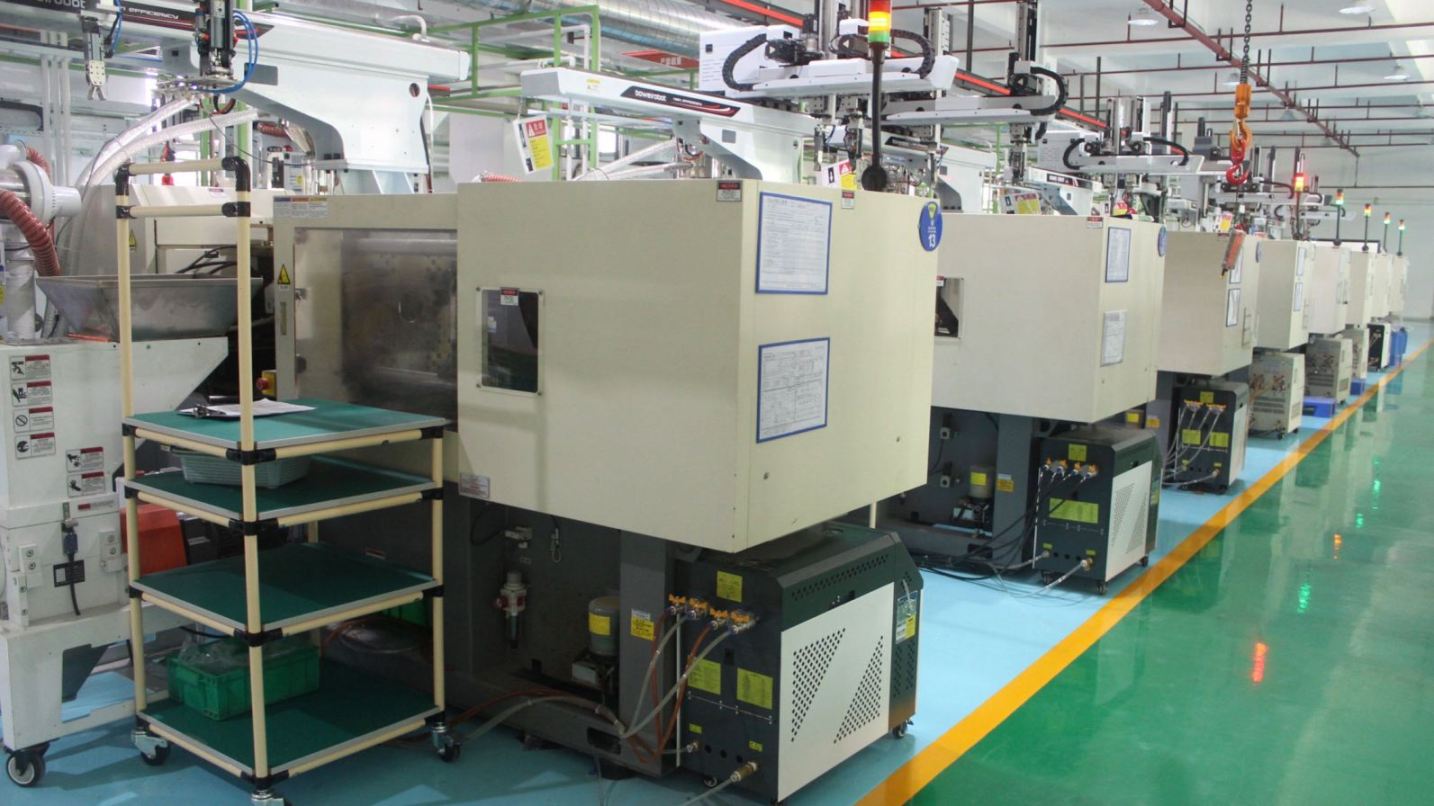
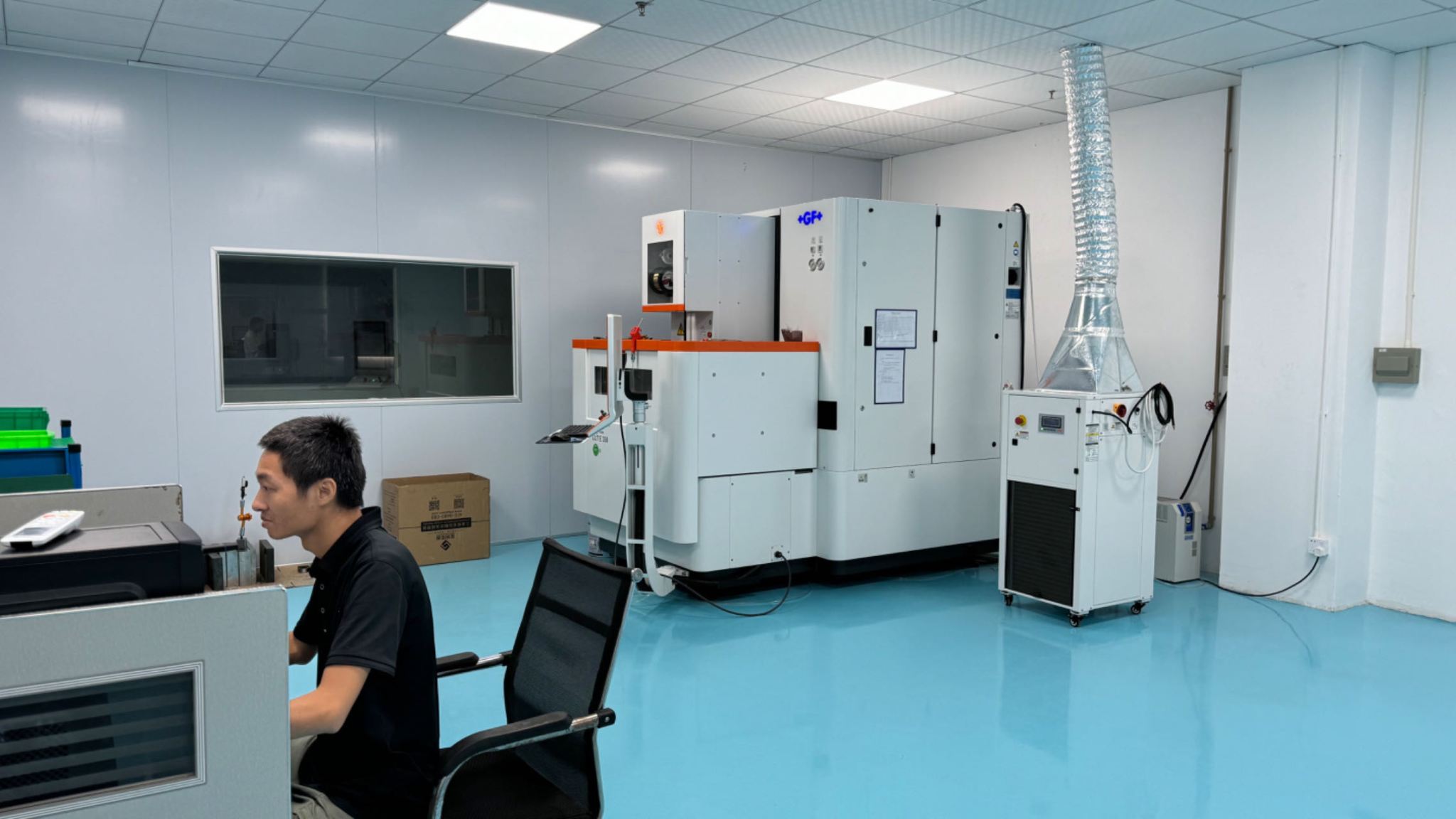
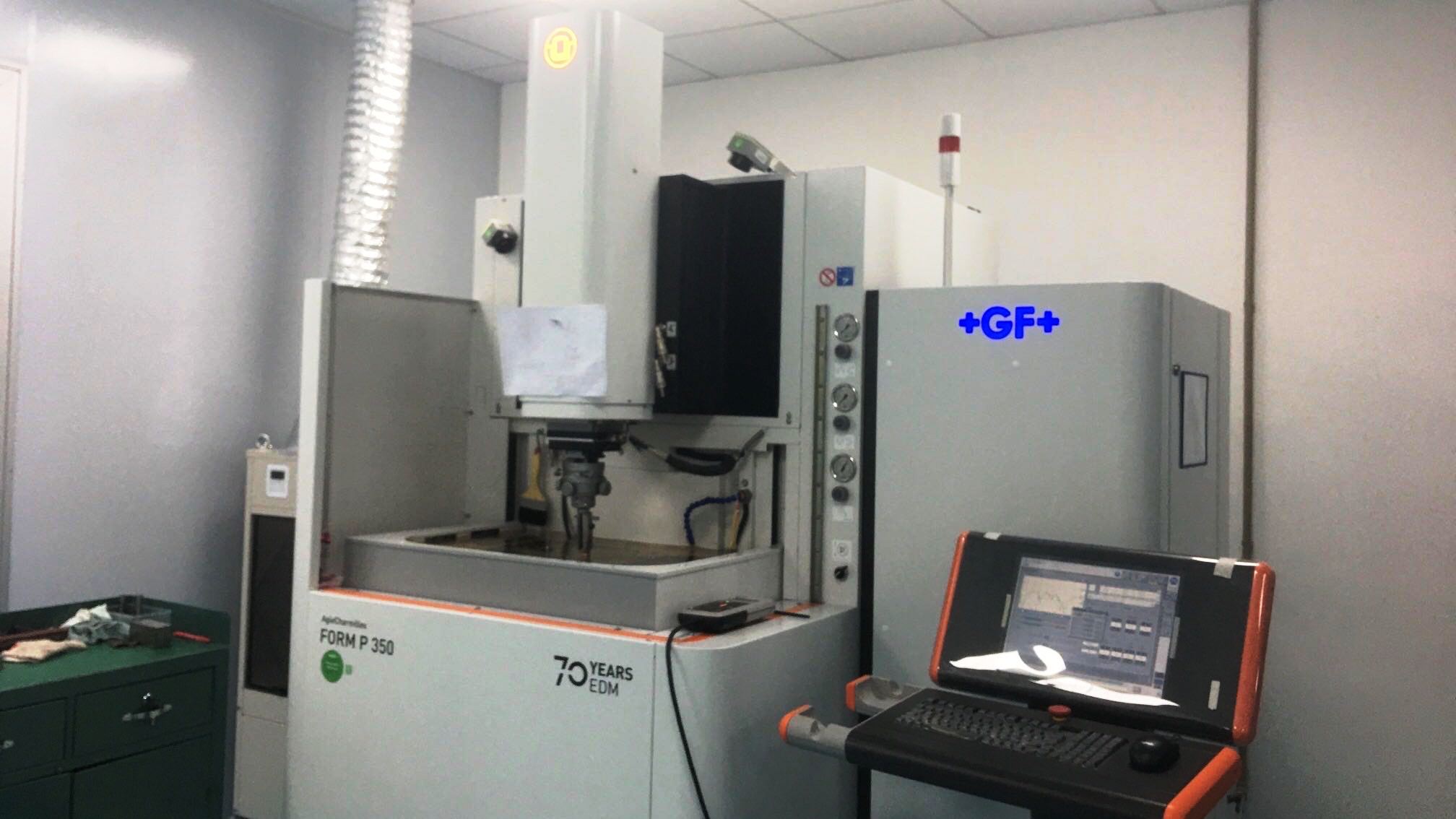
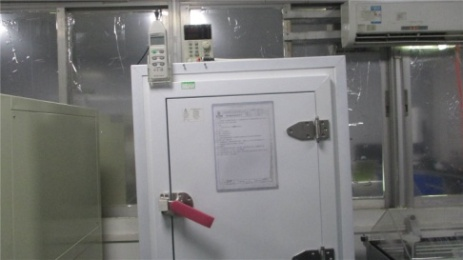
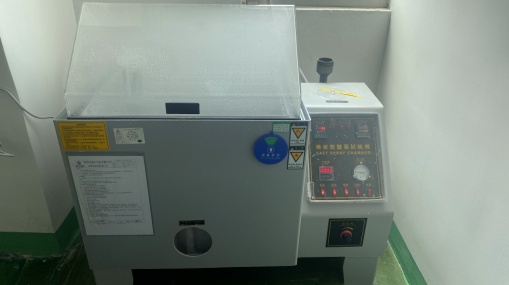
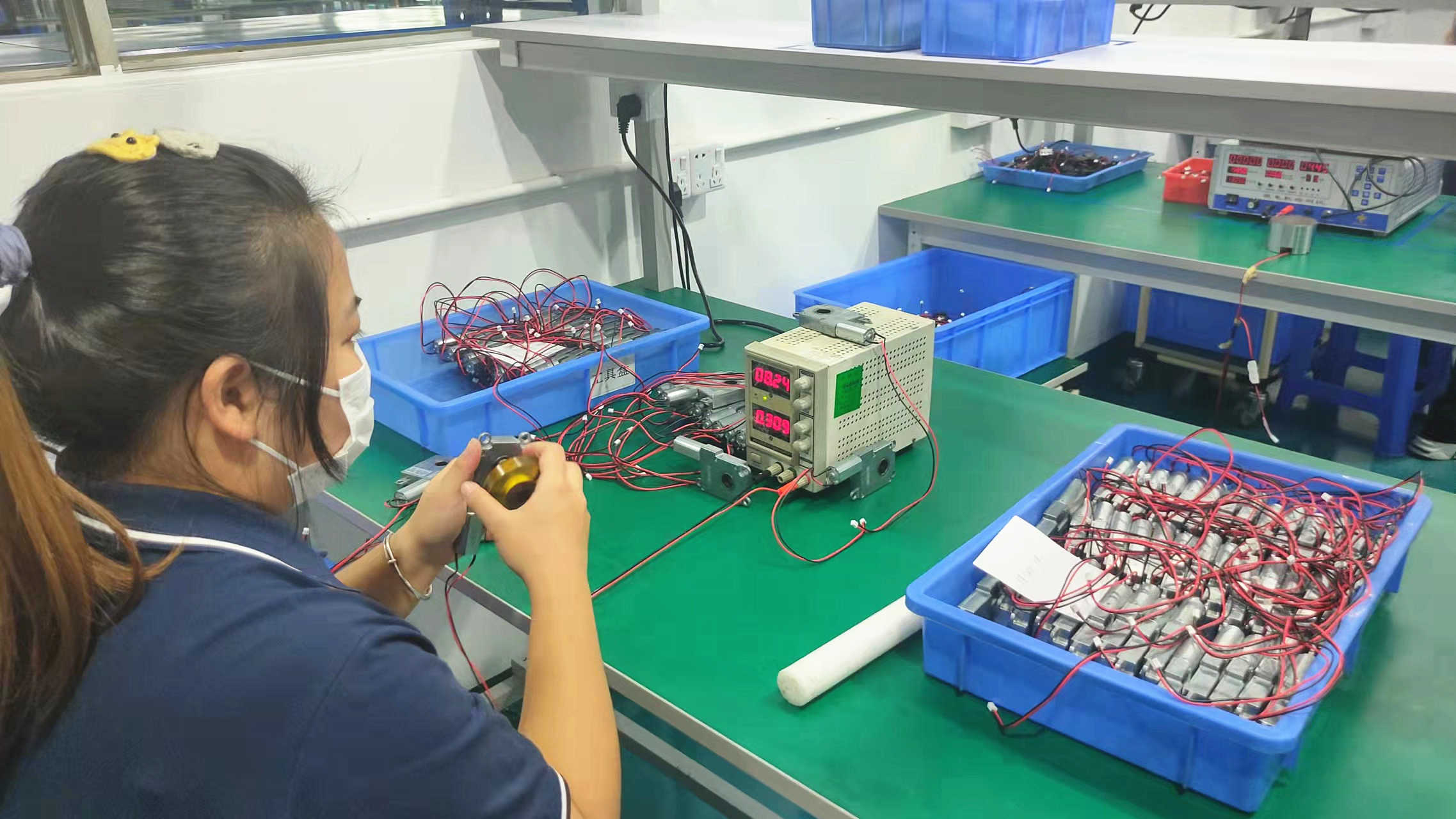
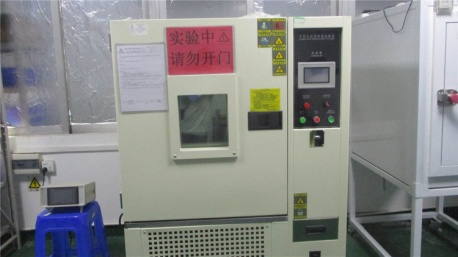
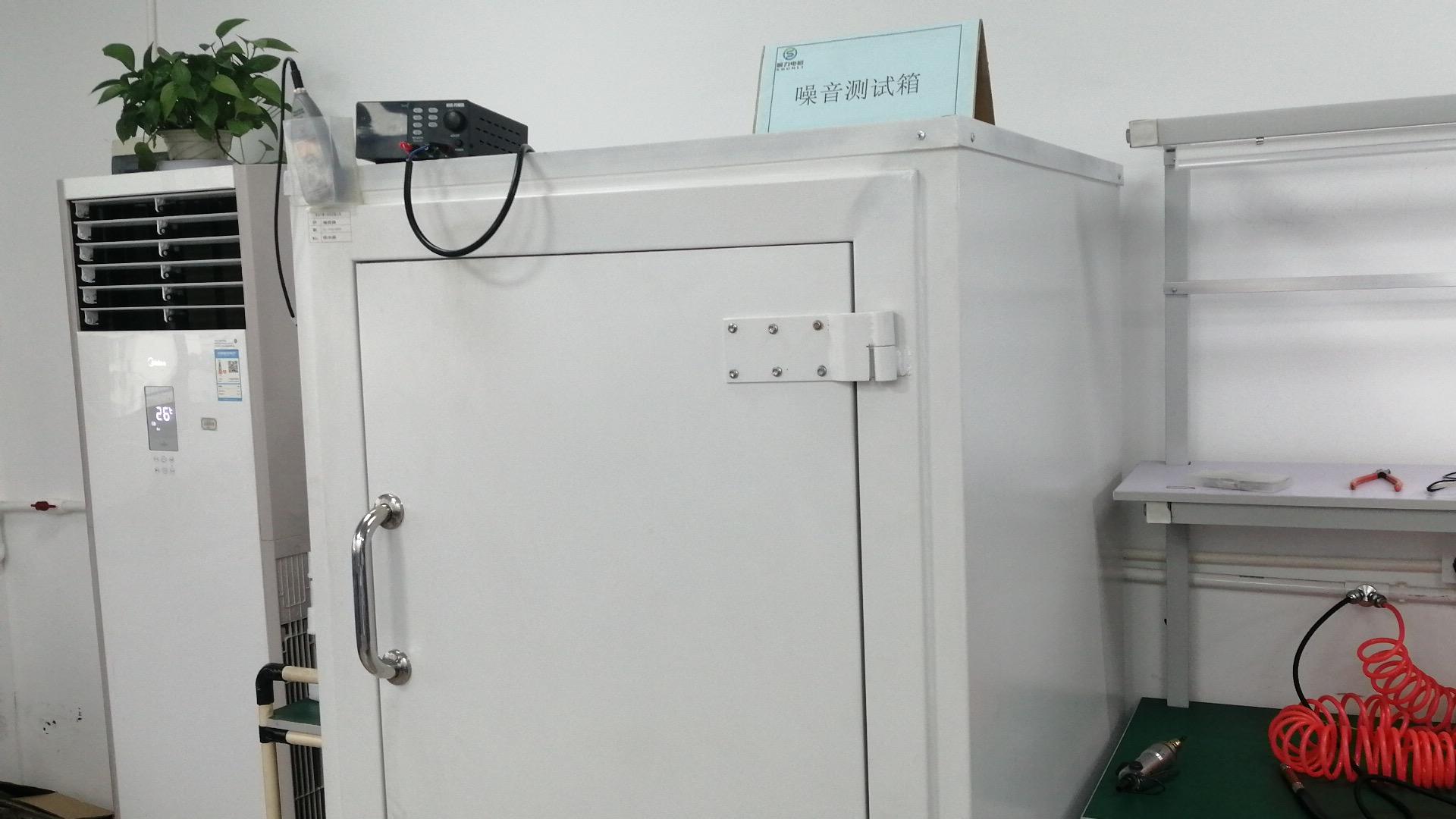
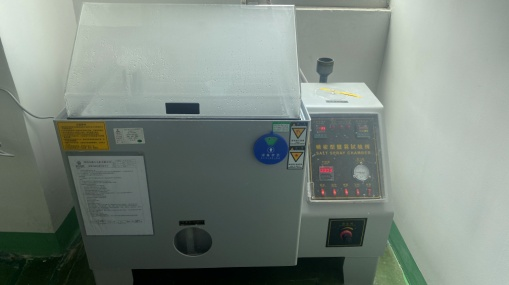
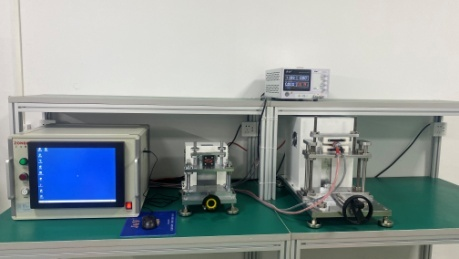
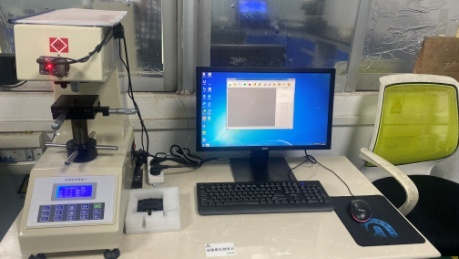
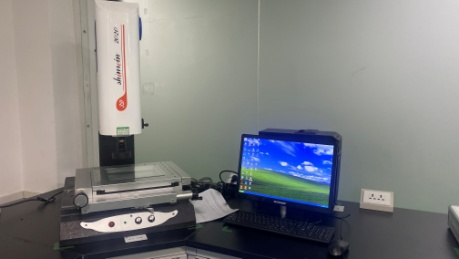
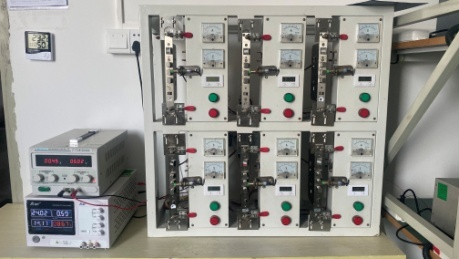
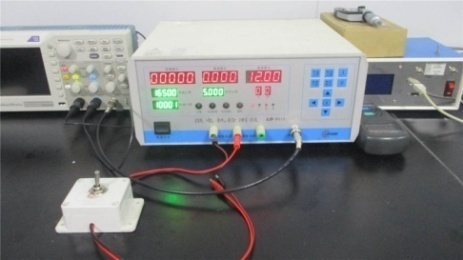
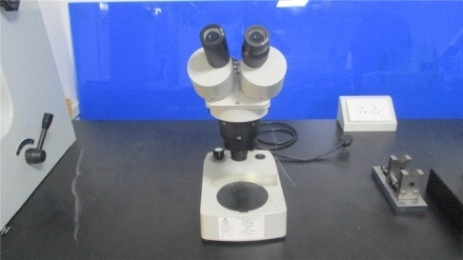
The key to Syncdrive Motor's reliability lies in our vertically integrated production facility. We handle raw material processing, automated winding, gear milling, quality control, and testing under a single roof, protecting production runs from volatile market variations.
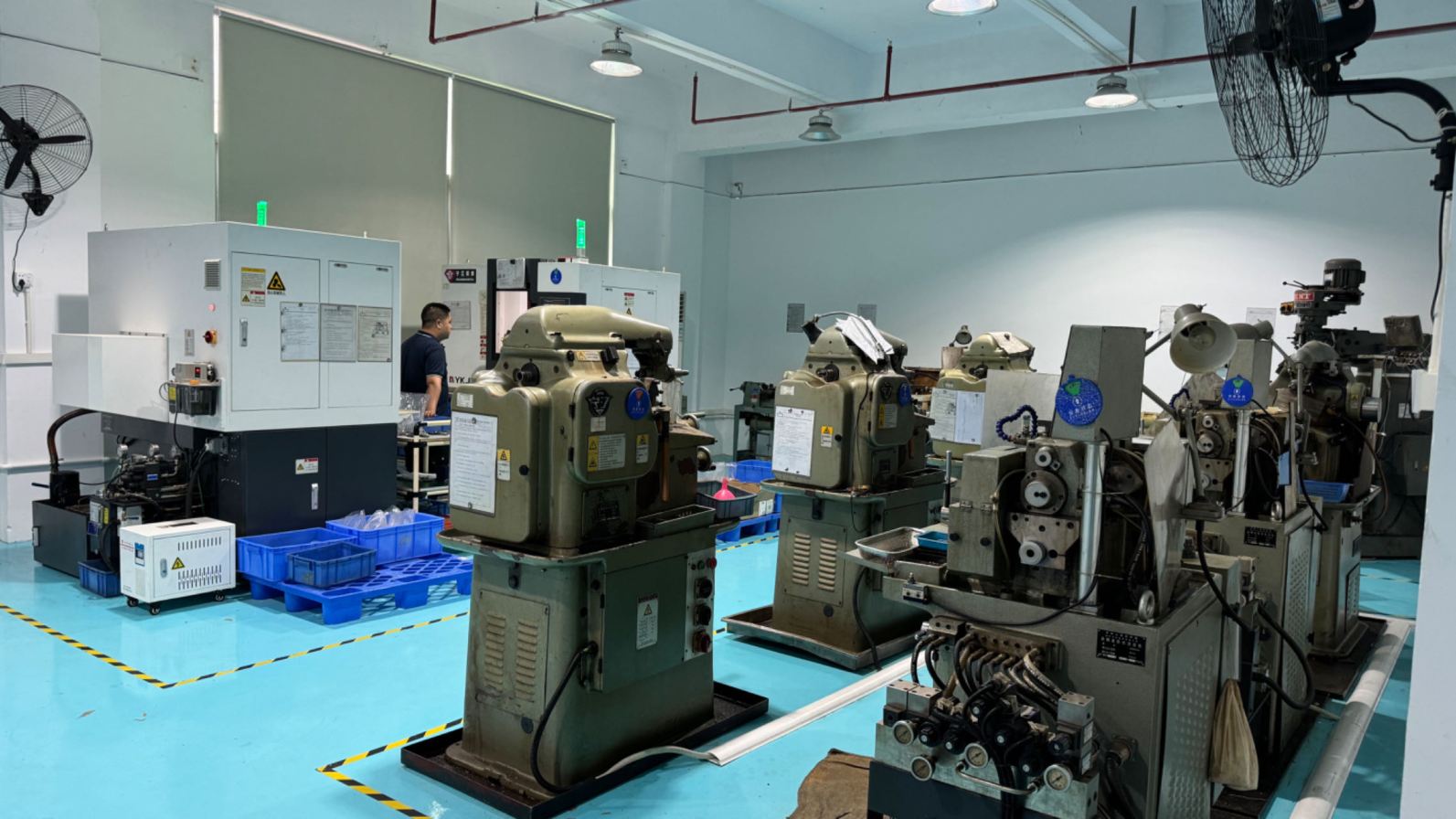
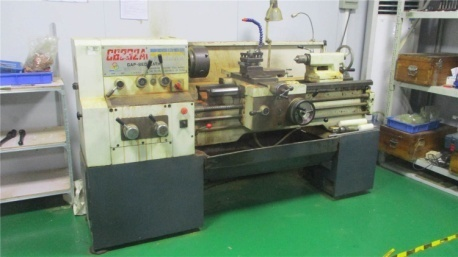
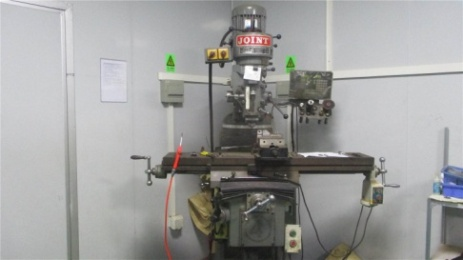
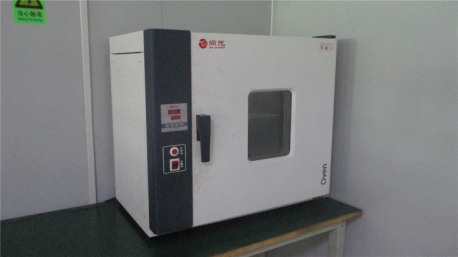
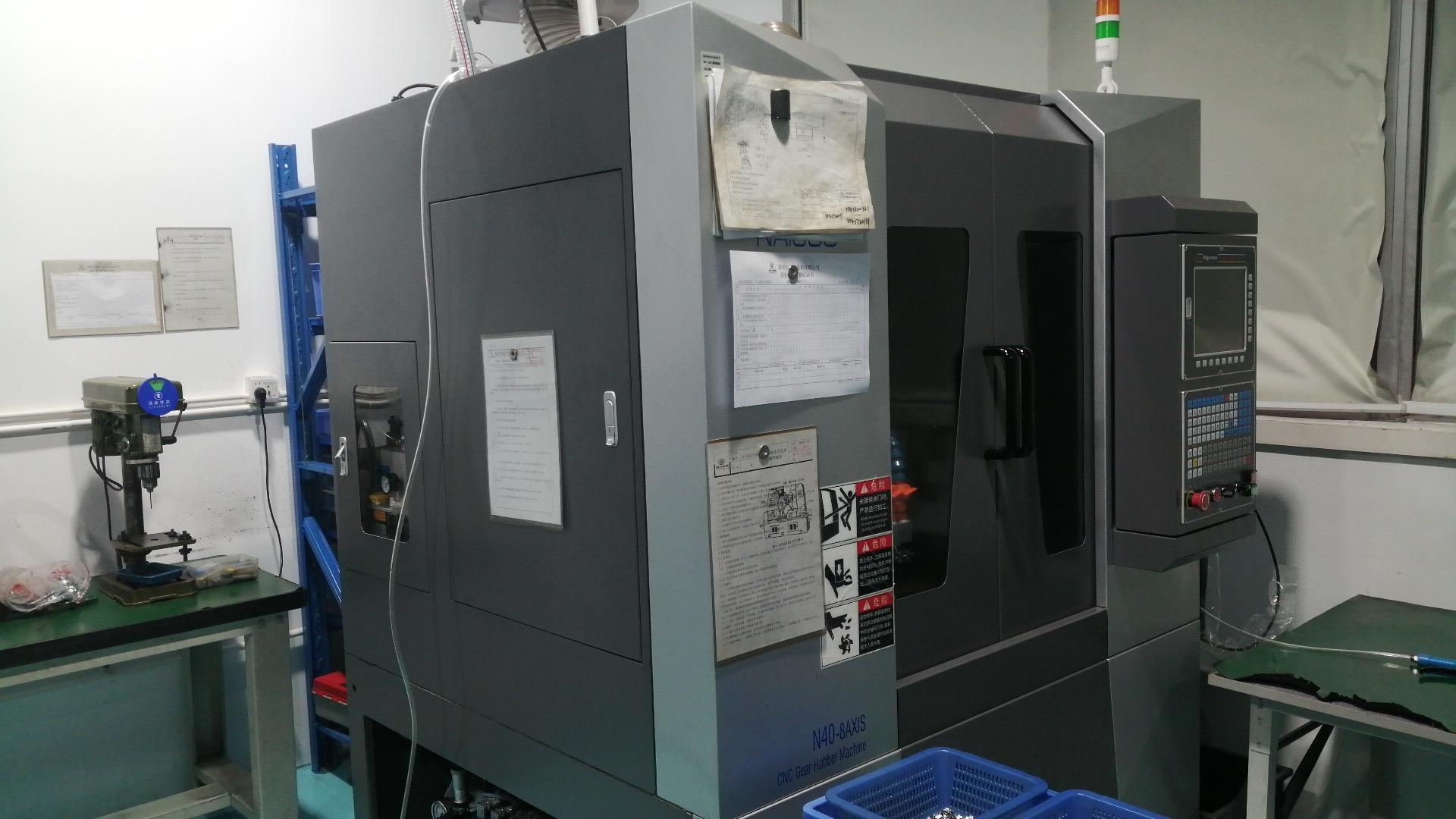
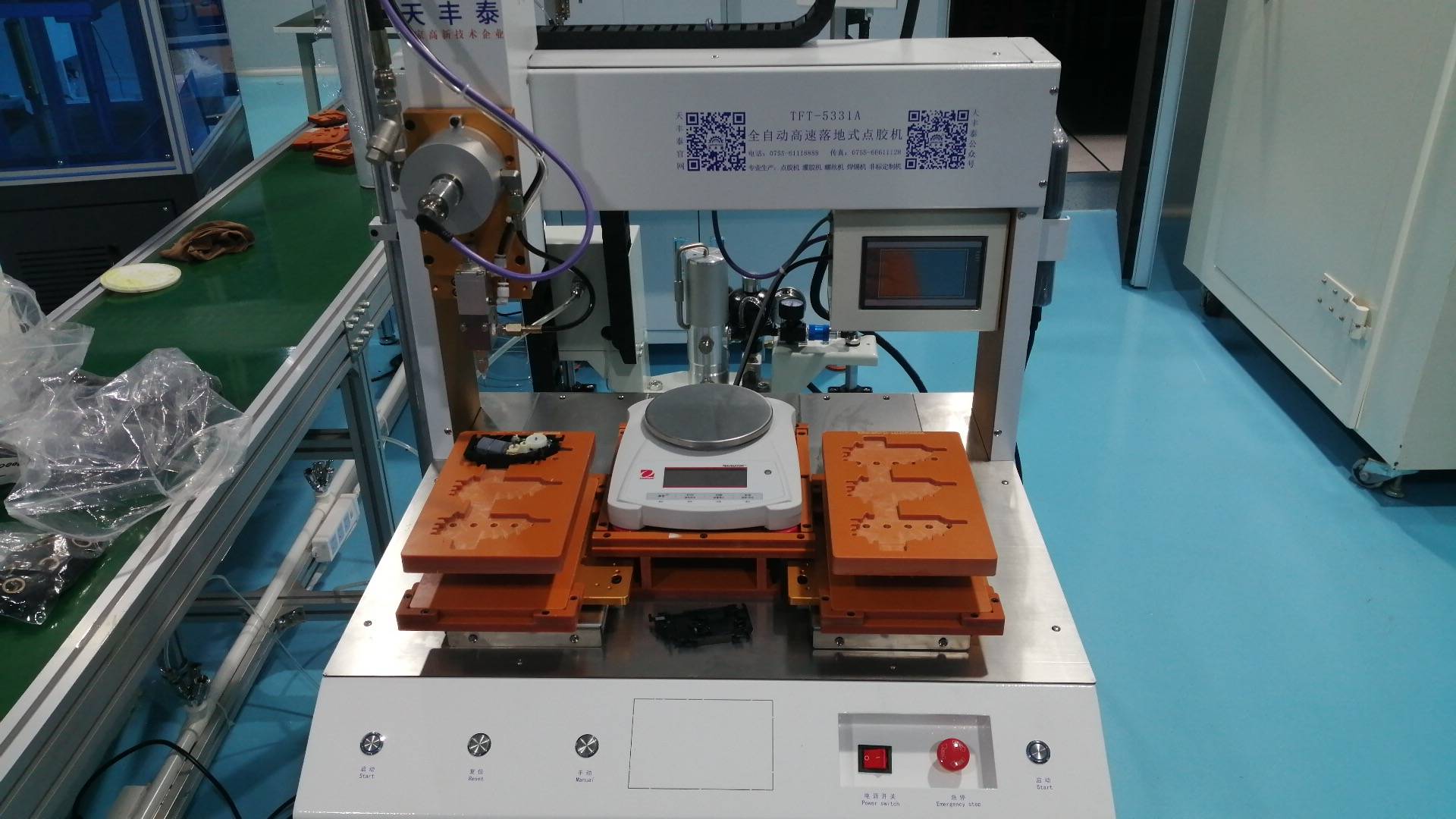
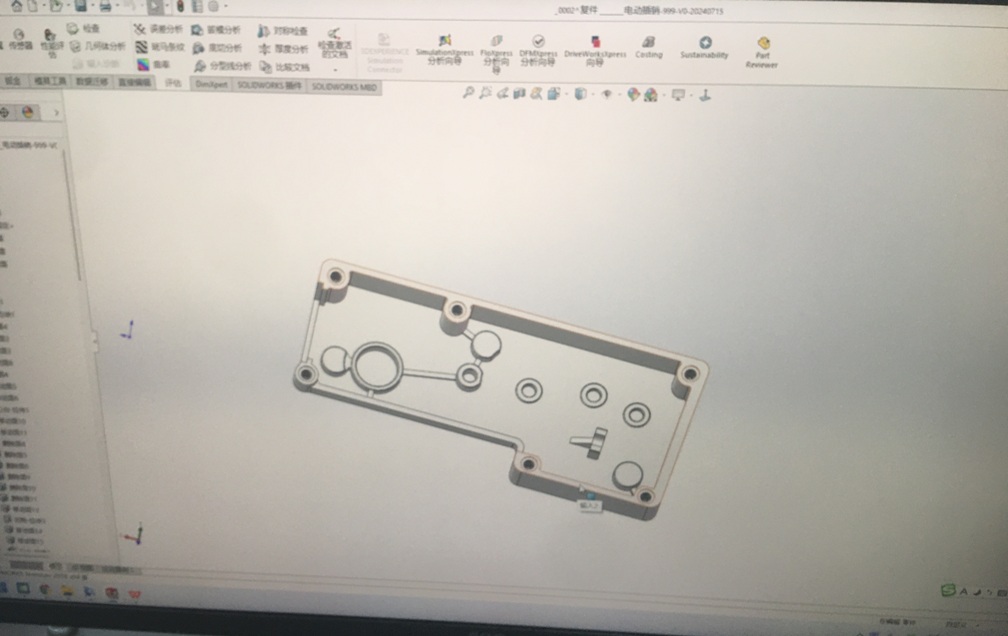
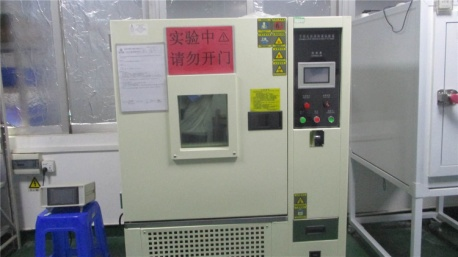
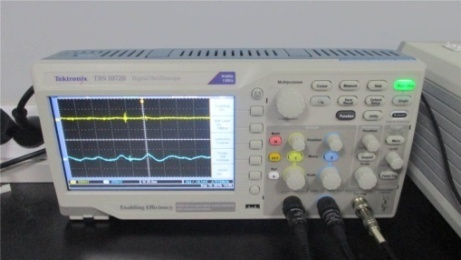
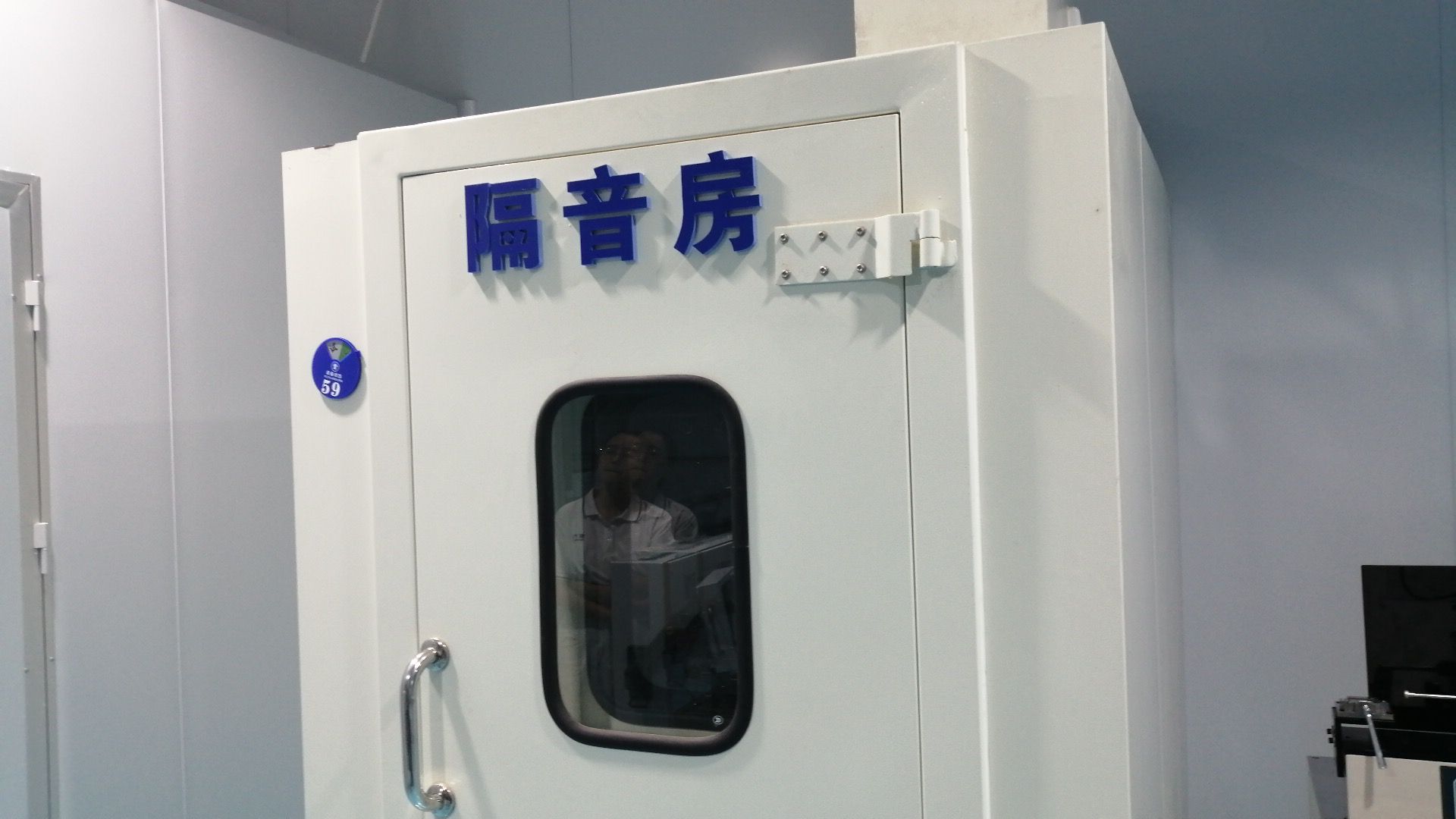
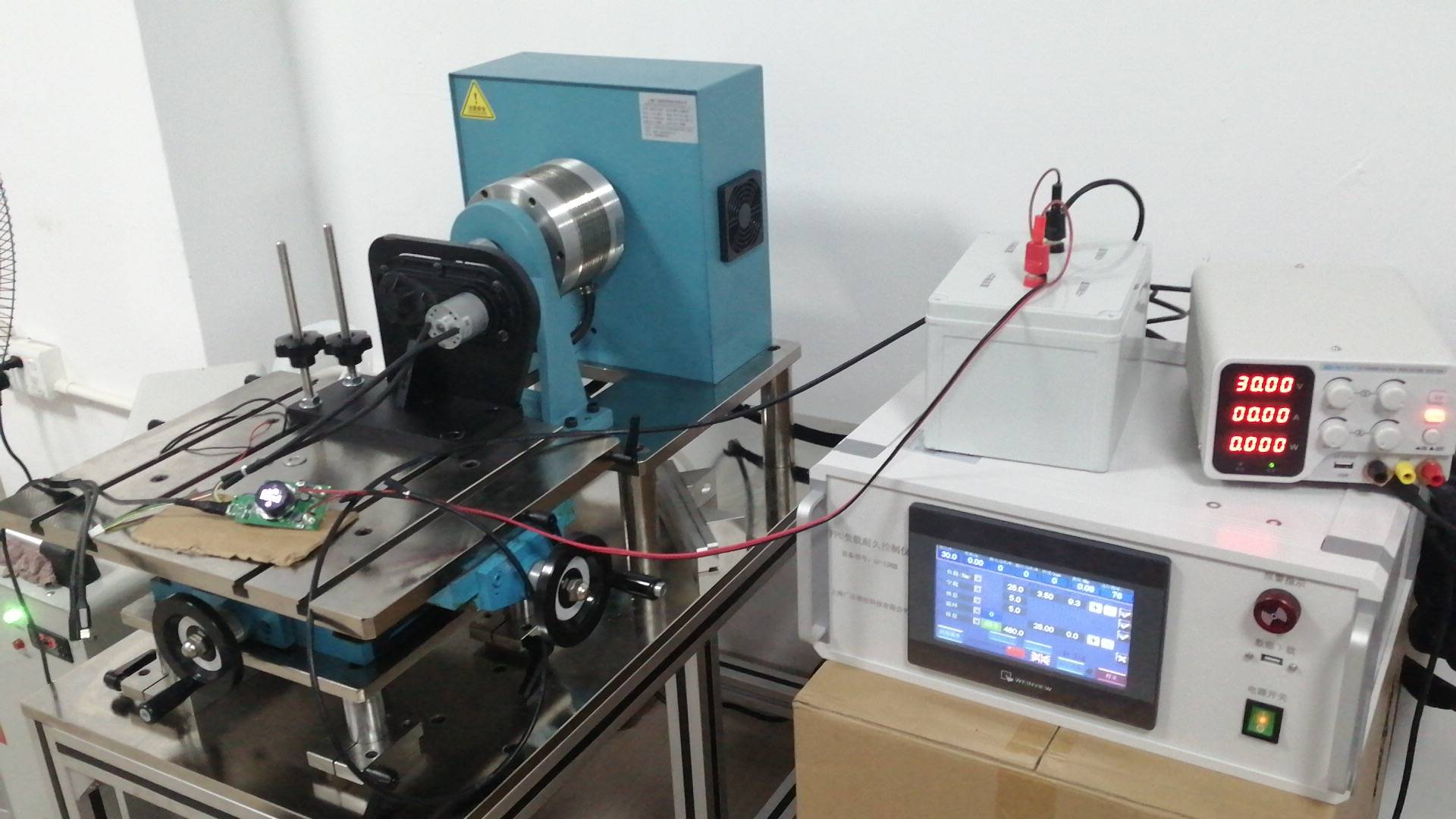
Syncdrive Motor micro-drives operate under a wide range of ambient conditions and load profiles, making them a versatile choice for global engineering projects.
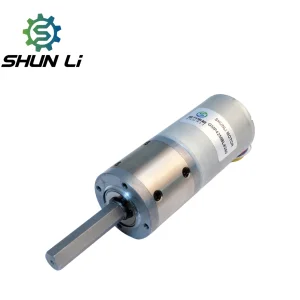
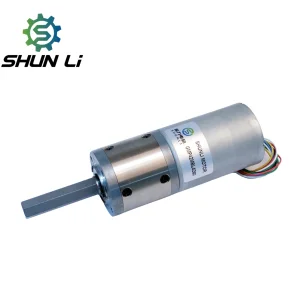
Our planetary brushless motors provide the positioning precision and high torque-density required for surgical tools and collaborative robot joints.
AC Shaded Pole Gear Motors drive conveyor ovens and baking equipment, operating reliably in high-temperature commercial kitchen environments.
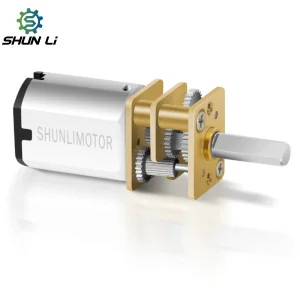
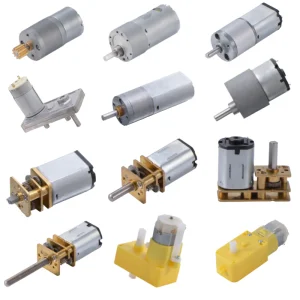
Compact N20 and N30 DC motors provide the high startup torque needed for smart door locks, automated blinds, and robotic vacuums.
Common technical inquiries regarding custom OEM/ODM motor selection, manufacturing capabilities, and integration parameters.
 Syncdrive Motor