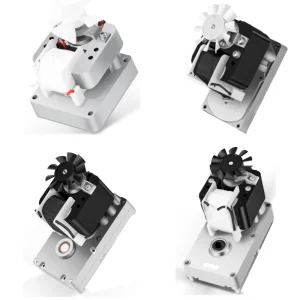
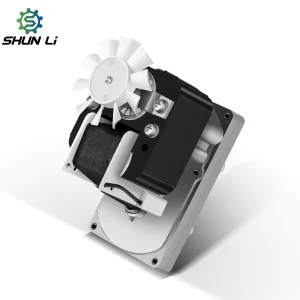
Direct from our state-of-the-art production lines, engineered to satisfy high torque, low RPM, and strict durability standards.
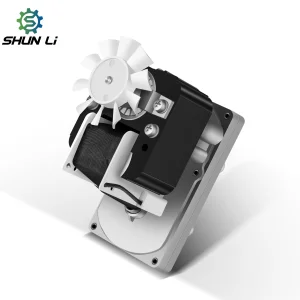
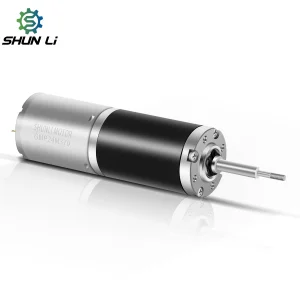
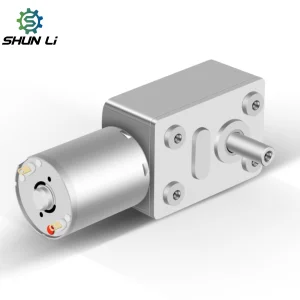
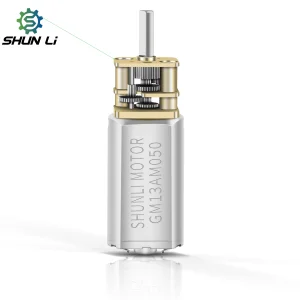
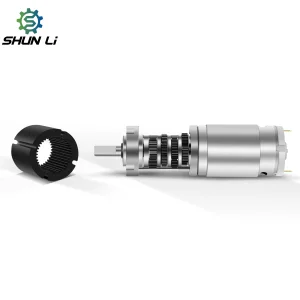
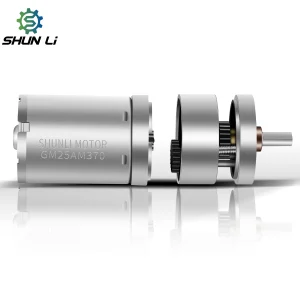
Every groundbreaking smart device needs a reliable pulse. Syncdrive Motor designs and manufactures high-efficiency micro-drives that serve as the invisible, robust core inside next-generation robotics, smart home applications, and aerospace medical tools worldwide.
We operate on a simple philosophy: Engineered to last. Built to fit. By blending advanced automation with a passion for micro-engineering, Syncdrive Motor provides global B2B clients with the transparency of a local engineering partner and the massive scale advantages of a top-tier Chinese factory. We don't just sell motors; we build the core axis that keeps your business moving forward.

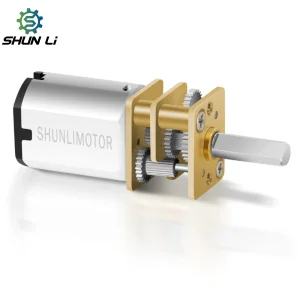
In modern industrial design, mechanical power transmission relies heavily on compact, highly efficient, and high-torque execution units. Among these, the DC worm gear motor holds a vital role. Utilizing a worm (a screw-like shaft) that meshes with a worm gear (similar to a spur gear), this configuration allows designers to transmit power at right angles while achieving exceptionally high gear reduction ratios in a single, compact stage.
The primary advantage of worm gearing is its ability to achieve self-locking behavior. In applications such as automated shutters, medical patient beds, electric hoists, and automated warehouse gates, safety dictates that the load must remain stationary when power is disconnected. Worm gear configurations prevent back-driving because the friction angle between the worm and worm wheel is smaller than the lead angle of the worm. This design attribute eliminates the need for expensive, bulky external braking mechanisms.
Furthermore, worm gearboxes feature a minimal component count compared to planetary or multi-stage spur gearboxes. Fewer rotating elements mean fewer potential failure points, localized noise dampening, and inherently lower mechanical vibrations. This is critical for medical environments and high-end residential smart home automation where silent operation (often under 45dB) is a core requirement.
Historically, heavy industrial setups favored AC gear motors. However, the rise of decentralized automation, battery-operated machinery, AGVs (Automated Guided Vehicles), and solar-powered outdoor systems has shifted the market toward low-voltage DC motors. 12V DC and 24V DC configurations allow direct integration with microcontrollers, PLC boards, and variable-speed drivers without complex AC inverter setups. The high startup torque of brushed and brushless DC motors matches the torque-speed curve needed to break static inertia in heavy mechanical linkages.
As the primary hub for micro-drive systems, Chinese manufacturers have evolved from low-cost assembly lines to precision engineering centers. When global procurement teams source DC worm gear motors from China, they tap into an established, highly integrated ecosystem.
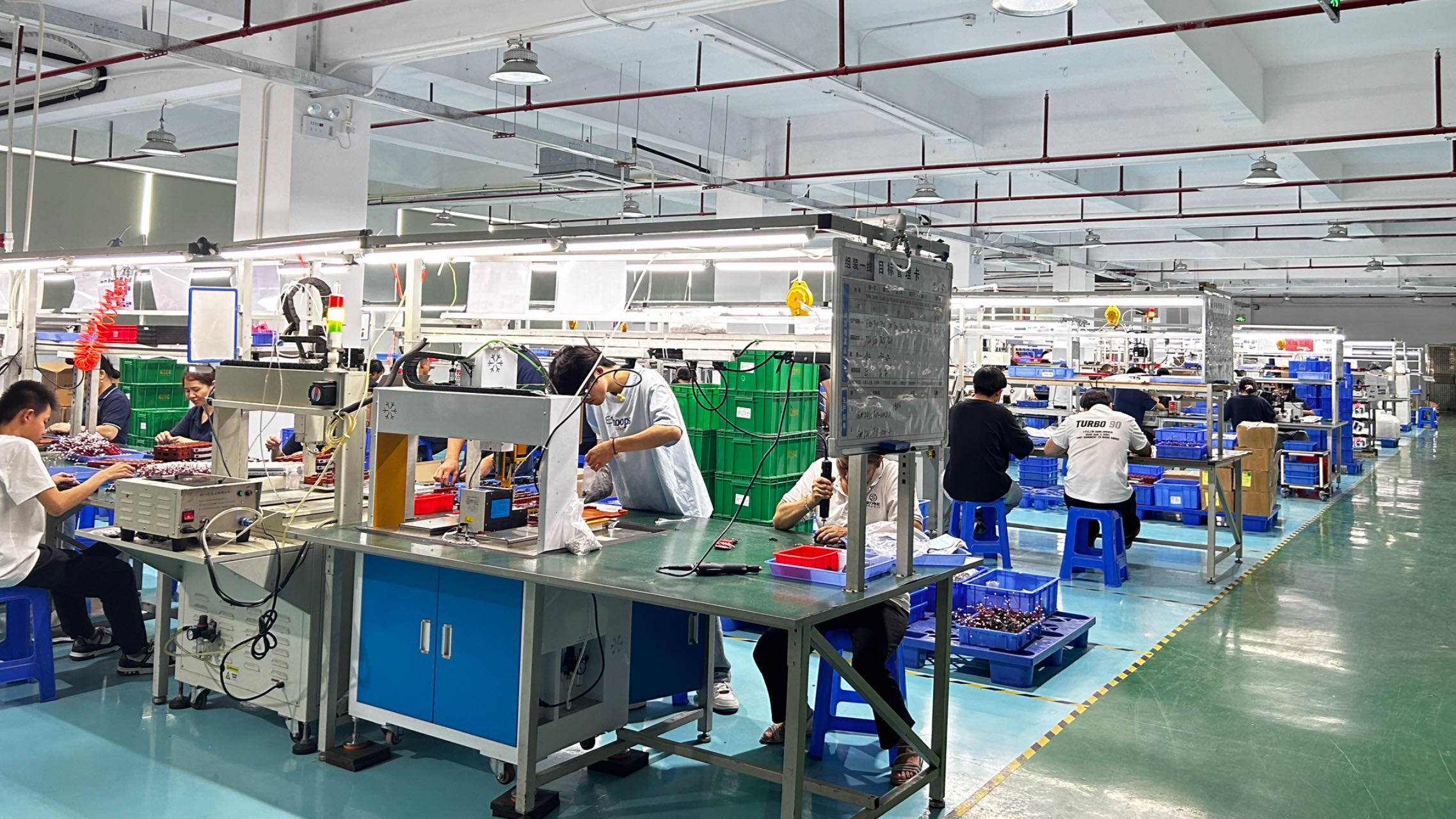
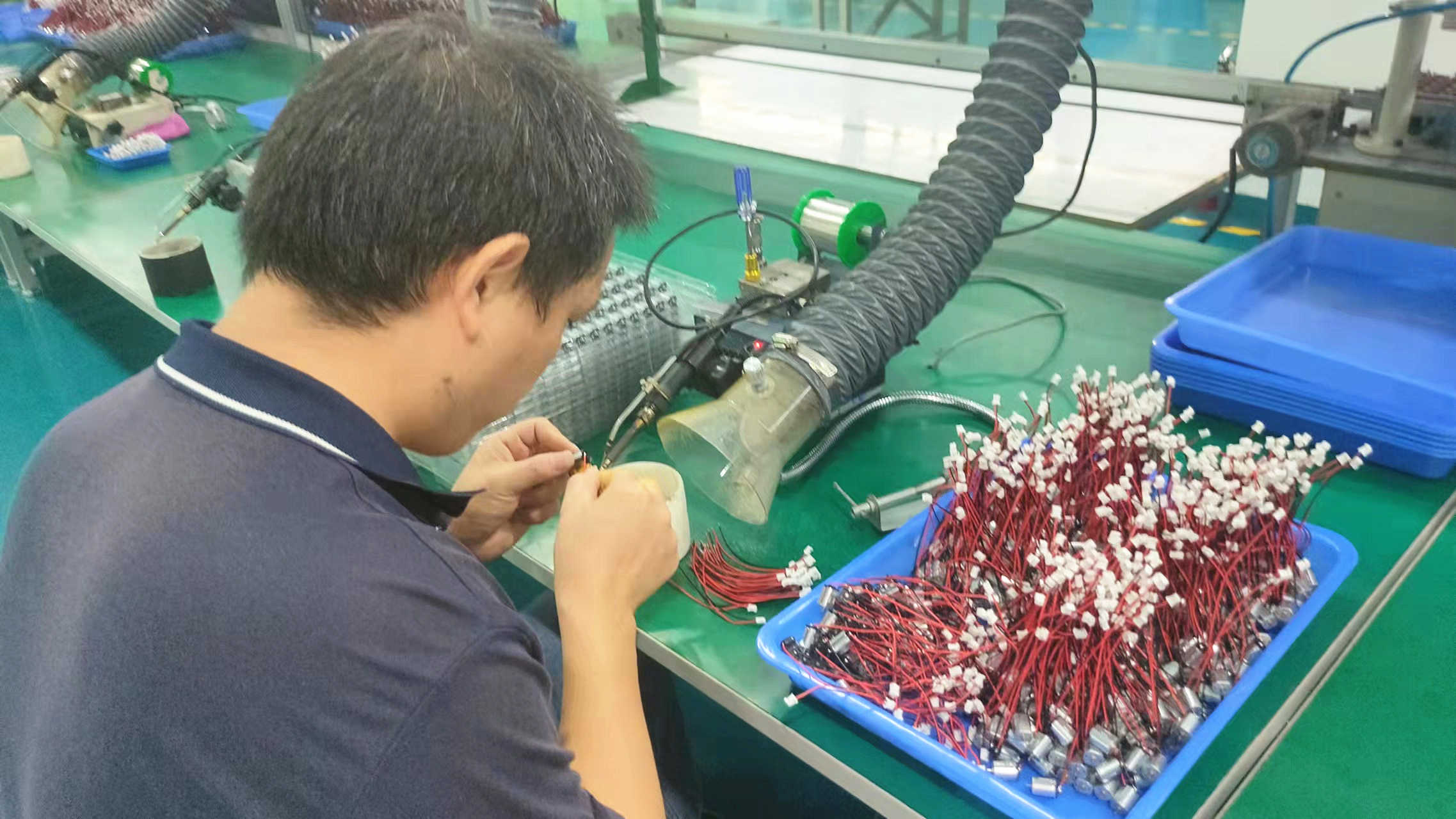
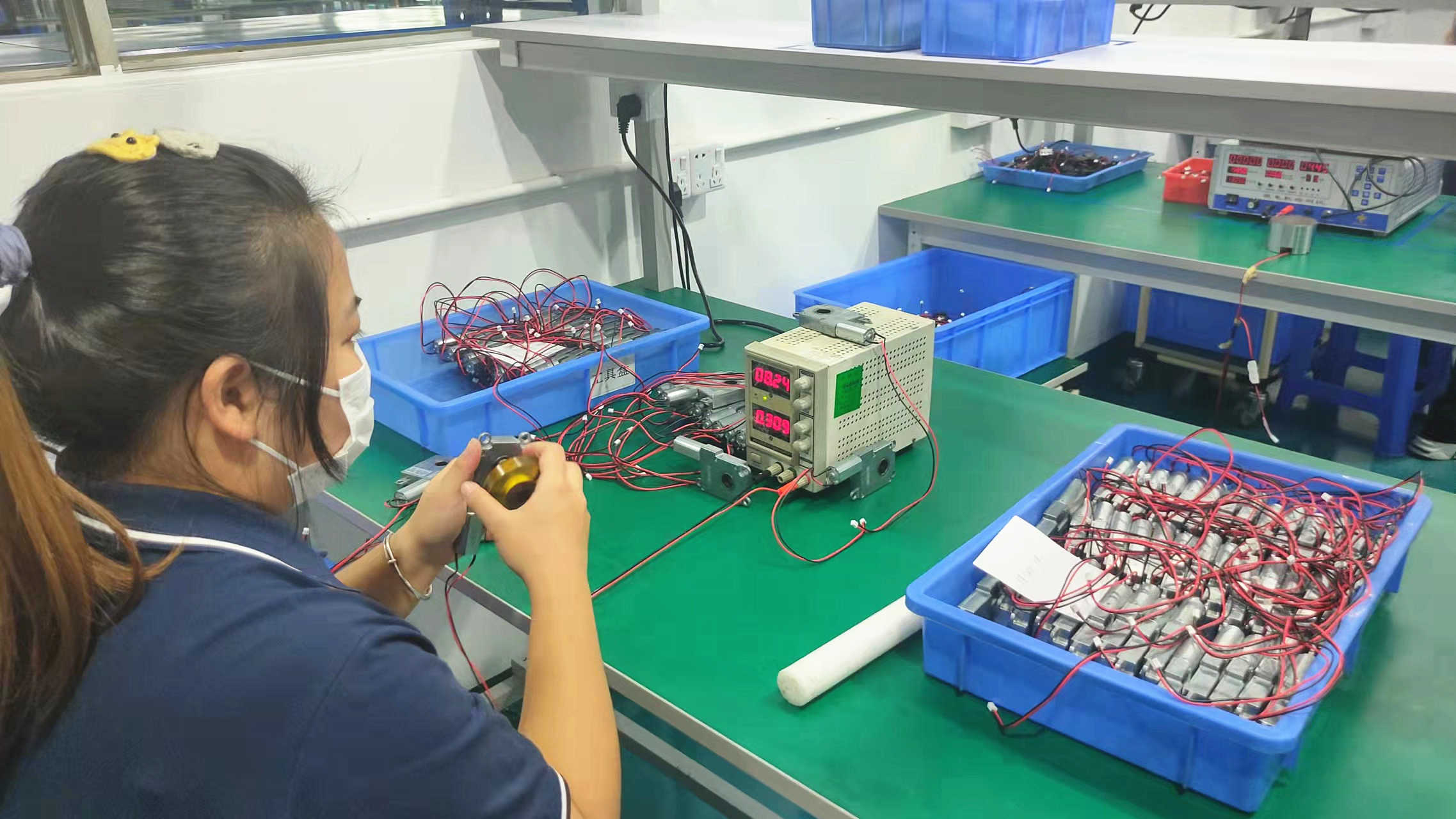
A transparent look at the assembly steps that ensure maximum product reliability and mechanical consistency.

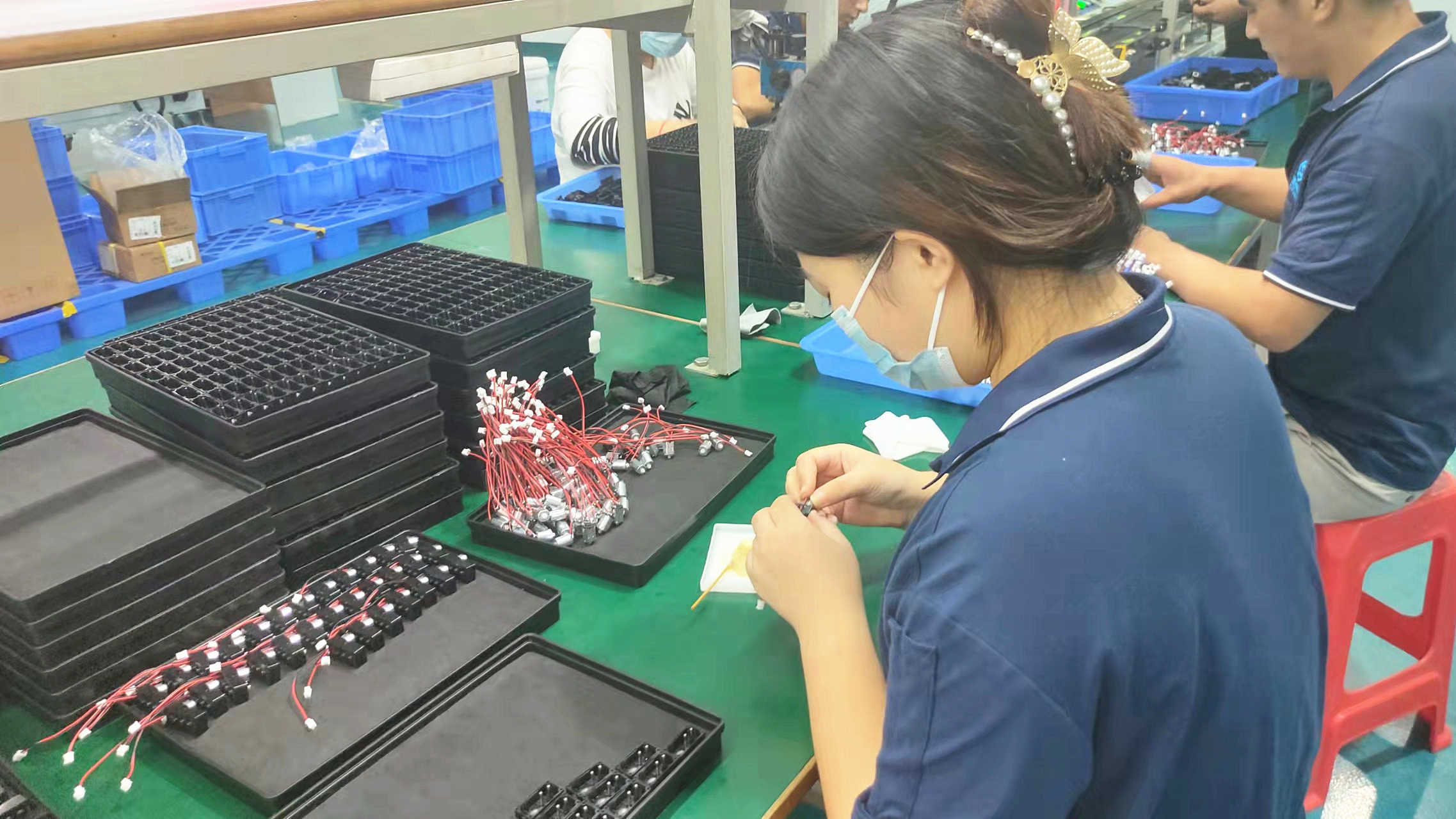
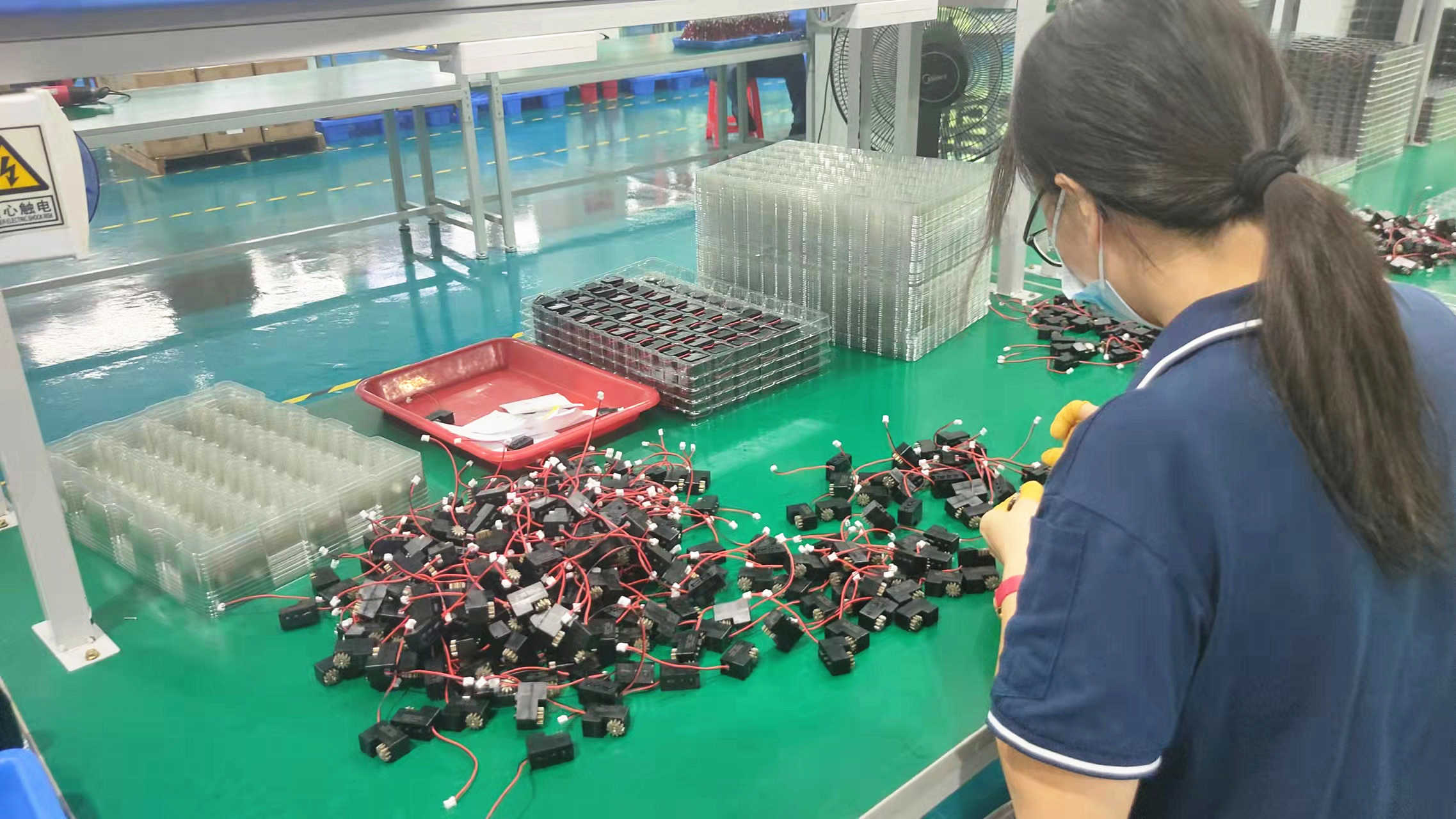
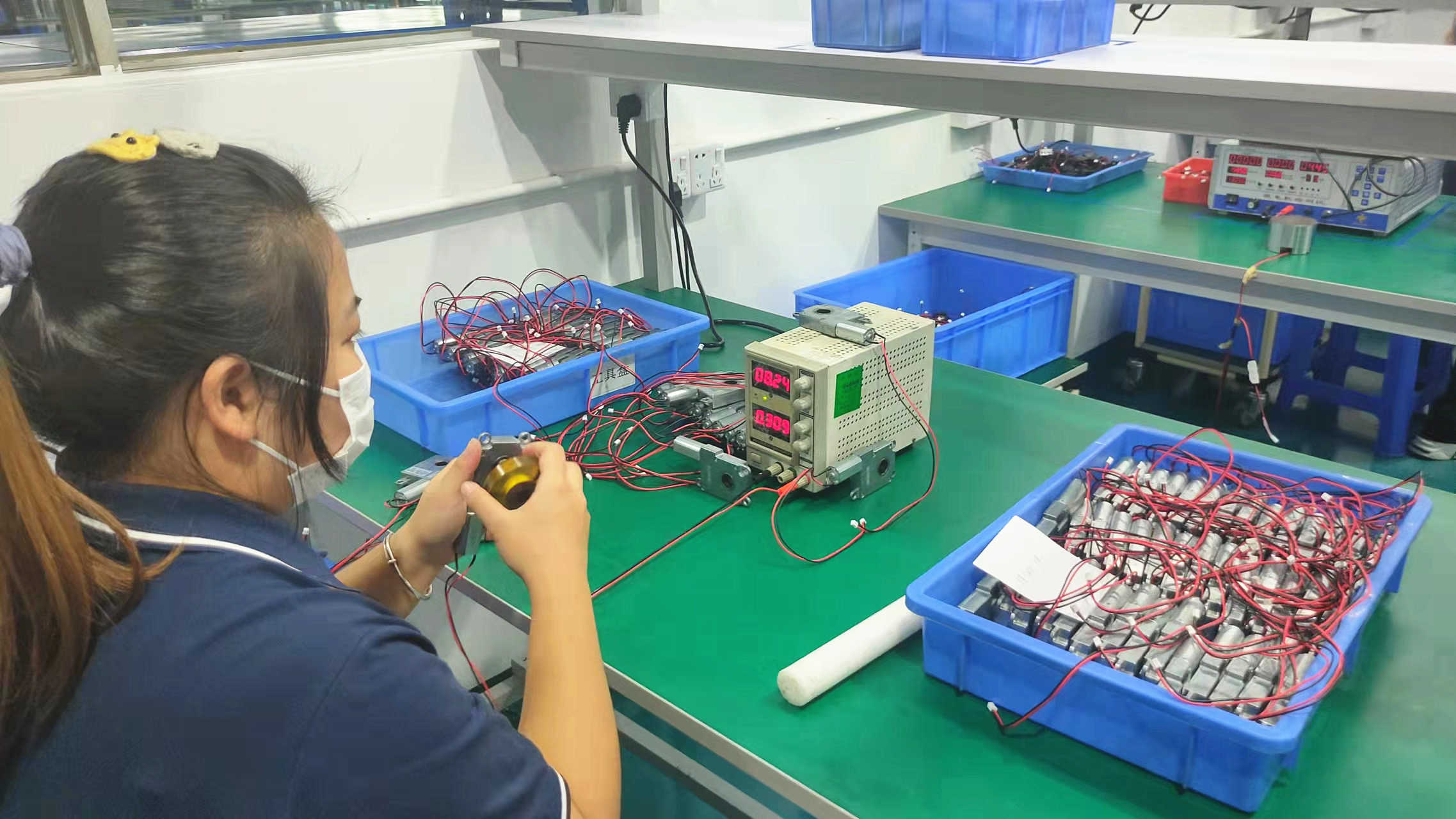

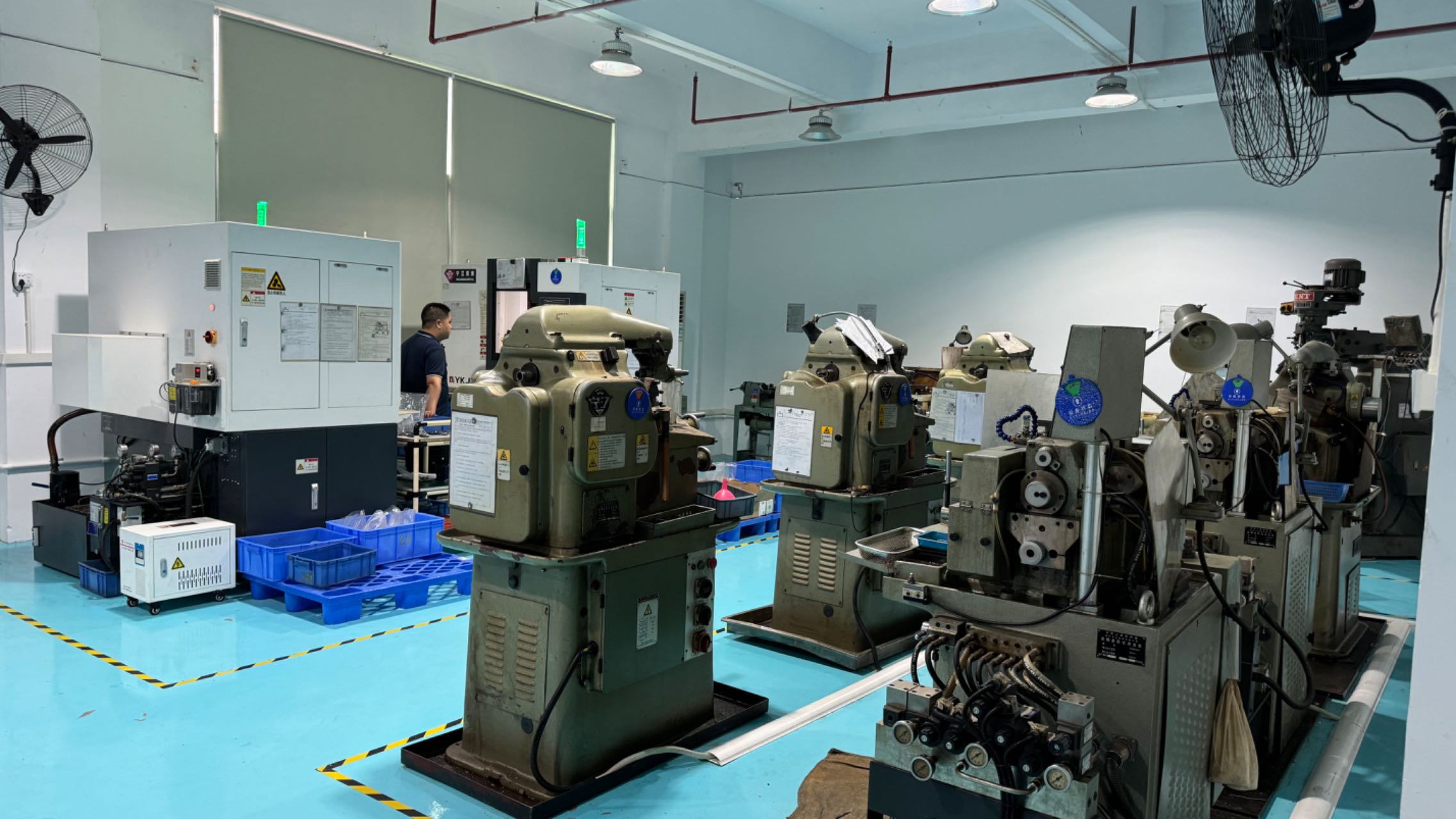
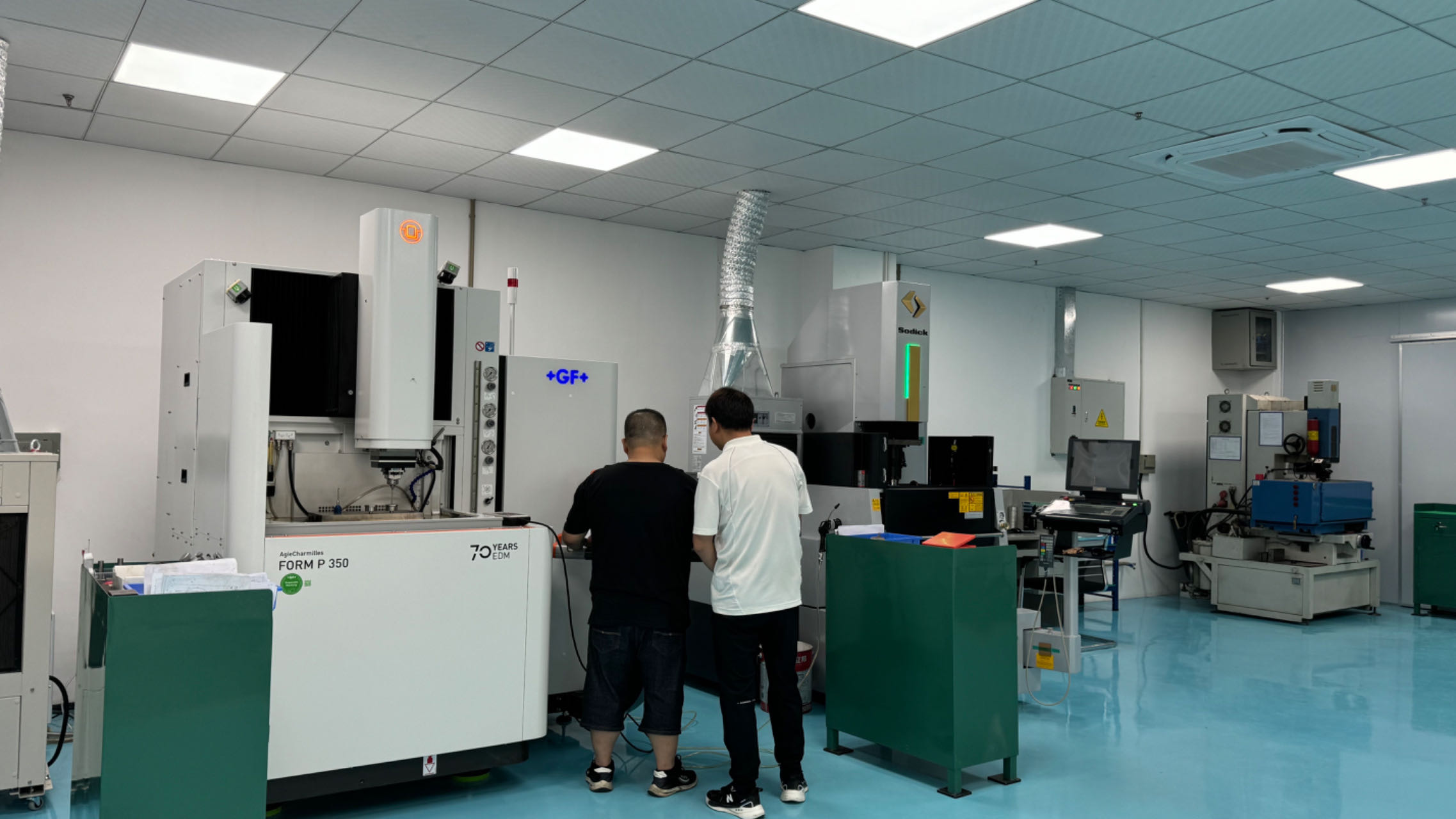
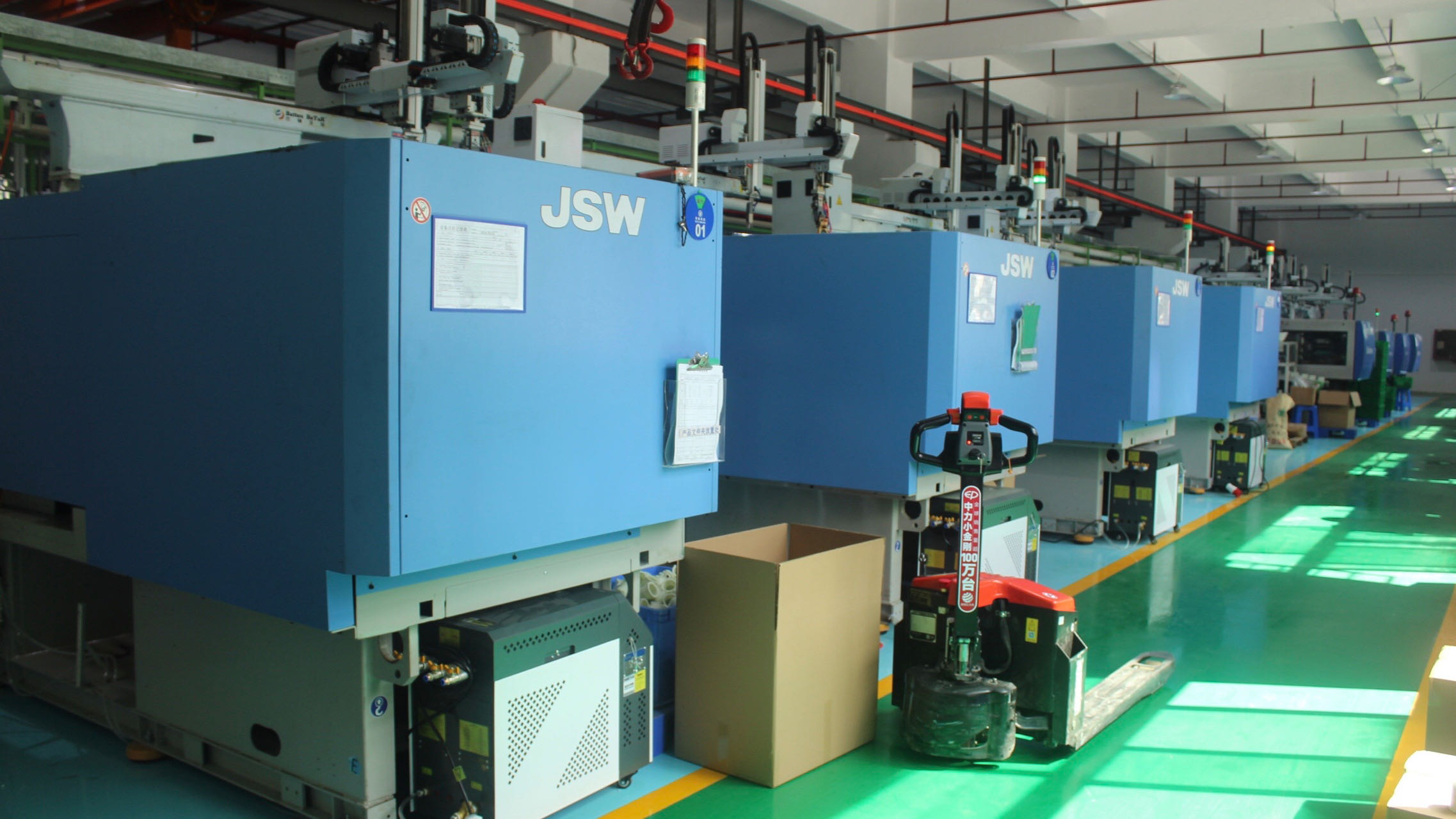
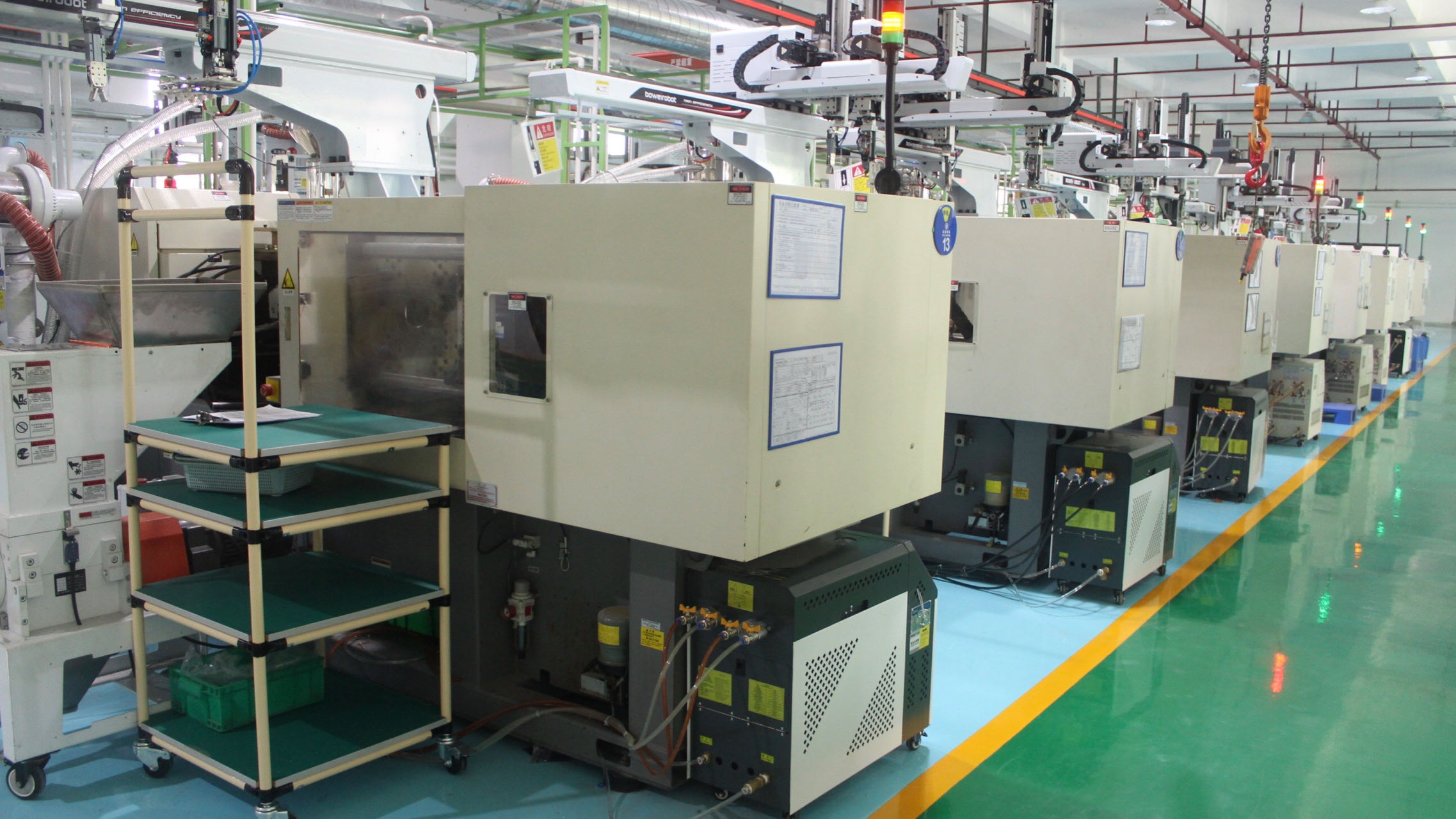
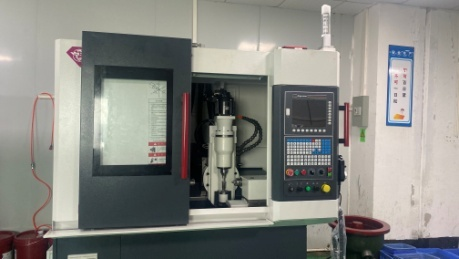
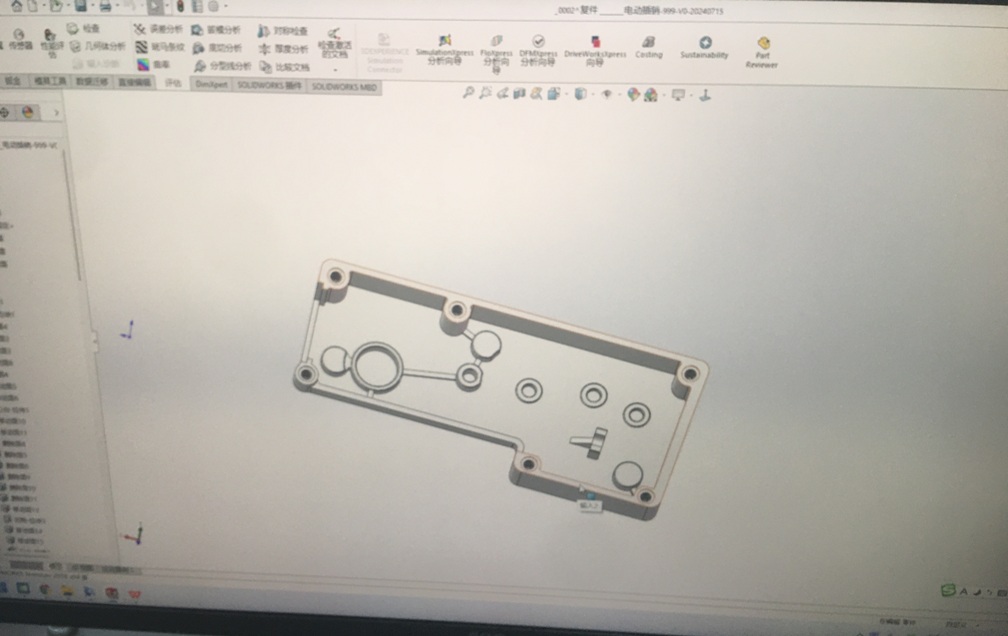
Precision micro-drive systems require exceptional manufacturing accuracy. Our factory floor utilizes leading machine tools to guarantee consistent gear engagement and shaft alignments.
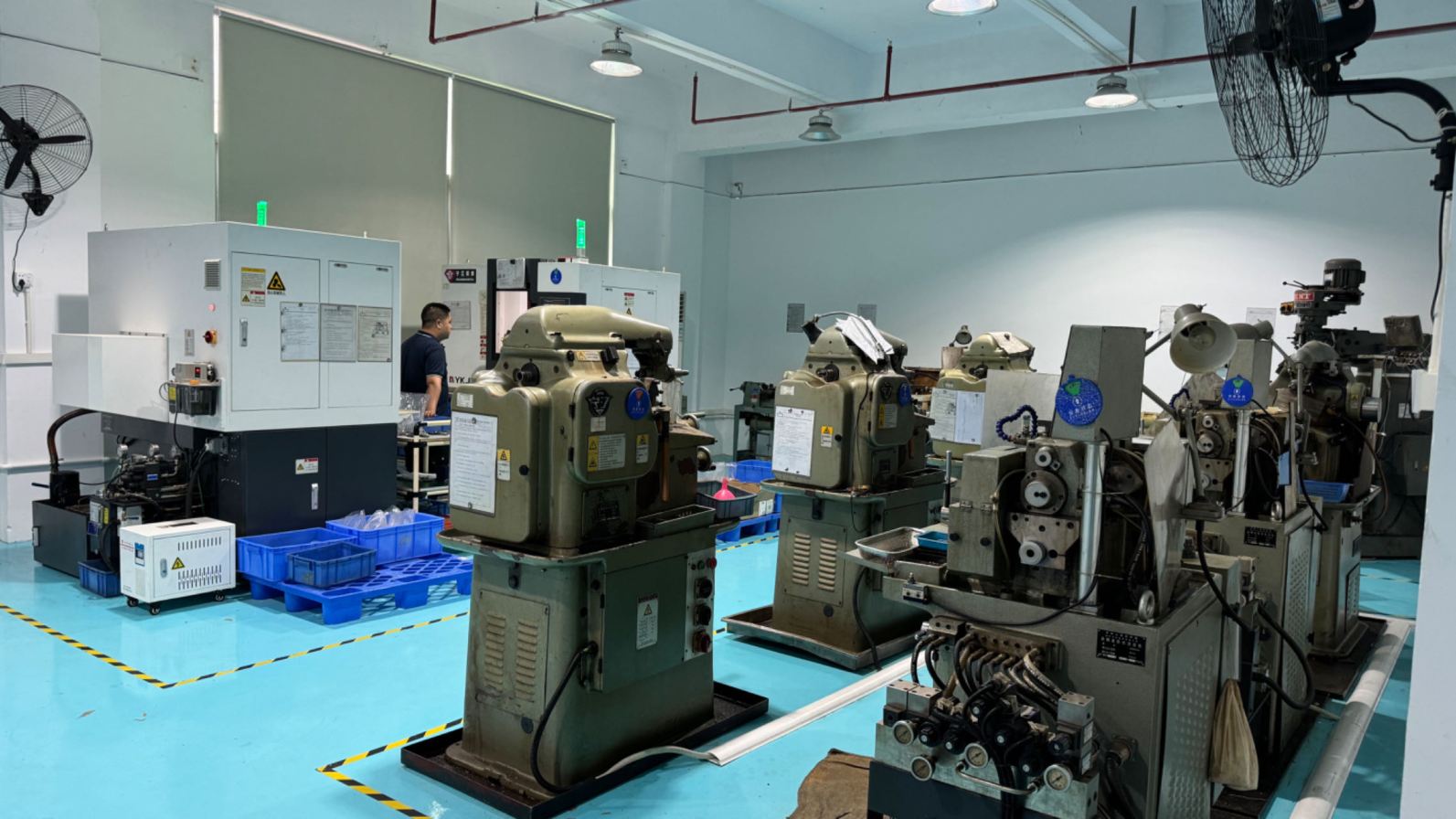
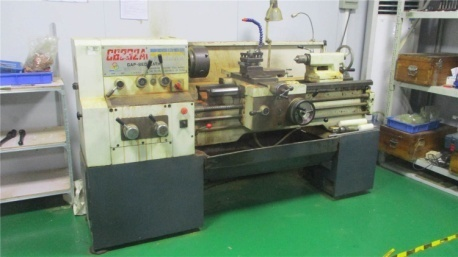
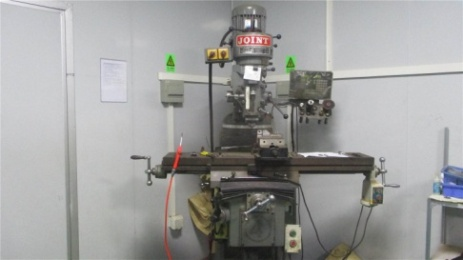
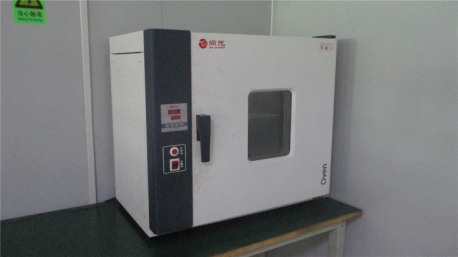
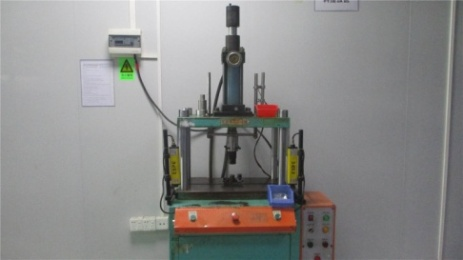
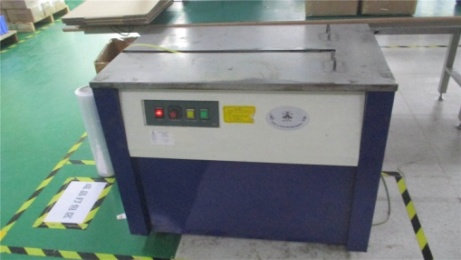
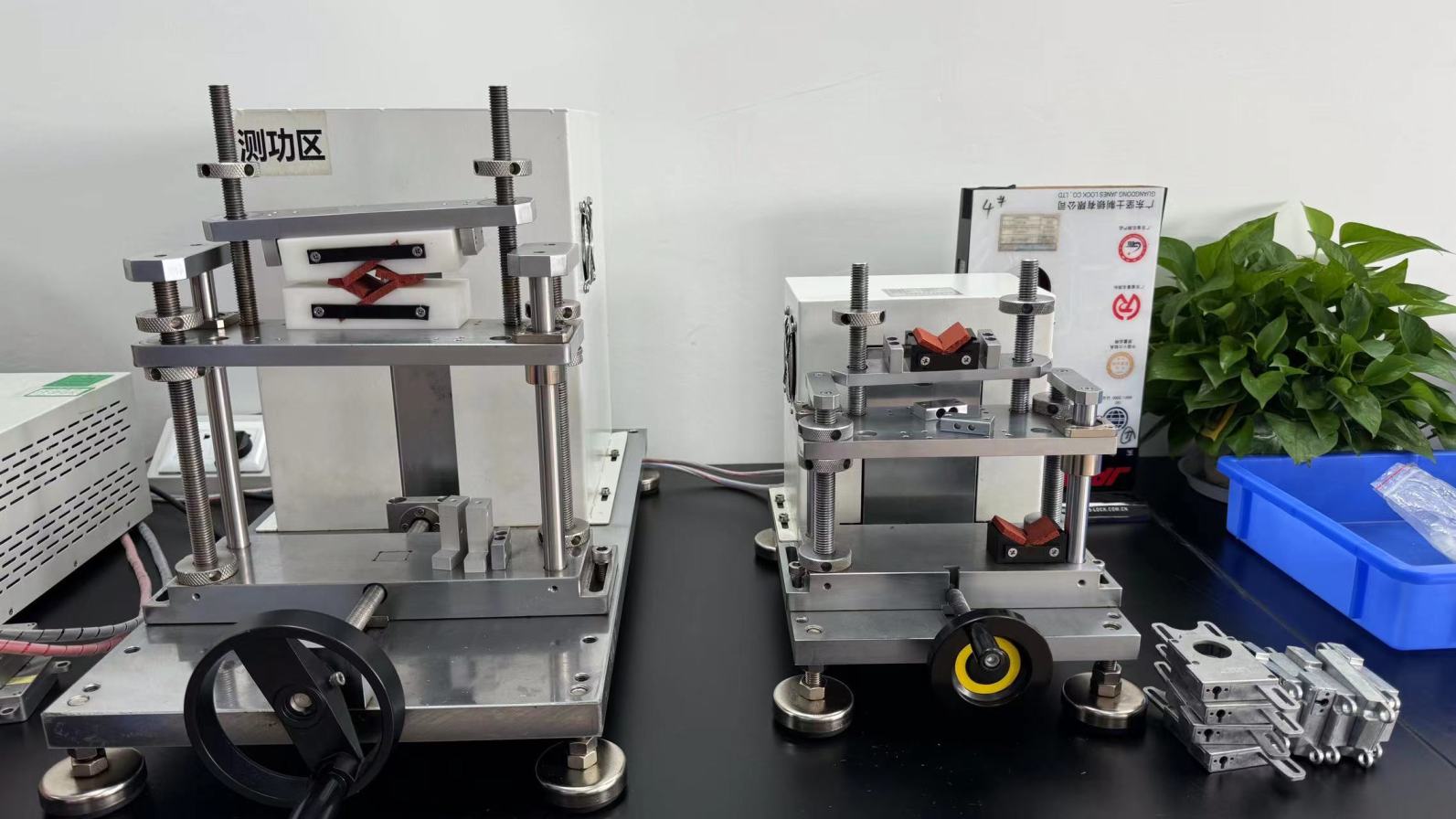
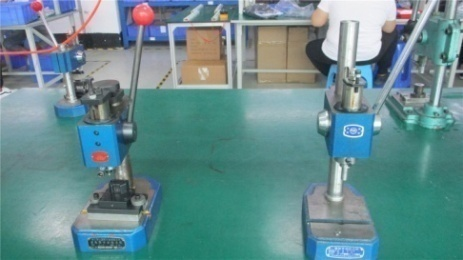
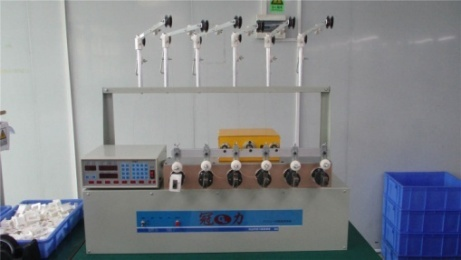
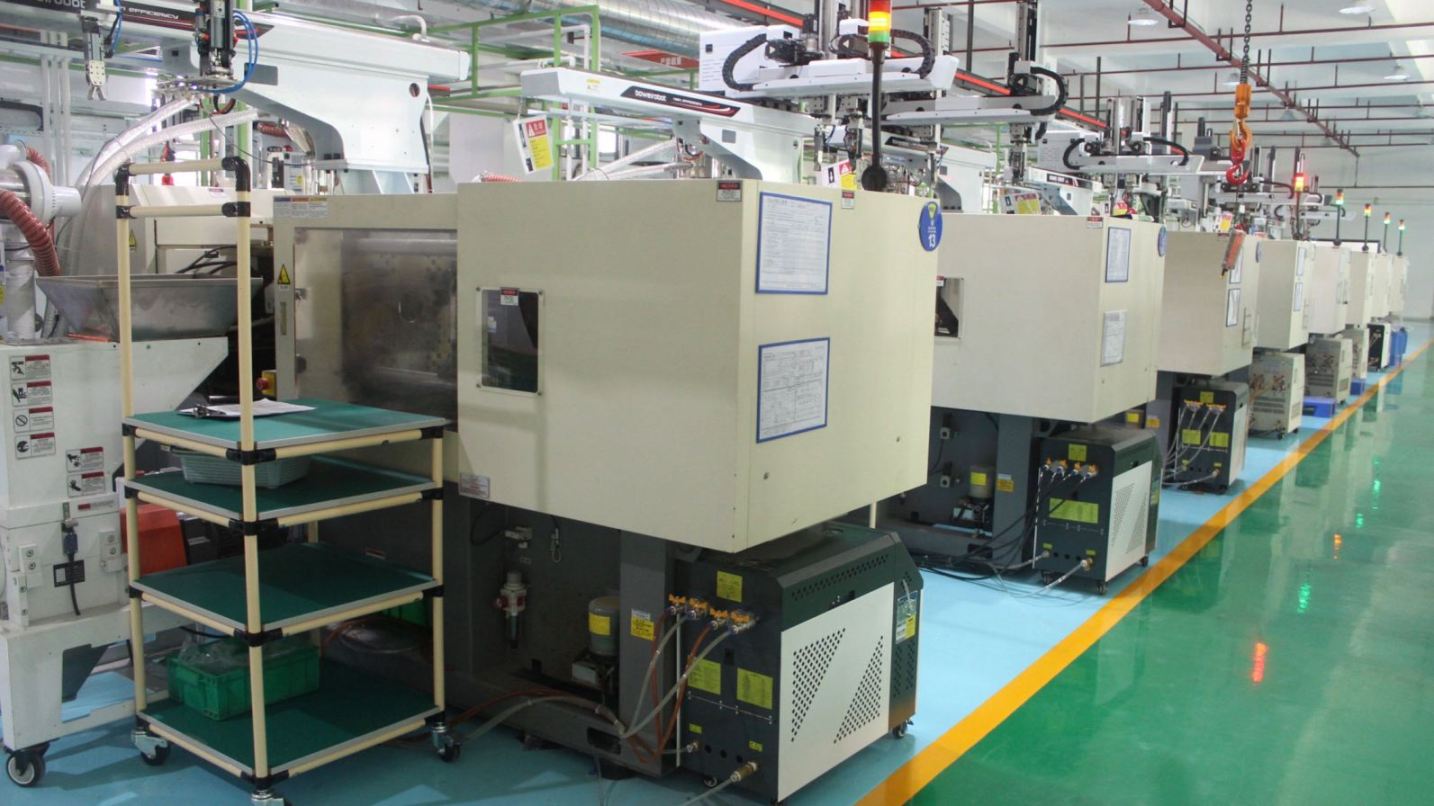
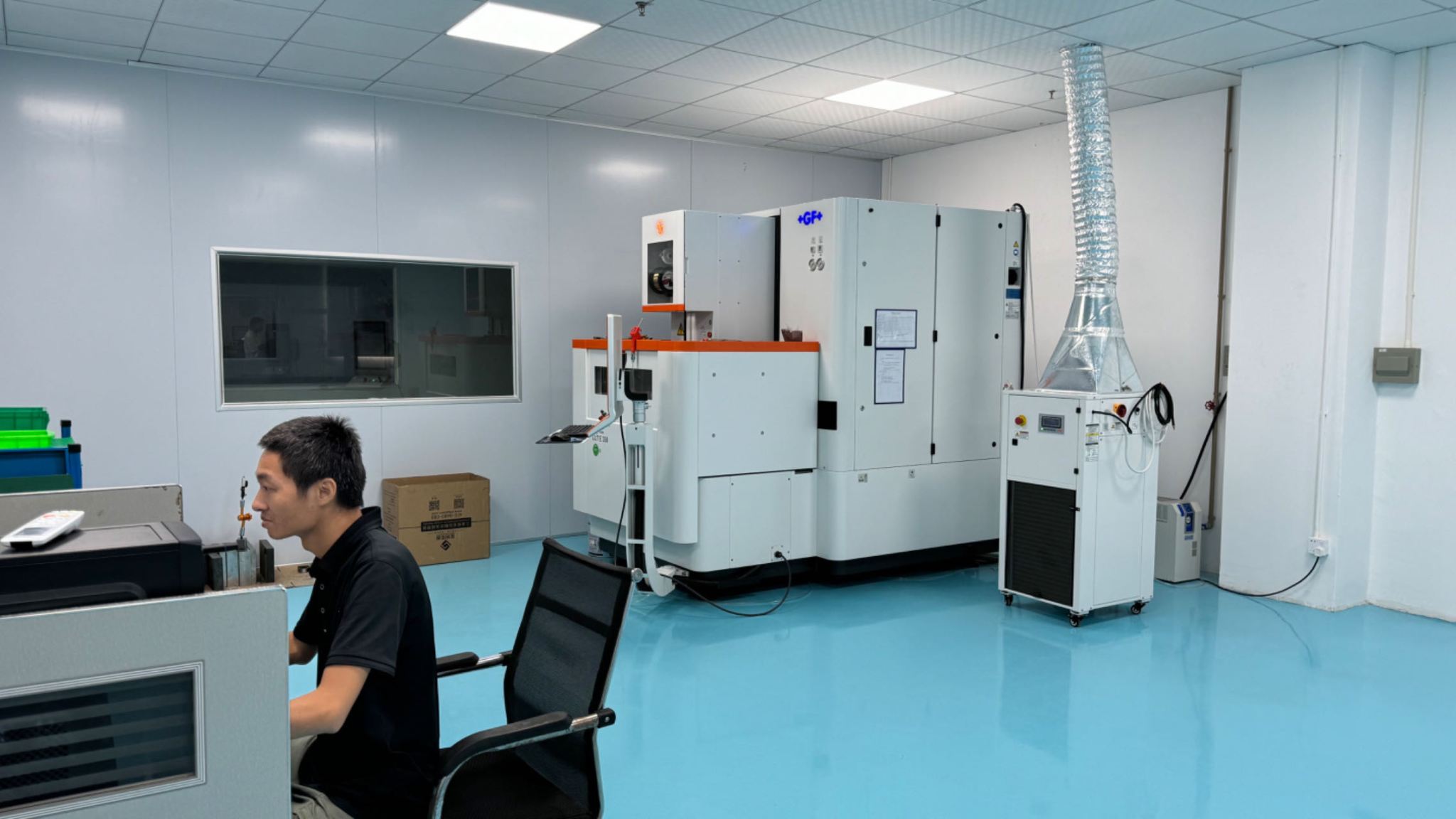
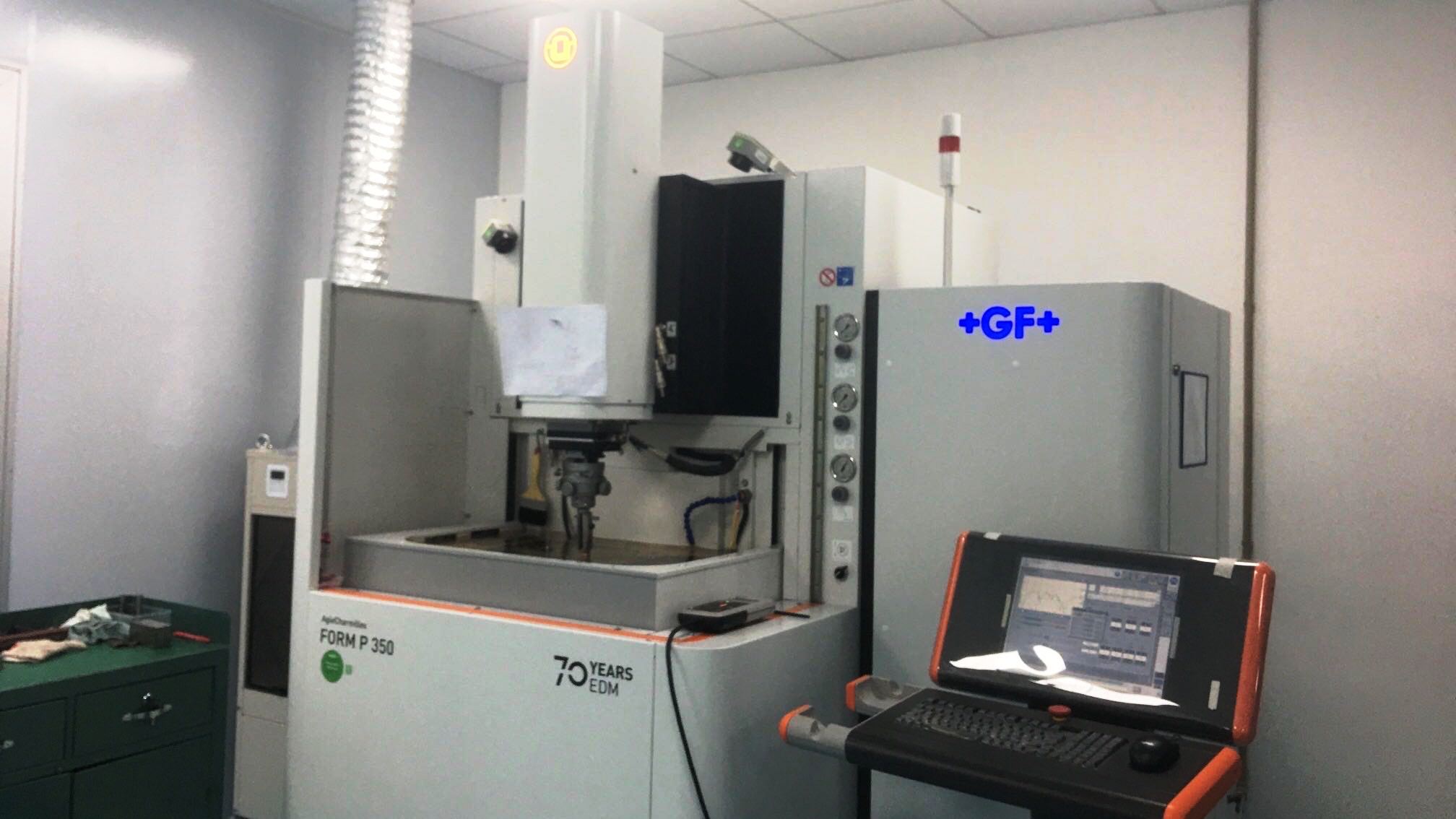
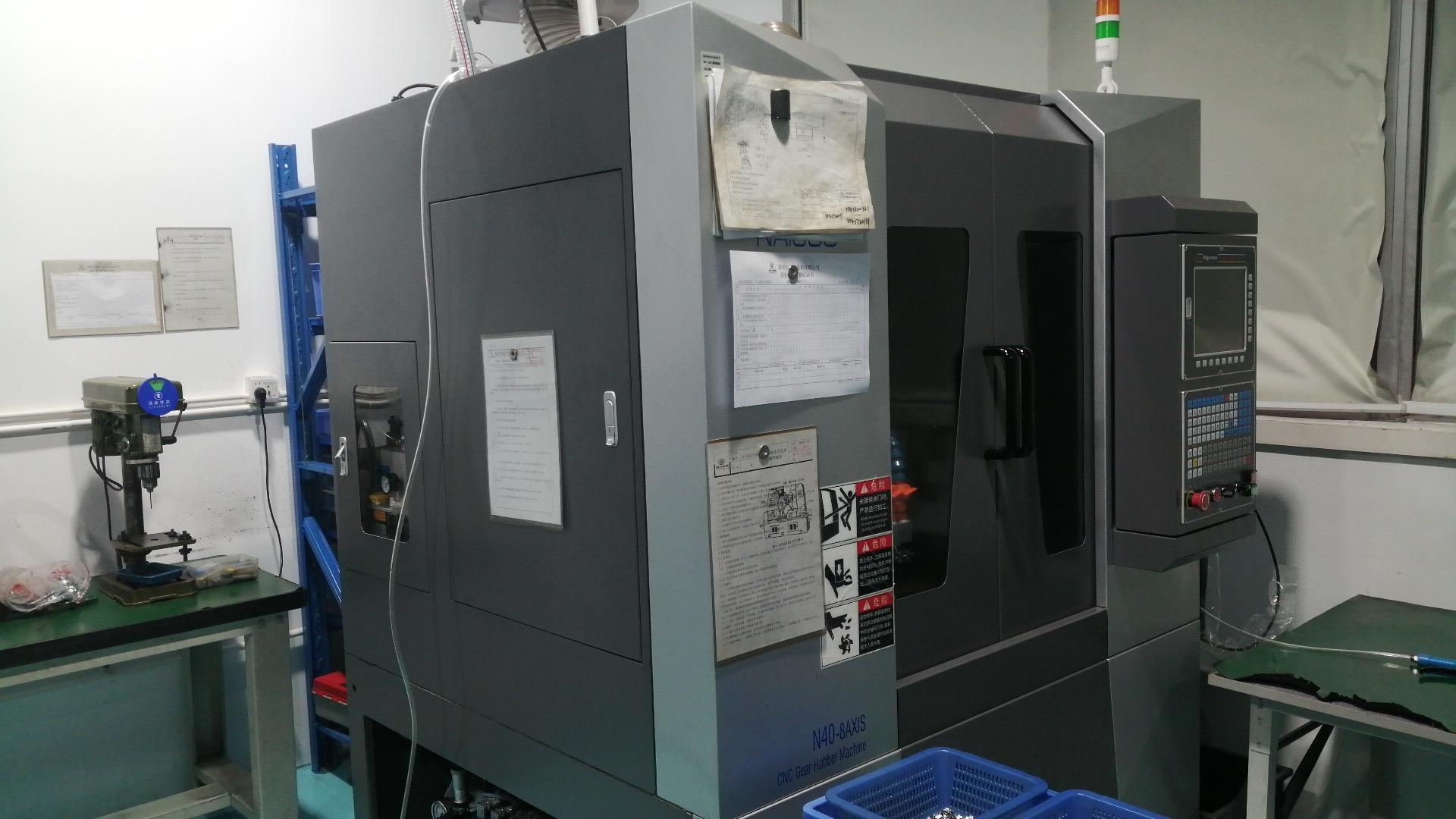
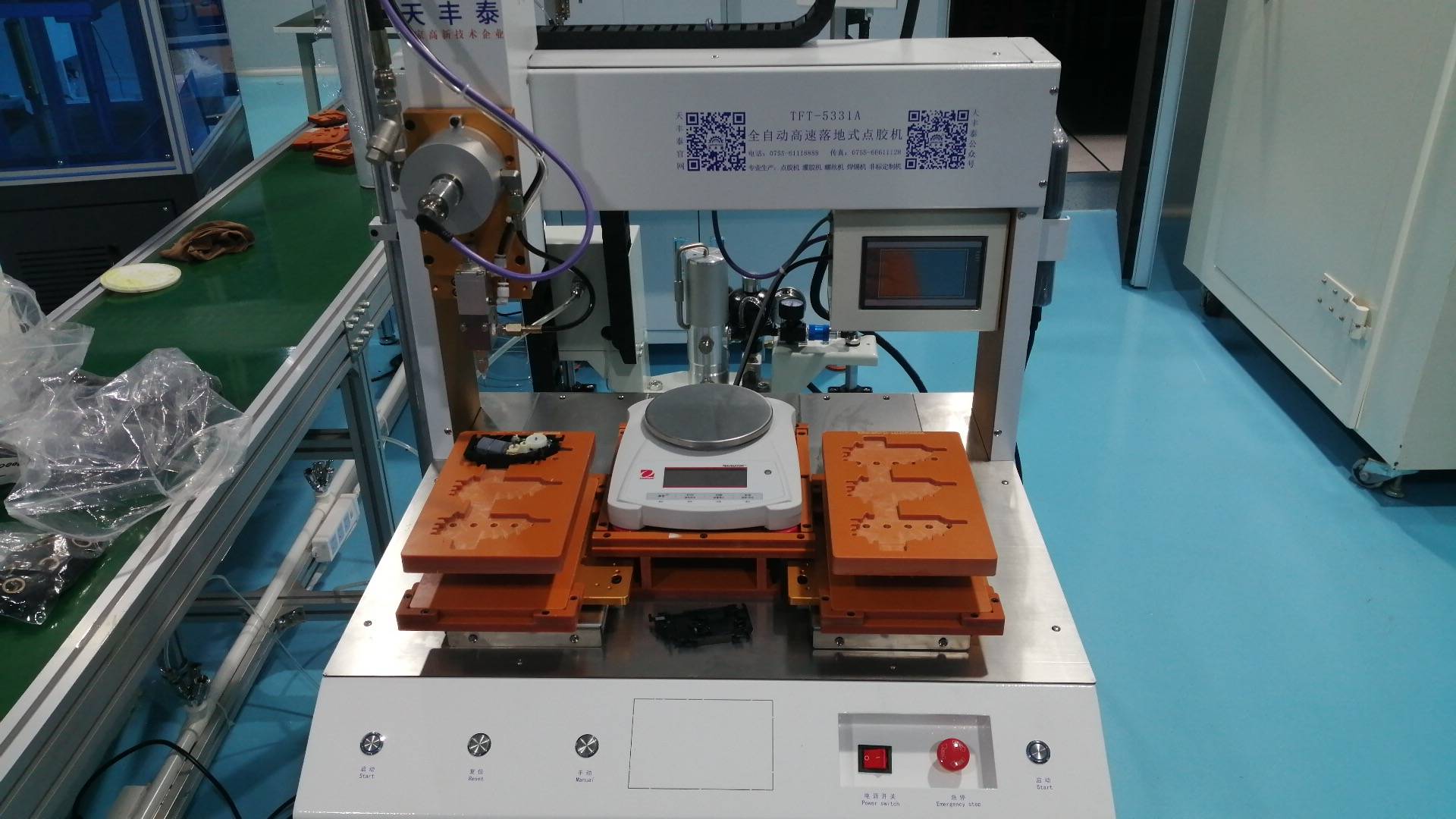
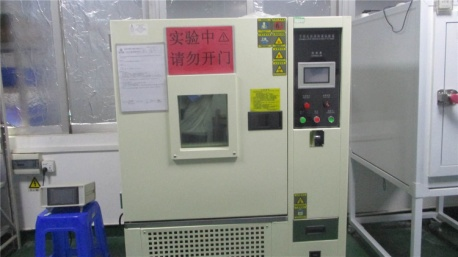
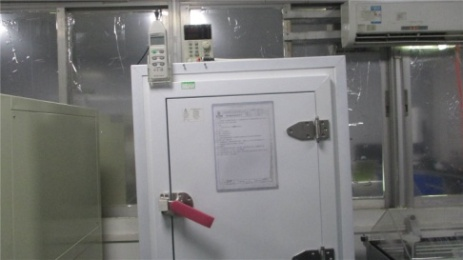
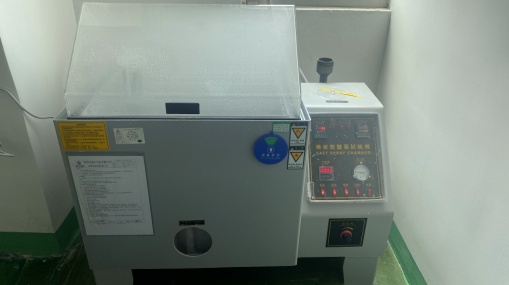
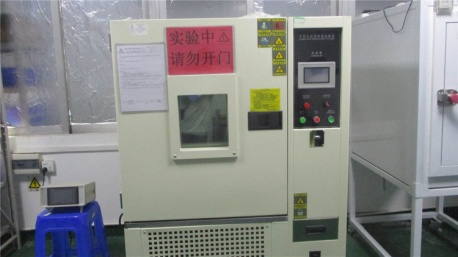
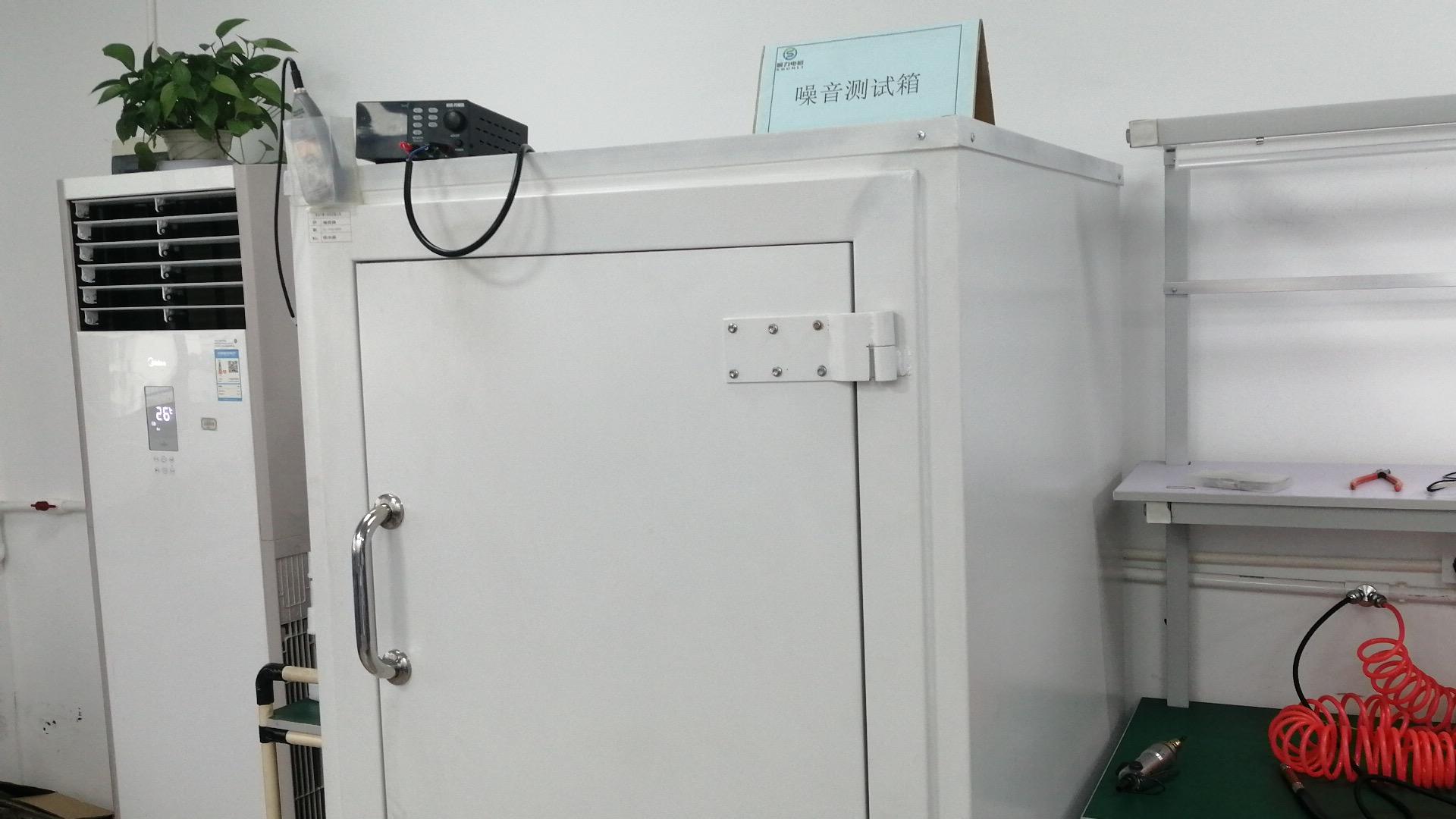
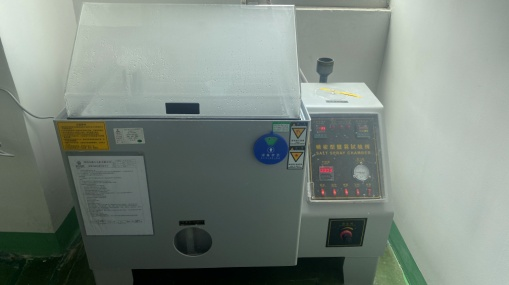
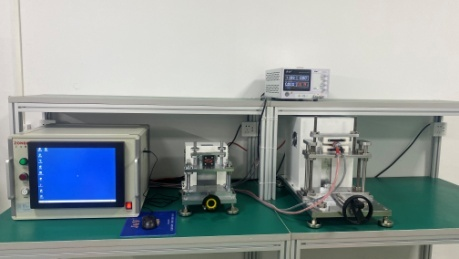
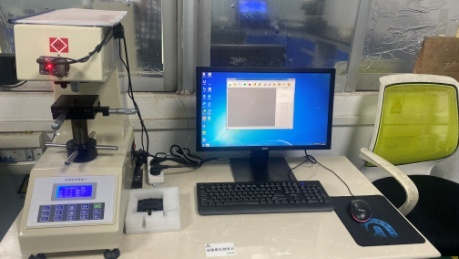
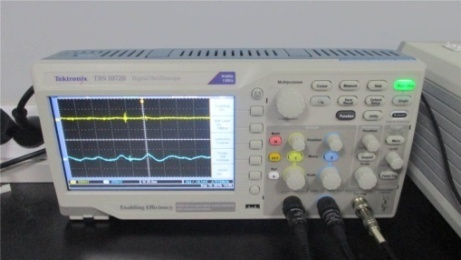
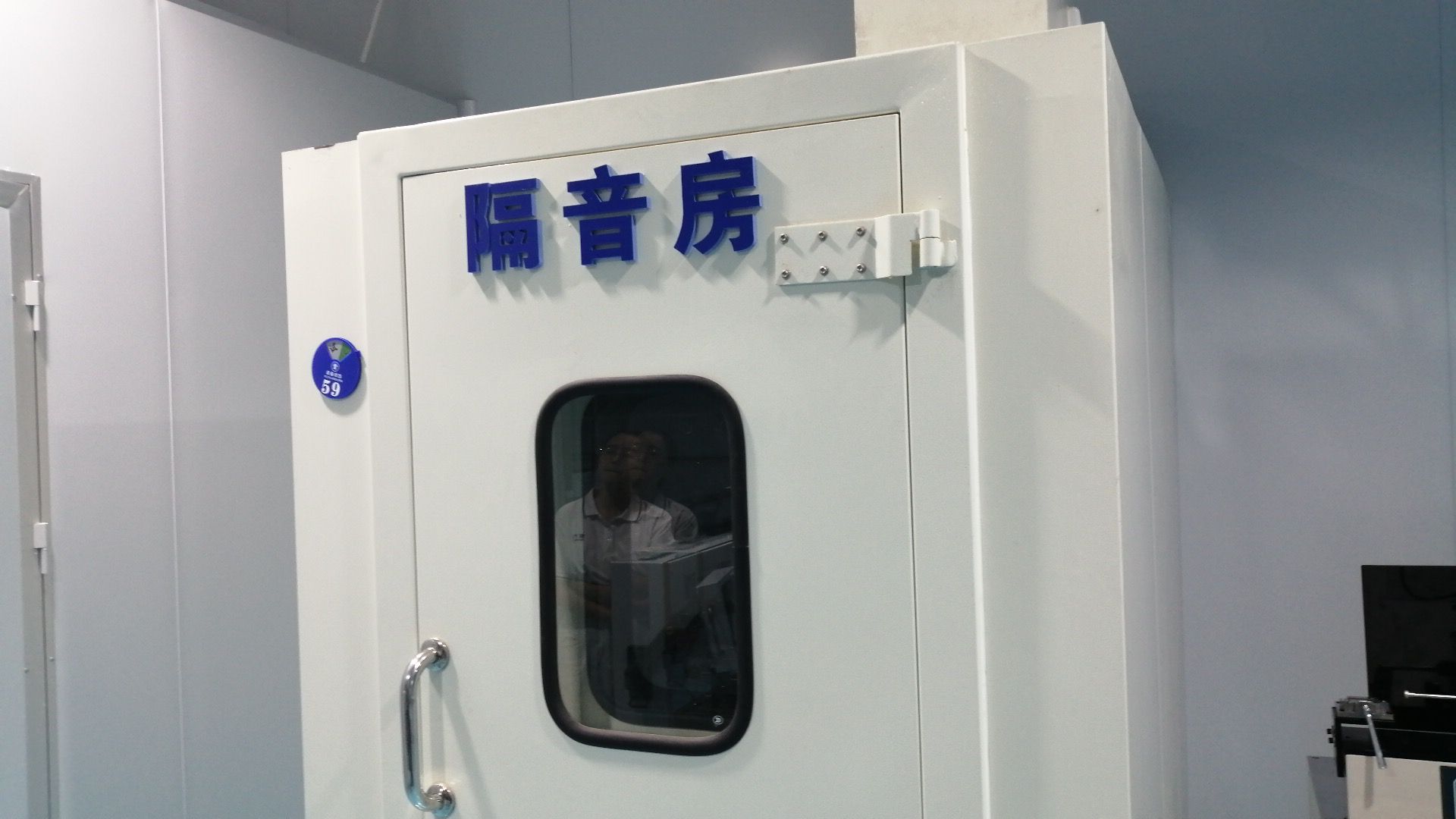
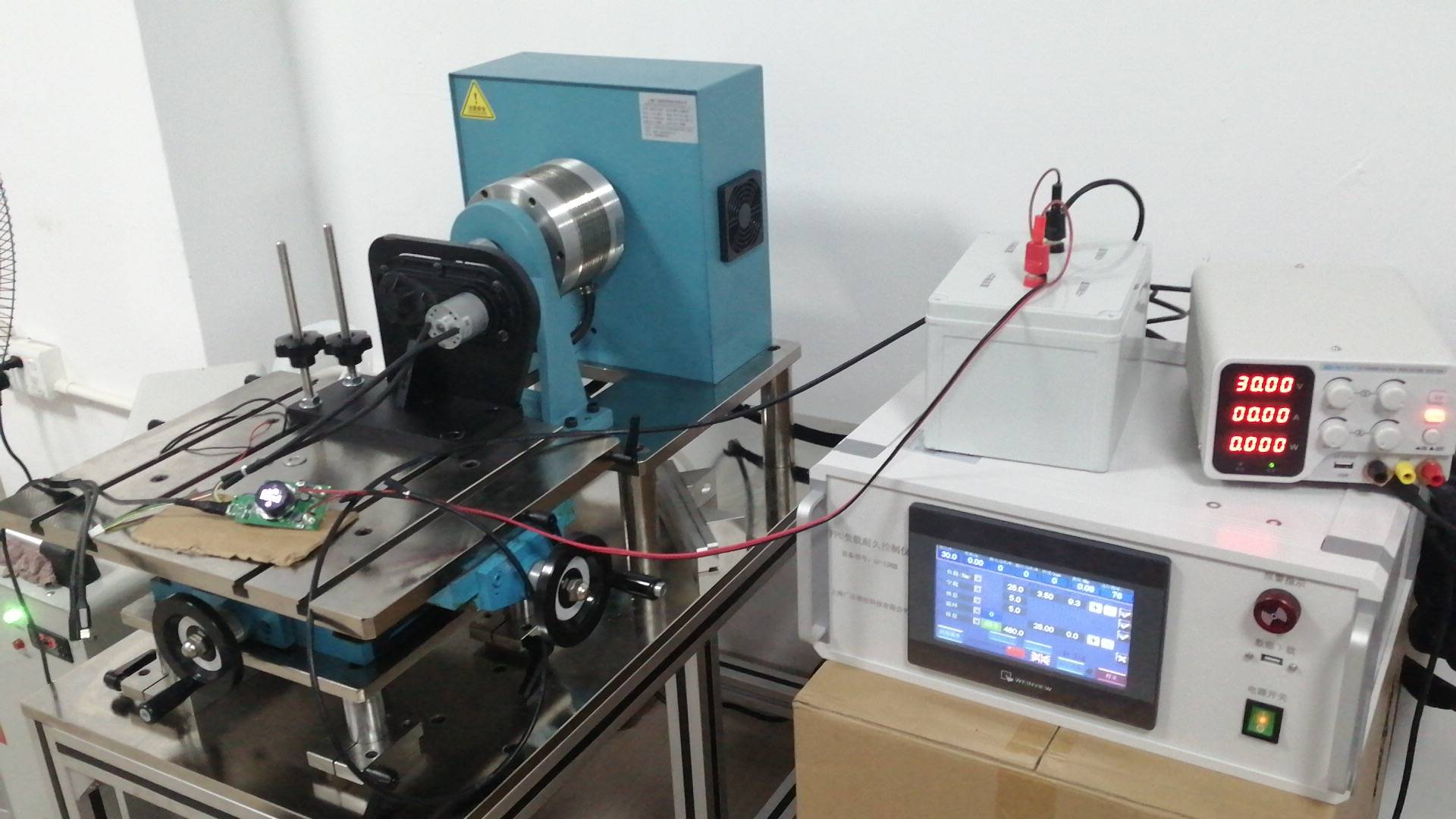
E-E-A-T Principle in Practice: Our quality control laboratories check every motor batch for compliance with environmental, mechanical, and sound specifications.
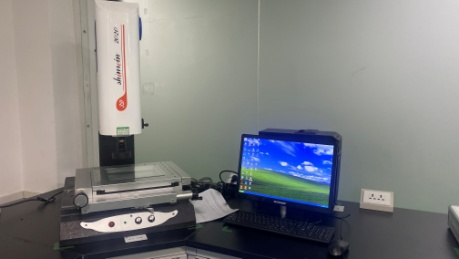
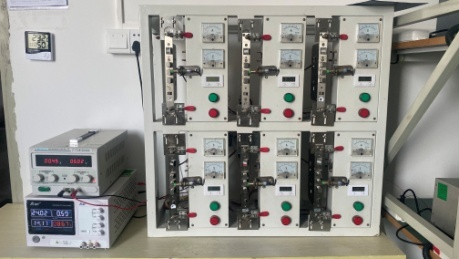
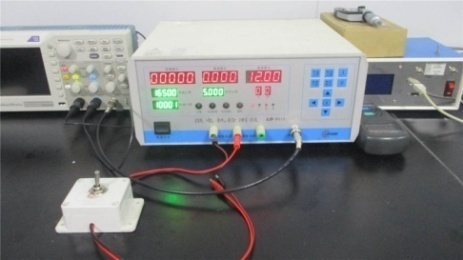
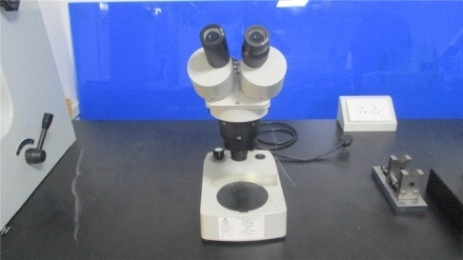
Modern applications require customized motor configurations. Explore where DC worm gear systems are driving technological development.
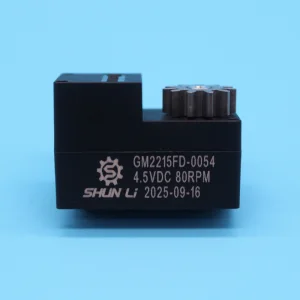
Micro-sized motors like the 2215 series power commercial and residential smart lock deadbolts. The high reduction ratios generate the force required to slide heavy lock cylinders smoothly, even within tight door frame envelopes.
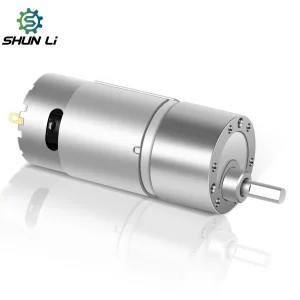
Continuous-rotation 12V and 24V gear motors drive conveyor spirals and dispense locks inside vending kiosks. Self-locking gear stages prevent tampering and vending extraction attempts.
From automatic window regulators to electric power tailgates, these motors deliver reliable high torque. Compact profiles enable installation inside narrow car door cavities and seating structures.
A significant trend in low-voltage drive systems is transitioning from brushed carbon commutation to brushless (BLDC) motors integrated with worm gearboxes. While brushed motors offer simplicity and lower initial costs, brushless variants deliver longer life cycles (exceeding 20,000 operational hours), zero brush wear residue (critical for medical environments), and improved heat dissipation. Integrated smart magnetic or optical encoders enable precise closed-loop speed and position feedback, transforming simple gear motors into highly accurate smart actuators.
When sourcing gear motors from Chinese manufacturers, specifying clear technical parameters helps ensure product compatibility and performance. Use this checklist during your RFQ stage:
Expert insights on sizing, configuring, and sourcing DC worm gear motors.
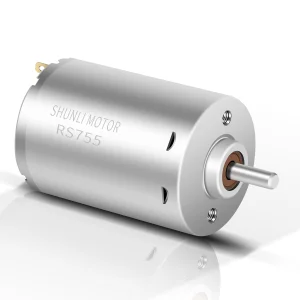
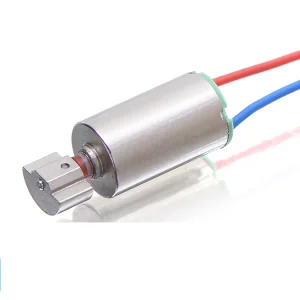
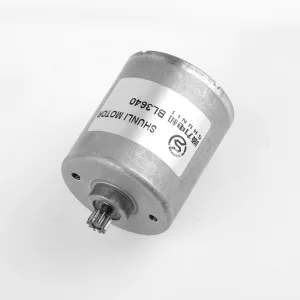
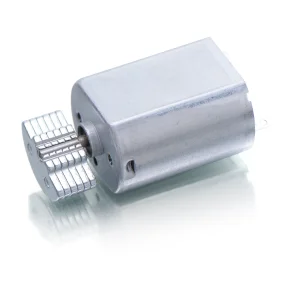
High-speed mini units, vibrator motors, and brushless DC options supporting diverse commercial and medical applications.
 Syncdrive Motor