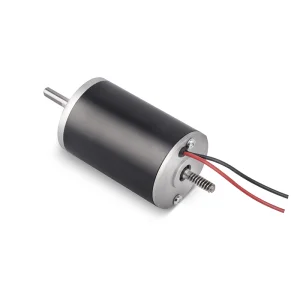
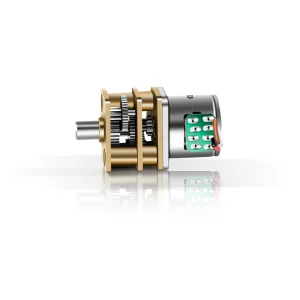
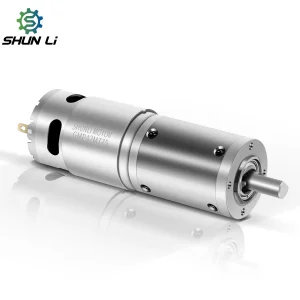
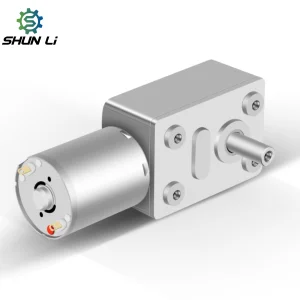
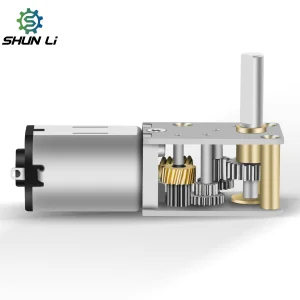
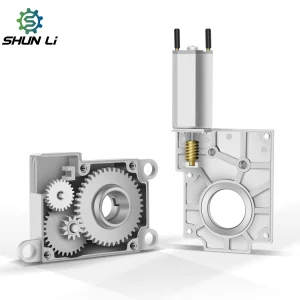
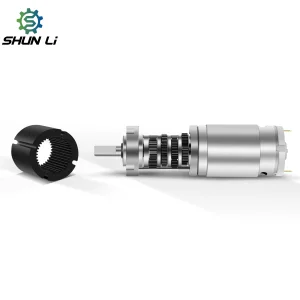
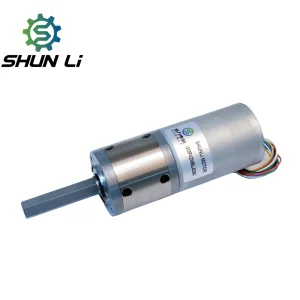
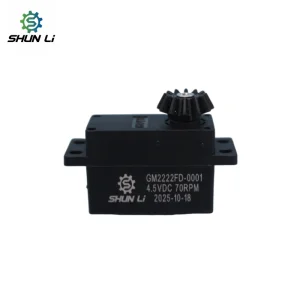
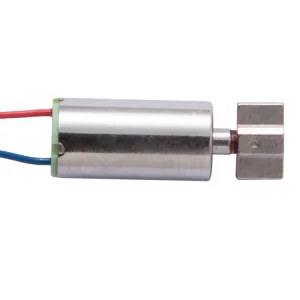
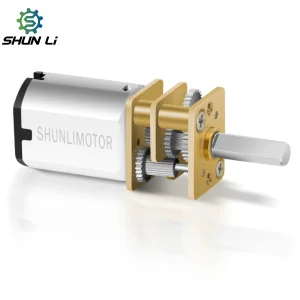
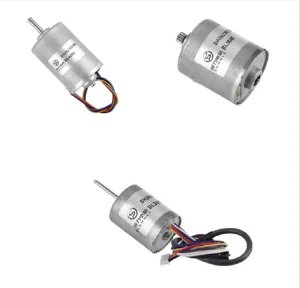
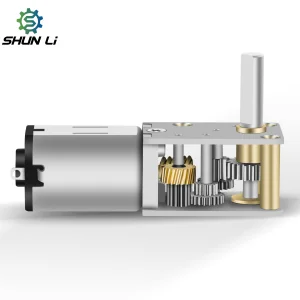
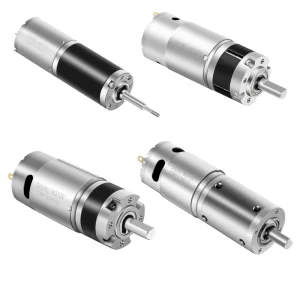
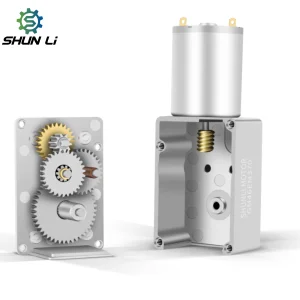
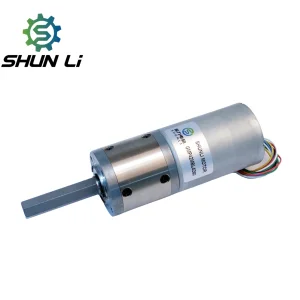
Explore our catalog of high-efficiency DC, planetary, stepper, and right-angle worm gear motors engineered to meet strict international standards.
In modern electromechanical design, the gear motor stands as one of the most critical structural units. A gear motor functions by combining an electric motor—whether a permanent magnet brushed DC (PMDC), brushless DC (BLDC), stepper, or AC motor—with an engineered reduction gearbox. The core physics underpins a simple mechanical principle: by reducing rotational speed through a gear train, the output torque increases proportionally, while mechanical inertia matching is significantly improved.
Globally, industrial automation, commercial logistics, medical equipment, and consumer devices are undergoing rapid miniaturization and intellectualization. This transition demands micro gear motors that display exceptional torque density, minimal electromagnetic interference (EMI), ultra-low acoustic footprints, and lifelong maintenance-free operation. Design engineers are no longer searching merely for catalog parts; they require custom-engineered motion control units capable of operating reliably in extreme temperatures, high vibration environments, and space-constrained enclosures.
Historically, high-torque micro-drives were expensive, niche components dominated by a select few European and Japanese suppliers. However, the rise of advanced precision manufacturing capabilities in China has shifted this paradigm. As China wholesale powerful gear motor suppliers and exporters implement sub-micron level machining tolerances, lean automation assembly, and rigorous ISO-certified testing procedures, global enterprises can now secure high-tier quality coupled with massive scale economies.

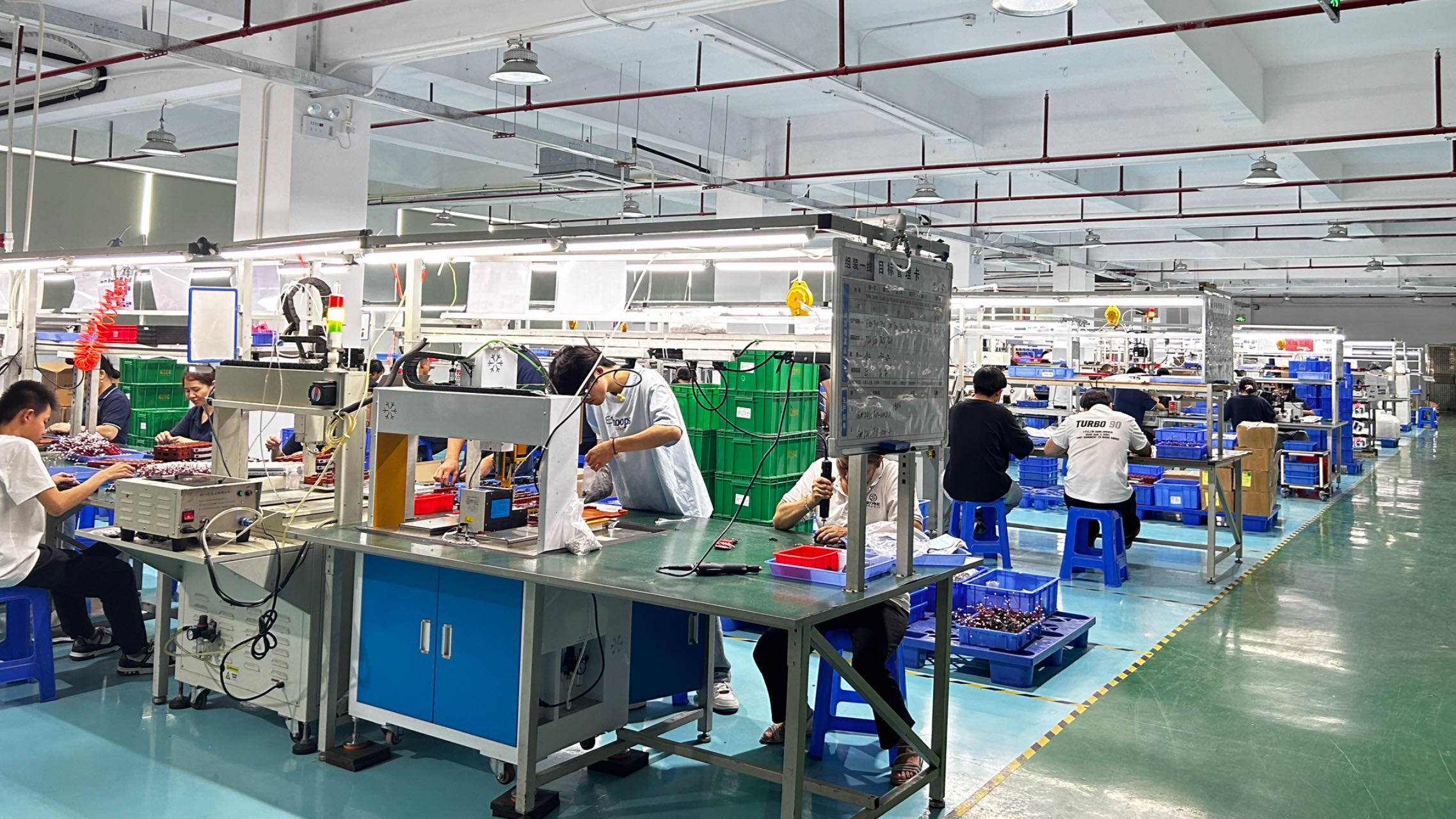
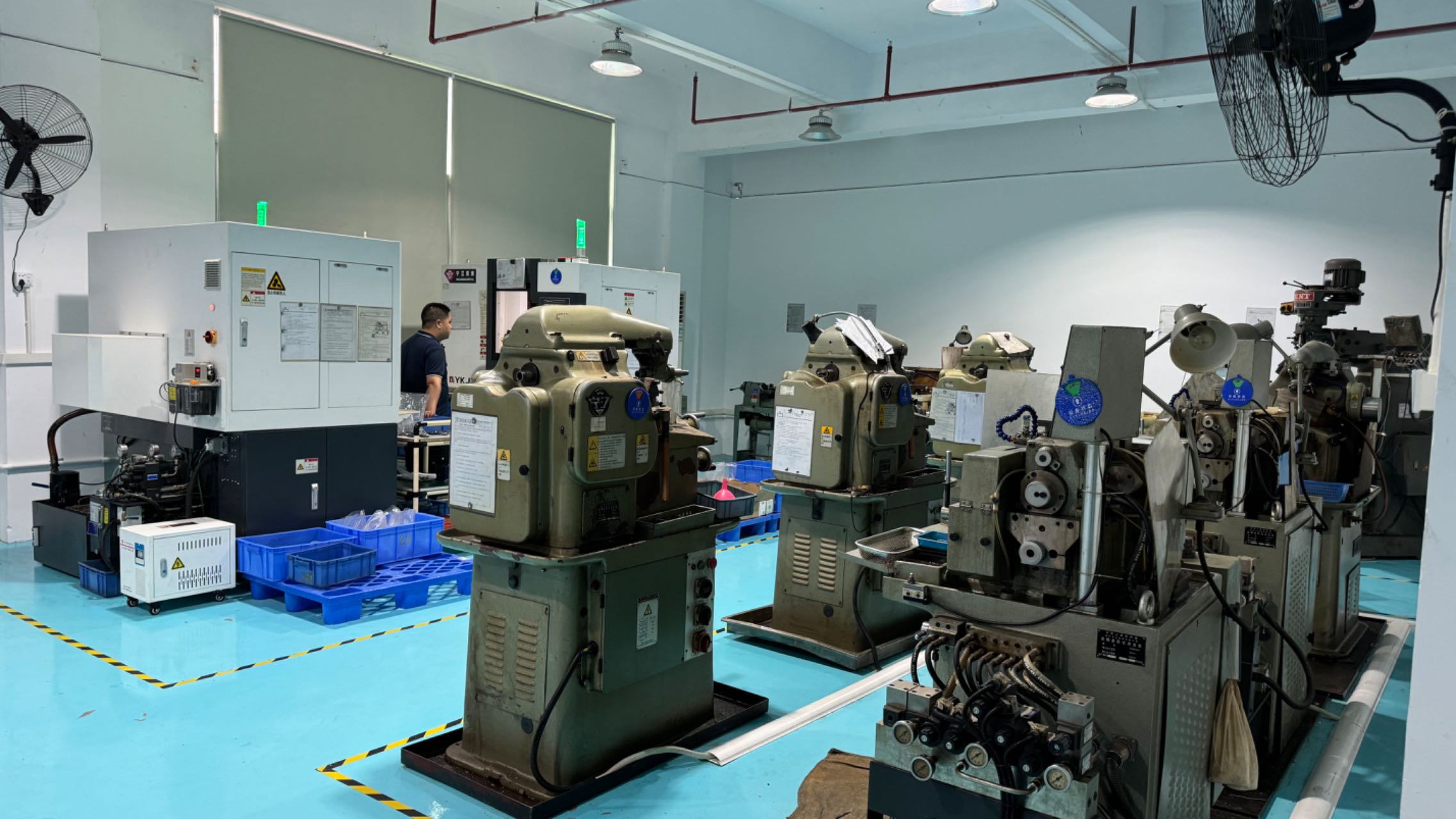
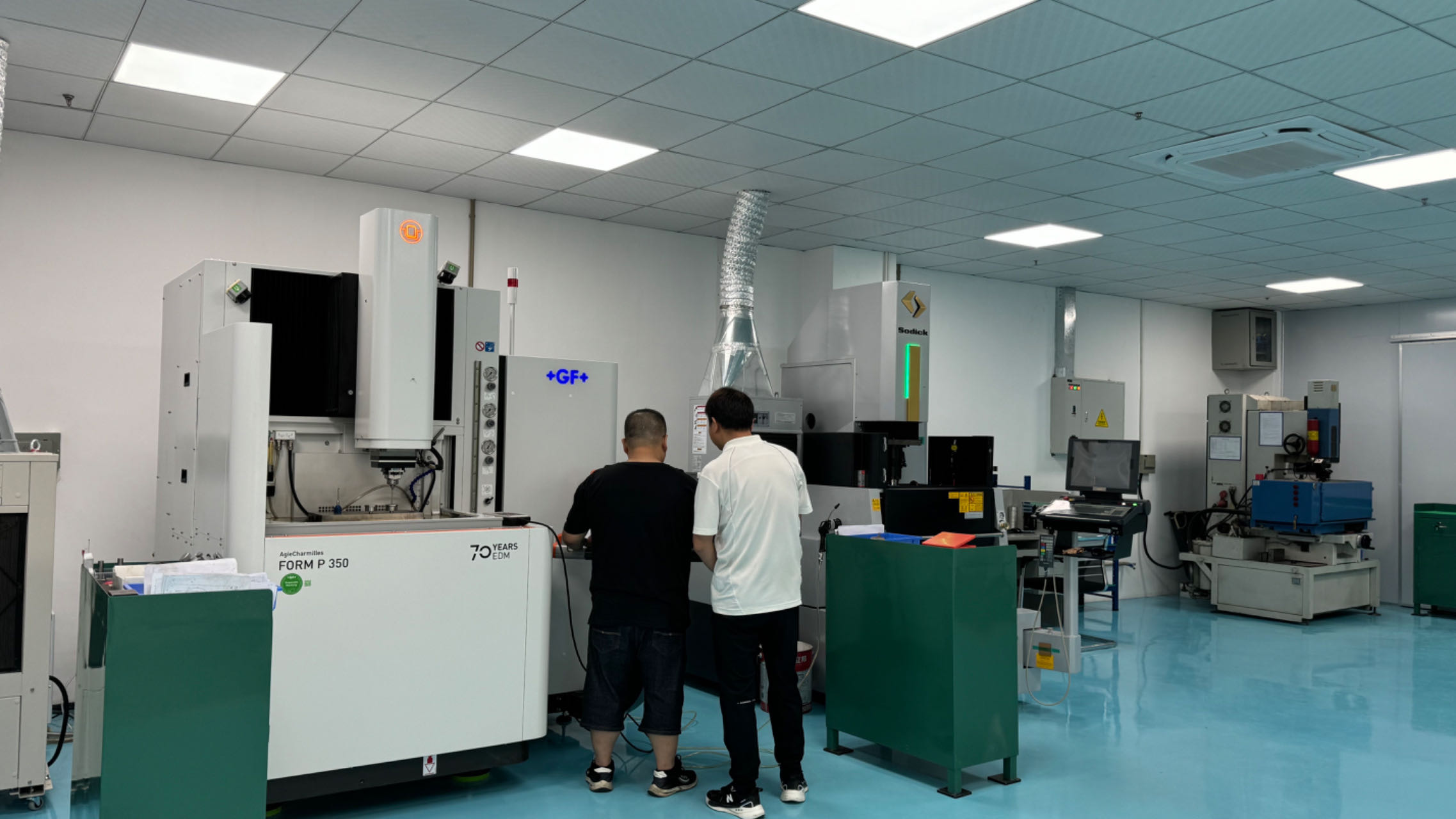
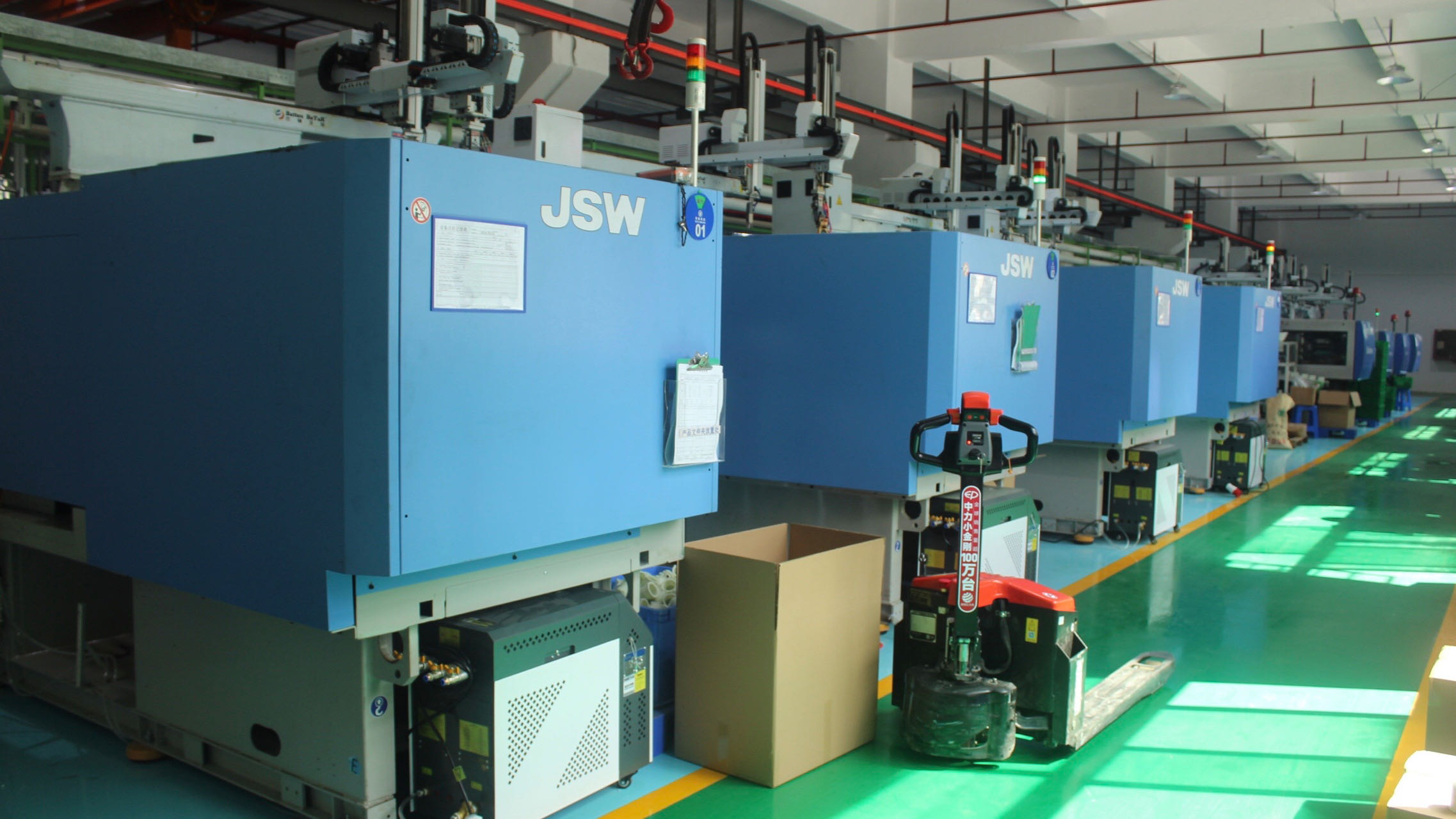
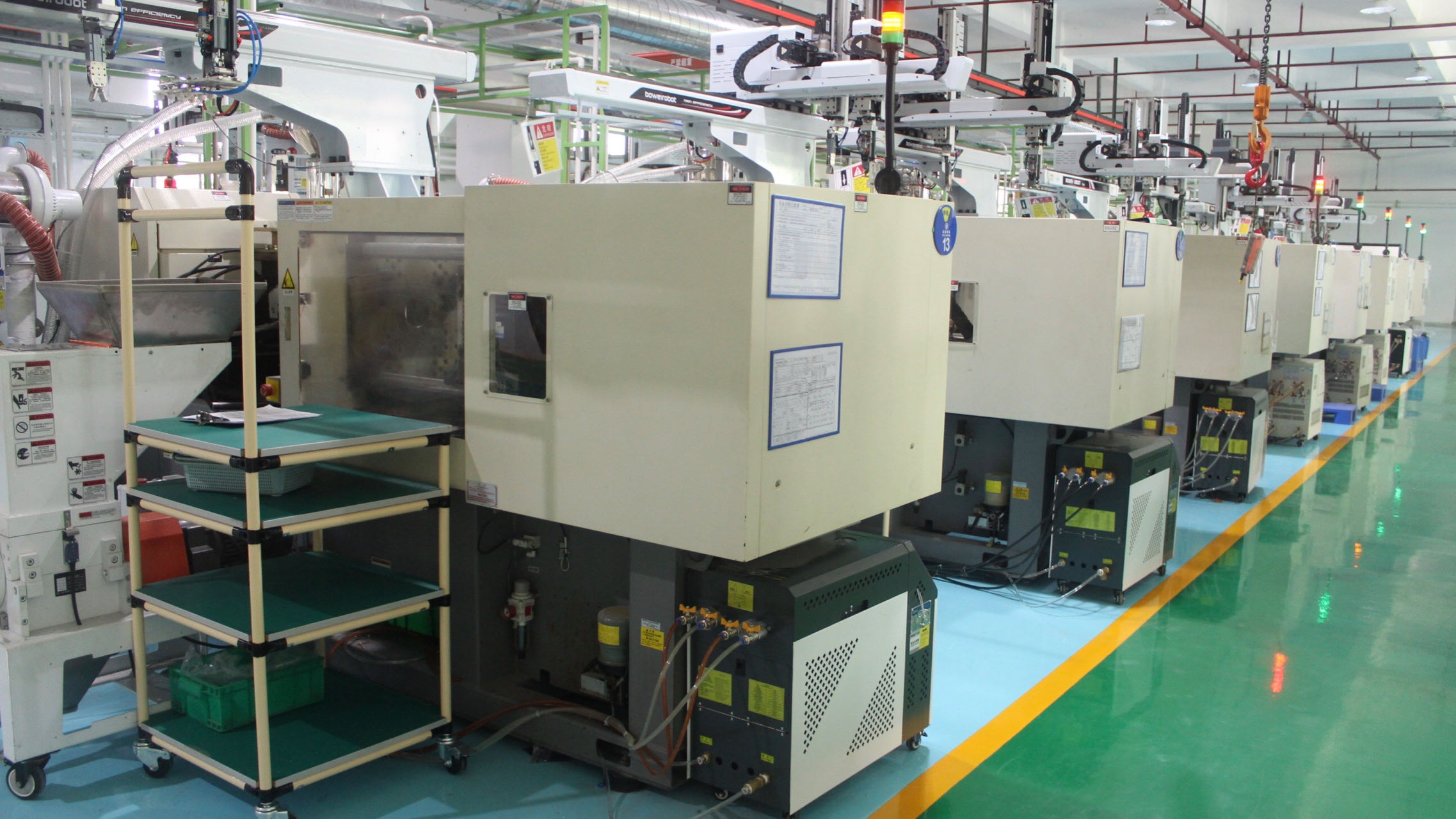
We operate on a simple philosophy: Engineered to last. Built to fit. By blending advanced automation with a passion for micro-engineering, Syncdrive Motor provides global B2B clients with the transparency of a local engineering partner and the massive scale advantages of a top-tier Chinese factory.
Why does Chinese manufacturing remain the undisputed center of gravity for global gear motor procurement? The answer lies in the concept of "Localized Vertical Integration". In industrial centers such as Shenzhen and Dongguan, the entire supply chain of micro-motor production is concentrated within a two-hour radius. Raw copper magnet wire extrusion, high-grade silicon steel sheet stamping, permanent magnet sintering, gear hobbing, heat treatment, and surface plating are all executed by specialized, interconnected facilities.
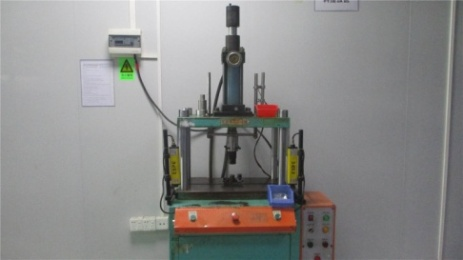
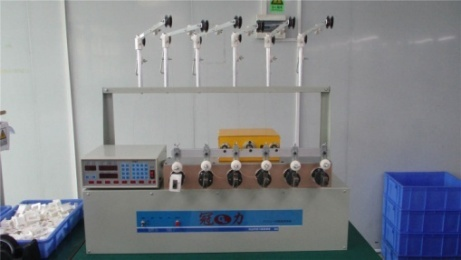
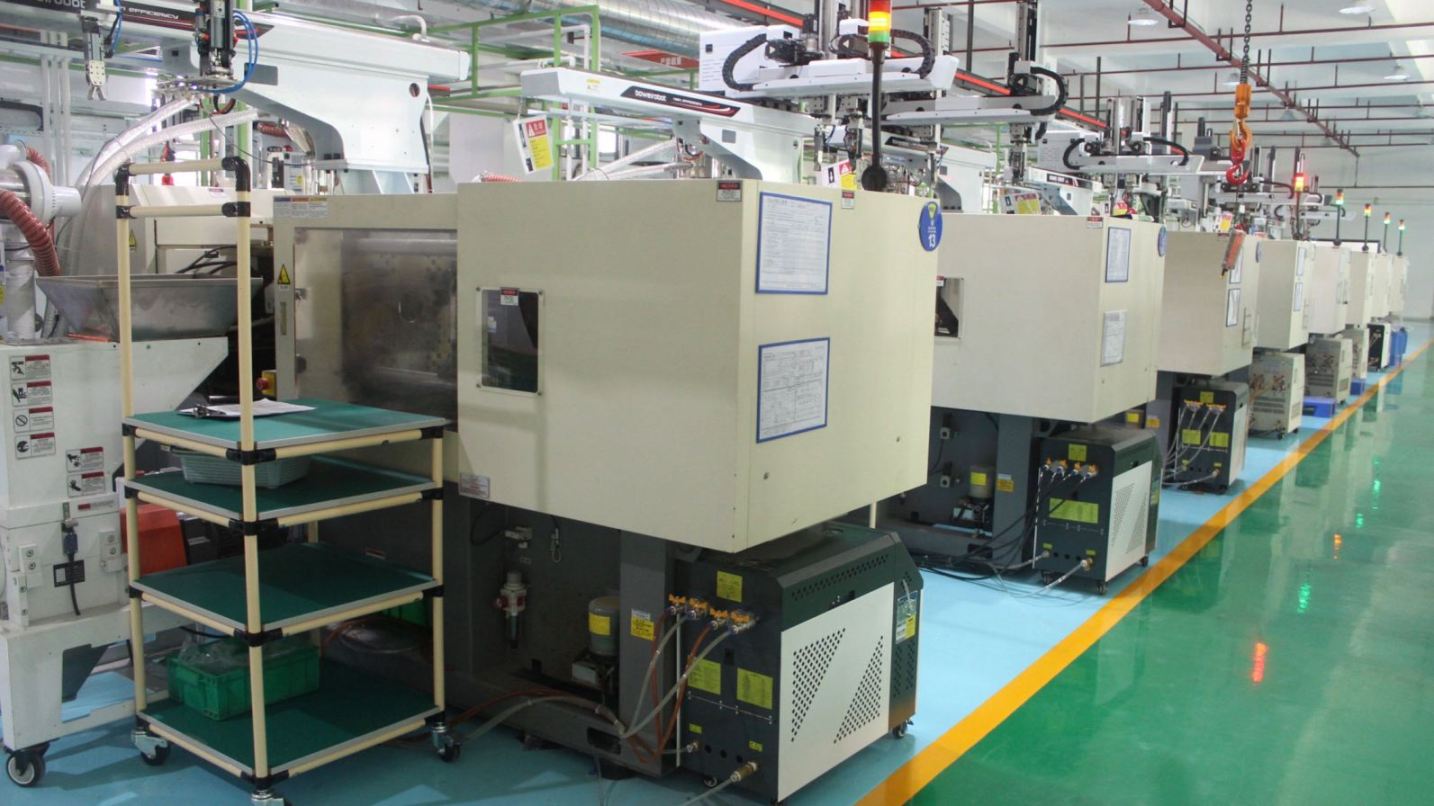
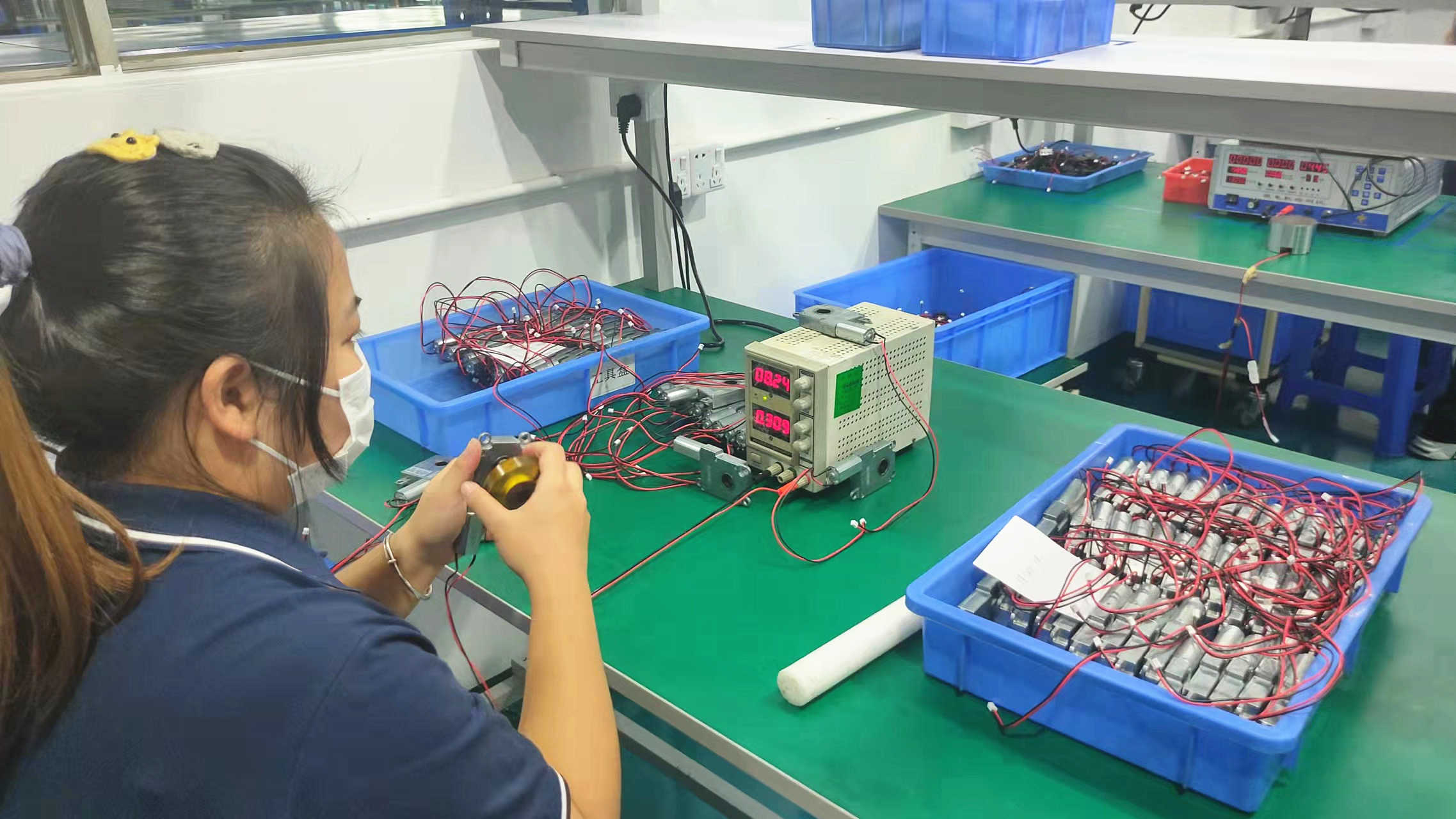
This proximity reduces supply chain delays, enhances prototype turnarounds, and allows factories to adopt flexible production patterns. At Syncdrive Motor, we utilize custom machinery, high-precision automated winding systems, and computerized testing tools to eliminate human assembly errors. This level of automation means we can supply consistent batches of custom gear motors whether a customer orders 500 units for specialized medical tools or 100,000 units for global smart appliance production.
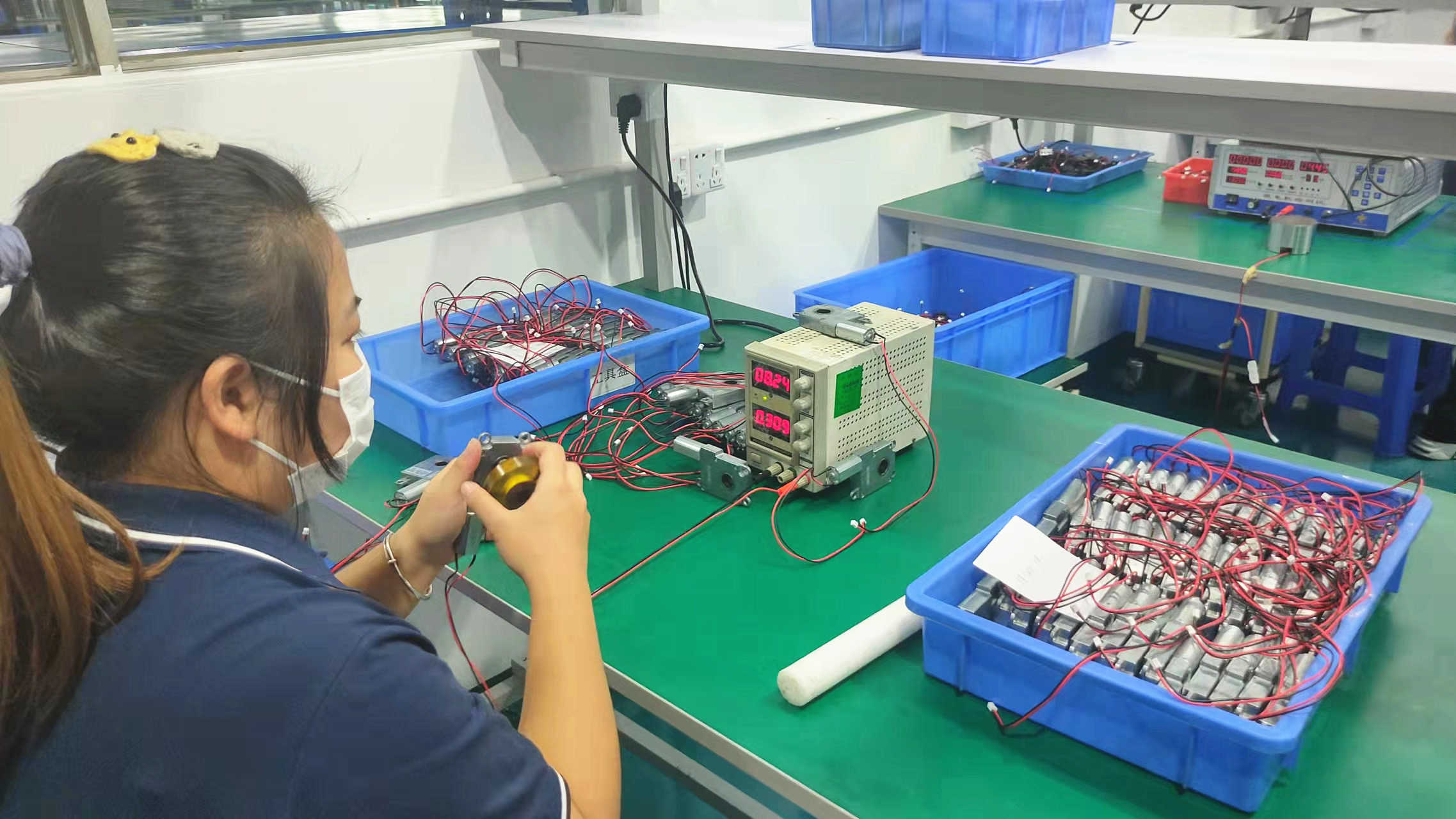
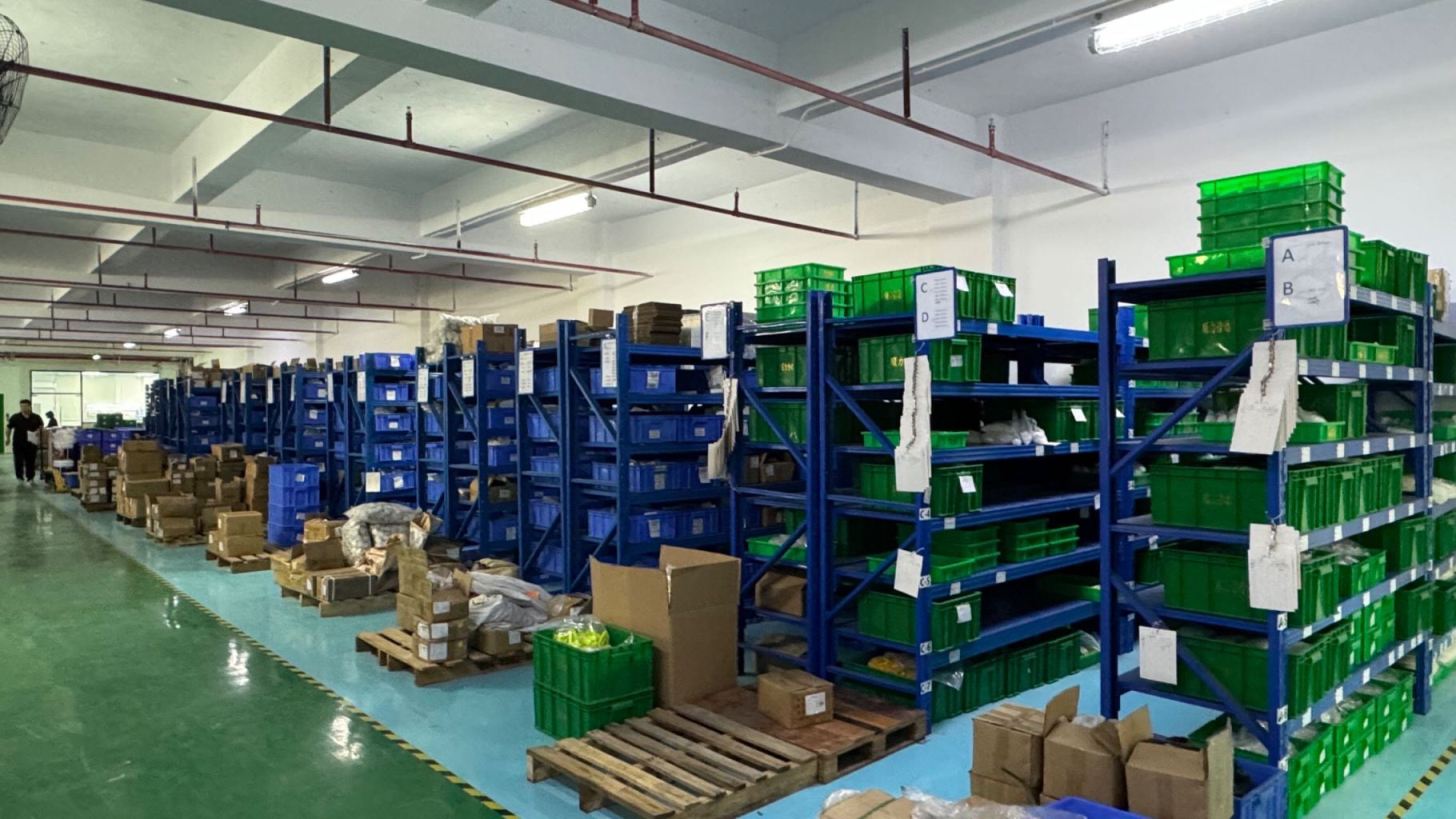
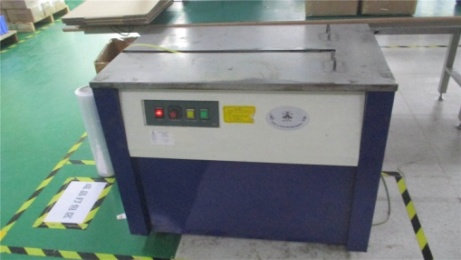
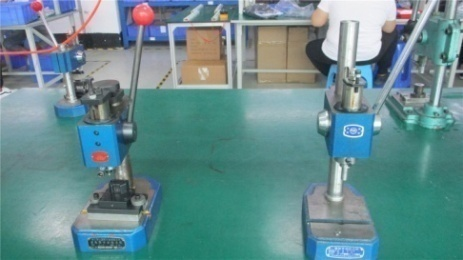
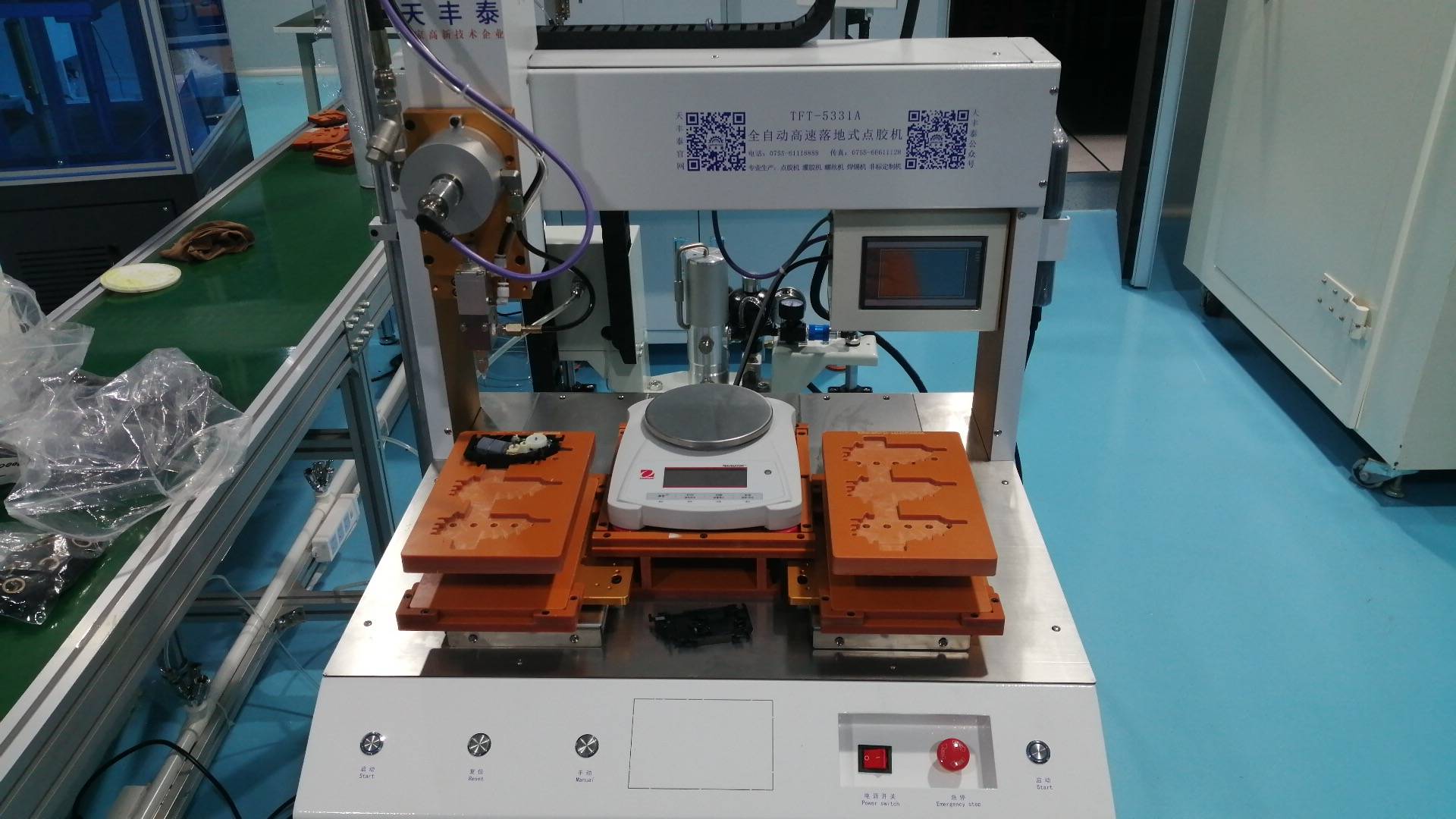
Our 6-step manufacturing workflow guarantees complete control over the physical and mechanical integrity of every gear motor.

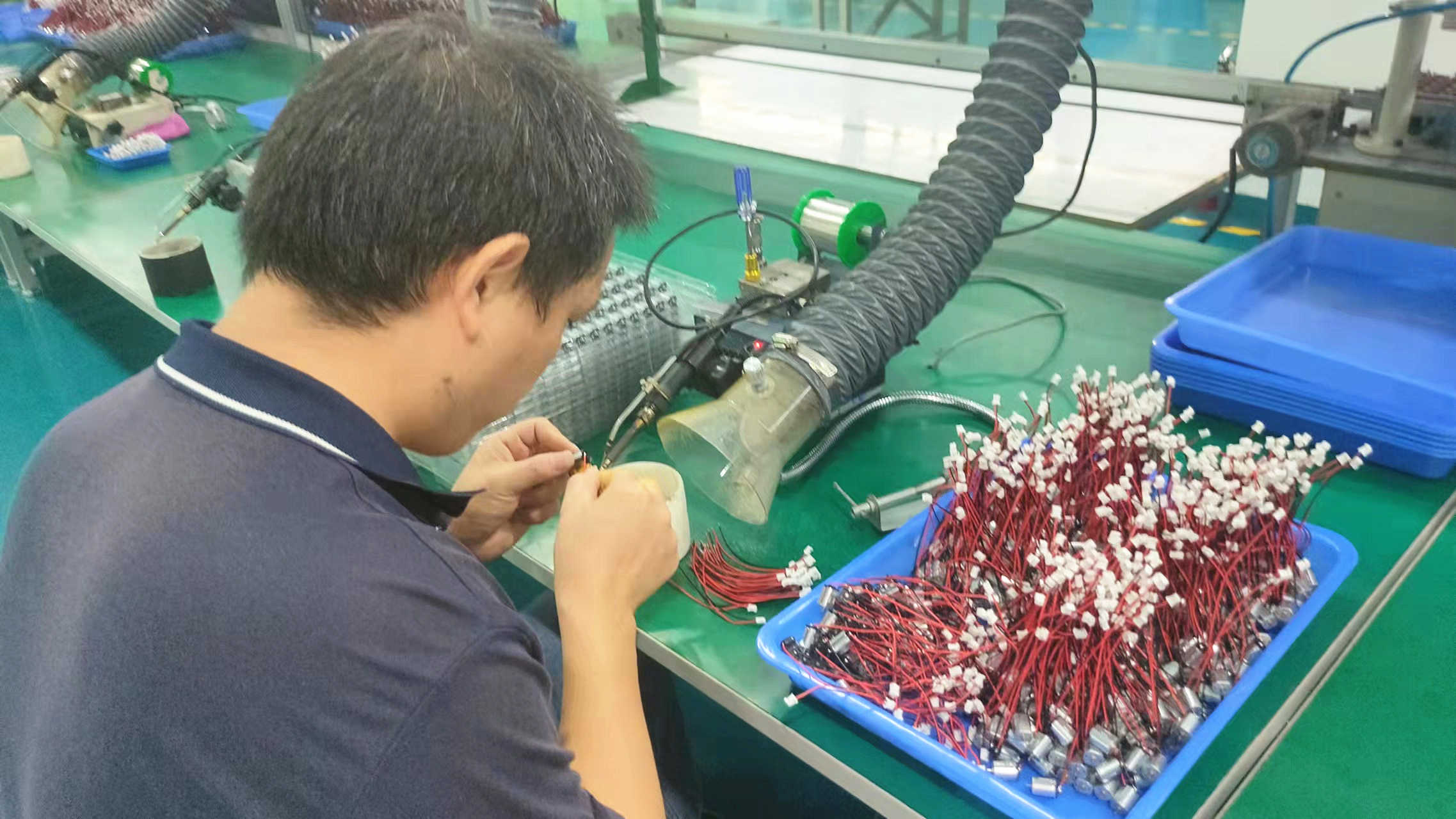
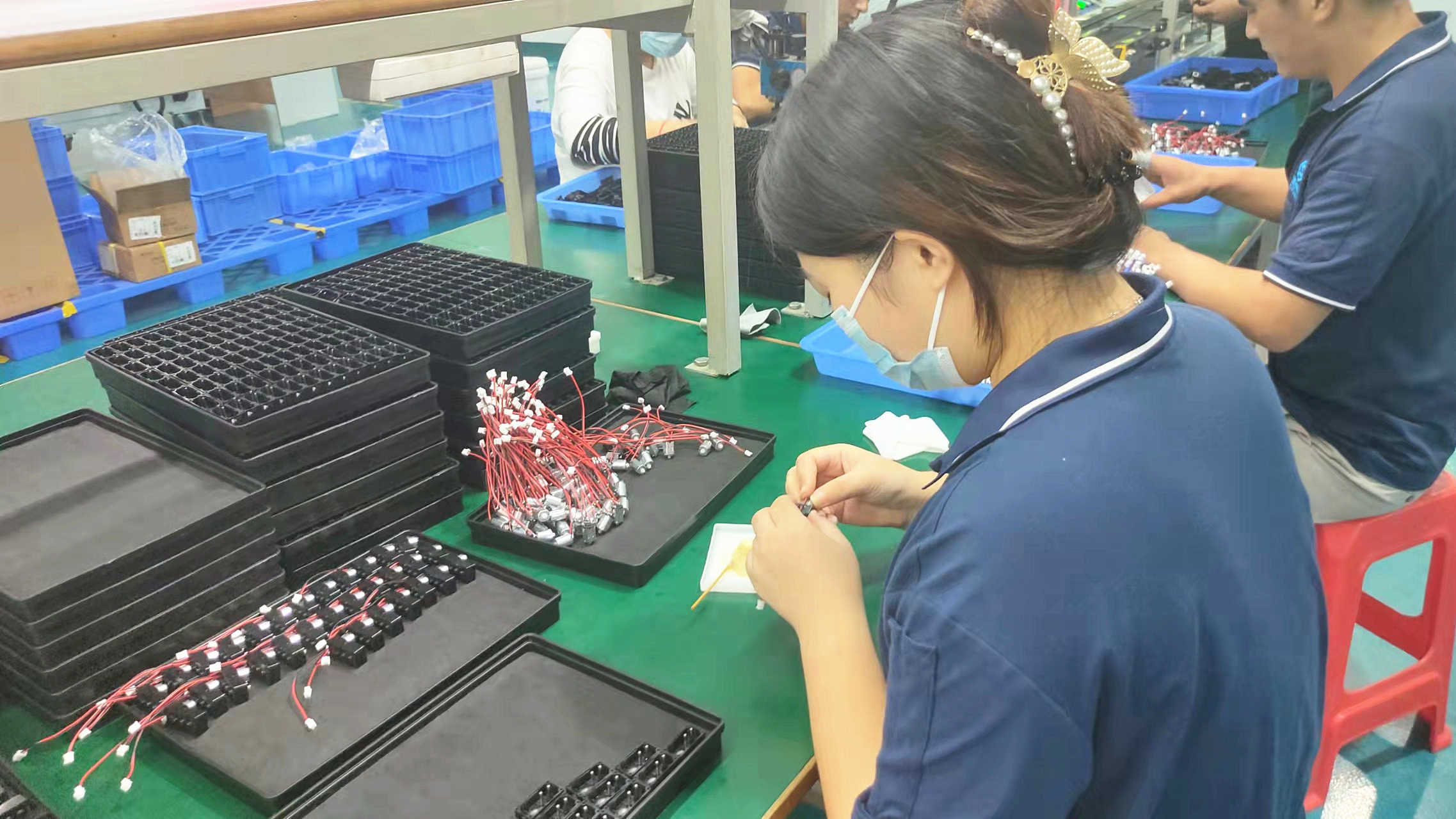
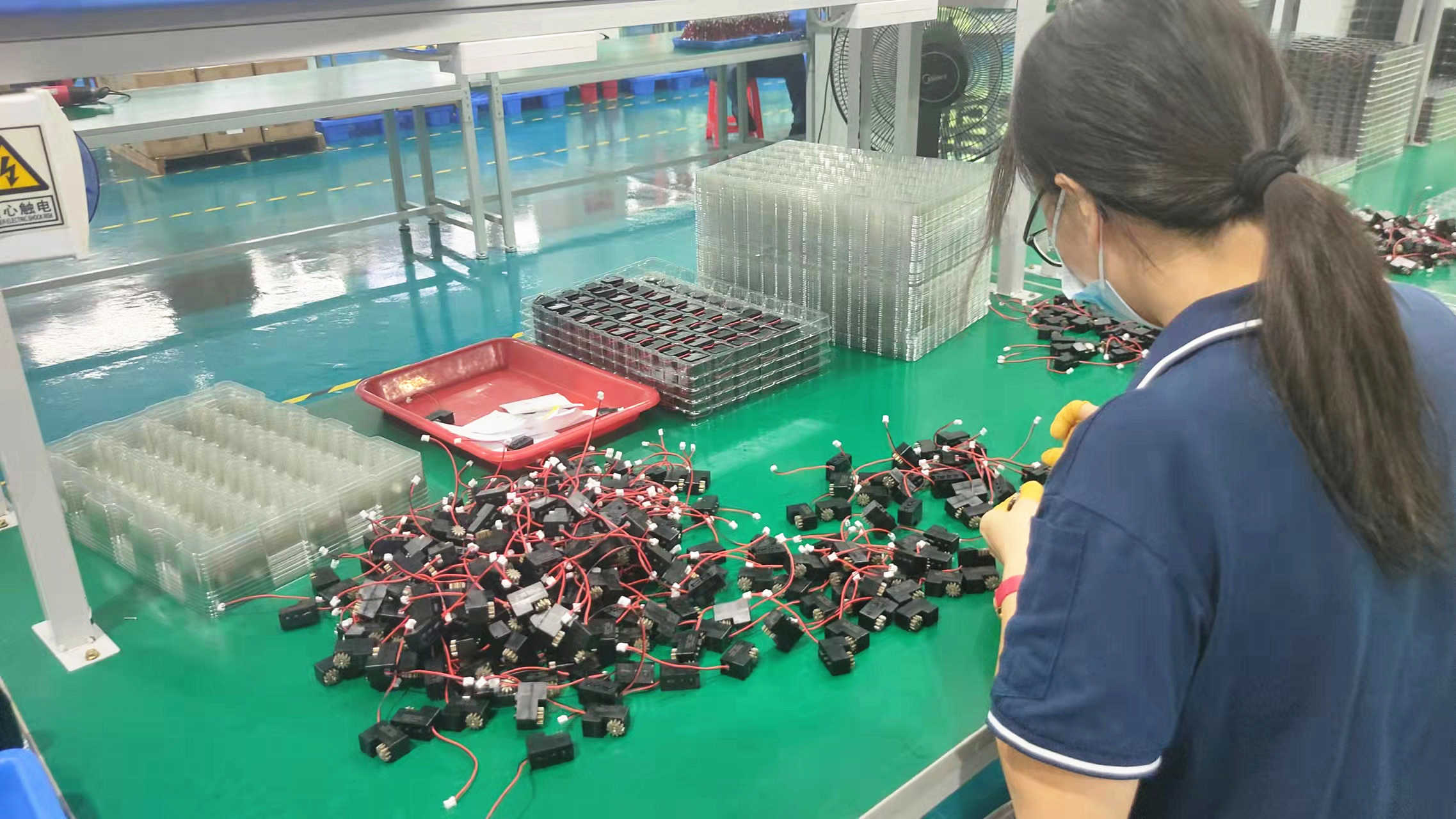
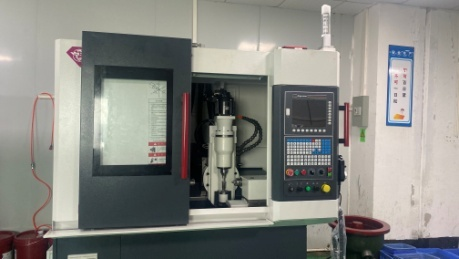
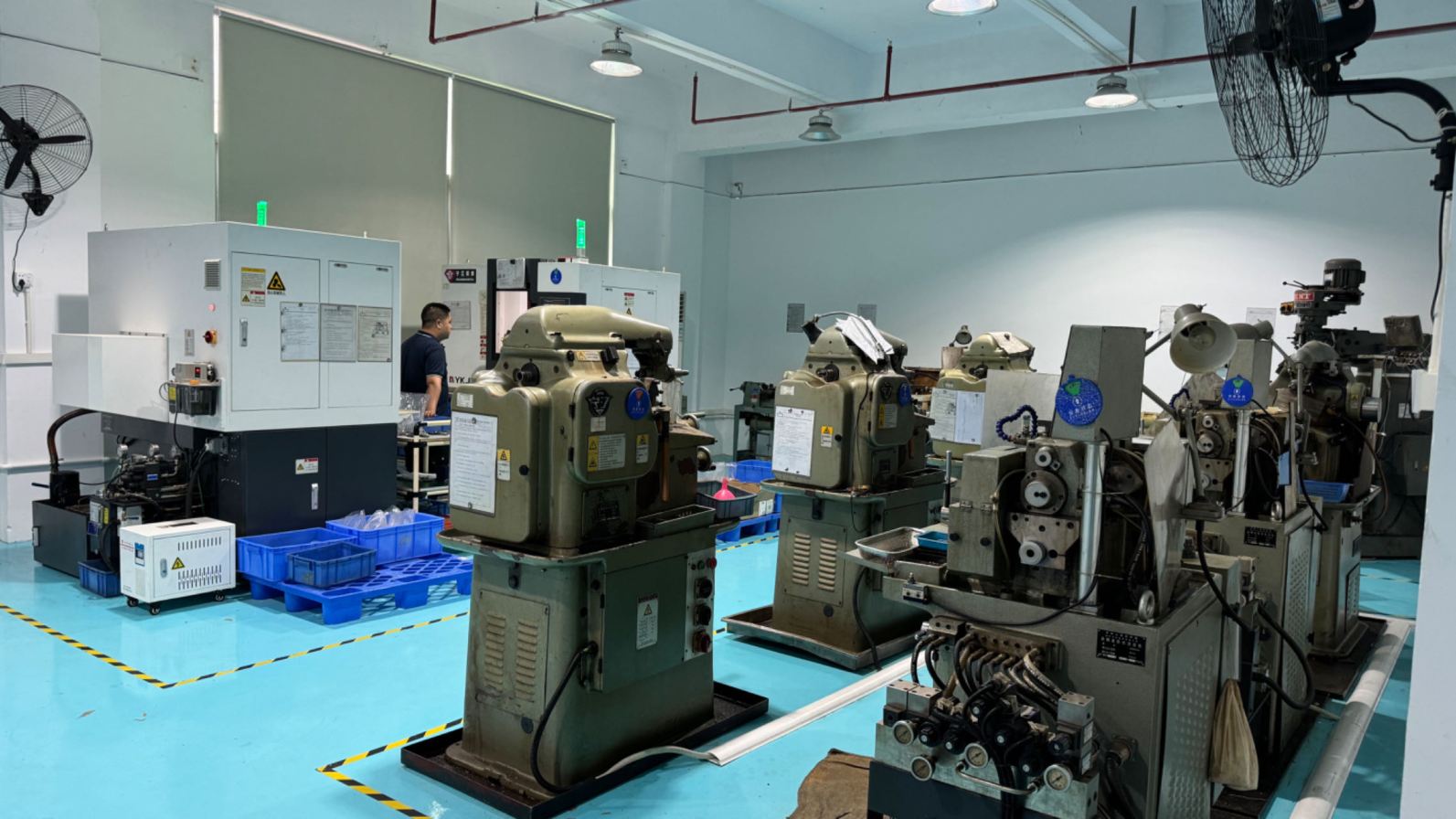
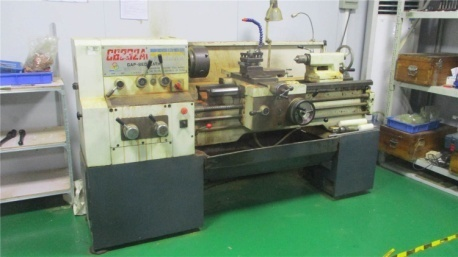
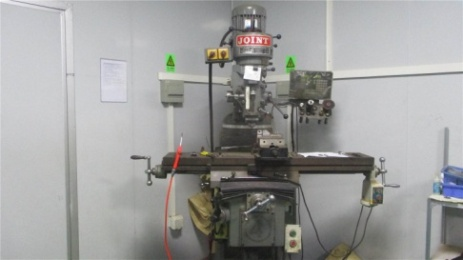
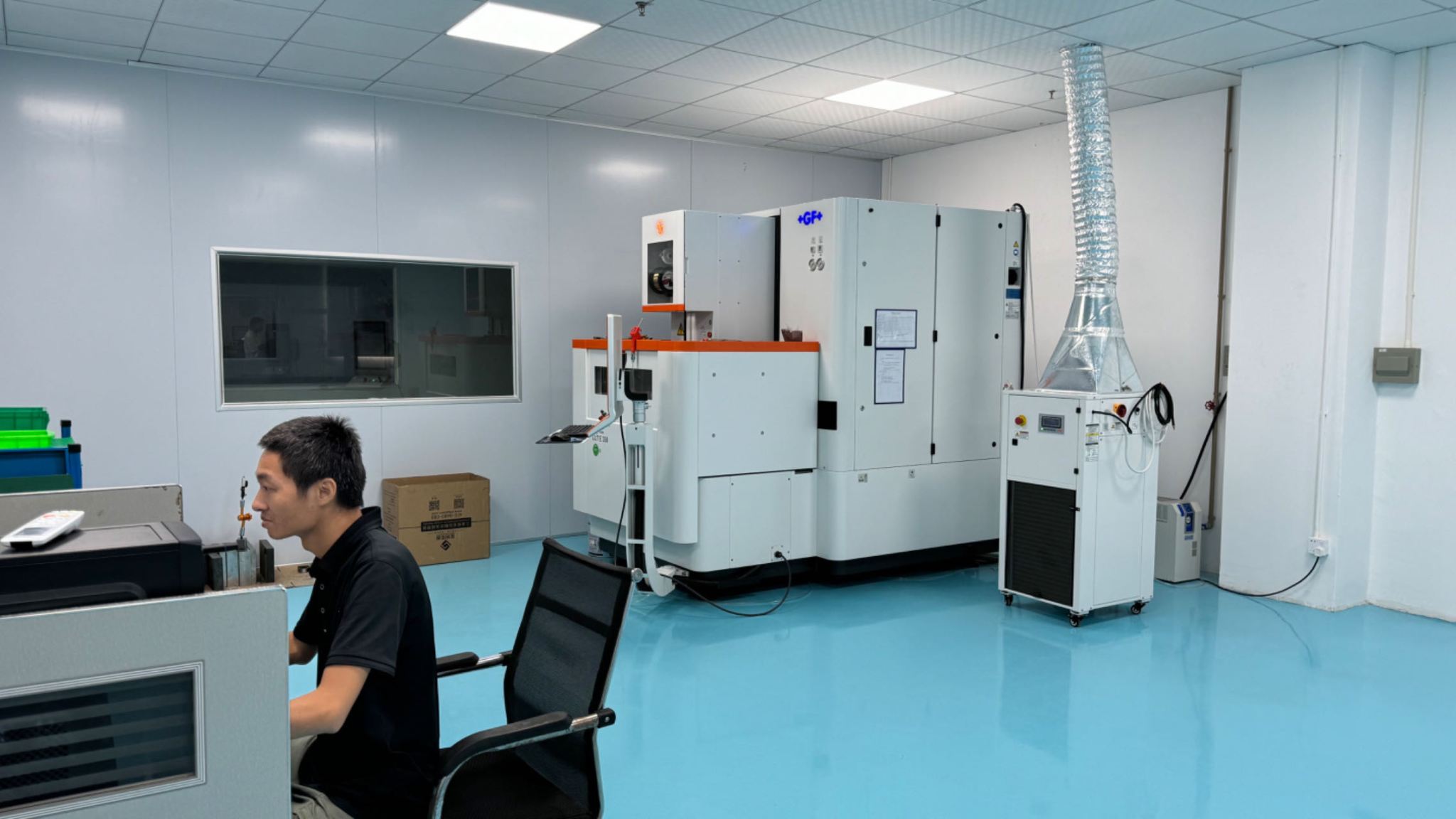
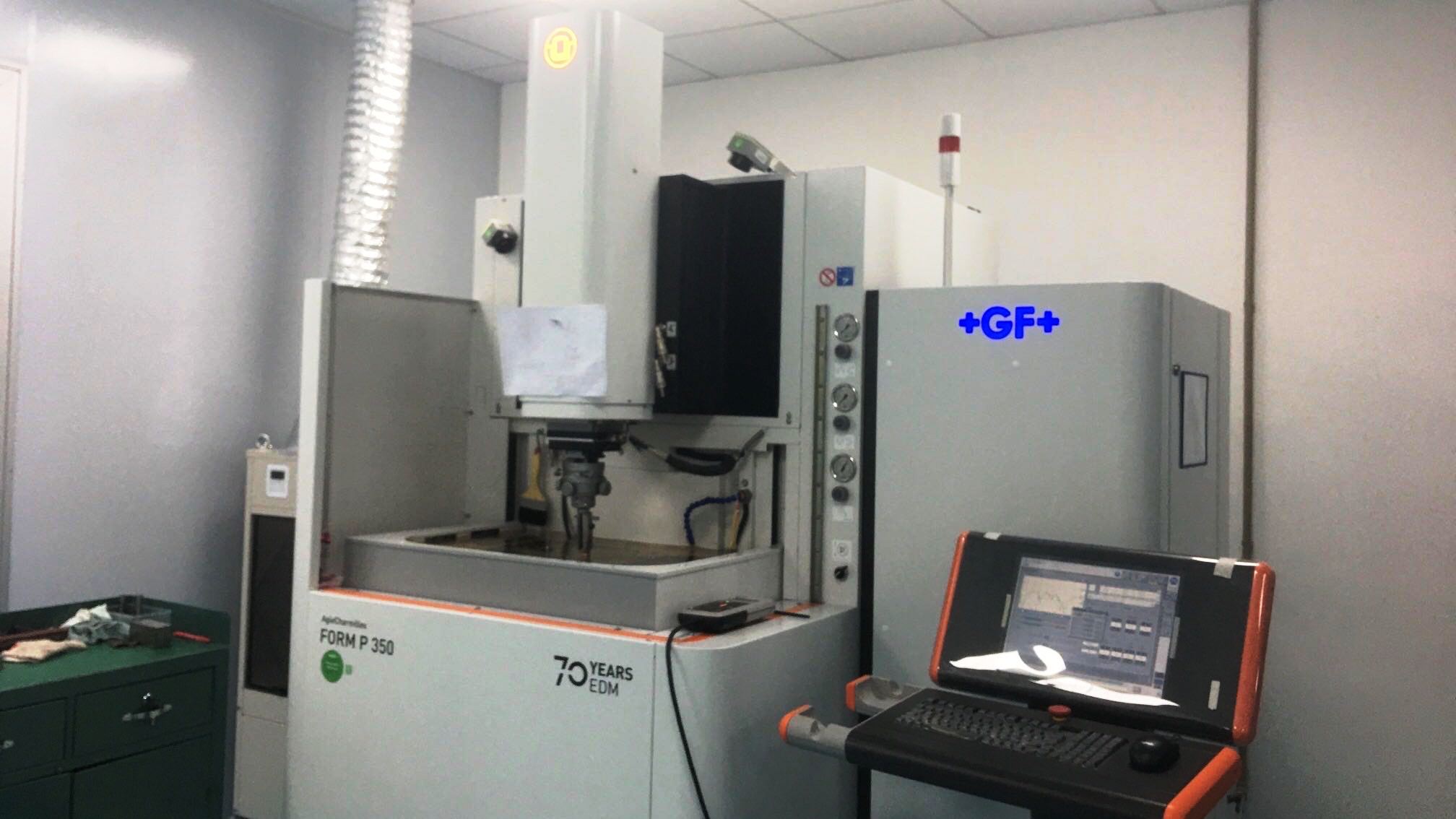
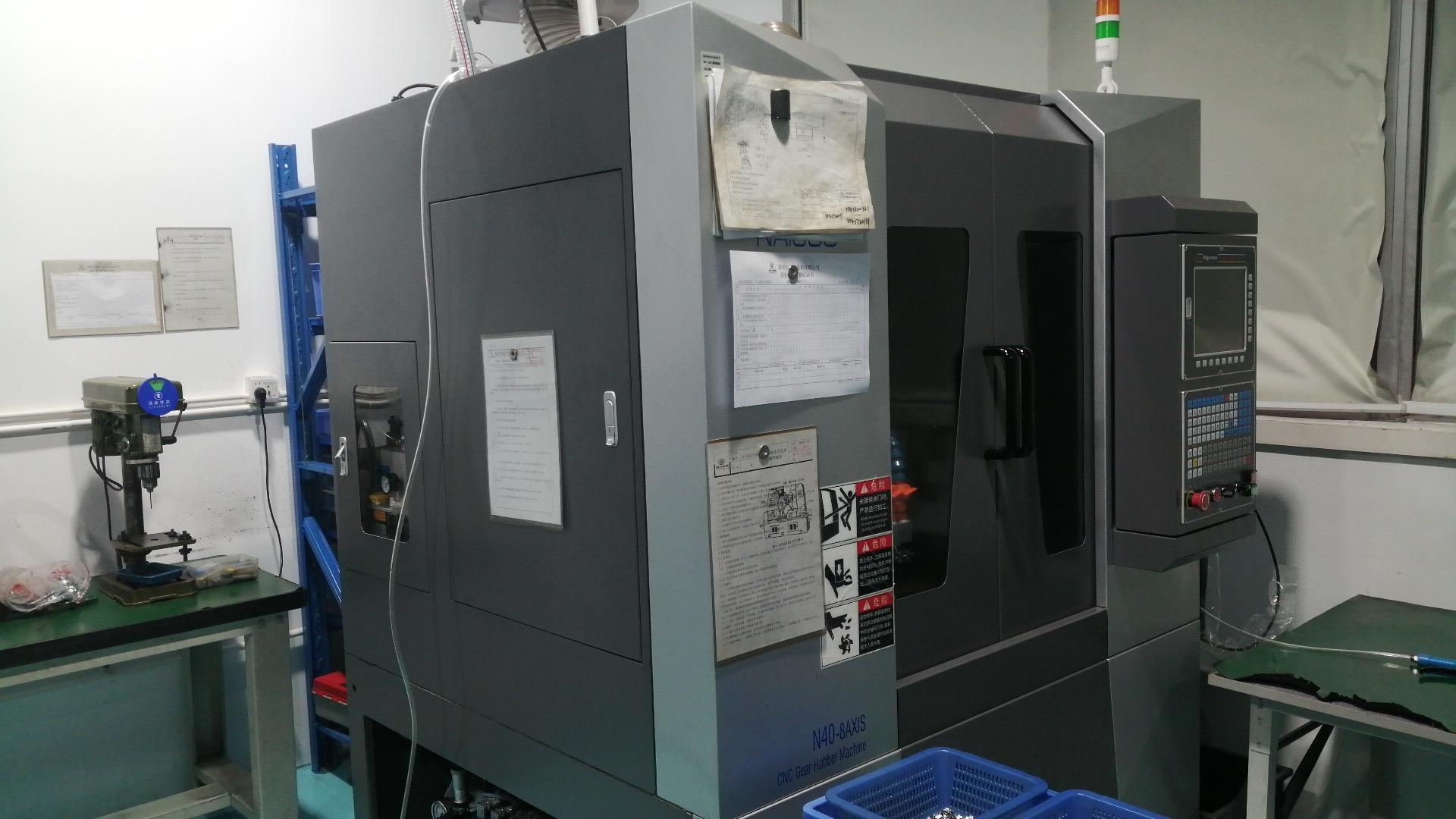
Our precision gear cutting and component processing units utilize the latest micro-engineering machine tool brands.
Understanding the physics of mechanical reduction is key to selecting the correct system configuration. Different types of gear reducers have unique advantages and trade-offs. Design engineers typically classify their choices into three main categories:
Planetary gearboxes utilize a central sun gear that drives multiple outer planet gears enclosed in a ring gear. This configuration distributes loads across multiple contact points, allowing for high torque transfer in a compact, coaxial design. They are the ideal choice for high-precision operations such as surgical instruments, robotics, and aerospace actuators where space is limited and load variation is high.
Worm gear reducers use a threaded worm shaft driving a mating gear wheel, offering high gear reduction ratios within a single stage. Because the input and output shafts are positioned at a 90-degree angle, they are ideal for right-angle drive configurations. In addition, worm gearboxes are self-locking; they prevent back-driving when power is removed, making them highly suitable for electric locks, hoists, and positioning systems.
Spur gearboxes use simple straight-toothed gears mounted on parallel shafts. They offer high mechanical transmission efficiency and are relatively cost-effective to manufacture. However, because they have fewer teeth in contact at any one time, they are best suited for lower speed, lower torque, and cost-sensitive applications like automated toys, basic home appliances, and display stands.
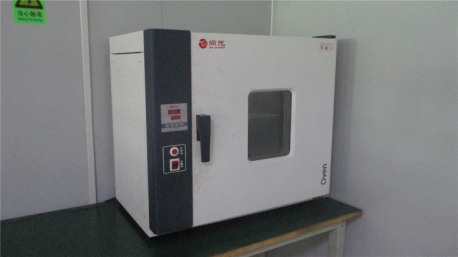
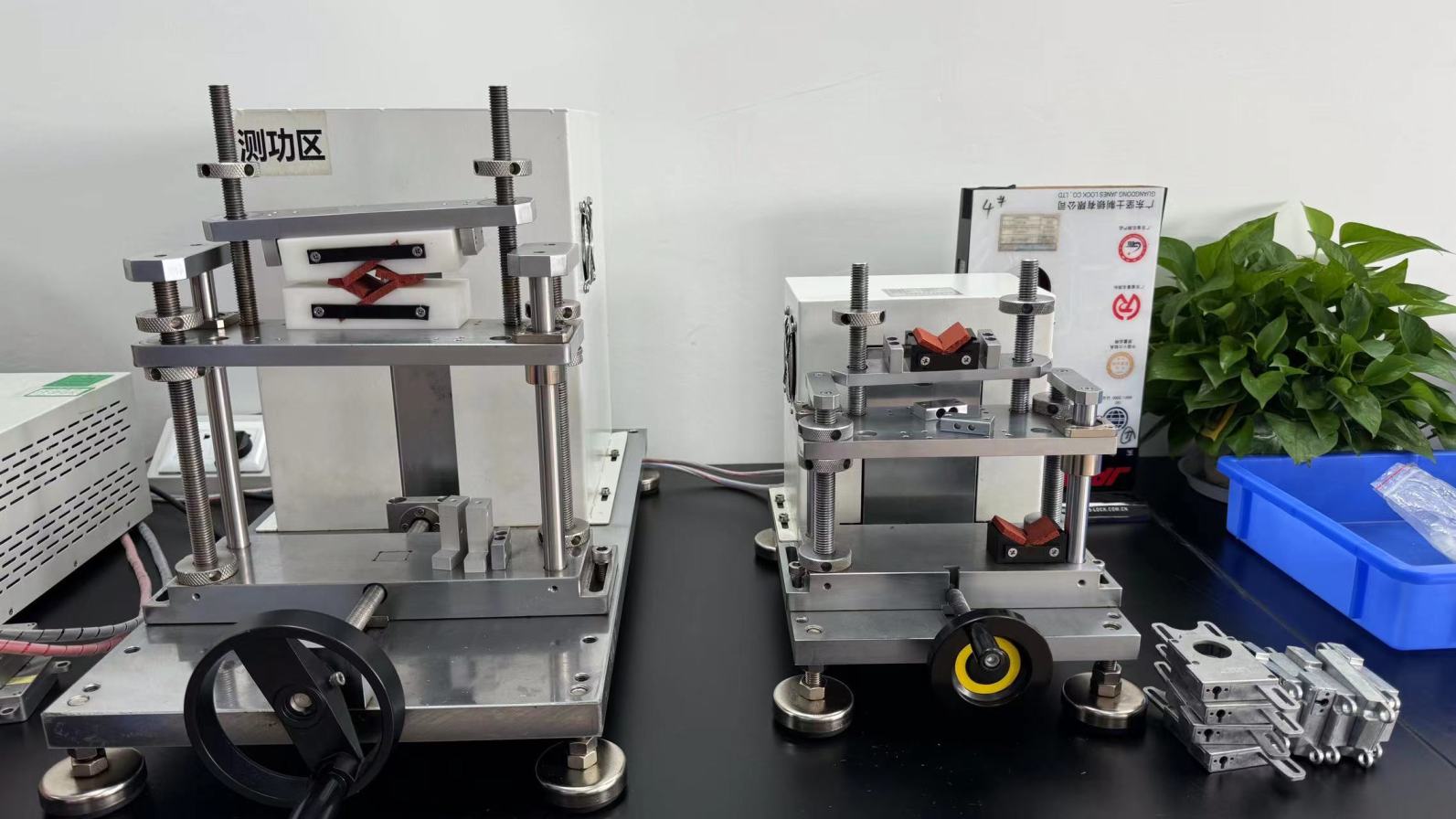
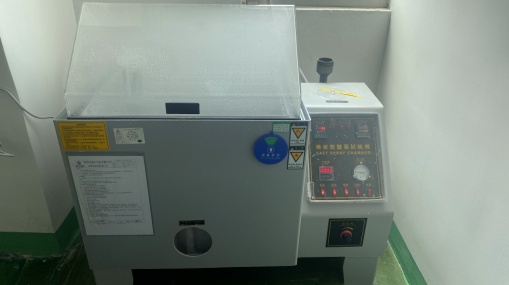
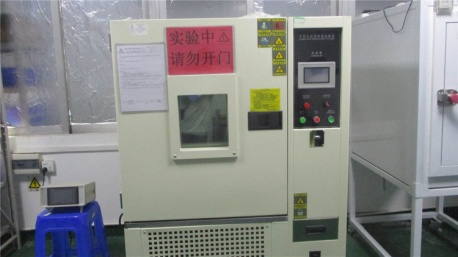
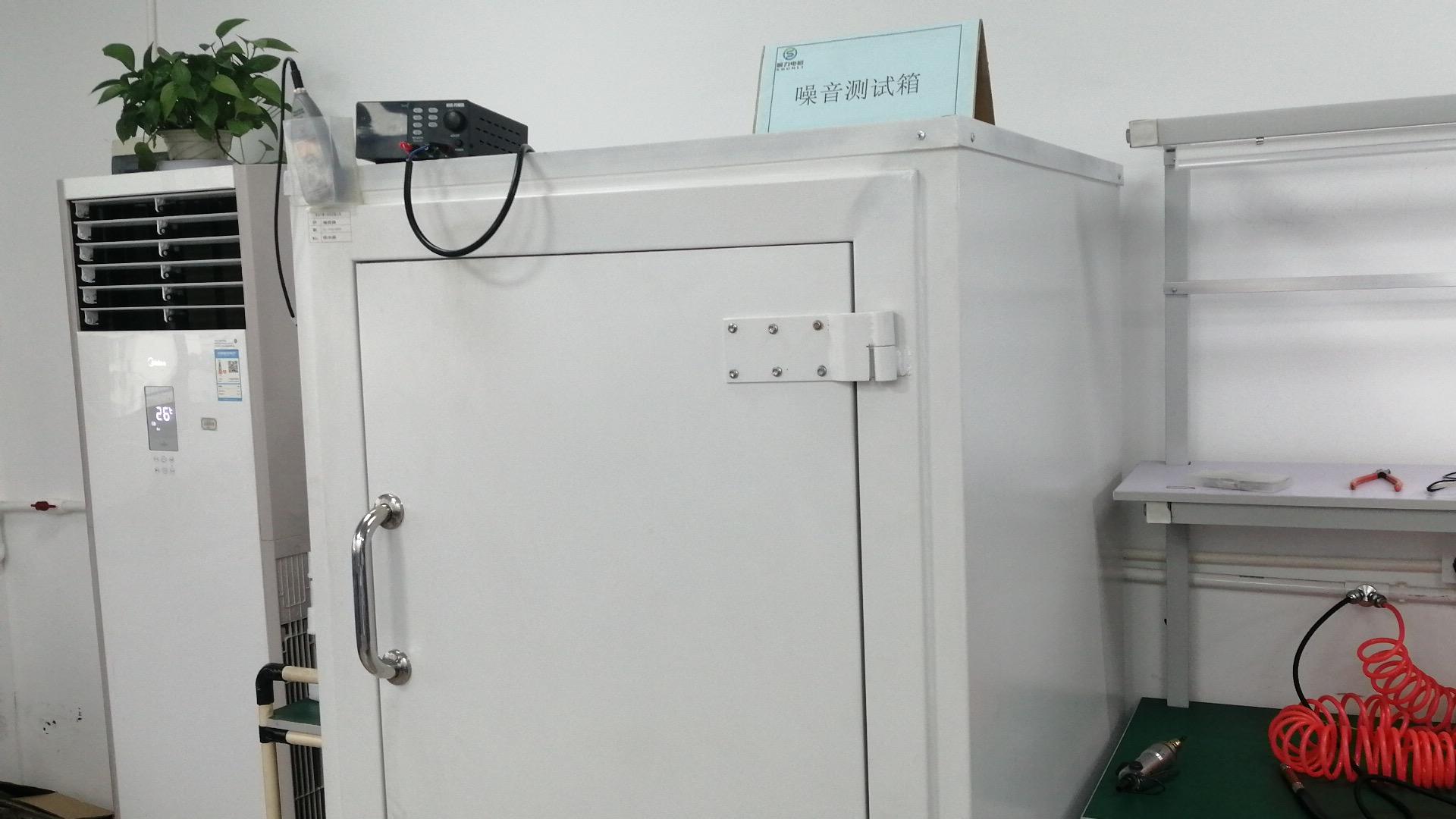
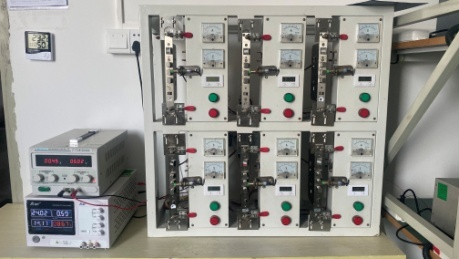
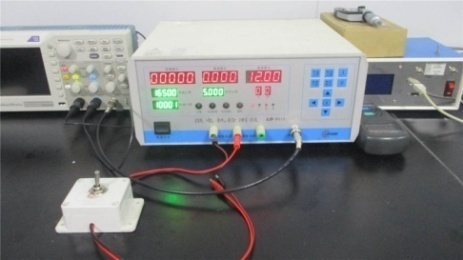
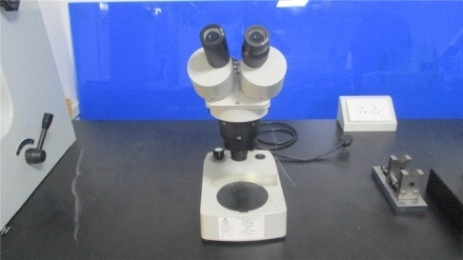
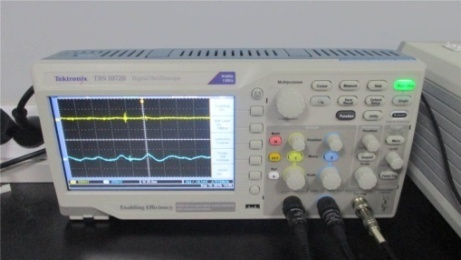
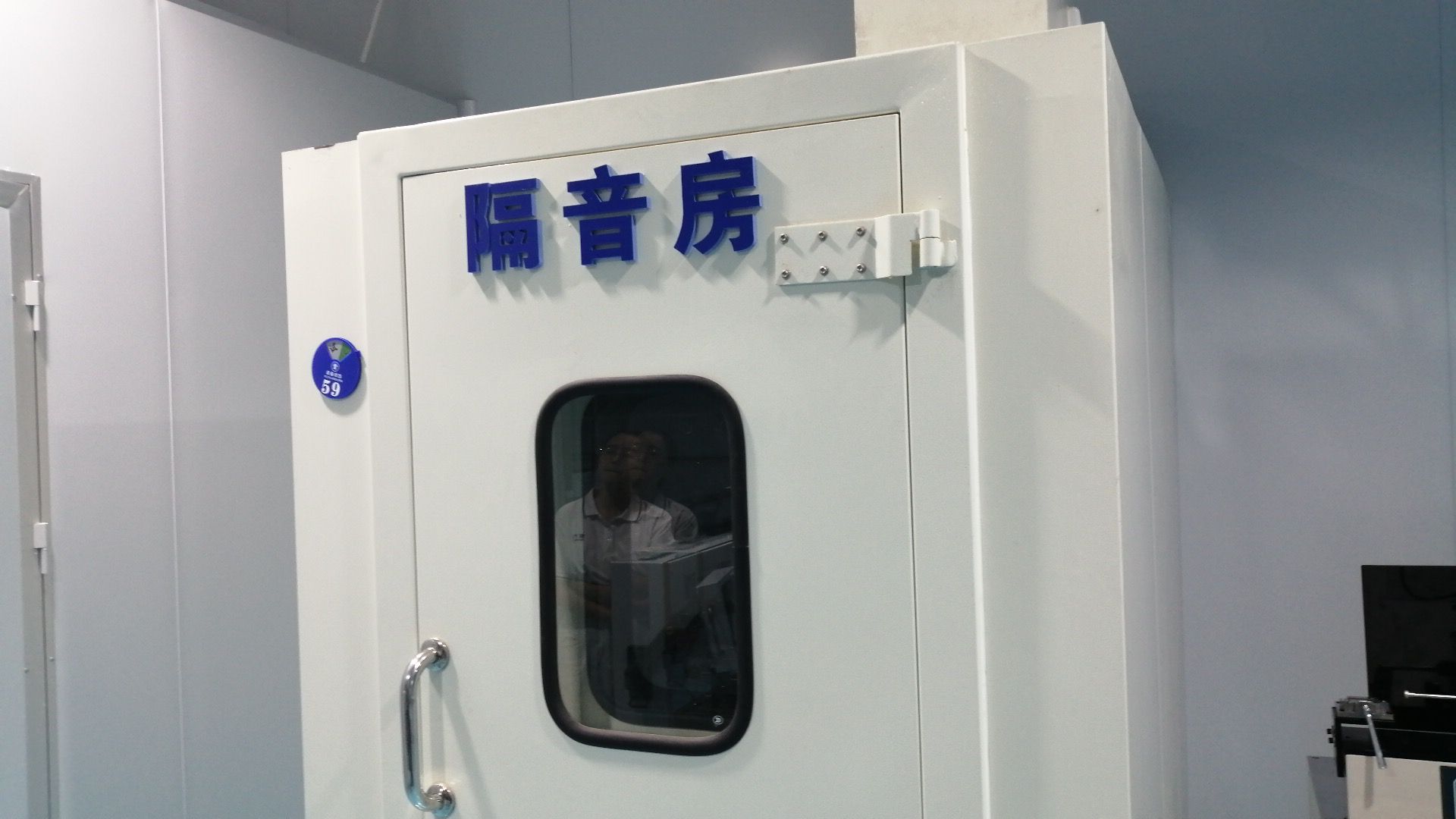
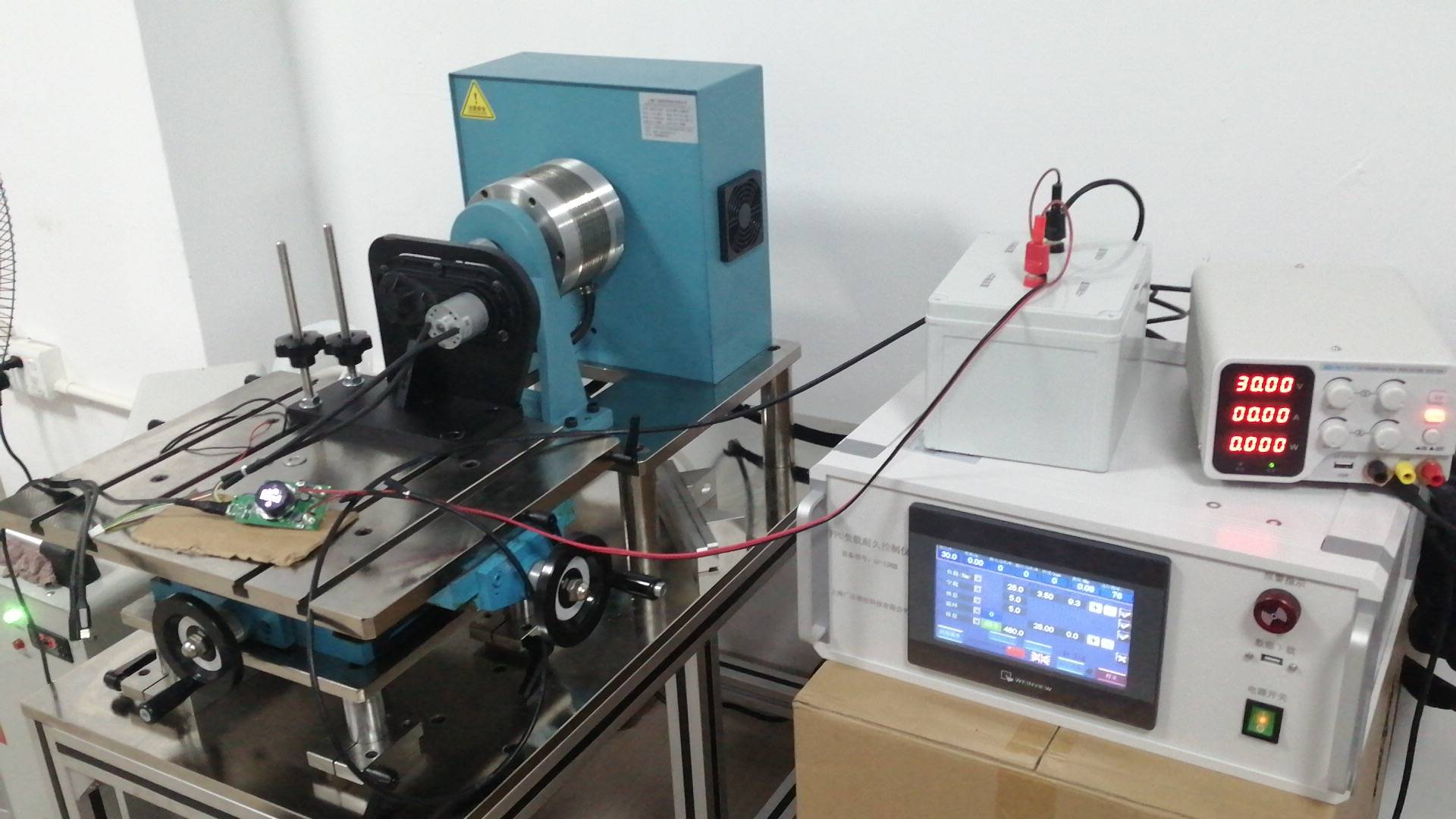
Our testing laboratory is equipped with high-precision environmental, structural, and electromagnetic diagnostic equipment.
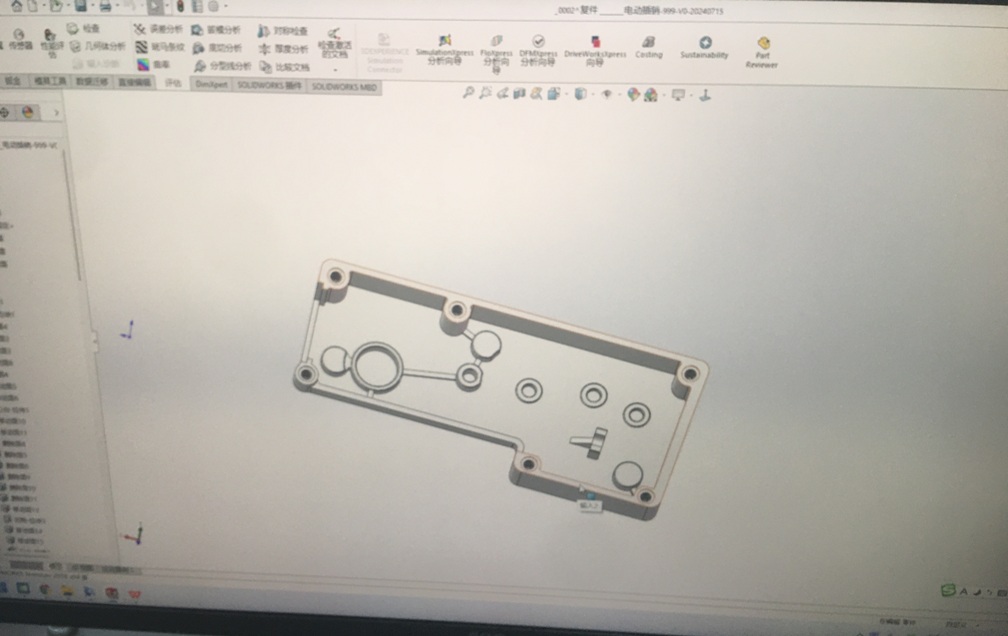
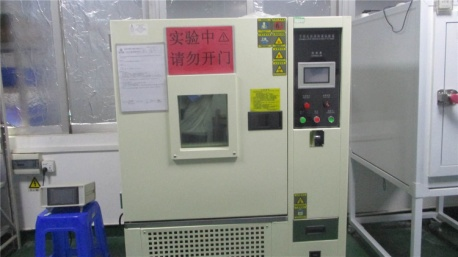
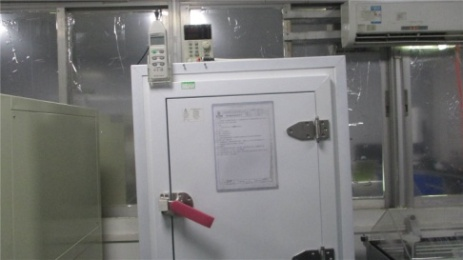
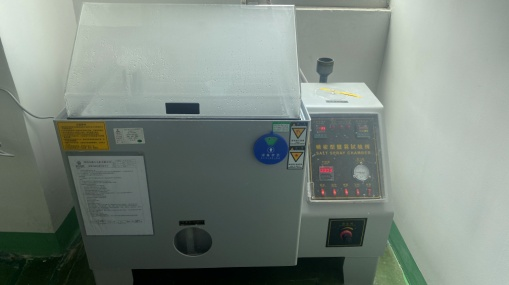
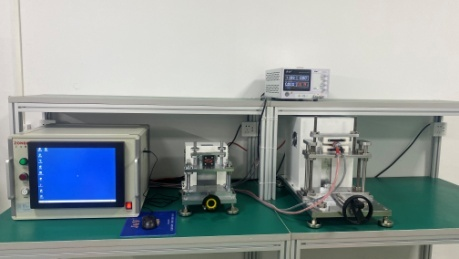
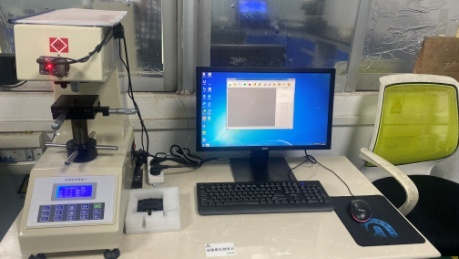
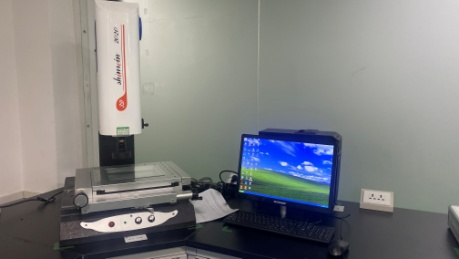
Selecting the right motor system depends heavily on the specific environmental conditions, mechanical stresses, and electrical limits of its intended application.
Smart residential and commercial door locks require compact, high-torque actuators such as N20 micro worm gear motors. The right-angle configuration provides a compact layout within the lock body, while the self-locking property prevents forced entry. High precision gears ensure smooth operation over thousands of cycles with minimal noise, even in low-temperature conditions.
Electric lawn mowers and outdoor landscaping machinery place high demands on gear motors. They require high-torque brushless DC planetary gear motors (12V–48V) to handle dense grass and debris. These motors feature robust dust and water protection (IP65 or higher) and high-strength metal gearboxes to absorb sudden impacts and load changes.
Modern security domes and active camera networks rely on micro stepper and brushless gear motors. These systems require smooth pan-tilt movement, low electromagnetic interference (EMI), and highly reliable micro-drives. Constant-velocity precision gears prevent video distortion and enable precise positioning down to fractions of a degree.
Answers to critical engineering questions about motor selection, customization, and lifetime optimization.
Planetary gearboxes align the input and output shafts coaxially, offering high efficiency (often 90% or more per stage) and excellent torque density. They are best suited for high-load, compact spaces. Worm gearboxes position the input and output shafts at 90 degrees, offering a space-saving layout. They are self-locking but have lower mechanical efficiency (ranging from 40% to 75% depending on the ratio) due to sliding friction.
Acoustic noise is reduced through a combination of precision component design and material choice. This includes using plastic helical gears in the primary input stage, maintaining precise tooth profiles, minimizing gear backlash, and utilizing synthetic grease to damp vibrations. Additionally, brushless DC motors run quieter than brushed DC motors by eliminating brush friction.
Yes, customization is standard for most industrial applications. We can customize output shafts (including D-cut, round, keyed, cross-drilled, or splined ends), integrate dual-channel Hall effect encoders or optical encoders, and assemble custom wire harnesses and connectors to simplify installation.
The rotational speed of a DC motor is proportional to the input voltage, while the output torque is proportional to the current. If the input voltage drops, the speed of the motor decreases. Under heavy loads, a drop in voltage will reduce the motor's maximum output power, which can lead to motor stall if the load exceeds the motor's capacity.
Standard modification prototypes are typically completed within 10 to 15 days. For custom gear design and housing tooling development, the prototyping cycle ranges from 25 to 35 days. Standard bulk production runs take 20 to 30 days, depending on the order volume and material requirements.
Specialty micro-motors designed for smart door locks, security systems, outdoor machinery, and e-bikes.
 Syncdrive Motor