Every groundbreaking smart device needs a reliable pulse. Syncdrive Motor designs and manufactures high-efficiency micro-drives that serve as the invisible, robust core inside next-generation robotics, smart home applications, and aerospace medical tools worldwide.

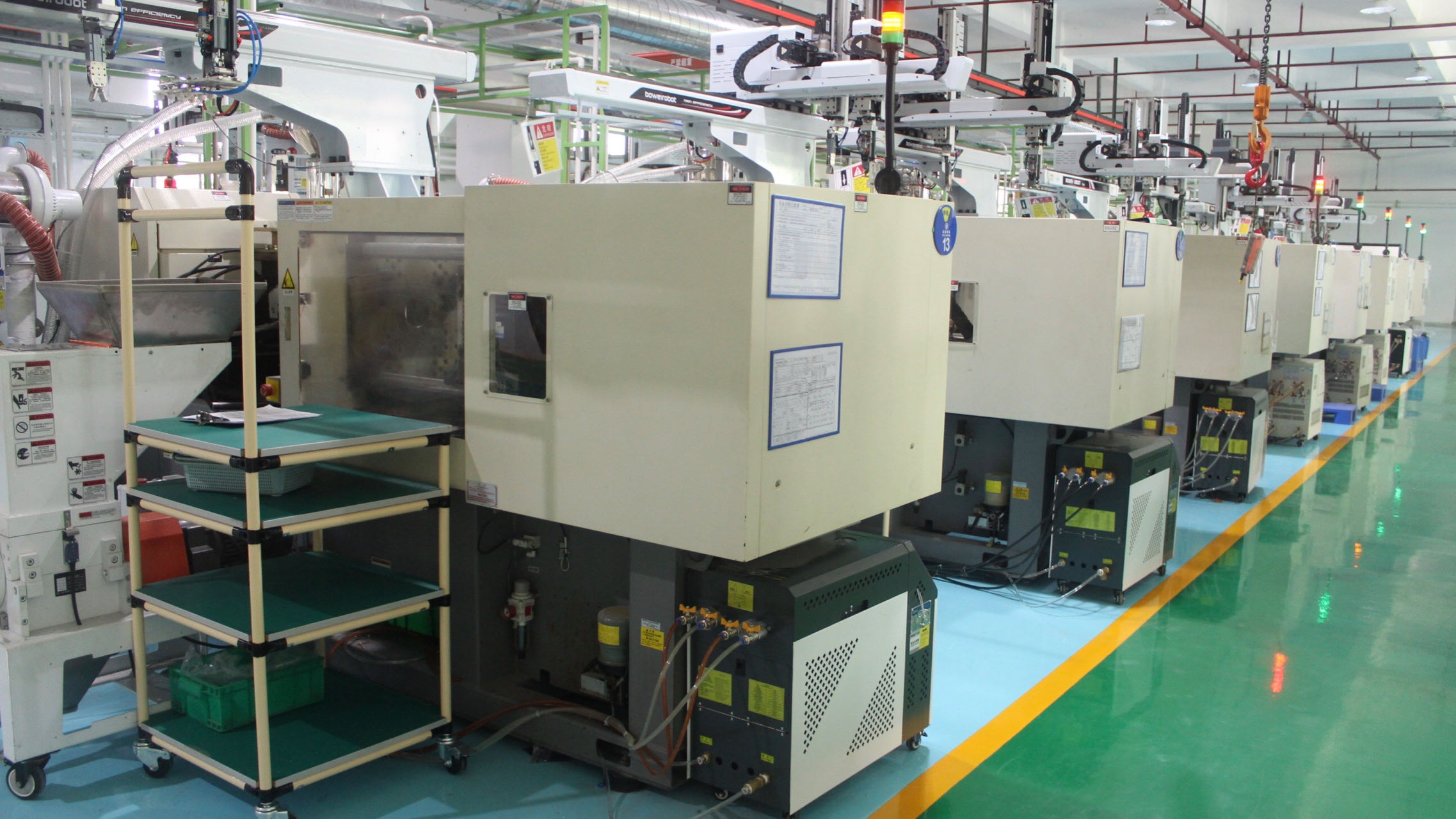
High-torque planetary, worm, and spur gear motors optimized for custom mechanical systems and electrical designs.
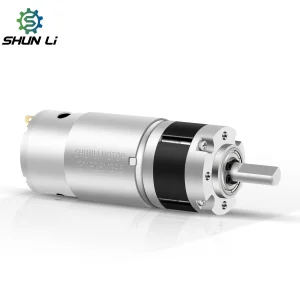
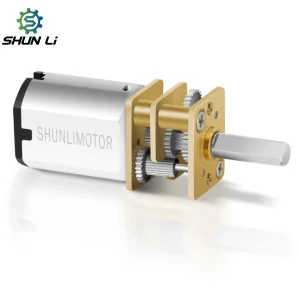
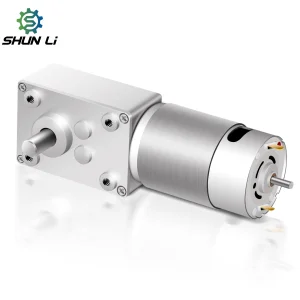
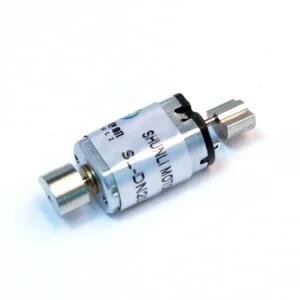
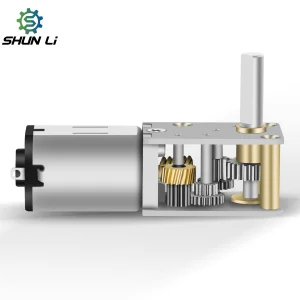
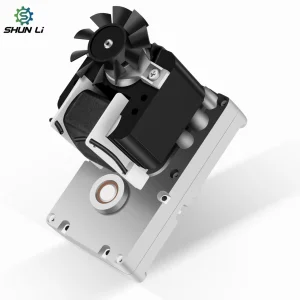
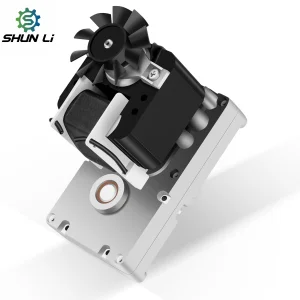
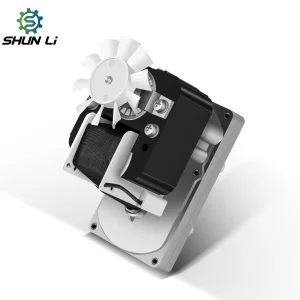
In the era of hyper-automation, the demand for precision kinematics has reached an all-time high. Geared stepper motors represent a critical convergence of digital control technology and mechanical torque multiplication. By mating a multi-phase electromagnetic stepper motor with a high-accuracy planetary or worm gearhead, engineers can achieve unparalleled positioning control, elevated holding torque, and high torque-to-weight ratios.
According to current market intelligence, the global market for geared stepper motors is driven by the rapid growth in collaborative robots (cobots), medical surgical tools, smart building actuators, and additive manufacturing systems. B2B buyers no longer look at motors as isolated mechanical elements. Today, the focus is on system integration: the synergy between the motor coil, gearbox materials, and sensor feedback loops (such as optical or magnetic encoders). High-end operations demand minimal backlash, low operational noise, and thermal management capabilities to secure system longevity.
Direct drive stepper motors are often limited by speed-versus-torque trade-offs. As rotational speed increases, torque typically drops off rapidly due to back-EMF (electromotive force). Integrating a gearbox optimizes the system in three critical ways:
Gear ratios act as multipliers, allowing miniature motors (down to 10mm or 12mm diameters) to output substantial torque without changing their physical footprint or current consumption characteristics.
A standard 1.8-degree stepper motor features 200 steps per revolution. Applying a 10:1 reduction gearbox increases the effective resolution to 2,000 steps per output shaft revolution, providing micro-positioning precision.
High load inertia can cause steps to skip or control loops to oscillate. The gearbox matches the load inertia back to the motor's rotor, ensuring smooth dynamic acceleration curves.
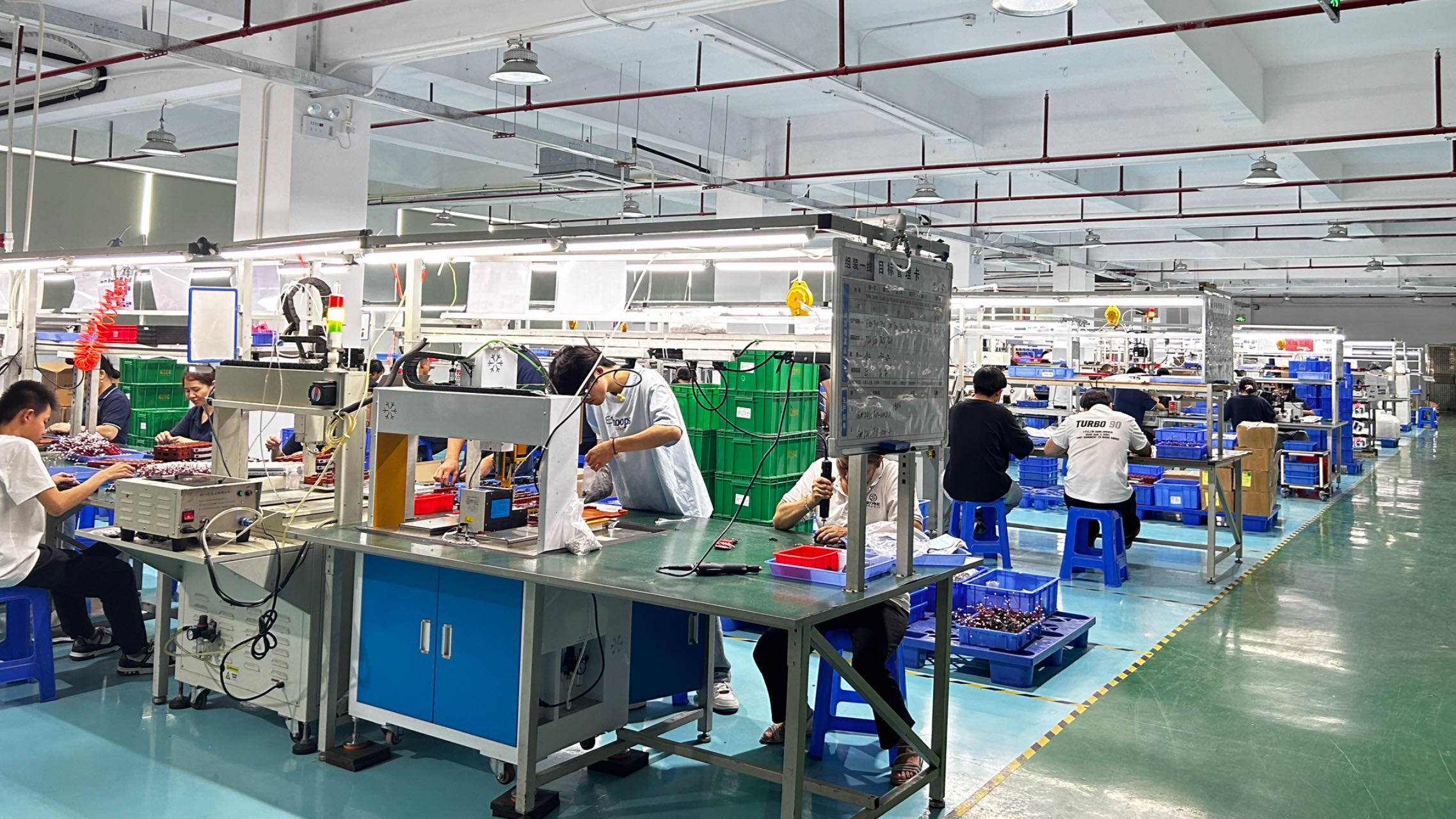
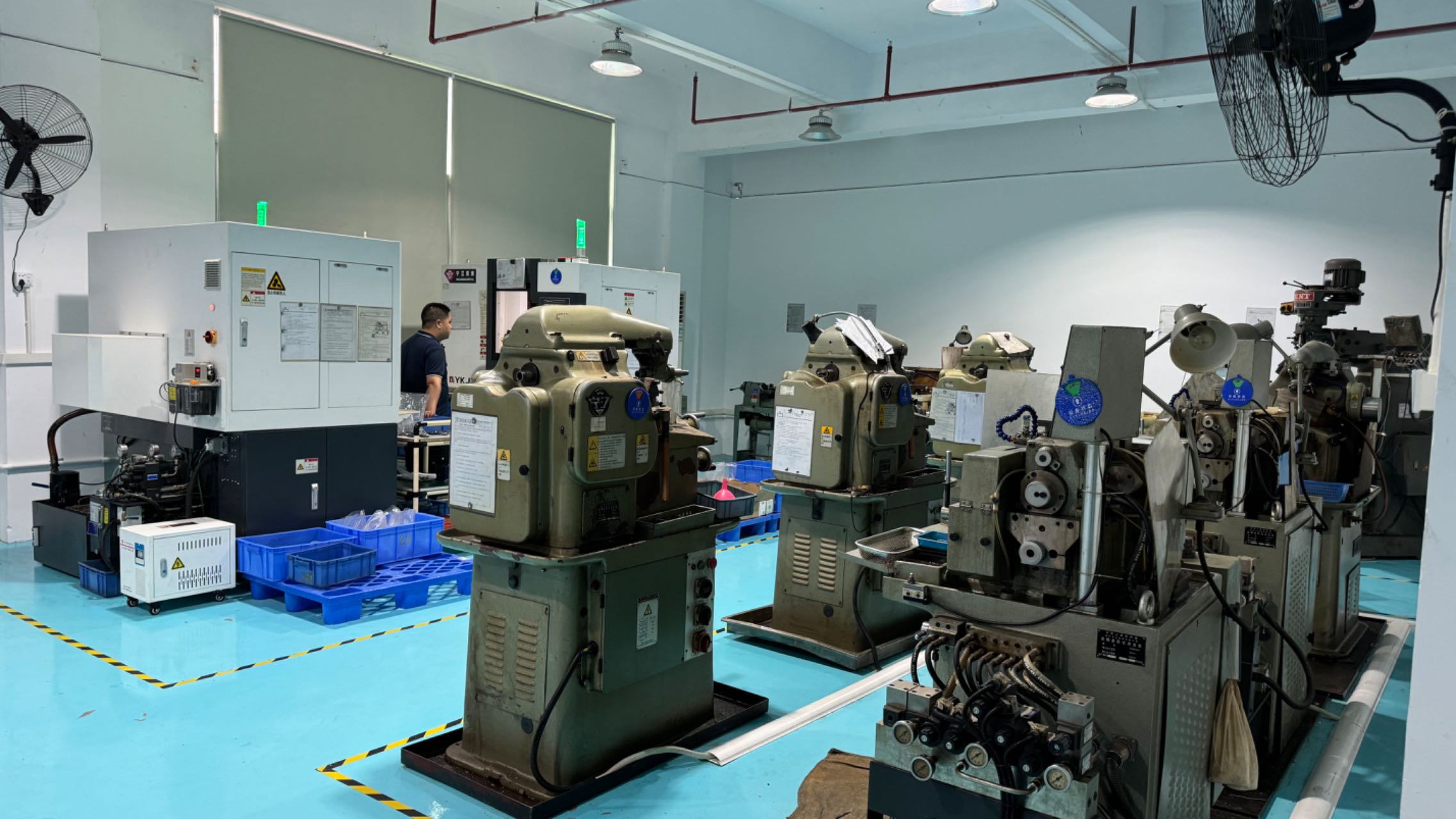
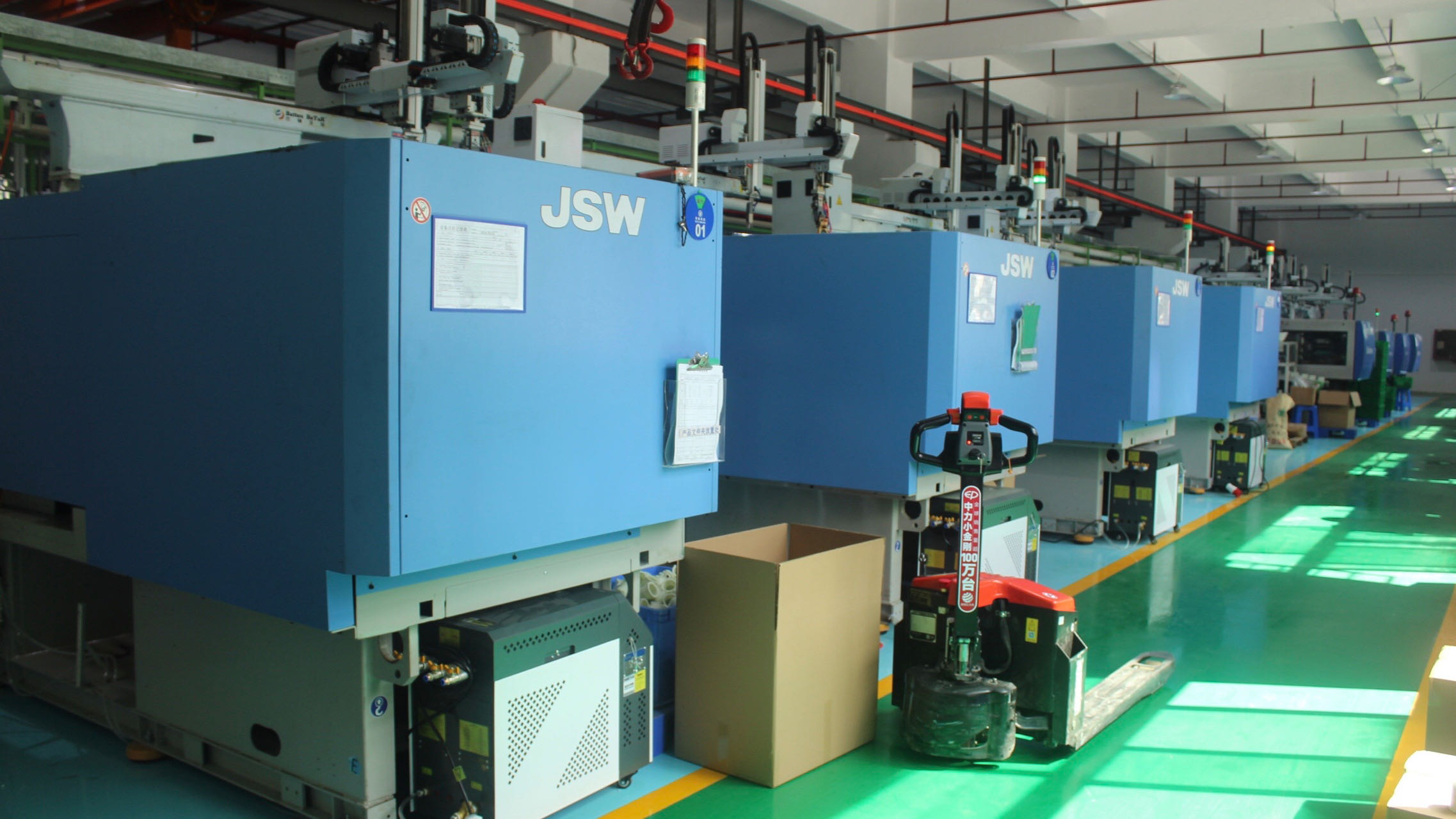
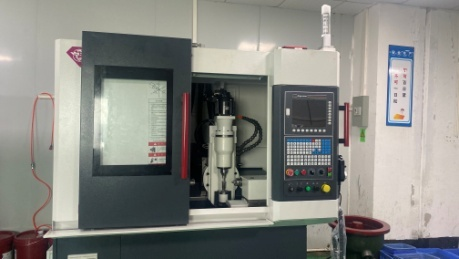
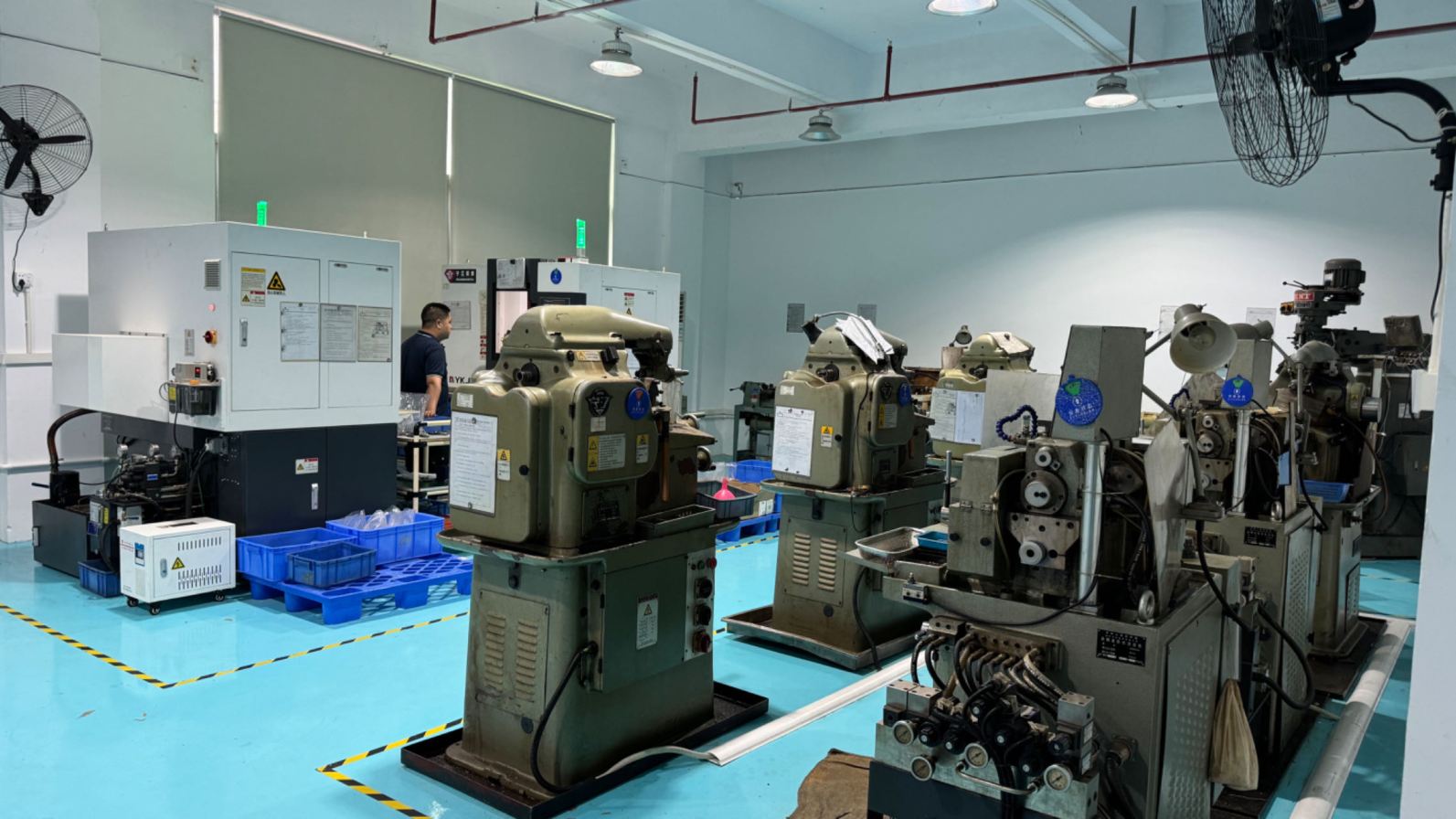
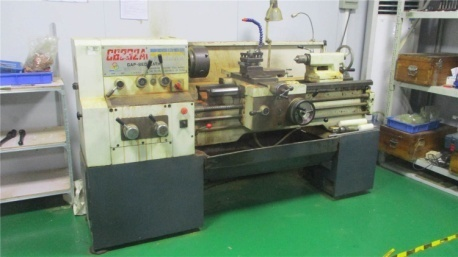
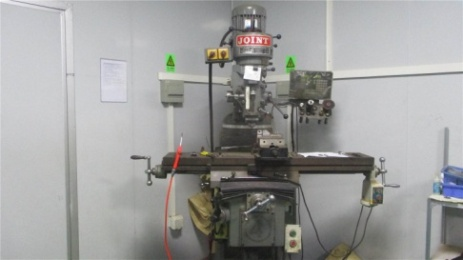
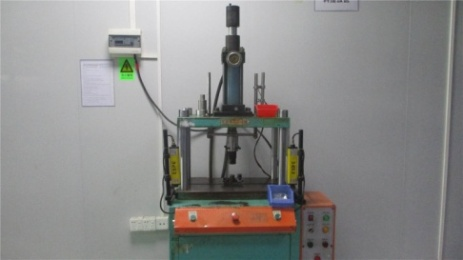
Under strict Quality Assurance guidelines, our vertically integrated plant transforms raw metals and magnets into high-performance micro-drives.

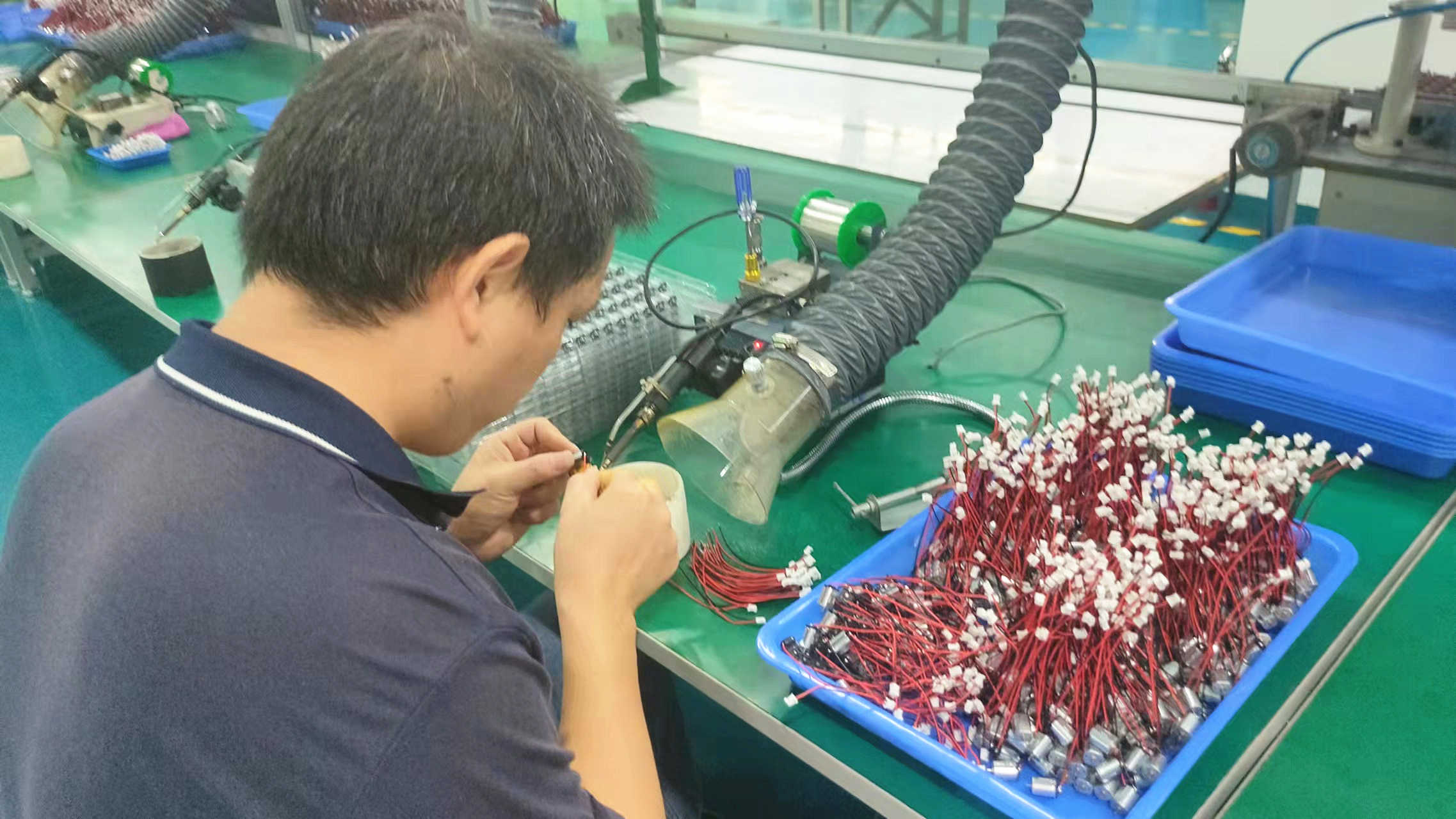
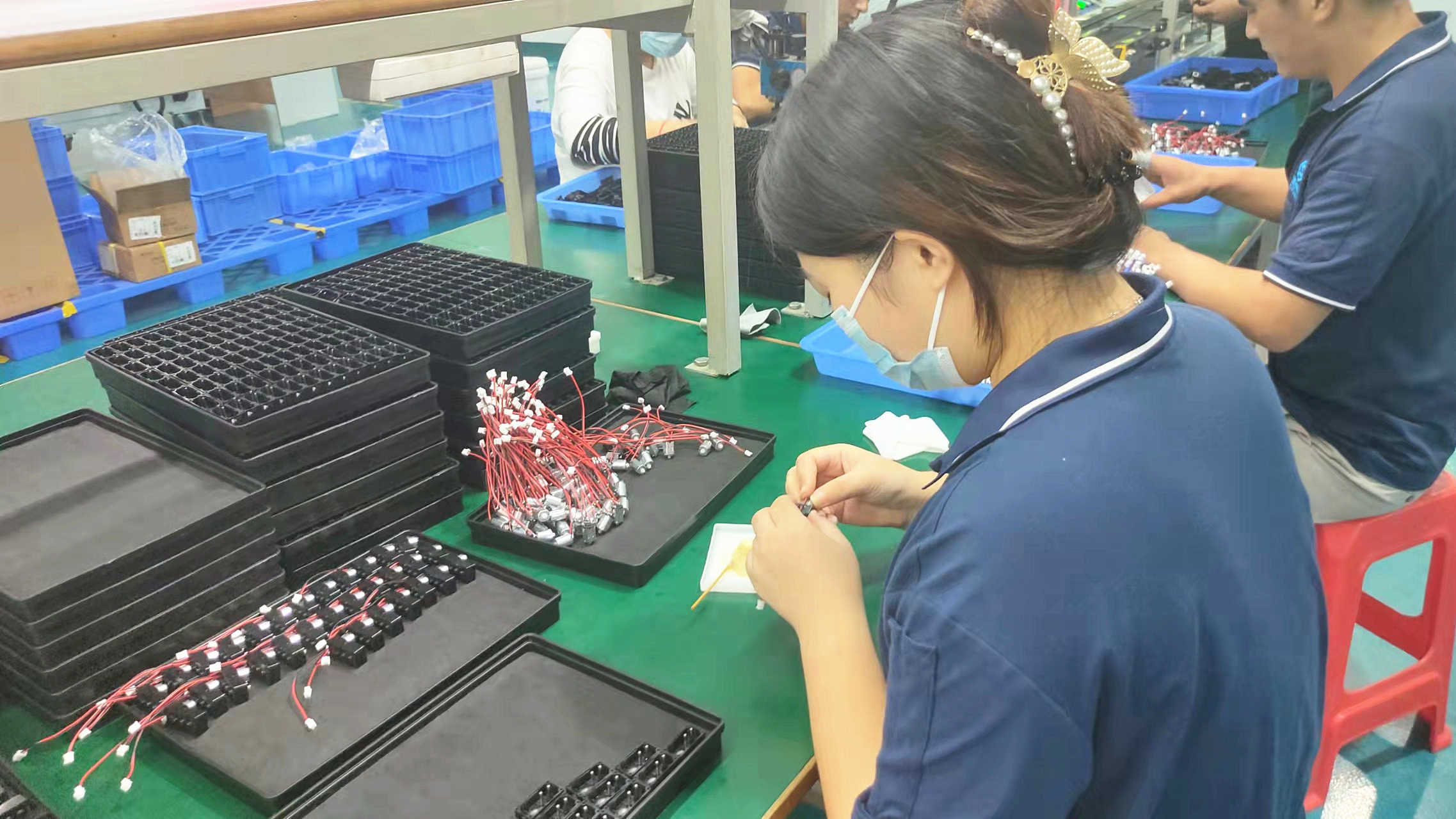
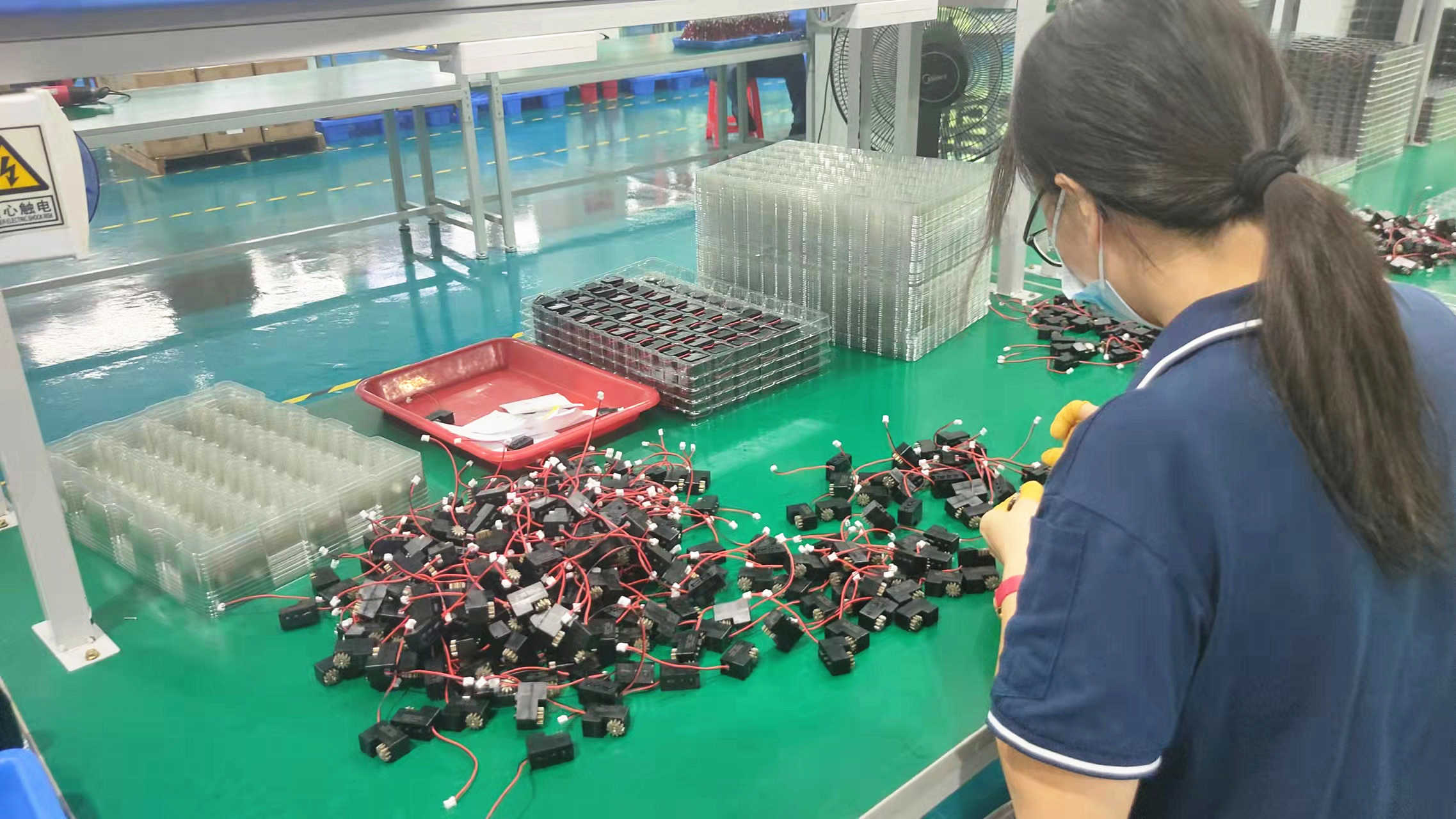
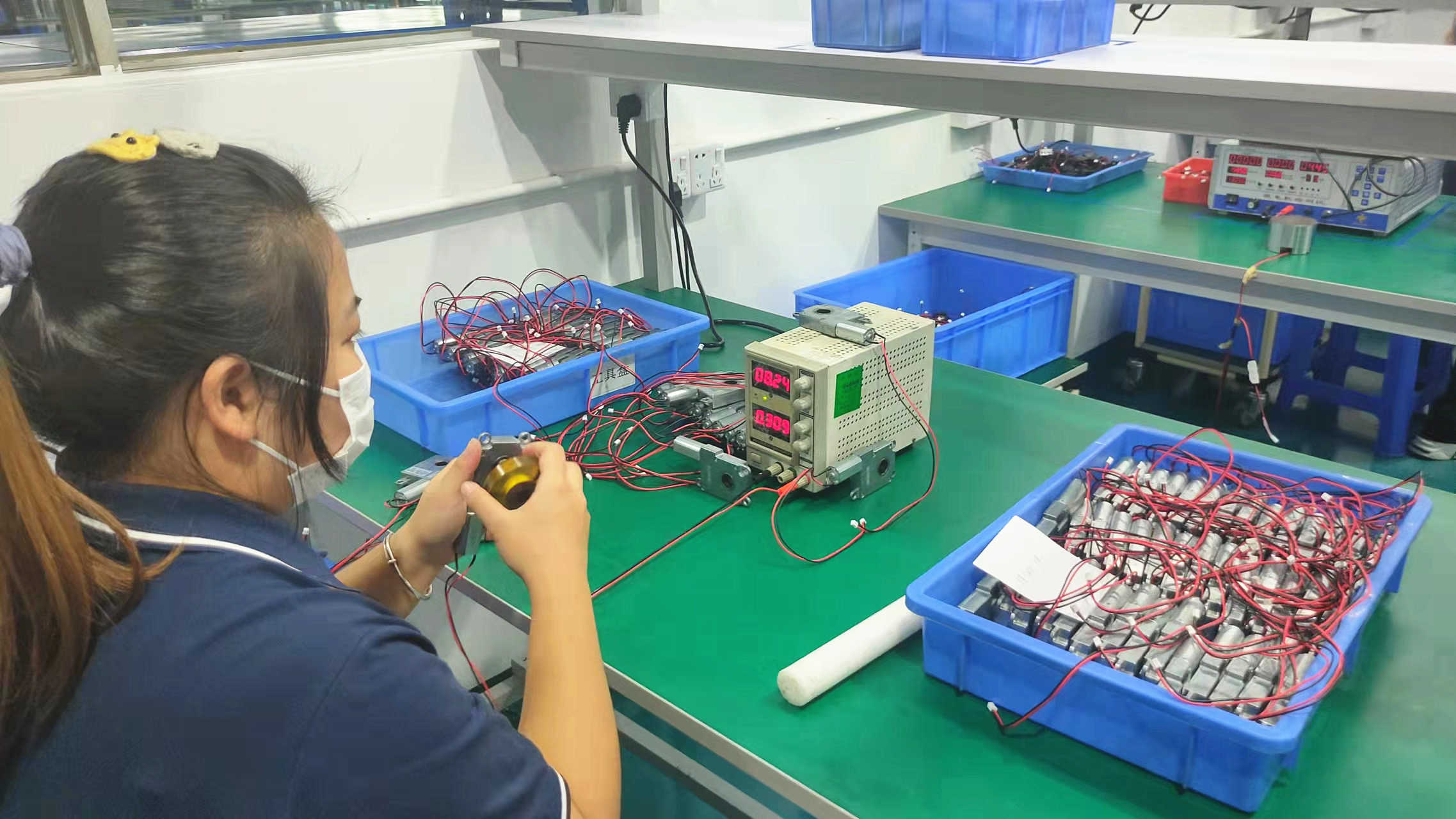
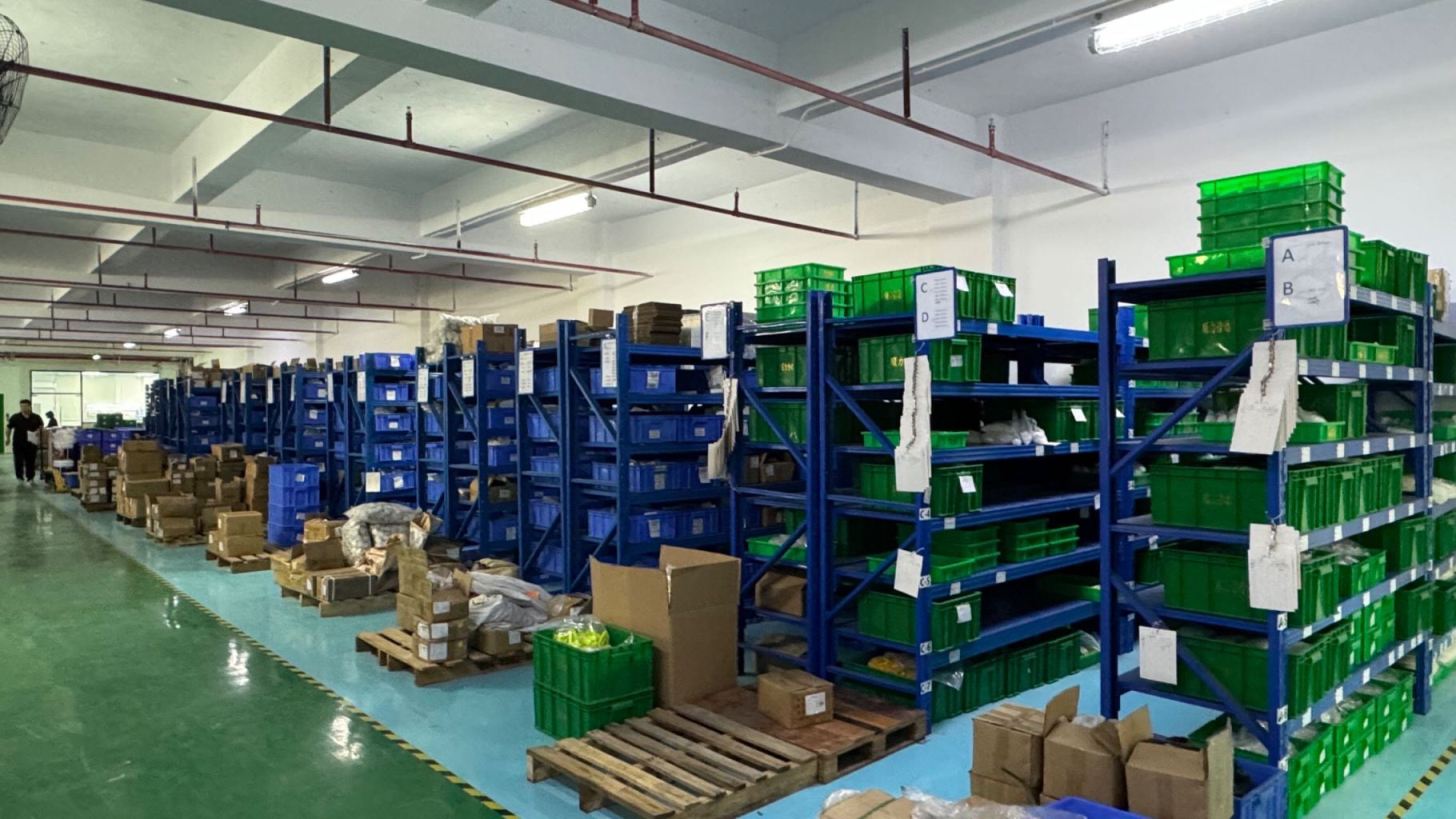
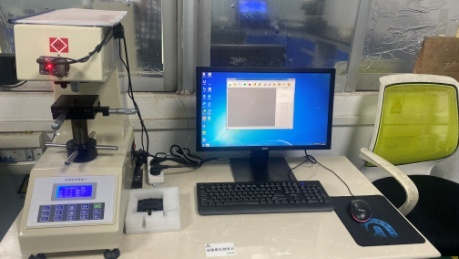
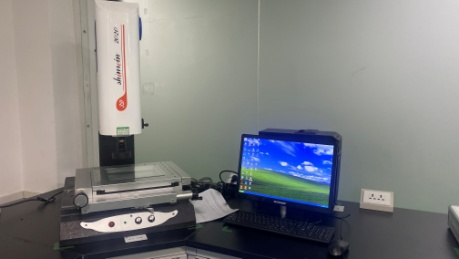
Investing in high-end machinery allows us to maintain tolerances down to the micron level, ensuring minimal backlash and long gear life.
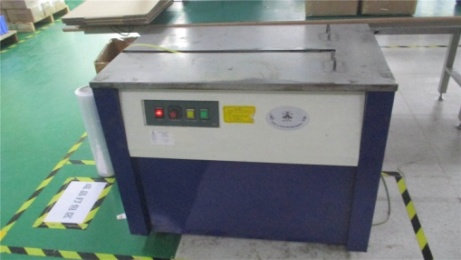
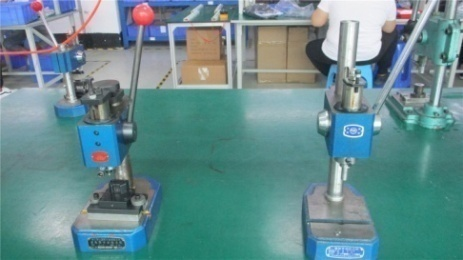
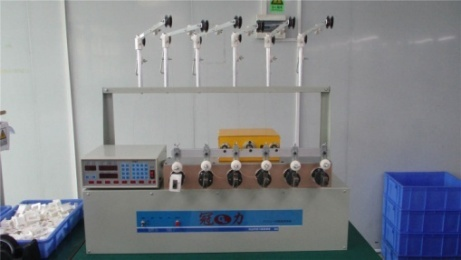
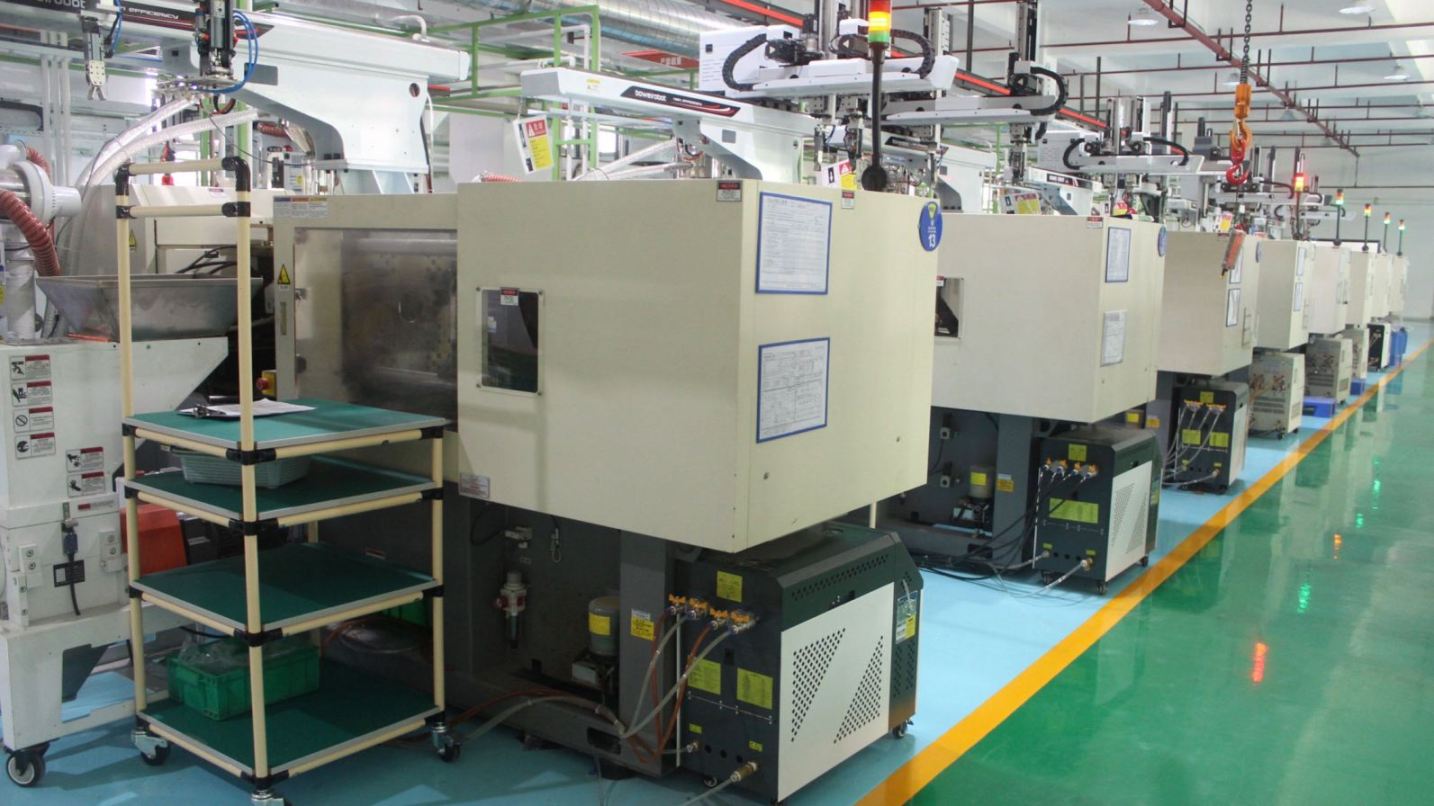
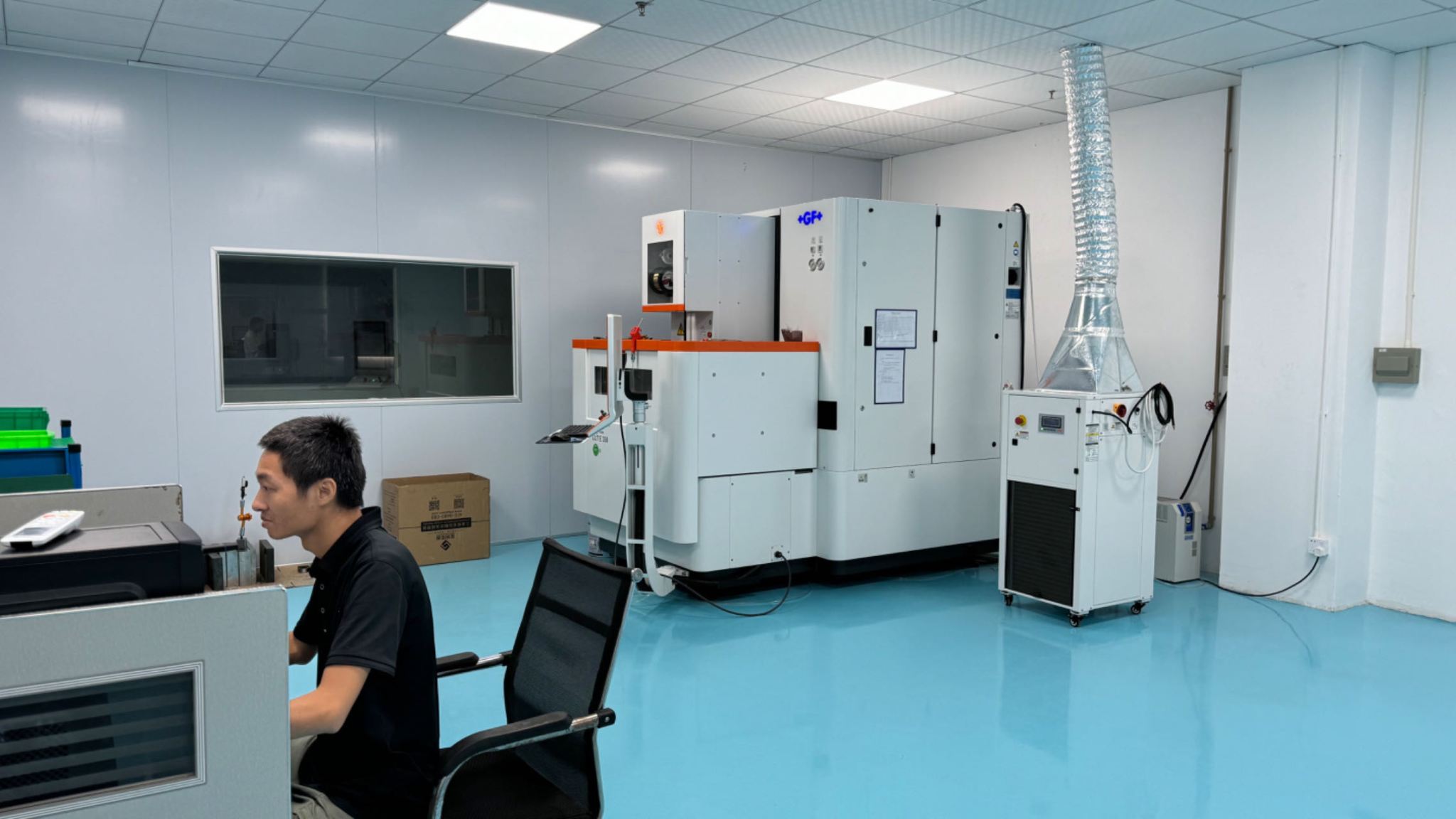
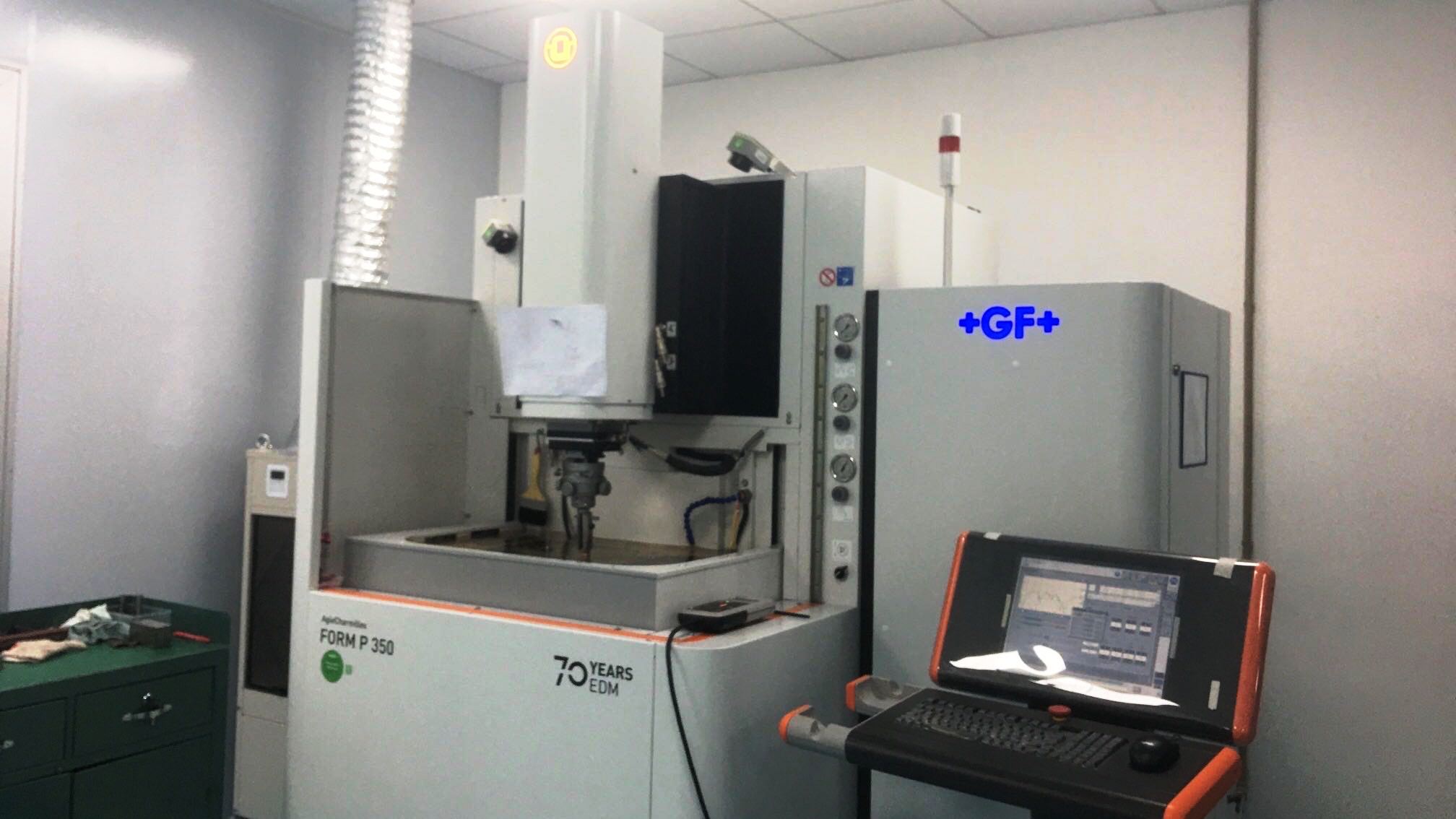
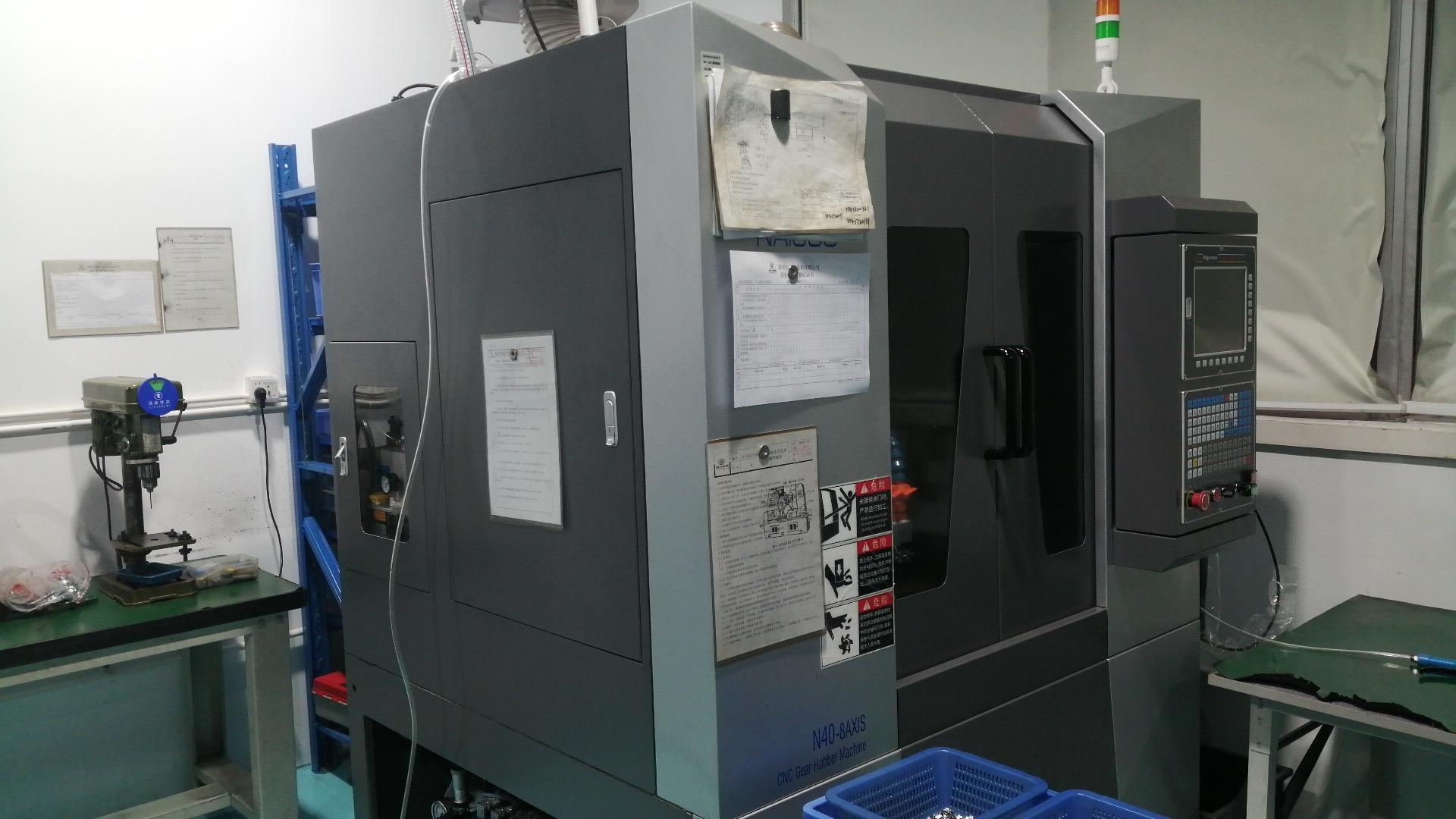
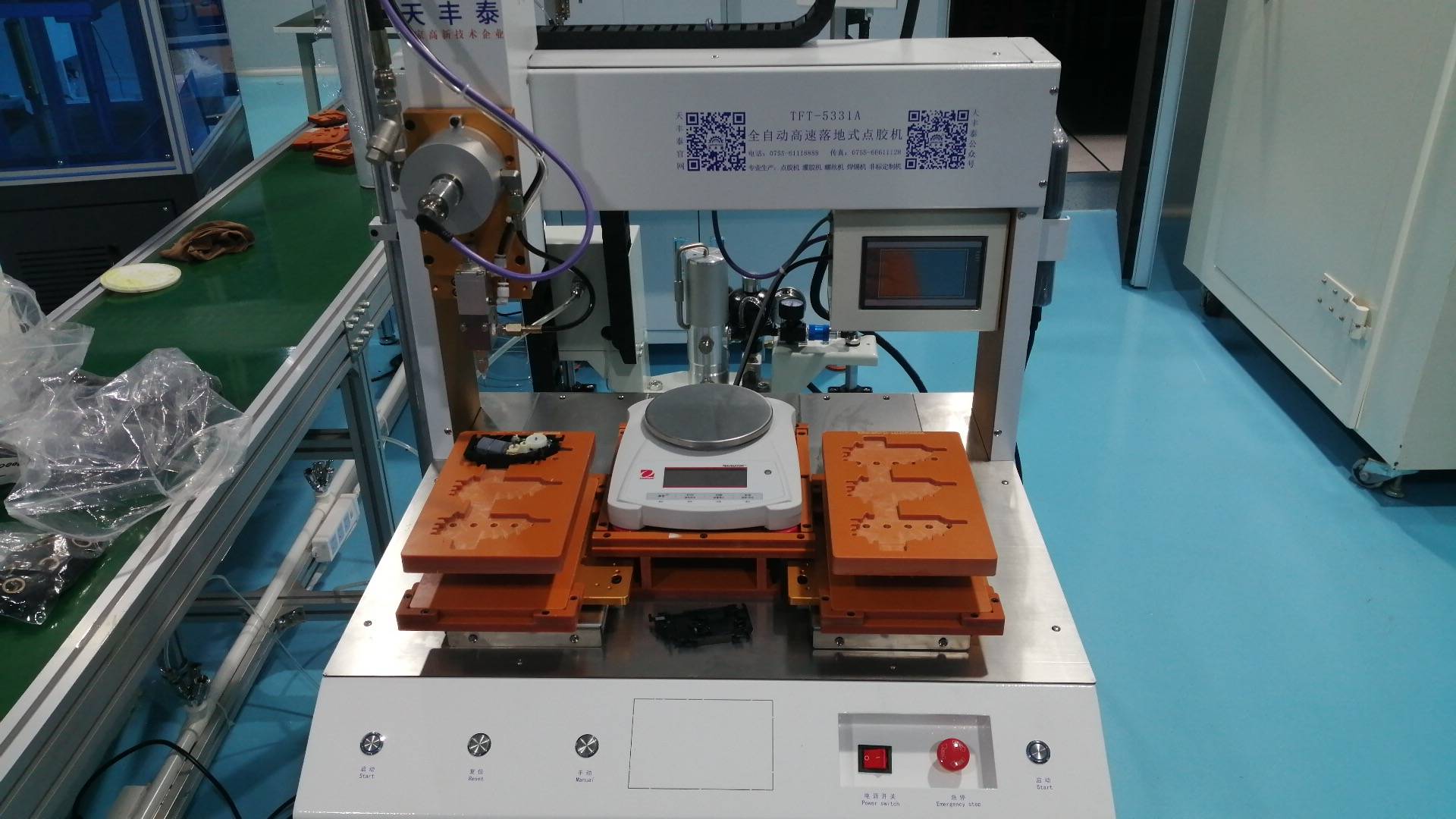
Purchasing geared stepper motors globally requires balancing cost, technical specification compliance, and lead-time predictability. Chinese manufacturing clusters, particularly in industrialized zones like Zhejiang and Guangdong, have evolved from basic assembly hubs into world-leading design and customization ecosystems. Syncdrive Motor harnesses this geographical and structural advantage to offer rapid prototyping, custom electrical windings, and precision gear configuration that competitive Western houses often cannot execute at scale.
Our raw material procurement runs on deep long-term partnerships, assuring we use top-tier steel alloy, high-grade permanent magnets (such as NdFeB), and high-durability synthetic lubricants. These optimizations yield high efficiency, minimal thermal dissipation, and low vibration profiles across our product lineup. By automating key aspects of stator winding and gear machining, we remove human error and deliver uniform batch consistency across high-volume production runs.
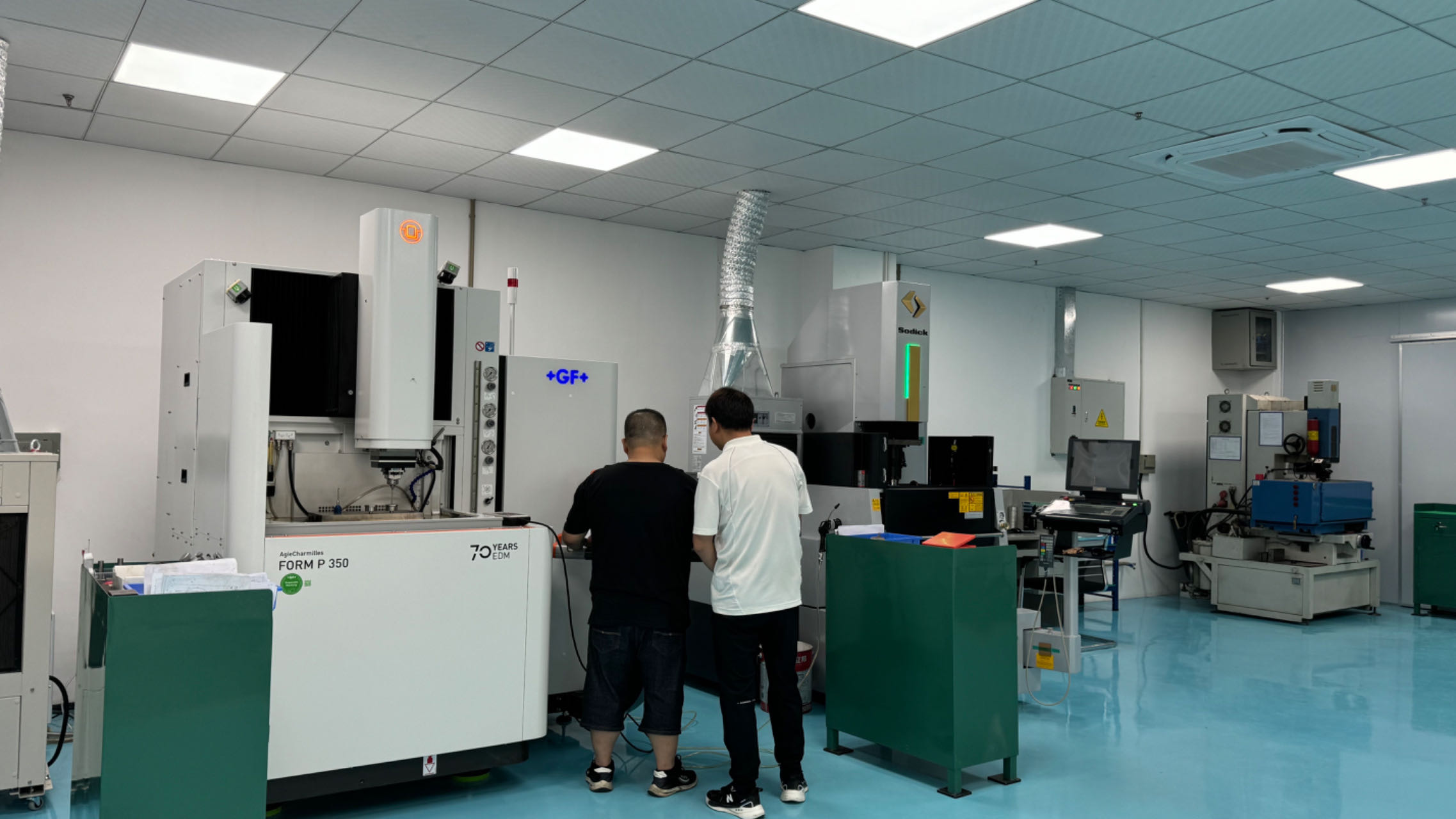
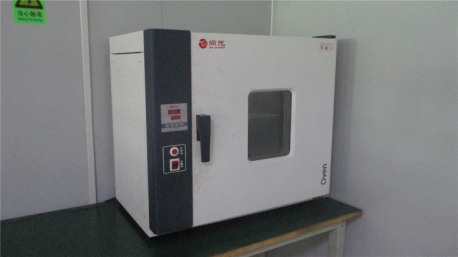
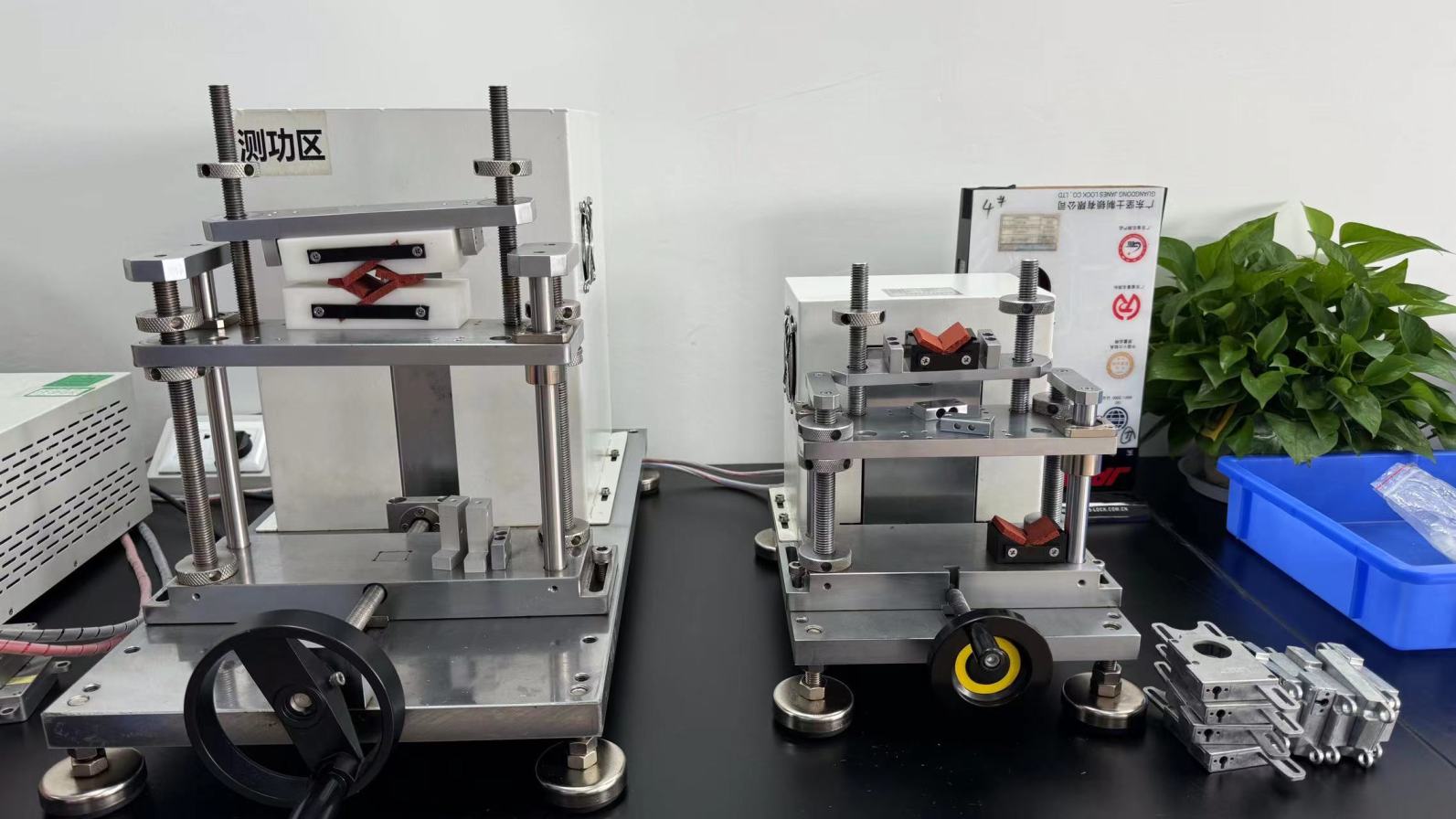
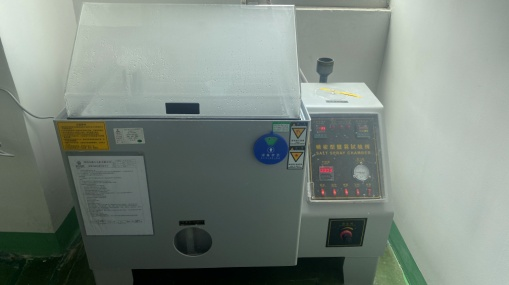
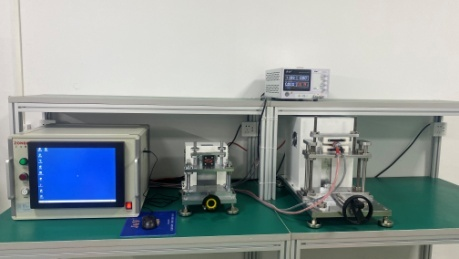
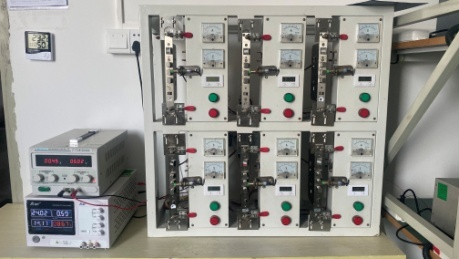
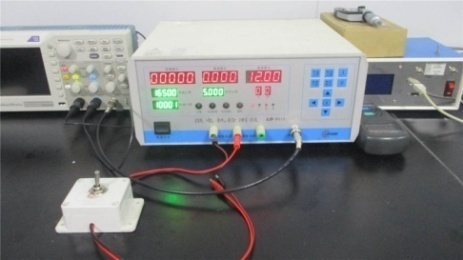
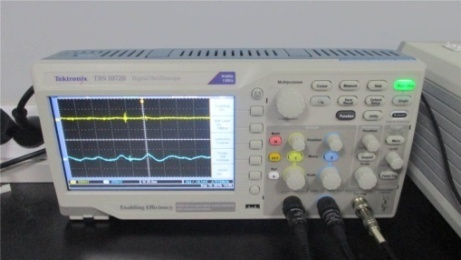
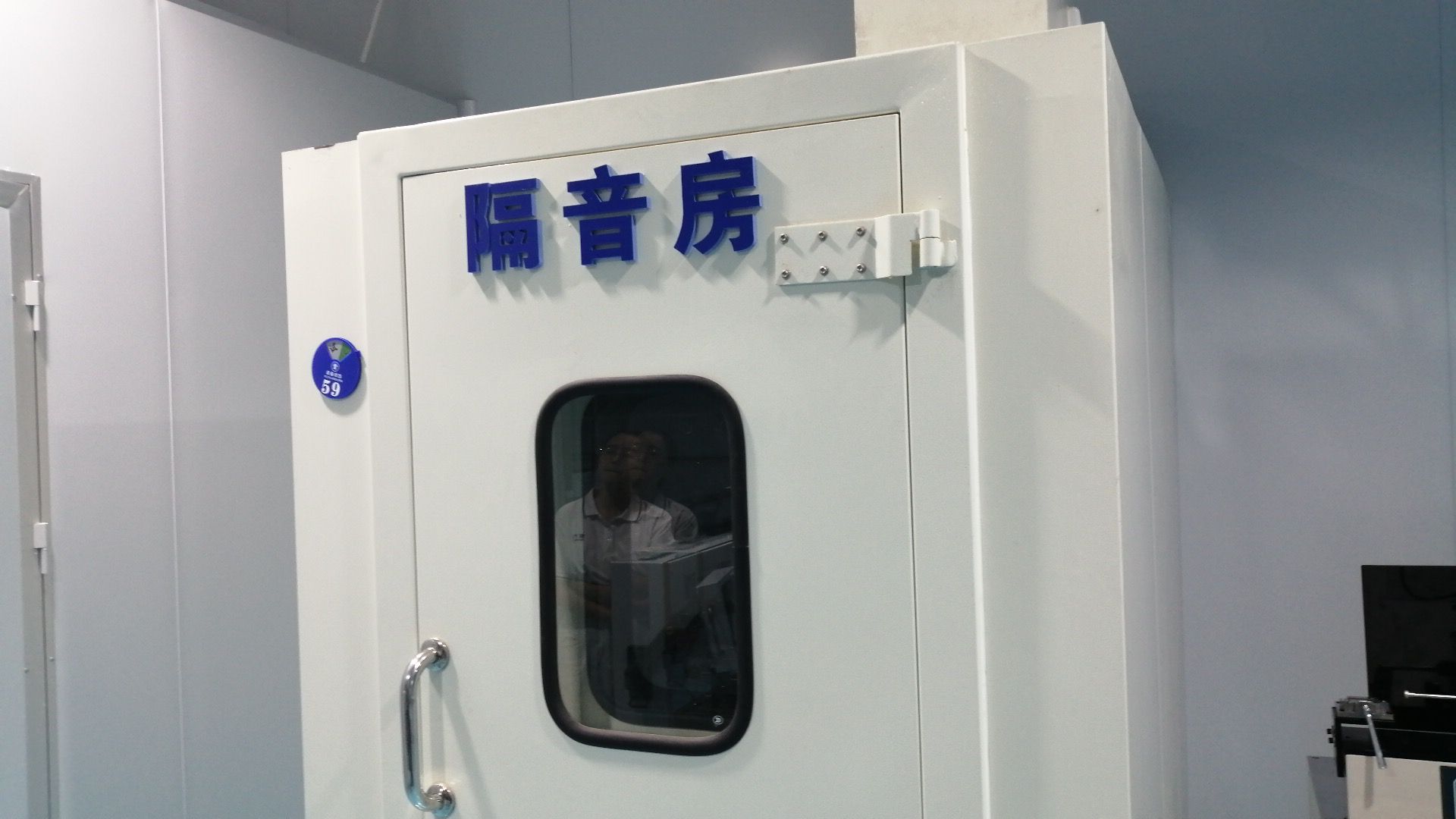
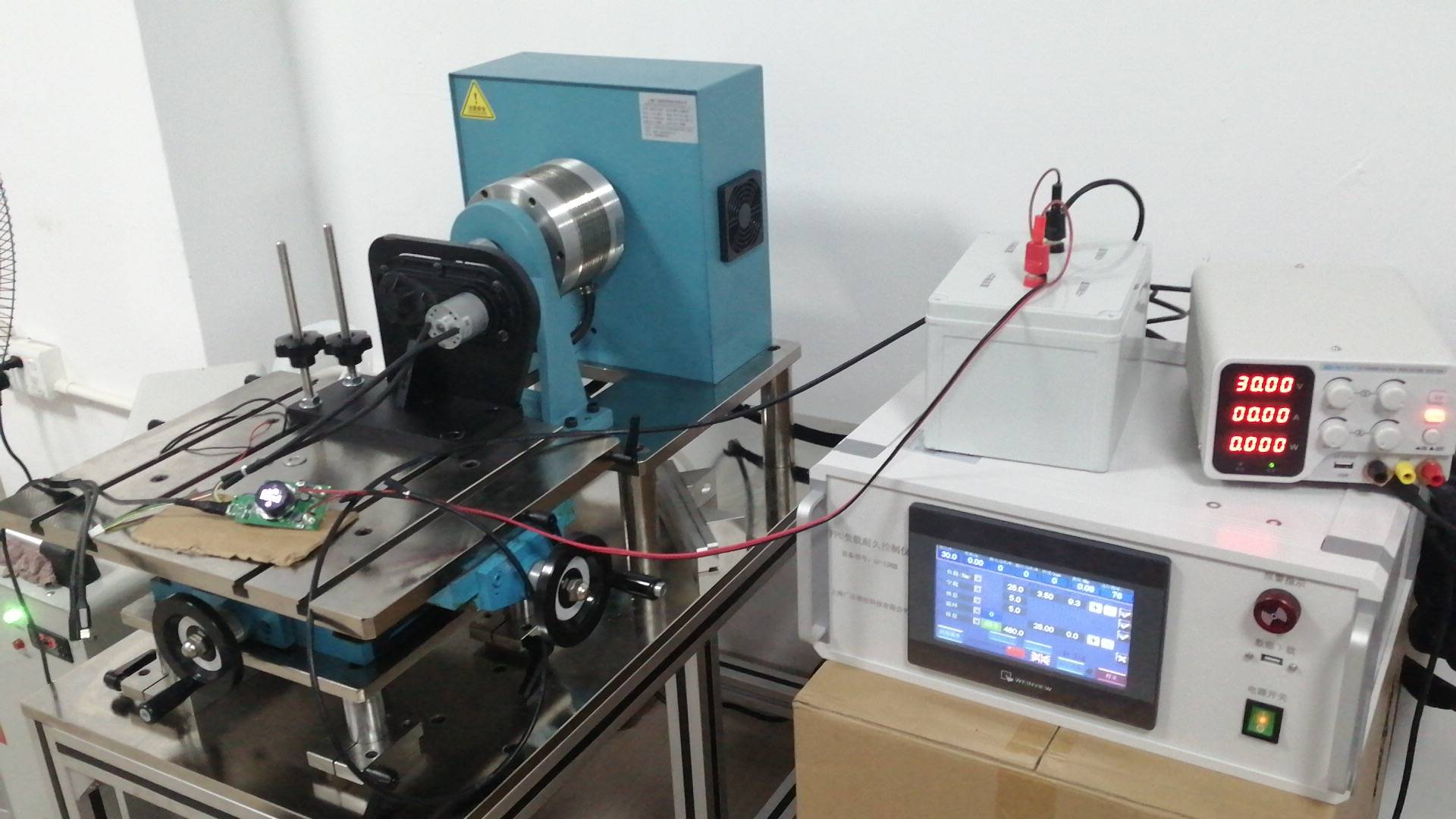
Behind every precision motor is a testing regimen designed to simulate years of continuous field operation. Before any design enters mass production, it undergoes rigorous environmental screening inside our state-of-the-art testing facility. This ensures reliable operation across wide temperature ranges, high-humidity environments, and high-vibration applications.
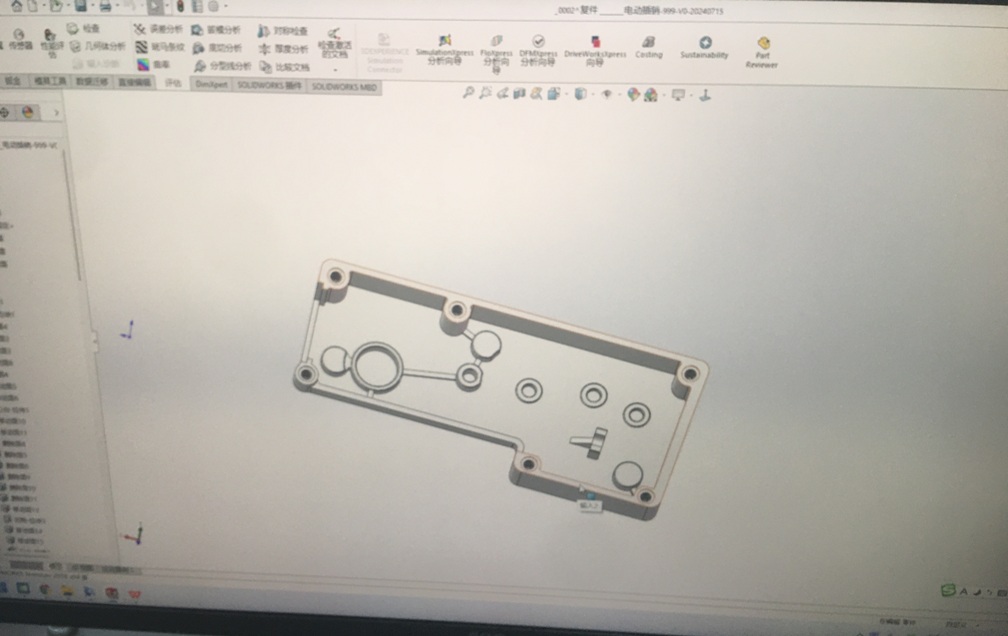
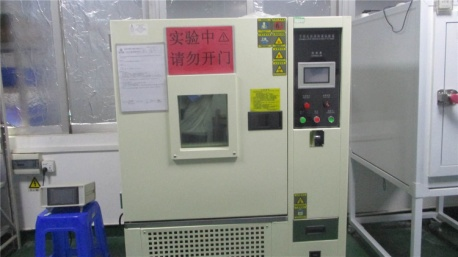
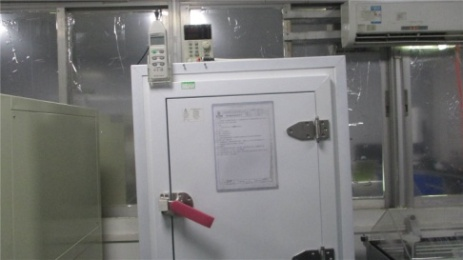
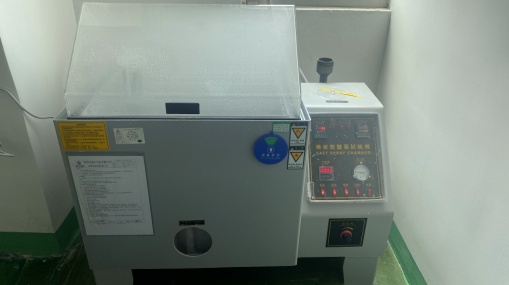
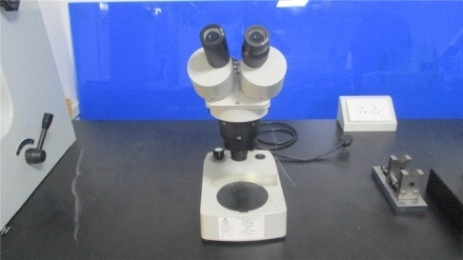
No motor leaves Syncdrive Motor without passing inspection. Our Quality Control department utilizes advanced mechanical and electrical diagnostic tooling.
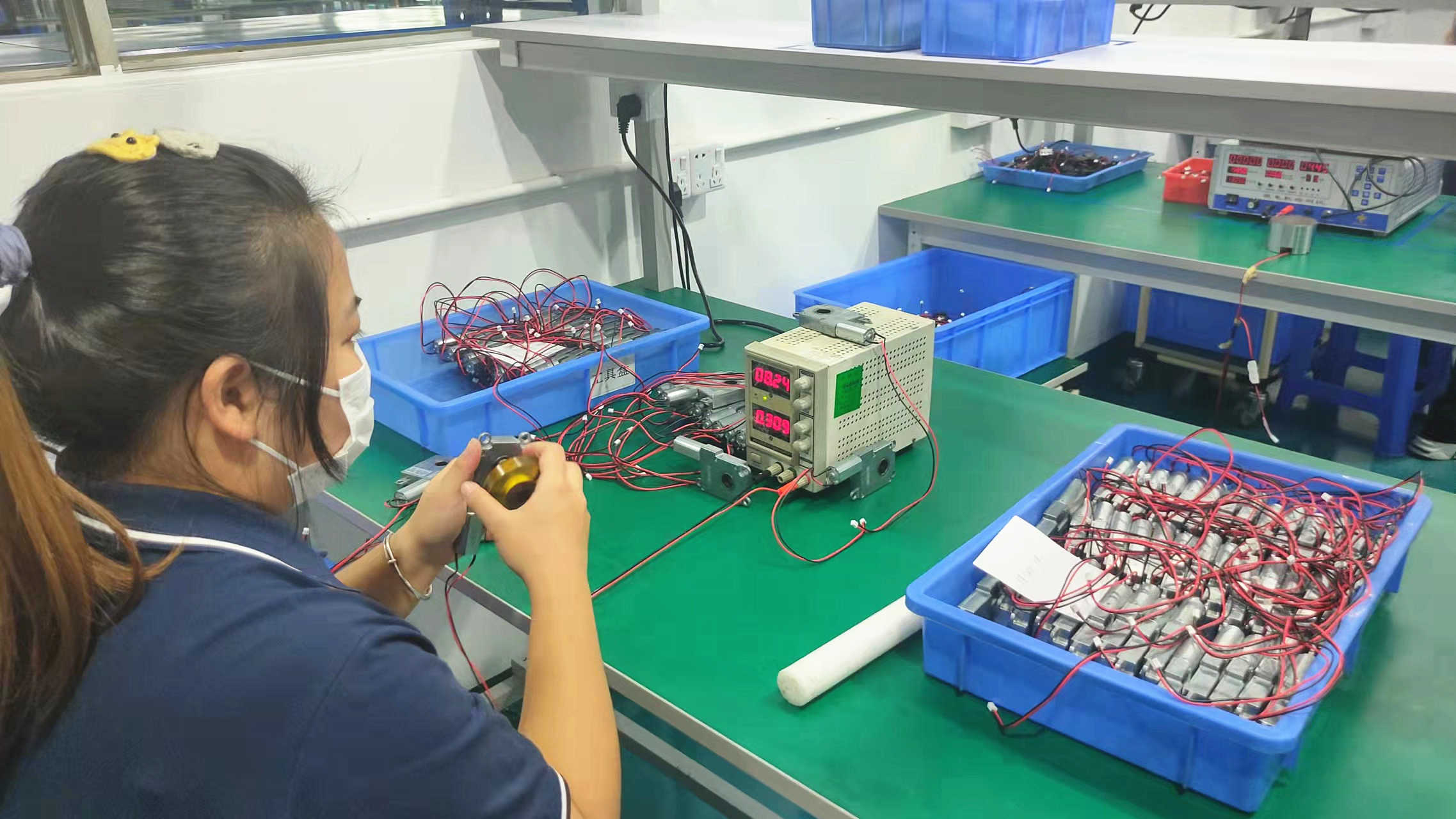
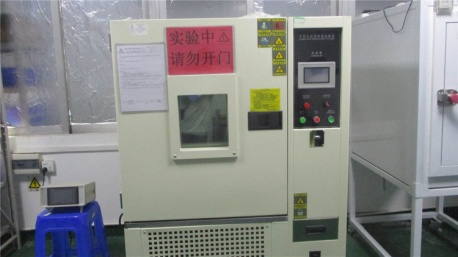
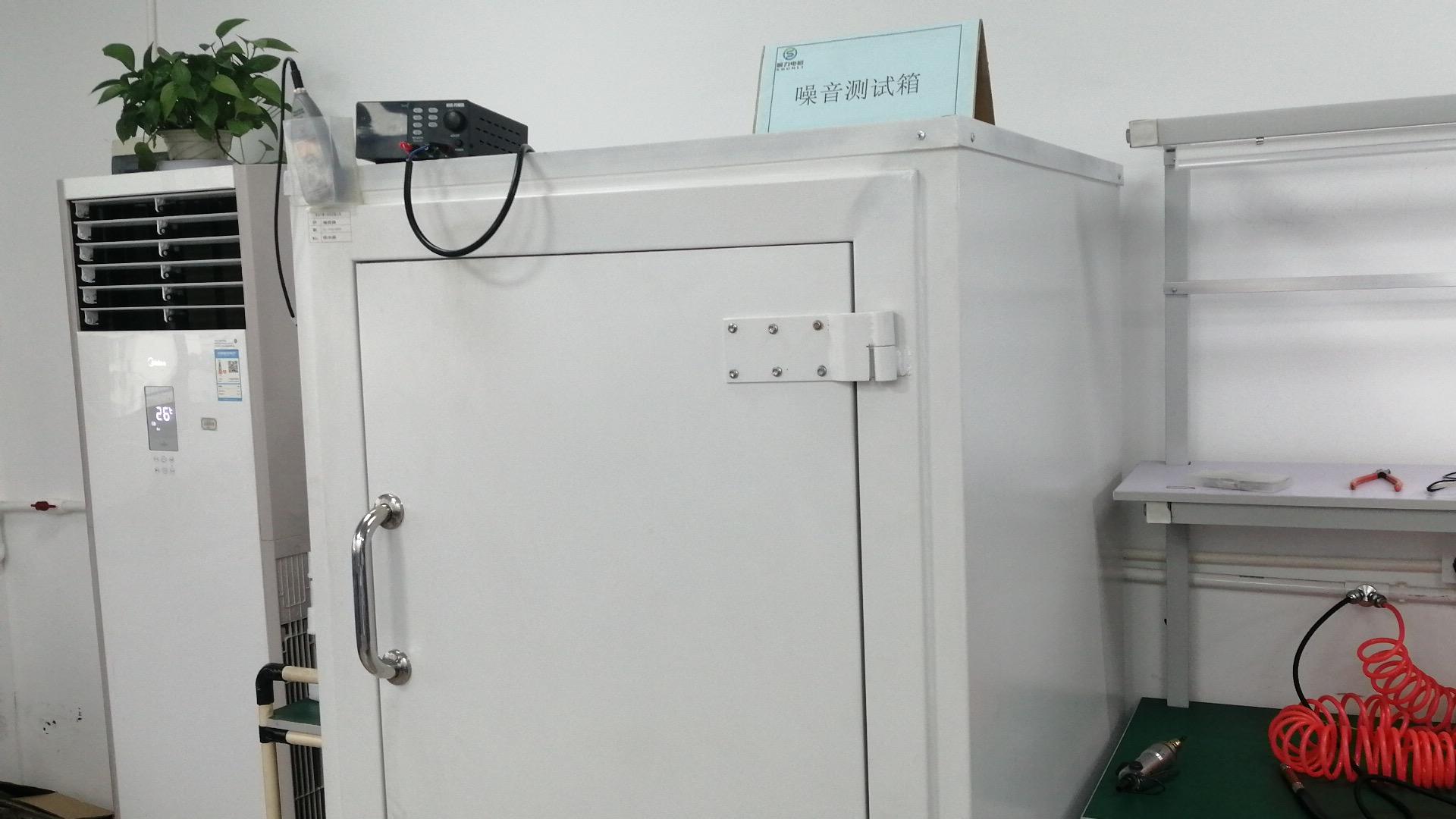
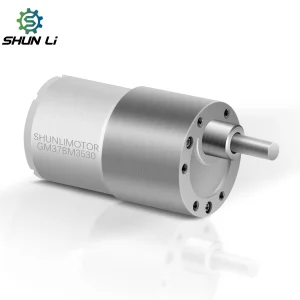
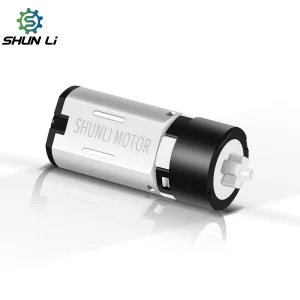
Geared stepper and micro DC motors are used across diverse industrial and consumer niches. Adapting the mechanical mounting, shaft output configuration, gear profile, and wiring interface to the specific environment is critical for optimal system performance.
Surgical robotic arms, automatic infusion pumps, and clinical diagnostics equipment require silent, reliable operation. Our miniature planetary gearboxes (such as the 10mm and 12mm lines) deliver the required micro-step precision and continuous performance under tight form factors.
From LiDAR rotation modules to robotic joints, torque density and backlash control determine accuracy. The pairing of low-RPM brushless motors with planetary reductions creates compact actuators capable of high operational reliability.
Electric smart locks, automated window treatments, and high-end kitchen appliances use micro speed-reduction gearboxes to drive mechanical linkages smoothly, combining compact sizing with minimal acoustic signatures.
To assist engineering teams in product selection, the table below highlights standard characteristics across our three primary gear motor configurations:
| Gearbox Architecture | Standard Ratio Range | Backlash Range | Maximum Efficiency | Typical Sourced Applications |
|---|---|---|---|---|
| Planetary Gearbox | 4:1 to 1000:1 | < 1.5° (Customizable to 0.5°) | 85% - 90% | Surgical pumps, robotics, optical focus systems |
| Worm Gearbox | 10:1 to 300:1 | Self-locking mechanism | 50% - 65% | Valve controls, linear actuators, automotive seats |
| Spur / Shaded Pole | 5:1 to 500:1 | < 2.5° | 70% - 80% | Ovens, kitchen appliances, vending mechanisms |
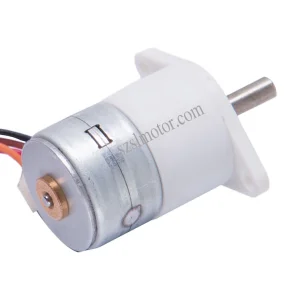
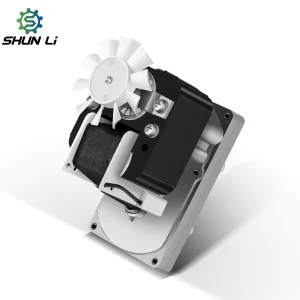
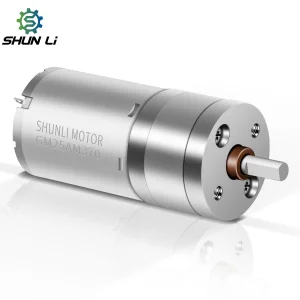
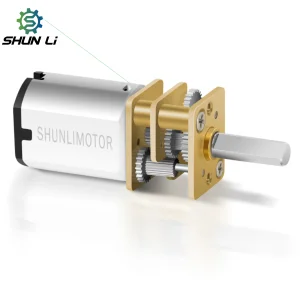
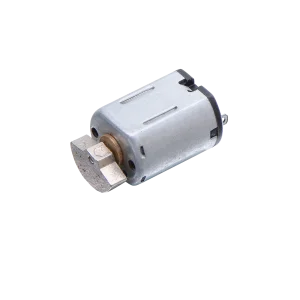
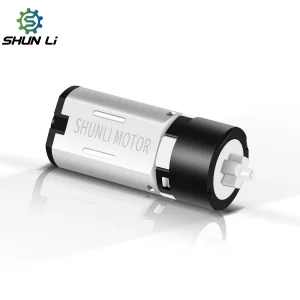
Explore our specialized, low-RPM, high-torque micro-gear assemblies, and custom vibrational motors.
The manufacturing sector is seeing a shift toward decentralized intelligence. Brushless DC and geared stepper motor designs now regularly incorporate integrated motor drives and communication chipsets (supporting EtherCAT, CANopen, or Modbus protocols). This integration reduces cabling bulk and simplifies assembly inside complex systems like industrial robotic cells or automated logistics centers.
Additionally, material science advancements are altering gearhead construction. While sintered iron and hardened steel remain standard for high-torque applications, engineering plastics such as polyoxymethylene (POM) and polyether ether ketone (PEEK) are utilized in applications requiring minimal weight and ultra-low noise profiles. Finding the right balance between plastic and metal gears inside a planetary gear stage is a key part of our custom engineering consultations.
For technical procurement managers, specifying a motor goes beyond basic power values. To ensure long-term reliability in the field, we suggest checking the following items:
Answers to key technical questions from engineering, design, and purchasing teams.
 Syncdrive Motor