Syncdrive Motor
Industrial Gear Motors: The Global Technological & Commercial Landscape
The global demand for high-efficiency mechanical transmission has grown exponentially. Across industries such as medical machinery, warehouse logistics, agricultural automation, and consumer appliances, the primary goal remains identical: translating rotational energy into precision torque. However, modern systems require far more than standard raw rotation; they demand micro-precision, noise management, thermal efficiency, and communication capabilities with automated networks.
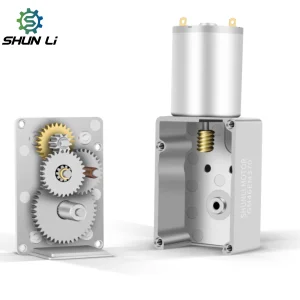
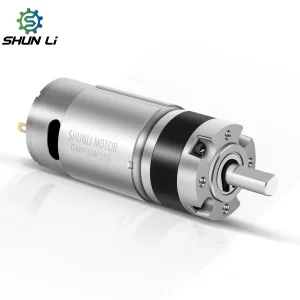
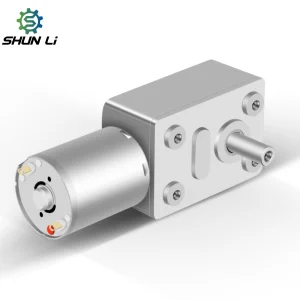
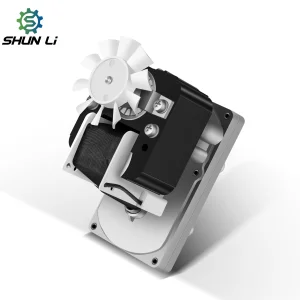
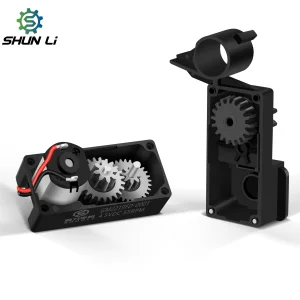
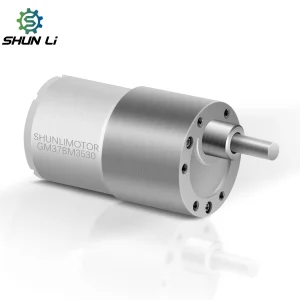
In this dynamic marketplace, selecting between Spur, Worm, and Planetary gearboxes is a critical design decision:
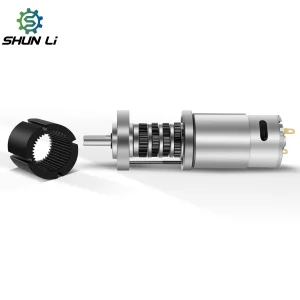
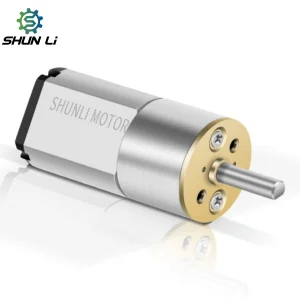
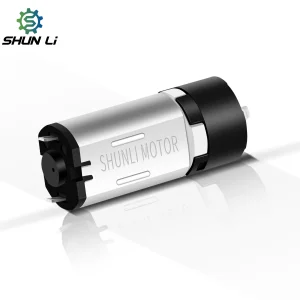
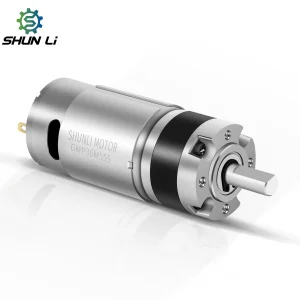
- Planetary Gearboxes: Offer the highest torque density and coaxial shaft alignment, making them perfect for compact robotic joints, precise medical pumps, and dynamic positioning systems.
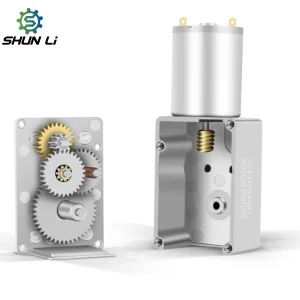
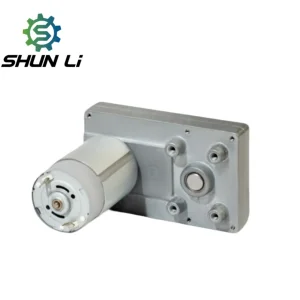
- Worm Gearboxes: Renowned for their right-angle shaft configurations and self-locking capabilities. They are widely utilized in heavy mixers, vending machine dispensers, and conveyor drives where backward movement must be prevented mechanically.
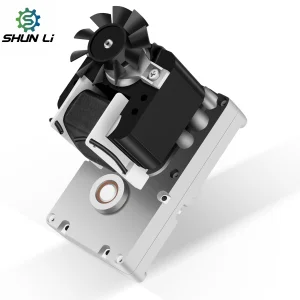
- Shaded Pole AC Motors: Excel in applications demanding steady, continuous torque, such as wood pellet stove feeders, fans, and boilers, offering long service lives spanning up to 25,000 hours of continuous operation.
Advanced Tech Roadmap & Engineering Evolution
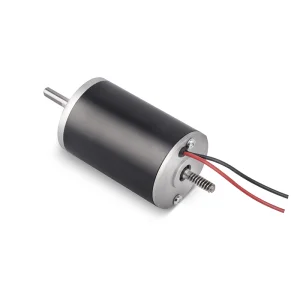
The industrial drive landscape is moving rapidly toward brushless DC (BLDC) integration and smart sensor systems. By removing physical brushes, BLDC gear motors eliminate mechanical friction wear and electrical sparking, allowing for higher RPM capabilities and superior thermal management. Our tech roadmap prioritizes the development of integrated hall-sensor feedback loops and electromagnetic braking modules, allowing engineers to program precise positioning, speed profiles, and torque limits directly at the drive level.
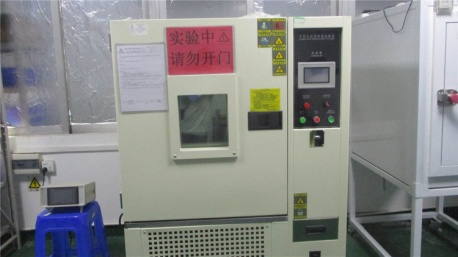
Additionally, material science advances are allowing us to implement advanced heat dissipation coatings and specialized low-viscosity synthetic lubricants. This enables our gear motors to operate under extreme temperature ranges (from -40°C to +85°C) without suffering seal degradation or lubricant separation, which are the leading causes of premature gearbox failures in field installations.