In today's industrial landscape, the Variable Speed Gear Motor plays a crucial role. This innovative device allows for precise speed control in various applications. Dr. Angela Hayes, a leading expert in motor technology, states, "Variable Speed Gear Motors are revolutionizing efficiency in mechanical systems." Her insights emphasize the importance of flexibility and control.
Variable speed gear motors combine power and versatility. They adapt to different tasks by modifying speed output seamlessly. This capability enhances productivity in manufacturing, transportation, and robotics. Many industries rely on these motors for optimal performance. A well-designed system can lead to significant energy savings.
However, choosing the right Variable Speed Gear Motor poses challenges. Each application requires careful consideration of torque, speed range, and system compatibility. Users must also evaluate maintenance needs and lifespan expectations. Addressing these complexities is vital for gaining maximum benefits. Exploring the intricacies of Variable Speed Gear Motors ensures informed decisions.
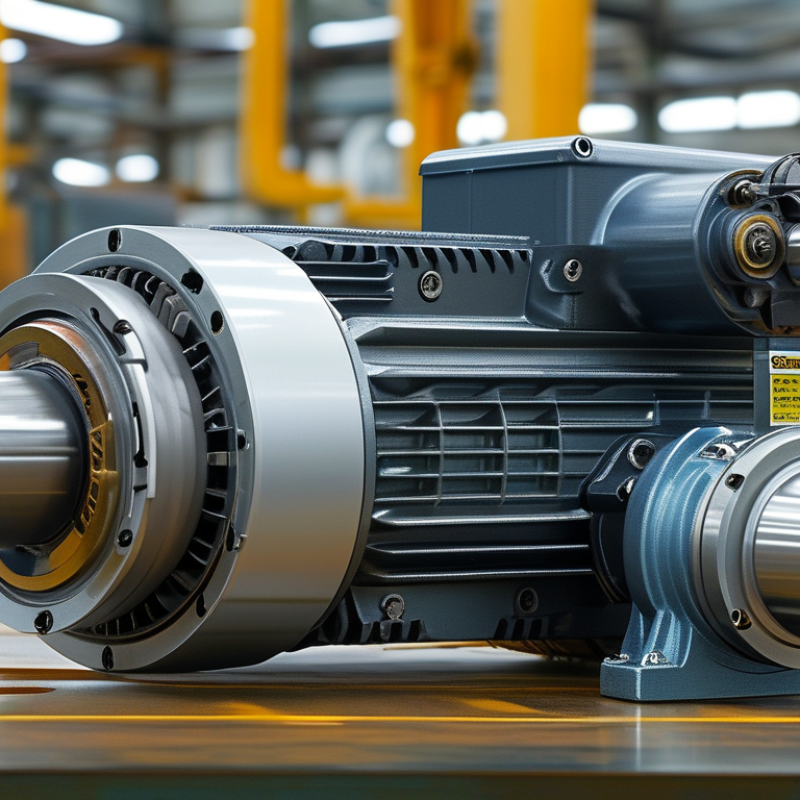
Variable speed gear motors are essential components in various industrial applications. They provide adjustable speed control, enabling machines to operate efficiently. These motors combine a standard electric motor with a gearbox that allows for speed modulation. Users can fine-tune operational speed to meet specific requirements, enhancing productivity.
The functionality of variable speed gear motors lies in their ability to change output speed while maintaining torque. This is achieved through electronic controls or mechanical adjustments. For example, in conveyor systems, varying the speed can optimize material handling. However, the process can be complex and requires careful calibration. Users may face challenges in understanding the best settings for their applications.
In practical terms, the integration of variable speed gear motors can lead to significant energy savings. Many motors allow for dynamic adjustments in response to load changes, preventing waste. Yet, it is crucial to monitor performance regularly. Over time, wear and tear can affect their efficiency. Regular maintenance is needed to ensure they function correctly and reliably.
Variable speed gear motors are crucial for applications requiring precise control of speed and torque. Understanding the key components is essential to grasp their functionality. The primary elements include the motor, gear assembly, and a control system. The motor converts electrical energy into mechanical energy, while the gear assembly alters the motor's output speed and torque. A well-designed gear system can significantly enhance efficiency, often exceeding 90% in optimal conditions.
Another vital component is the control system, often using variable frequency drives (VFDs) or servo controllers. These systems allow for the adjustment of speed based on real-time needs. Industry reports indicate that the global variable speed drive market is projected to grow by 7.3% annually, highlighting the increasing demand for energy-efficient systems.
Avoid oversizing your motor. An oversized system not only reduces efficiency but also leads to excessive energy consumption. Monitoring the load requirements is crucial. Additionally, consider the environmental factors that could impact performance. Installation methods and maintenance play a significant role in longevity. Regular checks on gear wear and lubrication reduce unexpected downtimes. Understanding these components is vital for any operator seeking reliable performance.
Variable speed gear motors are vital components in various industries, enabling precise control over speed and torque. They come in several types, each designed for specific applications. One prevalent type is the direct current (DC) variable speed gear motor, which offers smooth speed adjustments. These motors are widely utilized in robotics and conveyor systems.
Another common type is the alternating current (AC) variable speed gear motor, known for its durability and efficiency. Studies indicate that AC motors can achieve up to 90% efficiency, making them a preferred choice for industrial automation. Additionally, the brushless DC variable speed gear motor is gaining traction due to its reliability and low maintenance needs. According to industry reports, brushless motors have a lifespan that is 30% longer than traditional brushed motors, highlighting their economic advantages.
In practice, choosing the right variable speed gear motor entails understanding the specific requirements of the application. Not every motor suits every scenario, necessitating a careful evaluation of performance metrics and operational conditions. Furthermore, the initial cost of these motors can be significant. Operators must consider long-term savings against upfront investment, which requires thorough analysis.
Variable speed gear motors are gaining traction across various industries due to their unique versatility. They enable precise speed control, which is essential in applications like conveyor systems and automotive manufacturing. Reports from industry analysts indicate that the variable speed drive market could reach $22.03 billion by 2028, reflecting a robust demand for such solutions.
In manufacturing, these motors optimize energy consumption and reduce operational costs. A report by the U.S. Department of Energy mentions that variable speed motors can improve energy efficiency by 20-50% compared to traditional motors. This efficiency translates into significant savings, especially with the rising energy costs. Industries that utilize these advanced solutions find the initial investment worthwhile, allowing for rapid returns over time.
Moreover, the adaptability of variable speed gear motors makes them suitable for diverse environments. They can meet specific output speed and torque requirements. Their ability to minimize wear and tear also extends machinery lifespan. Often, however, companies grapple with integration challenges, thereby needing thorough assessments before implementation. Balancing initial costs with long-term gains can be tricky, demanding careful consideration and strategic planning.
Variable speed gear motors are essential in various industrial applications, providing flexible control over speed and torque. These motors operate by adjusting the input voltage or frequency, allowing operators to modify performance. By changing these parameters, users can precisely tailor the output to meet specific operational needs.
Common methods for controlling variable speed gear motors include pulse width modulation (PWM) and variable frequency drives (VFD). PWM helps regulate the amount of power supplied, effectively changing the motor speed. VFD, on the other hand, alters the frequency of the electrical supply, which directly impacts motor rotation speed. Both methods offer advantages in efficiency and energy savings.
However, adjusting these motors is not always straightforward. Users may encounter issues when trying to fine-tune performance. Calibration often requires experience and a good knowledge of the system. In many cases, trial and error is necessary, which can lead to suboptimal performance if not addressed. Understanding the intricacies of variable speed gear motors is vital for ensuring they function effectively within a given application.
| Feature | Description | Common Applications | Control Methods |
|---|---|---|---|
| Speed Range | Typically adjustable from a few RPM to several hundred RPM | Conveyors, mixers, and fans | Variable frequency drives (VFDs), PWM control |
| Efficiency | High efficiency due to optimized gear ratios | Packagers, elevators, and automotive applications | Direct control via PLCs, feedback control systems |
| Torque | Provides high torque at low speeds | Material handling, robotics, and winding machinery | Analog control signals, digital controllers |
| Maintenance | Generally low maintenance with proper installation | Industrial automation, HVAC systems | Remote monitoring and diagnostics |
: The main components are the motor, gear assembly, and control system. Each plays a crucial role in functionality.
The motor converts electrical energy into mechanical energy, enabling movement and torque changes.
The gear assembly modifies the output speed and torque, enhancing efficiency significantly.
Common systems include variable frequency drives (VFDs) and servo controllers for speed adjustments.
Avoid oversizing the motor and regularly check gear wear. Monitoring load requirements is essential.
Fine-tuning may involve trial and error. Calibration requires experience, which can lead to frustrations.
An oversized motor reduces efficiency and increases energy consumption, impacting operational costs.
Environmental conditions can impact performance, requiring consideration during operation and installation.
Regular maintenance prevents unexpected downtimes and ensures the longevity of the system.
Pulse width modulation (PWM) and variable frequency drives (VFD) are common methods for speed control.
A Variable Speed Gear Motor is a versatile device that combines a gear system with a motor, allowing for adjustable speed and torque output. These motors are designed to enhance the functionality of machinery by providing precise control over movement. The key components include the motor, gears, and control systems, which work together to optimize performance in various applications.
The different types of Variable Speed Gear Motors cater to specific operational requirements, making them suitable for diverse sectors such as manufacturing, robotics, and transportation. Advantages of using these motors include improved efficiency, reduced energy consumption, and enhanced control over mechanical systems. Their control and adjustment mechanisms can vary, but often include electronic controllers or manual settings that enable users to fine-tune speed and performance according to task demands.

Syncdrive Motor