In today's industrial landscape, the demand for efficient and compact solutions is rising. The DC Worm Gear Motor plays a crucial role in this evolution. Renowned for their high torque and precise control, these motors cater to various applications. They are used in robotics, automation, and more, showcasing their versatility.
Selecting the right DC Worm Gear Motor involves understanding various specifications and features. Buyers often face challenges in identifying reliable suppliers. Quality variations can impact performance and lifespan. This complexity can lead to uncertainty in purchasing decisions. However, in-depth research can provide clarity.
Several top manufacturers have established themselves in the global market. They offer tailored solutions to meet diverse needs. Exploring these options is essential for informed choices. Recognizing the importance of expert guidance can enhance purchasing outcomes. Engaging with knowledgeable suppliers fosters trust and ensures better alignment with project requirements.
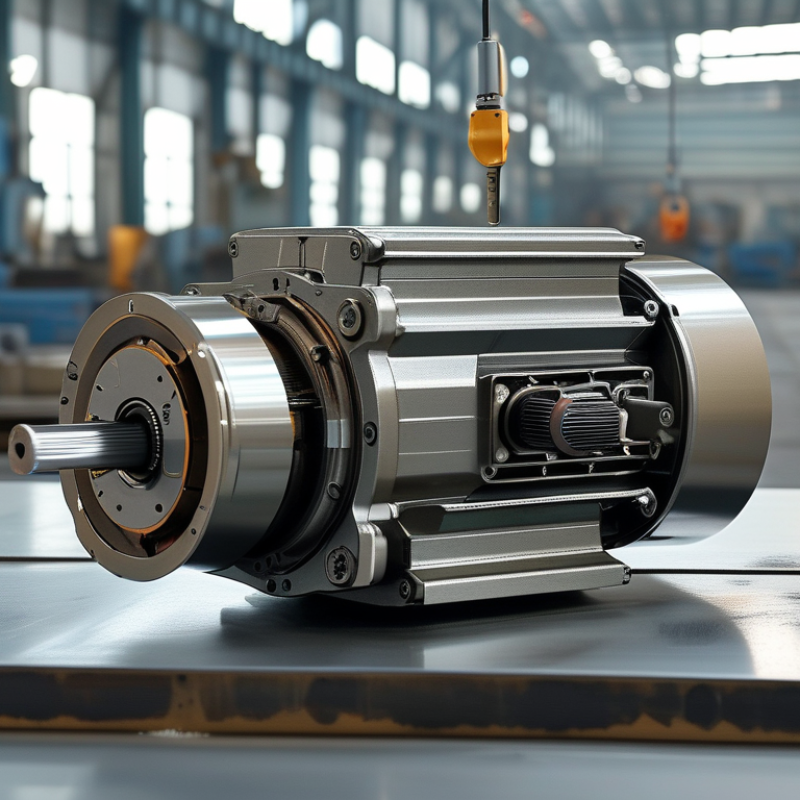
The global market for DC worm gear motors has seen significant growth, driven by various industrial demands. Research indicates that the market was valued at approximately $1.5 billion in 2022, with projections suggesting a compound annual growth rate (CAGR) of 4.7% through 2030. This growth reflects the increasing application of worm gear motors in robotics, automation, and renewable energy sectors.
Several manufacturers are emerging as leaders in this space. They specialize in producing high-efficiency, low-noise DC worm gear motors that meet the rigorous demands of modern engineering. The push for automation in manufacturing and the rise of electric vehicles create a pressing need for reliable motor solutions. As a result, these manufacturers are investing in R&D to enhance product performance and durability.
Despite this positive outlook, some challenges persist. Quality consistency remains a concern, as variances in production processes can impact performance. Additionally, the increasing demand for customization can complicate manufacturing timelines. Addressing these issues will be crucial for maintaining competitive advantages in the global market. Overall, the landscape for DC worm gear motors presents both opportunities and hurdles for manufacturers looking to thrive.
DC worm gear motors are essential components in many industrial applications. They offer unique features, such as high torque output and compact design. According to recent reports, the global DC motor market is expected to grow by 6% annually, driven largely by the rising demand in automation and robotics.
One significant benefit of DC worm gear motors is their capacity for reducing speed while increasing torque. This characteristic makes them ideal for driving heavy loads in tight spaces. The efficiency of these motors allows for energy savings, contributing to lower operational costs. Industry studies indicate that applications leveraging worm gear motors can experience a 30% reduction in energy consumption compared to traditional gear systems.
Moreover, durability and reliability are key advantages. Worm gear systems have fewer moving parts, which minimizes wear and tear. However, challenges remain. Users may face issues related to heat generation and lubrication requirements. Addressing these concerns through regular maintenance is crucial for optimal performance. Making informed decisions based on a thorough understanding of these factors can lead to better outcomes in motor selection.
DC worm gear motors play a vital role in many industries. These motors deliver high torque with compact designs. They find applications in manufacturing, automotive, and robotics. In manufacturing, DC worm gear motors drive conveyors and robotic arms. They ensure precise movements for assembly lines.
In the automotive sector, these motors are used in power seats and window mechanisms. Their ability to convert rotational motion into linear makes them invaluable. Robotics applications also benefit from their smooth operation. They help in navigation systems and robotic movements.
Despite their advantages, users must consider efficiency. Over time, wear and tear may affect performance. Regular maintenance is essential to address potential issues. Users should be mindful of load specifications. Under or overloading can lead to failures. Understanding these factors enhances the longevity and efficiency of DC worm gear motors.
Selecting a DC worm gear motor involves multiple considerations. Efficiency is crucial. The torque and speed requirements should match the specific application. Often, buyers overlook how mounting configurations can affect performance. It's essential to evaluate the space constraints in your design.
Material quality plays a vital role in durability. Consider the environment where the motor will operate. Will it face humidity, heat, or dust? These conditions can accelerate wear and tear. Additionally, check lubrication types; some require more maintenance than others.
Moreover, noise levels can be a concern for many applications. Some motors are designed to operate quietly, while others generate noticeable sound. Be wary of the trade-offs between performance and noise. Recognizing these factors ensures you make informed choices when sourcing DC worm gear motors.
In recent years, DC worm gear motors have gained significant attention in various industries. Their unique design makes them ideal for applications requiring high torque and smooth operation. Manufacturers are focusing on enhancing efficiency and minimizing energy consumption. This shift aligns with the growing demand for sustainable solutions across different sectors.
Innovations in materials science also play a crucial role. Lightweight composites are now popular, improving motor performance without adding bulk. These advances allow for more compact designs that fit in tighter spaces. Additionally, advancements in microcontroller technologies enable precise speed and position control. This leads to greater adaptability in automation systems.
Despite these improvements, challenges persist. Some motors still suffer from heat management issues, impacting their longevity. There’s room for better integration of smart technology. As the market evolves, continuous feedback from real-world applications is essential. Collectively, these efforts will pave the way for more reliable and efficient DC worm gear motors.
: The market is driven by industrial demands, particularly in robotics and renewable energy.
The market was valued at approximately $1.5 billion.
The projected CAGR is 4.7% through 2030.
Quality consistency and customization demands complicate manufacturing timelines.
They improve motor performance without adding bulk, allowing for compact designs.
Innovations in microcontroller technology provide precise speed and position control.
Some motors experience heat management issues, affecting their longevity.
Continuous feedback is essential for improving reliability and efficiency in motors.
They aim to enhance efficiency and reduce energy usage in their designs.
Yes, but manufacturers must address integration of smart technology and heat management.
The article explores the significance of DC Worm Gear Motors in the global marketplace, highlighting leading manufacturers and their innovative solutions. It outlines key features and benefits, such as high torque output and efficient power transmission, which make DC Worm Gear Motors ideal for various applications across industries, including robotics, automotive, and manufacturing.
Furthermore, the article emphasizes essential factors to consider when selecting a DC Worm Gear Motor, such as load requirements and operational speed, while also discussing the latest trends and technological advancements shaping the future of these motors. As industries continue to evolve, understanding the capabilities and applications of DC Worm Gear Motors is crucial for buyers looking to enhance their operations with efficient and reliable solutions.

Syncdrive Motor