How to Choose the Right DC Motor for Your Application?

Time:2026-07-10 Author:Sophia
0%

Choosing the right DC motor for your application is crucial. A suitable motor can enhance performance and efficiency. Each application has unique requirements. Selecting a motor often feels overwhelming. Key factors include load, speed, and voltage.

Understanding the characteristics of DC motors is essential. They come in various sizes, designs, and power ratings. It’s vital to match these specifications to your project needs. You might find that even small changes in design affect performance. Testing different models can provide insights into the best fit.

Remember, mistakes in selection can lead to inefficiencies. A wrong choice may increase energy consumption or compromise functionality. Take time to evaluate your needs critically. Seeking advice from experts can help. Their experience can guide you in making an informed decision. Adjusting your selection process is often necessary for better results. A reflective approach will improve your chances of success.
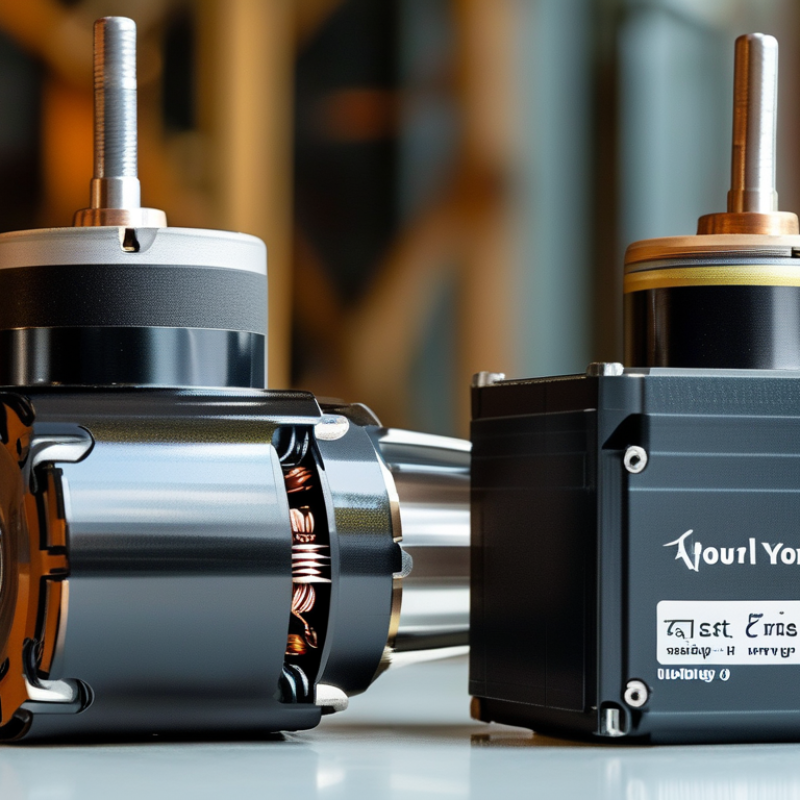
How to Choose the Right DC Motor for Your Application?

Understanding Basic Types of DC Motors and Their Characteristics

When selecting a DC motor for an application, understanding the basic types and their characteristics is essential. The two main types are brushed and brushless DC motors. Brushed motors have simple construction, which allows for easy control. They offer high torque at low speeds, making them suitable for various applications, such as toys or small machinery. However, they require regular maintenance due to wear on the brushes.

On the other hand, brushless DC motors are more efficient and have longer lifespans. They use electronic controllers, which eliminate the need for brushes. This design leads to quieter operation and better performance in high-speed applications. Brushless motors often find their place in drones and medical devices where precision is crucial. However, they come with a higher initial cost and complexity in setup.

Navigating the selection process can be tricky. Often, users might not consider factors like load requirements and environmental conditions. Evaluating these aspects can significantly affect the motor's performance. A motor may excel in one environment but struggle in another. It's crucial to address these considerations to avoid costly mistakes.

Evaluating Voltage and Power Requirements for Your Specific Application

When selecting a DC motor for your application, understanding voltage and power requirements is crucial. A motor's voltage rating indicates its operational efficiency. Choosing a voltage that matches your system ensures optimal performance. Too low voltage can lead to underperformance. Conversely, excessive voltage may damage the motor. Each application requires a careful assessment to align voltage with the load it needs to carry.

Power requirements also play a significant role. Calculate the wattage needed based on torque and speed. It’s common to underestimate power needs, leading to motor failure. Consider the application environment, as factors like temperature can affect motor performance. Montoring these aspects is key to achieving desired results. A nuanced understanding of these parameters empowers informed decisions. Ideally, consult with experts if you're unsure, as misconceptions can be costly.

Assessing Torque and Speed Characteristics for Optimal Performance

Choosing the right DC motor requires careful assessment of torque and speed characteristics. Understanding these factors ensures optimal performance for your application. Torque is the rotational force needed to perform a task. It’s crucial to match the motor’s torque to your equipment’s requirements. Too little torque can lead to underperformance, while excessive torque may cause damage.

When evaluating speed, consider how quickly the motor can reach its target RPM. Higher speeds can improve efficiency but may compromise torque. Strike a balance based on the specific needs of your project. Knowing the operating conditions is essential. Environmental factors, such as temperature and humidity, impact motor performance.

Tips: Always calculate the required torque before selecting a motor. Experimenting with different models can also provide valuable insights. Don't overlook the importance of a reliable power supply. An unstable power source can affect performance consistency. Remember that each application has unique needs. Take time to analyze different scenarios thoroughly before making a commitment. Motor selection is not just about numbers; it’s about understanding the full context of your application.

Torque vs. Speed Characteristics of DC Motors

Selecting the Right Motor Controller for Efficiency and Control

Selecting an appropriate motor controller significantly impacts efficiency and control in your application. Various types of motor controllers exist, each offering distinct advantages. Pulse Width Modulation (PWM) controllers are common for their efficiency in speed regulation, utilizing an average voltage to control motor speed effectively. Research from the Electric Power Research Institute shows that PWM can boost efficiency by 20% compared to older methods.

When choosing a motor controller, consider the thermal management. Overheating can lead to reduced performance or failure. Reports indicate that nearly 40% of motor failures are due to overheating issues. Ensure the controller has adequate heat dissipation features. Another factor is the control method. Some applications benefit from closed-loop control for precise speed and torque adjustments. Studies indicate that closed-loop systems can improve responsiveness by 30% over open-loop systems, providing tighter control in dynamic environments.

It's important to reflect on the specific requirements of your application, including load variations and desired response times. Assessing these needs may reveal that the optimal controller isn't always the most advanced one available. Industry data suggest that a well-matched controller can often outperform a high-end option, highlighting the importance of careful selection based on application specifics rather than brand reputation or perceived performance.

Considering Environmental Factors and Operational Durability in Selection

When selecting a DC motor, environmental factors are crucial. Motors operate in various conditions, which can impact their performance and durability. For instance, humidity levels can affect electrical connections. Dust and dirt may cause overheating. According to industry reports, about 30% of motor failures are attributed to environmental stresses.

Operational durability is equally important. Motors need to withstand vibrations and temperature extremes. A study indicated that motors exposed to high temperatures have a decreased lifespan. Additionally, proper seals can mitigate the negative effects of moisture and particles. Yet, too much sealing can impede cooling, leading to another set of challenges.

Choosing the right motor involves balancing these factors. An understanding of applications helps in making informed choices. Factors like load type, cycle frequency, and even potential corrosive elements should be assessed. Small oversights can lead to failures. The right approach combines experience with technical knowledge, leading to optimized solutions.

How to Choose the Right DC Motor for Your Application?

Motor Type Voltage (V) Current (A) Speed (RPM) Torque (Nm) Operating Temperature (°C) Environment Rating Application
Brushed DC Motor 12 2 3000 0.5 -20 to 50 IP20 Robotics
Brushless DC Motor 24 1.5 4000 0.8 -30 to 70 IP54 Drones
Coreless DC Motor 3.7 0.5 9000 0.2 -20 to 60 IP30 Model Vehicles
Step DC Motor 12 1.2 1500 0.4 -10 to 50 IP20 CNC Machines

FAQS

: Why is understanding voltage crucial when selecting a DC motor?

: Voltage ratings indicate operational efficiency. Matching voltage to the system ensures optimal motor performance and prevents damage.

What happens if I choose a voltage that's too low?

A low voltage can lead to underperformance of the motor, affecting its overall effectiveness in your application.

How do I calculate power requirements for a DC motor?

Calculate wattage needed based on torque and speed. Many underestimate power needs, which can lead to motor failure.

Why is torque important in motor selection?

Torque is the rotational force needed. Matching torque to your equipment’s requirements is essential for optimal performance.

How do environmental factors impact motor performance?

Humidity, dust, and dirt can affect electrical connections and cause overheating, potentially leading to motor failures.

What is the relationship between speed and torque?

Higher speed can improve efficiency but may compromise torque. It's crucial to find a balance for your specific needs.

How do temperature extremes affect motor lifespan?

Motors exposed to high temperatures often have a decreased lifespan, highlighting the need for careful environmental consideration.

What role do seals play in motor selection?

Proper seals can protect against moisture and particles, but over-sealing can impede cooling, leading to new issues.

Why is it important to assess the application environment?

Each application has unique needs, and forgetting environmental aspects can result in performance inconsistencies or failures.

Should I consult experts when selecting a motor?

Yes, consulting with experts helps avoid misconceptions, which can be costly in terms of performance and longevity.

Conclusion

When selecting a DC motor for your specific application, it is crucial to first understand the basic types of DC motors and their characteristics, as this forms the foundation for making an informed choice. Evaluating the voltage and power requirements is essential to ensure that the motor operates efficiently within the desired parameters. Additionally, assessing torque and speed characteristics is vital for achieving optimal performance, as these factors directly impact the operational effectiveness of the motor.

Furthermore, selecting the right motor controller is important for maintaining efficiency and precise control over the motor's function. Lastly, considering environmental factors and the operational durability of the DC motor will ensure long-term reliability and functionality in a variety of conditions. By taking into account these aspects, you can confidently choose a DC motor that best fits your needs and enhances the overall performance of your application.

Sophia

Sophia

Sophia is a dedicated marketing professional with an exceptional depth of knowledge about her company's products and services. With a keen understanding of market trends and customer needs, she crafts insightful blog posts that not only inform but also engage readers, enriching the company’s online......