Top 10 Benefits of Using Electric Gear Motors for Industries?

Time:2026-08-24 Author:Liam
0%

In today's industrial landscape, the importance of efficiency and reliability cannot be overstated. Electric Gear Motors have emerged as crucial components in various machinery and systems, offering significant advantages. Their design integrates electric motors with gear reduction systems, enhancing both power and torque delivery. This combination allows industries to optimize performance while minimizing energy consumption.

Many businesses recognize that Electric Gear Motors provide precise control and dependability. Industries such as manufacturing, food processing, and logistics have increasingly adopted these motors. As a result, they benefit from improved operational flexibility and reduced downtime. However, not all applications may maximize these advantages. Companies must carefully assess their specific needs to ensure optimal use.

Investing in Electric Gear Motors is not without its challenges. Initial costs and the need for proper maintenance can be hurdles. Yet, the long-term benefits often outweigh these concerns. A thoughtfully integrated Electric Gear Motor system can lead to substantial efficiency gains. Given the ever-evolving demands of industrial sectors, these motors will remain vital for future innovations.
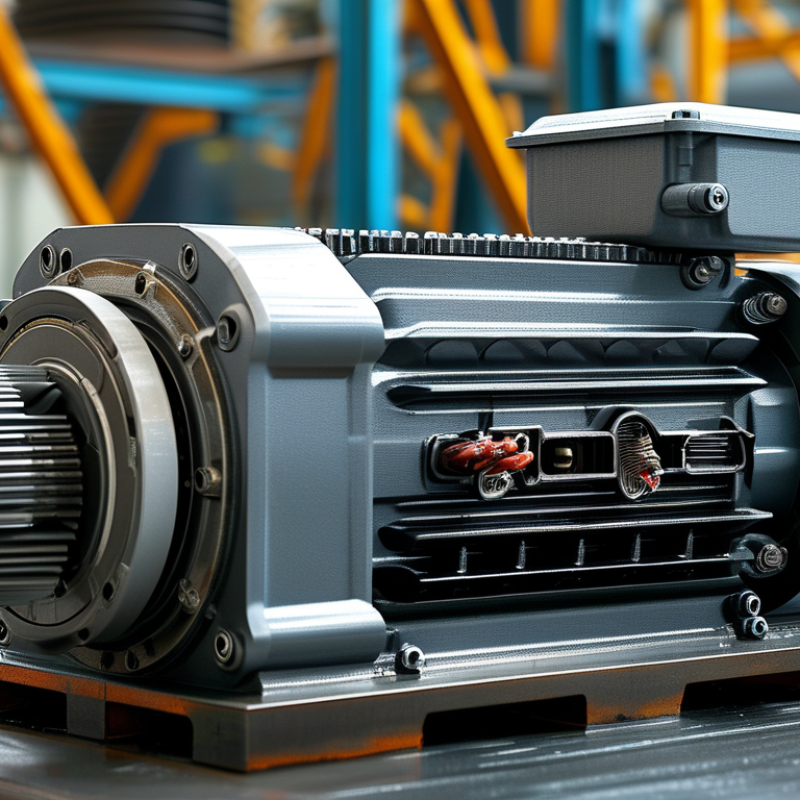
Top 10 Benefits of Using Electric Gear Motors for Industries?

Advantages of Electric Gear Motors in Industrial Applications

Electric gear motors are revolutionizing industrial applications by enhancing performance and efficiency. Their compact design makes them ideal for various spaces. These motors provide high torque while consuming less energy. This makes them suitable for tasks that require consistent and powerful output. Moreover, they have low maintenance needs, which reduces downtime.

Another significant advantage is their ability to operate quietly, making them perfect for environments that require minimal noise. Industries benefit from their durability, which leads to longer service life. This reduces the need for frequent replacements, lowering overall costs. However, not all applications may need electric gear motors. In some cases, traditional systems may still perform adequately. It's essential to evaluate specific needs before choosing the right motor.

Flexibility stands out as another key benefit. Electric gear motors can be customized to fit various specifications. This adaptability can lead to improved operational efficiency. It’s crucial, though, to ensure proper installation and setup. Poor installation can negate the advantages these motors provide. Embracing technology while understanding potential pitfalls is vital for success.

Top 10 Benefits of Using Electric Gear Motors for Industries

Benefit Description
High Efficiency Electric gear motors provide improved energy efficiency compared to traditional motors, reducing operational costs.
Compact Design Their compact size allows for space savings in industrial applications.
Low Maintenance Electric motors require less maintenance compared to their mechanical counterparts, leading to less downtime.
Quiet Operation They operate quietly, making them suitable for environments where noise reduction is important.
High Torque Electric gear motors deliver high torque for demanding applications, enhancing performance.
Versatility They can be used in a variety of applications, from conveyor systems to pumps and fans.
Reliable Performance Electric gear motors are known for their reliable performance, reducing the risk of failures in processes.
Environmental Benefits They produce less pollution and can operate on renewable energy sources, reducing environmental impact.
Precision Control Electric motors offer precise control over speed and torque, essential for modern automated systems.
Safety With fewer moving parts and less risk of overheating, electric gear motors enhance safety in industrial environments.

Enhanced Energy Efficiency with Electric Gear Motors

Electric gear motors are transforming the industrial landscape with their enhanced energy efficiency. These motors combine electric drive with a gear mechanism, leading to improved energy consumption. They convert electrical energy into mechanical power with minimal losses. This translates to significantly lower energy bills for companies. Industries benefit from this not just financially but environmentally, as reduced energy usage means lesser carbon emissions.


Moreover, electric gear motors boast a compact design, enabling them to fit into tight spaces. This versatility can be a game-changer for industries with limited room for machinery. Despite their advantages, it’s essential to consider maintenance. Regular checks are crucial to avoid performance dips. Reliability in operations can wane without proper care. Operators must stay informed and proactive to maximize age and efficiency.


In many cases, organizations see an immediate reduction in operational costs. However, initial investments in higher-quality components can be daunting. Striking a balance is important, as less reliable options may lead to increased expenses over time due to higher failure rates. Ultimately, the decision must weigh long-term benefits against upfront costs.

Cost Savings through Reduced Maintenance and Operating Costs

Electric gear motors have gained popularity in various industries thanks to their efficiency. One of the most notable advantages is cost savings. By utilizing these motors, companies can significantly cut down on maintenance and operating expenses. This reduction stems from the gear motors' simpler designs, which often result in fewer moving parts.

Regular maintenance can be both time-consuming and expensive. However, electric gear motors tend to have a longer lifespan and require less frequent servicing. This translates to fewer labor hours and reduced downtime. For many businesses, that means more productivity and less financial strain.

On the operational side, electric gear motors optimize energy consumption. Their ability to run at various speeds allows for energy-saving modes. However, while they are efficient, not every situation may demand an electric gear motor. Businesses must assess their specific needs to avoid over-investment. Balancing efficiency with expenditure is essential for achieving optimal results.

Improved Precision and Control in Machinery Operations

Electric gear motors have gained popularity across various industries due to their exceptional performance in improving precision and control during machinery operations. Unlike traditional motors, these gear motors combine a gear reduction mechanism with an electric motor. This integration allows manufacturers to achieve precise movements and consistent torque outputs. For instance, in automation applications, small adjustments in speed can be crucial. Electric gear motors enable these fine-tuned operations seamlessly.

Moreover, operators appreciate the reliability and repeatability these motors provide. The ability to maintain a consistent output enhances not only the quality of production but also boosts operational efficiency. In applications where precision is non-negotiable, like robotics or CNC machinery, electric gear motors prove invaluable. However, achieving the right balance in motor selection can be challenging. Incorrect sizing or specifications may result in performance issues.

Another important aspect is the control systems linked to these motors. Advanced systems allow real-time adjustments, essential for maintaining optimal performance. However, implementing such technology often requires training and expertise. Industries may struggle with the learning curve associated with new equipment. Evaluating both the advantages and challenges of integrating electric gear motors is essential for making informed decisions in any operational setting.

Top 10 Benefits of Using Electric Gear Motors for Industries

Environmental Benefits of Switching to Electric Gear Motors

Switching to electric gear motors presents significant environmental benefits for industries. These motors are designed to be more energy-efficient compared to traditional alternatives. By consuming less energy, they contribute to a reduction in greenhouse gas emissions. This is crucial in the fight against climate change. Industries can reduce their carbon footprint significantly by implementing electric gear motors.

The reduction in energy consumption isn't the only advantage. Electric motors generally produce less noise and vibrations than their mechanical counterparts. This leads to a quieter working environment, which can improve employee well-being. Moreover, electric gear motors require fewer maintenance checks, translating to less waste generated in the form of oil and other lubricants. However, not all electric motors are equally efficient. Industries must choose the right motors tailored for their specific applications.

One should also consider the entire lifecycle of these motors. While electric gear motors can be more sustainable, their production processes must be assessed critically. Factors like manufacturing practices and sourcing materials play a role. Industries need to remain vigilant about these aspects. An informed choice can lead to long-term advantages, ensuring that the switch to electric gear motors truly benefits the environment.

FAQS

: What are the main advantages of electric gear motors?

: They enhance performance and efficiency, offer high torque, and have low energy consumption.

How do electric gear motors impact maintenance?

They require less maintenance, which reduces downtime and overall operating costs.

Are electric gear motors noisy?

No, they operate quietly, making them suitable for noise-sensitive environments.

Can electric gear motors be customized?

Yes, they can be tailored to fit various specifications, improving operational efficiency.

What should be considered before choosing an electric gear motor?

Assess specific needs; traditional systems may sometimes perform adequately.

How can installation affect the performance of electric gear motors?

Poor installation can negate the benefits, so proper setup is crucial.

Do electric gear motors contribute to energy savings?

Yes, they convert electrical energy into mechanical power with minimal losses, lowering energy bills.

What is the concern with maintenance for electric gear motors?

Regular checks are necessary; neglecting maintenance can lead to performance declines.

How can initial investments in electric gear motors be evaluated?

Balance long-term benefits with upfront costs, as cheaper options may incur higher future expenses.

What happens when the operational costs reduce?

Organizations often see immediate savings, but ongoing care is needed to sustain that efficiency.

Conclusion

Electric Gear Motors offer numerous advantages for industrial applications, making them a valuable choice for modern manufacturing. One of the primary benefits is enhanced energy efficiency; these motors convert electrical energy into mechanical energy with minimal losses, thus reducing overall energy consumption. Additionally, they contribute to cost savings by lowering maintenance and operating expenses, as electric systems typically require less upkeep compared to their gas or diesel counterparts.

Moreover, Electric Gear Motors provide improved precision and control, which is crucial for various machinery operations. This enhanced performance leads to higher production quality and consistency. Finally, the environmental benefits of switching to Electric Gear Motors cannot be overlooked, as they produce fewer emissions and contribute to a more sustainable industrial sector. Overall, the transition to Electric Gear Motors represents a significant step towards increased efficiency and reduced environmental impact in industrial settings.

Liam

Liam

Liam is a dedicated marketing professional with a profound expertise in the industry, where he excels at highlighting the unique advantages of our core products. With a keen understanding of market trends and consumer needs, Liam frequently updates our company’s professional blog, providing......