Brushless DC Motors (BLDC) have gained significant attention in recent years. Their unique design and operation offer numerous advantages to global buyers. The absence of brushes in these motors leads to reduced friction and improved efficiency. This design allows for smoother operation and a longer lifespan.
Reliability is a critical aspect of any motor technology. Brushless DC Motors exhibit low maintenance needs, which is appealing to industries looking to optimize operational costs. With fewer components to wear out, these motors ensure a consistent performance over time. Some users, however, may find the initial investment to be higher than traditional options.
Moreover, the versatility of Brushless DC Motors makes them suitable for various applications, from electric vehicles to home appliances. As the demand for energy-efficient solutions grows, these motors stand out. Their silent operation and precise control can significantly enhance user experience. Yet, potential buyers should weigh these benefits against their specific needs and operational constraints.
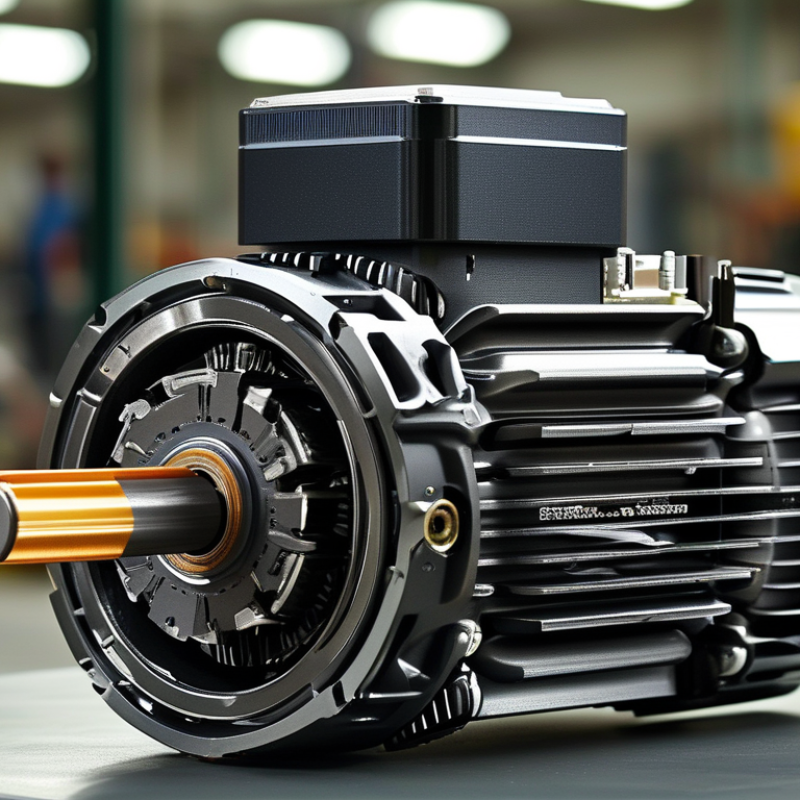
Benefits of Brushless DC Motors for Global Buyers
Brushless DC motors (BLDC) have gained significant traction among global buyers. Their efficiency stands out. According to a report by Allied Market Research, the global brushless DC motor market was valued at approximately $14 billion in 2021. Projections indicate it could grow at a compound annual growth rate (CAGR) of 9.2% from 2022 to 2030. This growth reflects their increasing appeal in diverse applications.
One key benefit of BLDC motors is energy efficiency. They can reach efficiency ratings of 85% to 90%. This reduction in energy consumption results in lower operational costs. A notable feature is their low maintenance requirement. With no brushes to wear down, the lifespan of these motors often exceeds 15,000 hours. However, potential users should consider the initial cost. Although they may be more expensive upfront, the long-term savings can justify the investment.
Moreover, BLDC motors are compact and lightweight. This has made them popular in electric vehicles and drones. Their ability to deliver high torque at varying speeds is advantageous in many applications. Yet, challenges exist. The complexity of their control systems can pose difficulties for some manufacturers. Understanding these factors is essential for making informed procurement decisions.
Overview of Brushless DC Motor Technology
Brushless DC motors have gained significant attention due to their efficiency and versatility. Unlike traditional motors, they use electronic commutation instead of brushes. This design results in less friction and heat. As a result, brushless motors can operate at higher speeds with greater reliability. The absence of wear-prone brushes extends the motor's lifespan significantly.
The technology offers smoother operation. Without mechanical brushes making contact, there is less noise and vibration. This makes brushless motors suitable for various applications, from robotics to electric vehicles. Many global buyers appreciate their compact design. They offer high torque in a small package, which conserves space and energy.
However, the technology is not without challenges. The initial cost of brushless DC motors can be higher than traditional options. Additionally, their integration requires specialized knowledge. This might present barriers for some users. Understanding the technological requirements is crucial for making informed decisions.
Energy Efficiency Advantages Compared to Traditional Motors
Brushless DC motors are gaining traction globally for their superior energy efficiency. Traditional motors often waste energy in the form of heat. In contrast, brushless motors convert a higher percentage of electrical energy into mechanical power. This efficiency translates to lower energy bills and reduced environmental impact.
These motors operate quietly and with minimal maintenance. The absence of brushes means less wear and tear, leading to longer lifespans. For buyers, this is a key factor in reducing long-term costs. However, some may find the initial investment higher than traditional options. This requires careful consideration of the total cost of ownership.
**Tip:** When evaluating motors, consider the application and load requirements. A brushless motor might be more advantageous for high-performance needs. Additionally, always review energy consumption data to compare options effectively. Remember, while brushless motors offer many benefits, the choice should align with your specific needs and budget constraints.
What are the Benefits of Brushless DC Motors for Global Buyers? - Energy Efficiency Advantages Compared to Traditional Motors
| Feature |
Brushless DC Motors |
Traditional Motors |
| Energy Efficiency |
Up to 90-95% efficiency |
70-80% efficiency |
| Maintenance |
Low maintenance due to no brushes |
Higher maintenance due to brush wear |
| Size & Weight |
More compact and lightweight |
Generally larger and heavier |
| Torque to Weight Ratio |
High torque density |
Lower torque density |
| Noise Levels |
Quieter operation |
Noisy due to brush contact |
| Control Precision |
Superior speed and position control |
Limited control options |
Reduced Maintenance Needs and Longevity of Brushless DC Motors
Brushless DC motors stand out for their reduced maintenance needs, making them an attractive choice for global buyers. Unlike traditional motors, these brushless versions have no brushes that wear out over time. This design inherently reduces friction and heat, leading to a longer lifespan. Users can expect significantly less downtime due to maintenance, which translates to increased productivity.
Moreover, the longevity of brushless DC motors is impressive. They can operate for thousands of hours before requiring attention. This reliability is crucial for industries where equipment failure is not an option. However, buyers should consider the initial investment. While brushless motors can be costlier upfront, their lifetime savings may justify the expense.
It’s essential to evaluate the specific application for these motors. Some conditions may lead to varying performance. Buyers should remain open to feedback and adapt to the needs of their operations. Regular assessments can help ensure optimal performance throughout the motor's life cycle.
Versatility and Applications in Various Industries
Brushless DC motors are increasingly popular across various industries for several reasons. Their high efficiency is one factor that makes them suitable for diverse applications. In manufacturing, these motors drive assembly lines and robotics, ensuring precision and reliability. They offer a significant advantage over traditional motors by producing less heat and consuming less energy.
In the automotive sector, brushless DC motors enhance electric vehicles' performance and extend battery life. Their compact design allows for easier integration into tight spaces. This aspect is crucial as companies aim for more innovative vehicle designs. Moreover, in the aerospace industry, these motors provide lightweight solutions that improve fuel efficiency. While they offer many benefits, their cost can be a barrier for some buyers.
Applications extend to medical devices too. Brushless DC motors are integral in surgical tools and imaging equipment. These motors allow for smooth operation, essential for patient safety. However, their complexity can make repairs challenging. Buyers must weigh the advantages against possible maintenance issues. The versatility of brushless DC motors truly opens doors across multiple fields, reflecting a growing trend toward advanced technology integration.
Benefits of Brushless DC Motors for Global Buyers
This chart illustrates the key benefits of Brushless DC Motors, showcasing efficiency, maintenance requirements, noise reduction, compact size and weight, along with longevity. These factors contribute significantly to their versatility and applicability across various industries.
Cost-Effectiveness and Return on Investment for Buyers
Brushless DC motors are gaining traction in various industries. They offer excellent cost-effectiveness and significant returns on investment. One of the key advantages is their low maintenance costs. Without brushes, these motors reduce wear and tear, translating to fewer replacement costs. Over time, this leads to better overall savings for businesses.
When considering brushless DC motors, it’s important to evaluate long-term performance. Buyers should expect a longer lifespan compared to traditional motors. This durability means fewer disruptions in production. It's crucial to analyze energy efficiency as well. Brushless motors typically consume less energy. This can significantly impact monthly utility bills.
Tip: Evaluate your specific needs before making a purchase. Understand the application of the motor to determine the best option. A mismatch can lead to unexpected costs and inefficiencies. It may also be wise to consult with industry experts for insights. They can provide valuable feedback on what works best for your situation. Thoughtful investment in technology often pays off.
FAQS
: They are efficient, reliable, and have reduced maintenance needs. They also operate quietly and smoothly.
Brushless motors use electronic commutation, resulting in less friction, heat, and longer lifespans.
They are often more expensive upfront, which can deter some buyers. Long-term savings need to be considered.
They have no brushes that wear out, leading to significantly less downtime for maintenance and repairs.
High energy efficiency can lower monthly utility bills, making them cost-effective over time.
Yes, evaluating specific applications is crucial. Mismatched motors can lead to unexpected costs.
Regular assessments and adapting to operational needs can help maintain performance levels.
They can function for thousands of hours before requiring maintenance, ensuring reliability.
Yes, industry experts can offer valuable insights and help mitigate potential issues with motor selection.
Yes, their integration might require specialized knowledge, which could pose barriers for some users.
Conclusion
Brushless DC motors offer numerous advantages that make them an appealing choice for global buyers. Their advanced technology ensures high energy efficiency, significantly reducing operational costs compared to traditional motors. This efficiency not only leads to smaller energy bills but also supports sustainability efforts by lowering overall energy consumption.
Additionally, Brushless DC motors require less maintenance and have a longer lifespan, thus minimizing downtime and maintenance costs. Their versatility allows them to be used across various industries, from automotive to manufacturing, enhancing their appeal to a wide range of applications. Buyers can expect a strong return on investment due to the combination of reduced maintenance needs, energy savings, and the versatility offered by Brushless DC motors. Overall, these benefits position Brushless DC motors as a cost-effective solution for modern industrial needs.

 Syncdrive Motor